Find the Best Wildlife Removal Companies for Your Business
No obligation • Fast responses • Nationwide coverage

Why you can trust Pest Crews
Pest Crews is a leading U.S. resource for finding and evaluating residential and commercial pest control services. Our team researches providers, reviews treatment approaches, and organizes unbiased information to help you make informed decisions. Companies cannot pay to change our editorial content or influence how they appear.
Search providers near you
Top Wildlife Removal Companies in Roseville, California Ranked
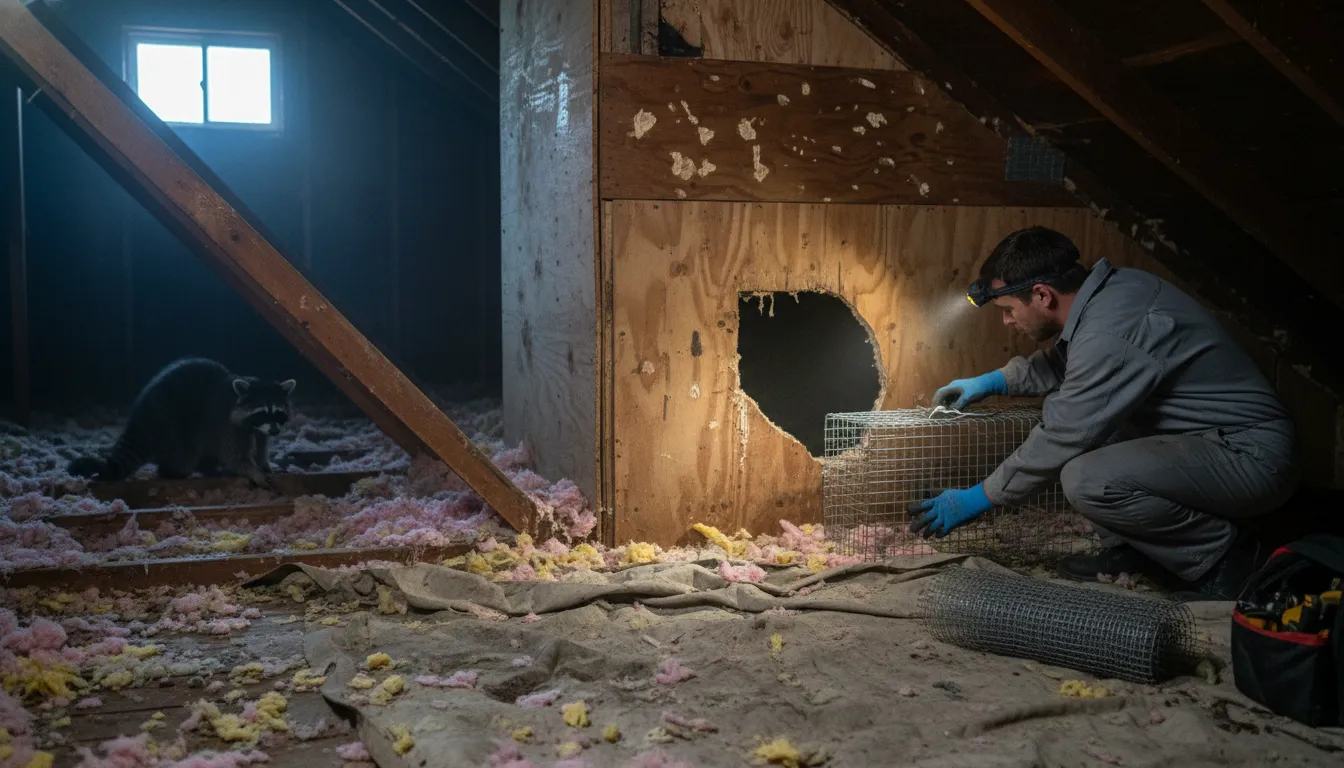
When wild animals like raccoons, squirrels, or skunks decide your attic, crawl space, or yard is their new home, it can quickly become a stressful and potentially hazardous situation. Professional wildlife removal and animal control services are essential for safely and humanely resolving these conflicts, protecting your property from damage, and ensuring the well-being of both people and animals. This guide will help you understand your options, from do-it-yourself prevention to when it's time to call in a licensed expert, so you can effectively address nuisance wildlife issues in Roseville.
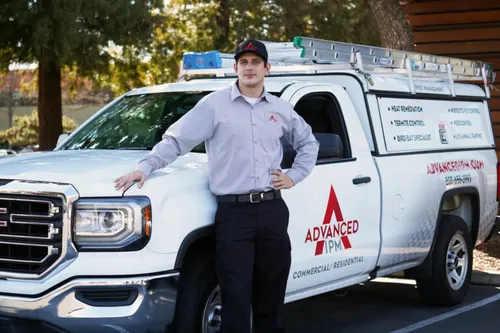
Advanced Integrated Pest Management
205 Kenroy Ln, Roseville, CA 95678
Advanced Integrated Pest Management provides pest control services in Sacramento, CA, and surrounding communities including Rocklin, Antelope, and Auburn. They offer treatments for a wide range of pests such as ants, rodents, cockroaches, bed bugs, termites, mosquitoes, and wildlife. Their services cover both residential and commercial properties, focusing on prevention and effective extermination. Advanced IPM is known for its comprehensive pest management approach in the Roseville area.
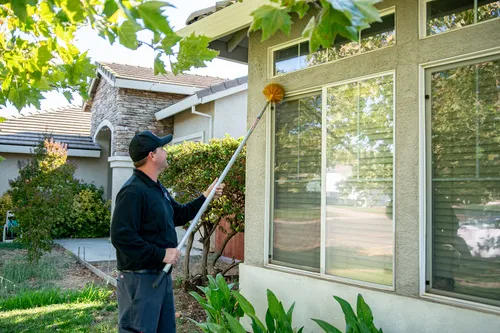
King Pest Management
Sacramento, CA
King Pest Management is a pest control company based in Sacramento, CA, offering services for both residential and commercial properties. Their expertise covers a variety of pests including ants, cockroaches, rodents, mosquitoes, and wildlife such as raccoons and skunks. The company uses thorough inspections to create customized pest elimination and prevention plans. With over 10 years of experience in the pest control industry, King Pest Management provides comprehensive pest and wildlife control solutions.

Big Time Pest Control
1767 Tribute Rd Suite F, Sacramento, CA 95815
Big Time Pest Control is a family-owned pest control company serving Sacramento, CA, since 2001. They provide pest management services for homes and businesses, addressing insects, rodents, termites, and wildlife. Their licensed and certified team offers same-day and Saturday services, including termite inspections and treatments such as baiting and fumigation. The company also provides ongoing pest control plans that cover a wide range of pests and includes rodent bait stations and spider web removal. Their wildlife control services handle animals like raccoons, bats, and pest birds with humane methods.
Noble Way Pest Control
5757 Auburn Blvd, Sacramento, CA 95841
Noble Way Pest Control is a family-owned pest control company serving Sacramento, CA, for over 30 years. They provide a range of services including bed bug treatment, rodent control, ant and cockroach extermination, mosquito control, bee and wasp removal, bird and pigeon control, and wildlife removal. The company uses a botanical-based pyrethrum product with SmartCap technology, which is effective against more than 50 types of pests while being environmentally friendly. Noble Way Pest Control focuses on protecting homes with pest control maintenance and inspections tailored to residential needs.
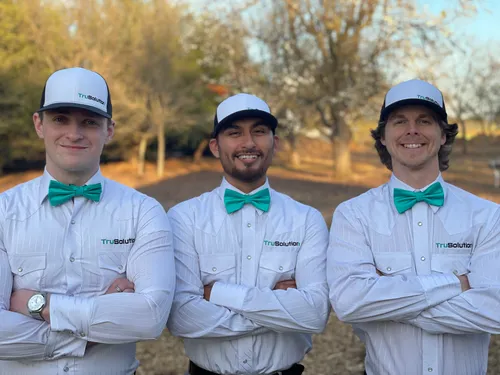
TruSolution Pest Control
3941 Park Dr STE 20-723, El Dorado Hills, CA 95762
TruSolution Pest Control is a family-owned business serving Sacramento, CA, and surrounding areas. They provide residential and commercial pest control services for a wide range of pests including ants, bed bugs, rodents, mosquitoes, and more. Their approach includes a detailed inspection and a unique Brush N' Flush method to remove pest nests, along with exterior and yard treatments that create long-lasting protection. Founded by an experienced pest control professional in 2017, TruSolution emphasizes environmentally friendly products and personalized service to meet customer needs.
Common Nuisance Wildlife in Roseville
Roseville's proximity to natural areas and its suburban landscape create an ideal environment for a variety of wildlife to thrive, sometimes a little too close for comfort. Knowing which animals are most likely to cause problems is the first step in managing them.
- Rodents: This group is a primary concern for many homeowners. Roof rats and Norway rats are common, often seeking shelter in attics, walls, and garages. Mice, gophers, and moles can also cause significant lawn and garden damage.
- Mid-Sized Mammals: Raccoons are notorious for tearing into attic vents or soffits to create dens 1. Skunks may burrow under decks, sheds, or home foundations, presenting a potent odor problem. Opossums and squirrels (both ground and tree squirrels) are also frequent visitors that can invade structures or raid gardens.
- Birds: While beautiful to watch, certain birds can become nuisances when they nest in vents, chimneys, or eaves, leading to clogged ducts, noise, and droppings that can damage property and pose health risks.
- Occasional Visitors: In some areas on the edges of the city, residents might occasionally spot coyotes or foxes, which primarily pose a threat to small pets rather than direct home invasion.
What You Can Do: DIY Prevention and Trapping
Before an animal moves in, there are several effective steps you can take to make your property less inviting. If you're dealing with a small, already-present nuisance animal, careful DIY action may be possible.
Proactive Exclusion and Habitat Modification
The best wildlife control happens before there's a problem. By removing attractants and sealing potential entry points, you can prevent most conflicts.
- Secure Food Sources: Use locking lids on trash cans, avoid leaving pet food outdoors overnight, and promptly clean up fallen fruit from trees.
- Eliminate Shelter: Trim tree branches back at least six feet from your roof to discourage access by rats and squirrels. Keep shrubs and vegetation trimmed away from the foundation of your home.
- Seal Entry Points: Install sturdy chimney caps and vent covers made of hardware cloth or commercial wildlife-proof materials. Regularly inspect your home's exterior for gaps, holes, or loose siding where animals could enter 2.
Responsible Do-It-Yourself Trapping
For a single, small nuisance animal like a rat or squirrel, some residents choose to use live cage traps.
- Trapping Small Animals: Live cage traps (Havahart-style) can be effective. Bait them appropriately (e.g., peanut butter for rodents, canned fish for raccoons) and place them along active runways.
- Crucial Safety Tip: If you suspect you've trapped a skunk, carefully drape a heavy tarp or blanket over the entire trap before approaching. This calms the animal and greatly reduces the chance of it spraying.
- The Most Important Rule: California law strictly regulates what you can do with a trapped animal. It is generally illegal to relocate wildlife to another area 3 4. Your legal options are to release the animal on your own property (in the immediate vicinity where it was caught) or to humanely euthanize it. Always check the trap frequently to avoid undue stress to the animal.
When to Call for Professional Wildlife Control
While DIY methods have their place, many situations require the expertise, tools, and legal knowledge of a licensed wildlife removal professional.
- Attic or Wall Infestations: If you hear persistent scratching, scurrying, or crying sounds from within your walls or attic, you likely have an active den or nest. Professionals can safely locate all animals, including hidden young, and remove them 5.
- Large or Dangerous Animals: Dealing with a cornered raccoon, a mother skunk with kits, or any animal that appears aggressive is a job for experts with proper protective gear and handling equipment.
- Need for Exclusion and Repair: Simply removing the animal isn't enough. Professionals provide exclusion services, which means permanently sealing all entry points with durable materials like steel mesh or netting to prevent re-entry.
- Decontamination and Cleanup: Animal droppings (feces), urine, and nesting materials in an attic or crawl space can harbor parasites and pose serious health risks. Many companies offer biohazard cleanup and decontamination services to restore the area safely.
- Complex or Persistent Problems: If you have a recurring issue or a large-scale infestation, a professional can implement a comprehensive management plan.
Find the perfect wildlife removal companies for your needs
Get personalized recommendations and expert advice
Understanding Costs for Animal Removal Services
The cost for professional wildlife control in Roseville varies significantly based on the type of animal, the extent of the infestation, and the services required. Most companies provide free inspections and estimates. Here are some general guidelines based on industry examples:
- Single Animal Removal: The removal of a single animal, such as a bird from a vent or a raccoon from a trap, may start around $250 6.
- Exclusion Work: For excluding a small group of birds (2-5) from a vent or eave, including sealing entry points, costs can average around $750 7.
- Major Infestations and Projects: Complex jobs like clearing a raccoon family from an attic, performing a full attic cleanup, and sealing all potential entry points on a house are more involved. These projects often range into the thousands of dollars and are typically priced by the project or as a daily rate 8 9.
When to Contact Animal Control vs. a Private Service
It's important to understand the distinct roles of public animal control agencies and private wildlife removal companies.
Contact the City of Roseville Animal Control for:
- An animal that is posing an immediate threat to public safety.
- Sick, injured, or obviously rabid wildlife (do not approach the animal).
- Filing persistent noise complaints related to animals (note: they typically require multiple complaints and evidence and may issue citations rather than perform trapping) 10.
- Stray domestic animals like dogs and cats.
Contact a Licensed Private Wildlife Removal Company for:
- Nuisance wildlife inside a home or structure (attic, walls, chimney).
- Preventive exclusion work to animal-proof your home.
- Trapping and removal of animals on your private property that are causing damage.
- Decontamination and repair services after animals have been removed.
For questions about state wildlife regulations or to report sick/injured wildlife in natural areas, you can also contact the California Department of Fish and Wildlife (CDFW) 11 12.
The Professional Removal Process
When you hire a professional, you can expect a multi-step process designed for a long-term solution.
- Inspection: The technician will perform a thorough inspection of your property to identify the animal species, locate all entry points, and assess the extent of the damage or contamination.
- Humane Removal: Using species-appropriate techniques and traps, the animals are removed in compliance with California state laws.
- Exclusion: This is the critical step that prevents future problems. All identified entry points are sealed with durable, wildlife-proof materials.
- Cleanup and Restoration: If necessary, the affected area is cleaned, disinfected, and deodorized. Damaged insulation may be replaced, and repairs may be made to the structure itself.
- Prevention Advice: A reputable professional will provide recommendations for ongoing habitat modification to keep your property less attractive to wildlife.
Frequently asked questions
Sources
Footnotes
-
Roseville Wildlife in California Raccoon, Skunk, Mouse, Snake - http://www.aaanimalcontrol.com/professional-trapper/wildlife/CA-Roseville-Wildlife.htm ↩
-
City of Roseville - https://www.cityofroseville.com/DocumentCenter/View/26330/1561-Trapping-animals ↩
-
Animal trapping and control - Lacounty - https://file.lacounty.gov/SDSInter/acwm/235835_Trappingrequirementspaper.pdf ↩
-
California wildlife relocation laws for pest control - Facebook - https://www.facebook.com/groups/1594787164103792/posts/3700674206848400/ ↩
-
Wildlife Removal & Pest Control in Roseville, CA - Critter Bros - https://california.critterbros.com/roseville/ ↩
-
Roseville Wildlife Removal - https://thomaswildlifecontrol.com/roseville-wildlife-removal/ ↩
-
Wildlife, Nuisance, Animal Control - https://southern-wildlife.com/price-list-1 ↩
-
Roseville Wildlife Control / California Animal Removal - http://www.aaanimalcontrol.com/professional-trapper/city/CA-Roseville.htm ↩
-
Roseville Wildlife Animal Control - Critter Removal Company - http://www.wildlifeanimalcontrol.com/Roseville.html ↩
-
Animal Control - City of Roseville - https://www.roseville.ca.us/government/departments/police_department/animal_control ↩
-
Living With Wildlife - LA County Animal Care & Control - https://animalcare.lacounty.gov/living-with-wildlife/ ↩
-
Living with Wildlife - https://wildlife.ca.gov/Living-with-Wildlife ↩