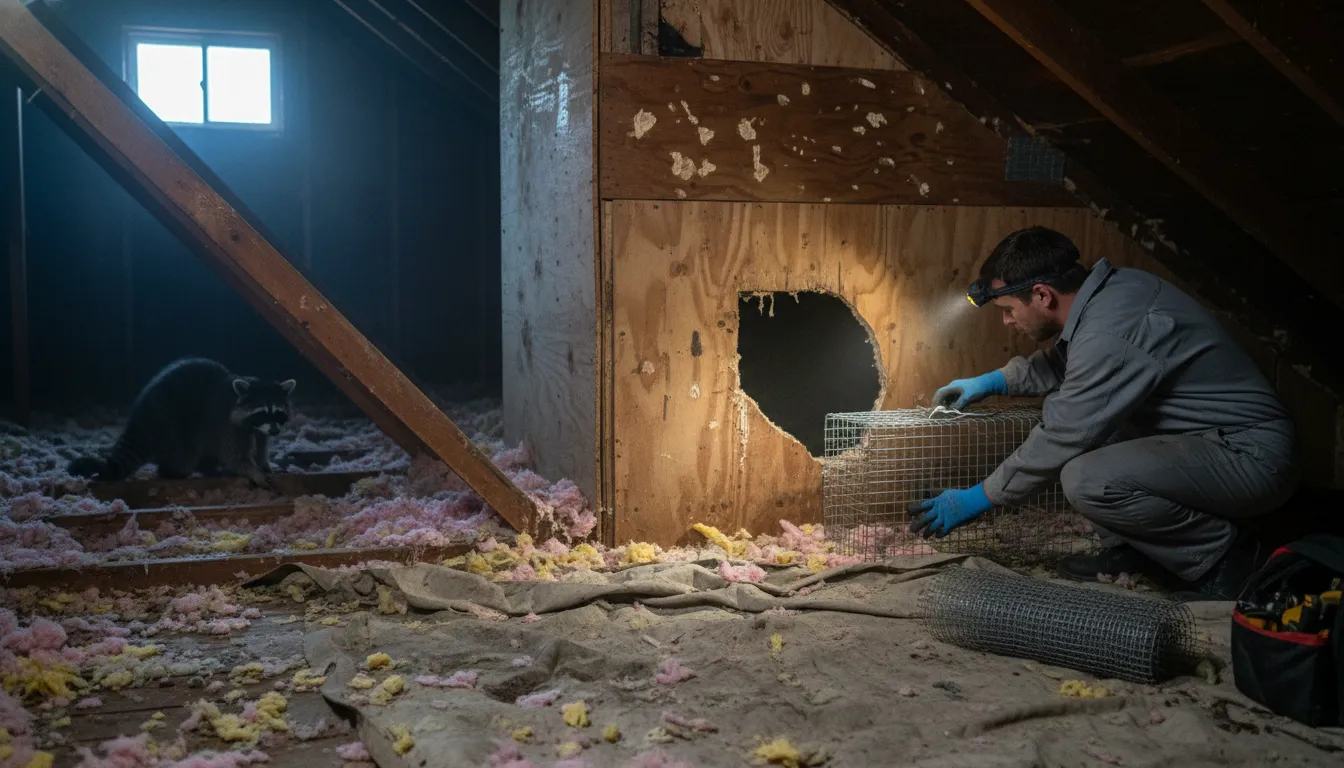
Find the Best Wildlife Removal Companies for Your Business
No obligation • Fast responses • Nationwide coverage

Why you can trust Pest Crews
Pest Crews is a leading U.S. resource for finding and evaluating residential and commercial pest control services. Our team researches providers, reviews treatment approaches, and organizes unbiased information to help you make informed decisions. Companies cannot pay to change our editorial content or influence how they appear.
Search providers near you
Top Wildlife Removal Companies in Santa Clara, California Ranked
Living in Santa Clara means enjoying a beautiful, vibrant ecosystem, but sometimes that wildlife gets a little too close for comfort. When raccoons raid your trash, squirrels nest in your attic, or rodents find their way into your walls, you need safe, effective, and humane solutions. Wildlife removal and animal control services specialize in resolving these conflicts, protecting both your property and the animals involved. This guide will help you understand your options, from do-it-yourself steps to when it's time to call a professional wildlife control operator, so you can find the right local expertise to solve your specific problem.
Trap N Rodents Rodent Proofers,LLC
Fremont, CA
Trap N Rodents Rodent Proofers, LLC is a rodent control and wildlife removal company serving Fremont, CA. They specialize in comprehensive rodent inspections and rodent-proofing services that identify and seal all potential entry points to prevent rodent infestations. Their approach avoids chemical sprays and poisons, focusing instead on humane trapping and sealing techniques to eliminate rodents safely and effectively. With over 10 years of experience, they offer a two-year guarantee on their services and monitor traps for two weeks to ensure complete rodent removal.
Aptive Pest Control
San Jose, CA
Aptive Pest Control offers comprehensive pest management services in San Jose, CA, addressing common pests such as ants, spiders, cockroaches, rodents, termites, and wasps. Operating with a local understanding of the area's Mediterranean climate and seasonal pest activity, they provide year-round treatments tailored to prevent infestations and protect homes. Their services include exclusion methods, strategic baiting, and targeted treatments to manage and prevent pest problems effectively. Aptive Pest Control serves San Jose and surrounding communities, including Cupertino, Fremont, and Sunnyvale, ensuring coverage across the region.
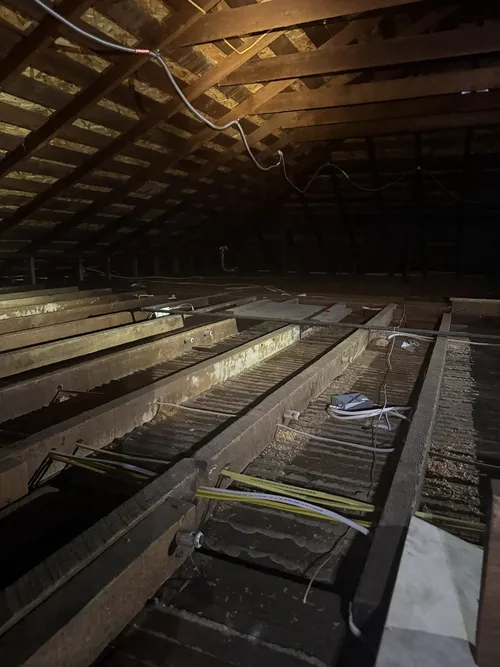
Attic Pros
718 Douglas Ave, Oakland, CA 94603
Attic Pros is a pest control and wildlife removal company based in San Jose, CA, specializing in attic and crawl space care. They provide rodent removal, attic cleaning and decontamination, insulation services, and sump pump installation. Their proven process includes thorough inspection, rodent proofing, and follow-up visits to ensure a rodent-free environment. Serving the San Francisco Bay Area, Attic Pros is licensed, bonded, and insured, with a focus on maintaining clean, dry, and safe attic spaces.
Critter Control of San Jose
San Jose, CA
Critter Control of San Jose provides pest and wildlife removal services in San Jose, CA. Since 1983, the company has focused on humane and environmentally responsible methods for handling nuisance animals. They serve both residential and commercial clients, using integrated and ecologically sound techniques to address issues involving rodents, cockroaches, and other wildlife. The company is independently operated by Bay Area Trapping, Inc., and offers solutions to prevent recurring animal problems.
Got Gophers
San Jose, CA
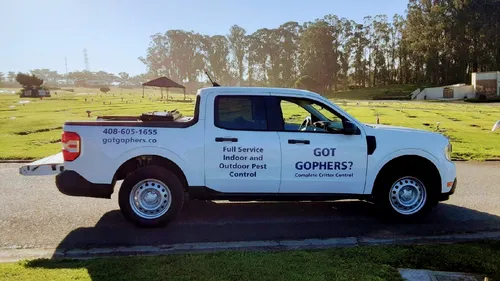
Got Gophers is a pest control company serving San Jose, CA, and the broader Bay Area. They specialize in removing rodents and wildlife such as gophers, ground squirrels, raccoons, rats, skunks, moles, and voles from residential and commercial properties. Their services include critter removal, cleanup, repair, and exclusion work like fencing and netting to prevent future infestations. The company is fully licensed and bonded, with a team that has over 75 years of combined experience in pest control. Got Gophers offers tailored plans for various property types, including agricultural and industrial sites, and provides follow-up visits to address new pest activity.
Common Nuisance Wildlife in Santa Clara
Santa Clara's mix of urban spaces and natural corridors makes it a haven for adaptable wildlife. Knowing which animals are most likely to cause issues is the first step in managing them.
- Rodents: This includes house mice, roof rats, and Norway rats. They are the most frequent invaders, seeking shelter and food in attics, walls, and garages. They can cause significant property damage by gnawing on wires and insulation and pose health risks through droppings.
- Raccoons: Intelligent and dexterous, raccoons are notorious for tipping over garbage cans and can tear through roof vents or soffits to access attics, where they create dens and leave behind hazardous waste.
- Squirrels: Both tree squirrels and ground squirrels can be problematic. They often enter attics through small gaps near the roofline, where their constant gnawing and nesting activities can lead to fire hazards and structural damage.
- Birds: Non-native species like pigeons, starlings, and house sparrows often nest in building eaves, vents, and other cavities. Their nests can block ventilation systems, and their accumulated droppings are corrosive and can harbor diseases.
- Other Mammals: You may also encounter opossums, skunks, coyotes, and occasionally feral pigs. While often less destructive to structures, they can disturb gardens, pet food, and pose other nuisance issues.
Understanding California Wildlife Regulations
Before taking any action, it's crucial to understand the legal framework. California has strict laws designed to protect wildlife, even common nuisance species. Ignoring these regulations can result in fines.
- Trapping Requirements: If you choose to trap an animal on your property, you are required by law to obtain a trap number from the California Department of Fish and Wildlife (CDFW) and physically tag each trap with this number before setting it. This applies to most mammals.
- Homeowner Responsibility: Once an animal is trapped, the property owner is responsible for checking traps at least once every 24 hours. You must also humanely dispatch or release the animal in accordance with CDFW regulations, which often stipulate release must occur on the same property where it was caught.
- Protected Species: Some species, like certain bats and birds, are fully protected by state and federal law. It is illegal to harm, trap, or exclude them without special permits, which are typically only issued to licensed professionals.
DIY Wildlife Control and Prevention
For minor issues, there are several effective and humane steps you can take yourself. The cornerstone of any long-term solution is exclusion-making your property less attractive and accessible.
- Inspect and Seal Entry Points: This is the most critical step. Carefully inspect your home's exterior, especially the roofline, vents, soffits, and foundation. Look for holes, cracks, or gaps larger than a quarter-inch. Use high-quality materials like hardware cloth, steel wool, or metal flashing to seal these openings. Remember, a mouse can fit through a hole the size of a dime.
- Remove Food and Water Sources: Secure your garbage and recycling bins with tight-fitting lids or bungee cords. Avoid leaving pet food outdoors overnight. Pick up fallen fruit from trees and keep barbecue grills clean. Fix leaky outdoor faucets and ensure proper drainage to eliminate standing water. 1
- Use Traps Responsibly: For rodents, snap traps or electronic traps can be effective when placed along walls where they travel. For larger animals, live cage traps may be used only after obtaining your required CDFW trap tag. Always place traps in sheltered areas and check them daily. 2
- Utilize Deterrents: Motion-activated sprinklers or lights can startle and discourage animals like raccoons and coyotes from entering your yard. Ultrasonic repellents have mixed results and are generally not considered a reliable standalone solution.
Find the perfect wildlife removal companies for your needs
Get personalized recommendations and expert advice
When to Call a Professional Wildlife Control Service
While DIY methods work for prevention and minor problems, certain situations absolutely require the expertise of a professional wildlife removal company.
- Attic or Wall Infestations: If you hear persistent scratching, running, or crying sounds from within your walls or ceiling, you likely have an active infestation. Professionals have the tools and knowledge to safely locate and remove the animals, often using one-way exclusion doors that allow animals to leave but not return.
- Large or Dangerous Animals: Dealing with a mother raccoon with young, a colony of bats, or aggressive wildlife is dangerous and should be left to trained experts who understand animal behavior.
- Extensive Damage or Waste Cleanup: After animals are removed, they often leave behind urine-soaked insulation, mounds of droppings, and nesting materials. Professional cleanup includes removing contaminated materials, disinfecting the area with enzyme cleaners, and deodorizing to prevent other animals from being attracted to the scent.
- Need for Permanent Exclusion: A professional doesn't just remove the animal; they find and seal every potential entry point. They use commercial-grade materials and techniques to provide a warranty on their exclusion work, ensuring the animals cannot get back in. 3 4
- Legal and Protected Species: If you suspect you have bats, swallows, or other protected wildlife, a licensed operator will know the proper permitting process and exclusion timelines (often outside of breeding season) to comply with the law.
Understanding Wildlife Removal Costs in Santa Clara
The cost for professional animal control services varies widely based on the species, the extent of the infestation, and the required repairs. Here are general guidelines based on local service estimates:
- Small-Scale Removal: Basic trapping and removal for a single animal, like a raccoon from a chimney or a squirrel from a garage, might start in the range of a few hundred dollars.
- Standard Infestation Response: For a common issue like removing a family of rodents or squirrels from an attic, including initial trapping and basic exclusion work, homeowners can expect costs to range from several hundred to over a thousand dollars. 5
- Major Projects and Full Exclusion: Comprehensive jobs that involve removing a large colony (such as bats or extensive rodent nests), followed by a full attic cleanup, insulation replacement, and sealing the entire home, represent a significant investment, often costing several thousand dollars. 6 7
Always get detailed, written estimates from a few local companies. A reputable provider will include a thorough inspection, a clear plan for humane removal, cleanup, and exclusion, and a warranty on their work.
Local Resources and Who to Contact
Santa Clara has excellent public resources for guidance and specific situations. Knowing which agency to call saves time and ensures the animal gets appropriate care.
- For Injured or Sick Wildlife: Contact the Silicon Valley Animal Control Authority (SVACA) or the Peninsula Humane Society & SPCA (PHS/SPCA). These organizations can arrange for the transport and care of injured native wildlife. 8
- For Aggressive Domestic Animals or Strays: Reach out to County of Santa Clara Animal Services. They handle issues involving dogs, cats, and other domestic animals that are lost, aggressive, or involved in bite cases. 9
- For Regulatory Information and Permits: The California Department of Fish and Wildlife (CDFW) website is the authoritative source for trapping regulations, living with wildlife guides, and information on protected species. 10
- For Public Health Guidance: The Santa Clara County Vector Control District provides resources on managing wildlife, particularly as it relates to public health concerns like disease prevention. 11
Frequently asked questions
Sources
Footnotes
-
Urban wildlife (vertebrate) IPM practices - https://sustainability.santaclaracounty.gov/natural-environment/integrated-pest-management/program-implementation/development-best-management/urban-wildlife-ipm-practices ↩
-
Laws and Regulations - Humane Wildlife Control Inc - https://humanecontrol.com/laws-and-regulations/ ↩
-
California Wildlife Removal Company Directory - Pro Animal Control - https://pro-animal-control.com/california-wildlife-removal-company/ ↩
-
Santa Clara County Animal Services / California CA - http://www.aaanimalcontrol.com/Professional-Trapper/county/CA-Santa-Clara-County-Animal-Services.htm ↩
-
Santa Clara Wildlife Removal, Pest Animal Control CA - http://www.wildlife-removal.com/city/CA-Santa-Clara.htm ↩
-
Prices for Santa Clara Wildlife Pest Control Animal Trapping - http://www.aaanimalcontrol.com/professional-trapper/prices/CA-Santa-Clara-prices.htm ↩
-
Contact - Norcal Wildlife Removal - https://norcalwildliferemoval.com/contact/ ↩
-
Wildlife | Silicon Valley Animal Control Authority - https://www.svaca.com/services/wildlife ↩
-
Report animal issues | Animal Services | County of Santa Clara - https://animals.santaclaracounty.gov/animal-control/report-animal-issues ↩
-
Living with Wildlife - https://wildlife.ca.gov/Living-with-Wildlife ↩
-
Wildlife | Mosquito and Vector Control District - https://vector.santaclaracounty.gov/vectors/wildlife ↩