Find the Best Wildlife Removal Companies for Your Business
No obligation • Fast responses • Nationwide coverage
Why you can trust Pest Crews
Pest Crews is a leading U.S. resource for finding and evaluating residential and commercial pest control services. Our team researches providers, reviews treatment approaches, and organizes unbiased information to help you make informed decisions. Companies cannot pay to change our editorial content or influence how they appear.
Search providers near you
Top Wildlife Removal Companies in Santa Cruz, California Ranked
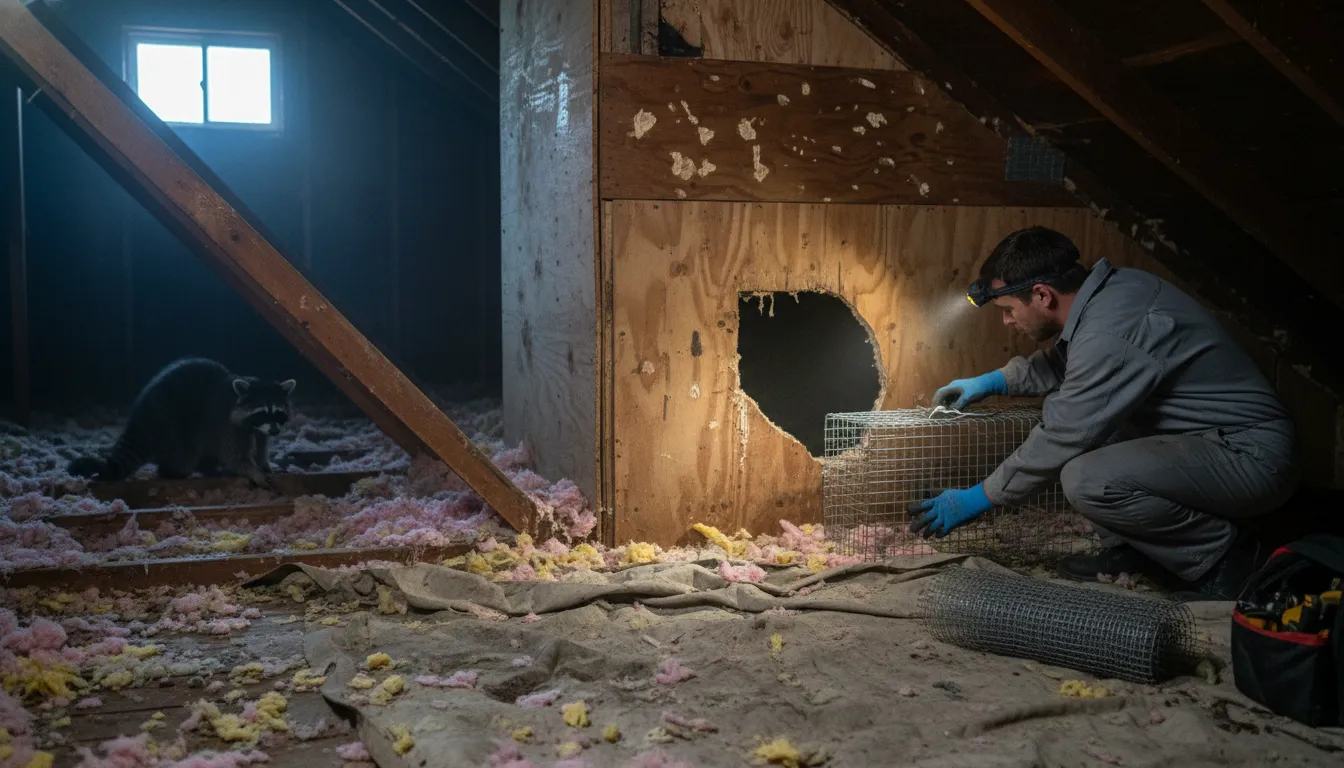
Living in Santa Cruz means sharing our beautiful coastal environment with a variety of native wildlife. While this connection to nature is a privilege, it can become a problem when animals like rodents, squirrels, opossums, or skunks decide to move into your attic, under your deck, or inside your walls. Professional wildlife removal is the specialized service of humanely and effectively evicting these unwanted guests and securing your home against future intrusions. Finding the right local expert is crucial for a permanent solution that protects both your property and the animals, all while navigating California's specific regulations.
This resource is designed to help Santa Cruz homeowners and business owners understand their options for managing wildlife conflicts, from simple do-it-yourself steps to knowing when it's time to call in a licensed professional. You'll find detailed information on common local pests, legal guidelines, and what to expect from the process.
Aptive Pest Control
San Jose, CA
Aptive Pest Control offers comprehensive pest management services in San Jose, CA, addressing common pests such as ants, spiders, cockroaches, rodents, termites, and wasps. Operating with a local understanding of the area's Mediterranean climate and seasonal pest activity, they provide year-round treatments tailored to prevent infestations and protect homes. Their services include exclusion methods, strategic baiting, and targeted treatments to manage and prevent pest problems effectively. Aptive Pest Control serves San Jose and surrounding communities, including Cupertino, Fremont, and Sunnyvale, ensuring coverage across the region.
Critter Control of San Jose
San Jose, CA
Critter Control of San Jose provides pest and wildlife removal services in San Jose, CA. Since 1983, the company has focused on humane and environmentally responsible methods for handling nuisance animals. They serve both residential and commercial clients, using integrated and ecologically sound techniques to address issues involving rodents, cockroaches, and other wildlife. The company is independently operated by Bay Area Trapping, Inc., and offers solutions to prevent recurring animal problems.
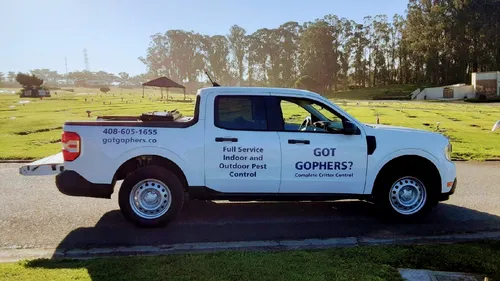
Got Gophers
San Jose, CA
Got Gophers is a pest control company serving San Jose, CA, and the broader Bay Area. They specialize in removing rodents and wildlife such as gophers, ground squirrels, raccoons, rats, skunks, moles, and voles from residential and commercial properties. Their services include critter removal, cleanup, repair, and exclusion work like fencing and netting to prevent future infestations. The company is fully licensed and bonded, with a team that has over 75 years of combined experience in pest control. Got Gophers offers tailored plans for various property types, including agricultural and industrial sites, and provides follow-up visits to address new pest activity.
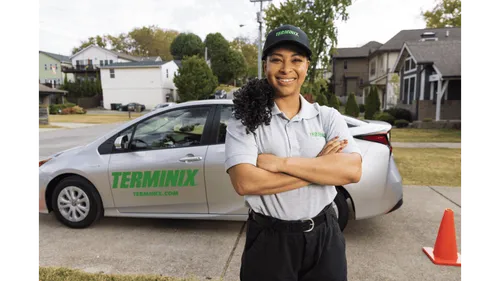
Terminix
1868 Hartog Dr, San Jose, CA 95112
Terminix is a pest control company serving San Jose, CA, with expertise in managing a wide range of pests including bed bugs, termites, ants, cockroaches, rodents, and wildlife. Their local technicians understand the specific pest challenges in the San Jose area and provide customized treatment plans to protect homes and properties. Terminix offers termite inspections and control, bed bug treatment, rodent prevention, and removal of bees, wasps, and other wildlife. The company is supported by a nationwide network of pest control professionals.
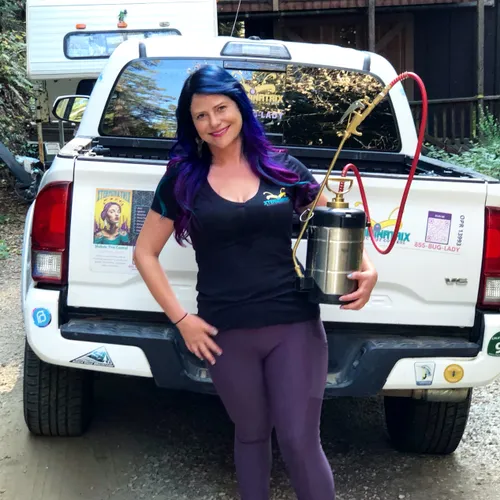
XterminatriX
San Jose, CA
XterminatriX is a woman-owned pest control company based in Felton, serving San Jose, CA, and the surrounding Santa Cruz and Santa Clara counties. They provide customized pest management solutions for residential, commercial, hotel, and estate properties, focusing on environmentally mindful methods that protect beneficial insects and local ecosystems. Their services include cockroach, ant, rodent, bee and wasp removal, as well as wildlife control and pollinator garden installation. XterminatriX uses Integrated Pest Management techniques to target pests precisely, minimizing chemical use and environmental impact. The company emphasizes tailored treatments and offers specialized rodent exclusion and trapping without harmful baits.
Common Wildlife Issues in Santa Cruz Homes
The unique habitats around Santa Cruz, from redwood forests to urban neighborhoods, support a range of animals that can occasionally become pests. Understanding which creature you're dealing with is the first step toward an effective resolution.
- Rodents (Mice & Rats): These are among the most frequent offenders. They seek shelter in attics, wall voids, and crawl spaces, especially as the weather cools. Their constant chewing can damage electrical wiring, insulation, and stored items, while their droppings pose health risks. Noises like scratching or scurrying in ceilings are common signs of an infestation.
- Squirrels: Tree squirrels, particularly the Western Gray Squirrel, are highly destructive when they enter attics. They create nests, chew on structural wood and wires, and are active during the day, making their presence very noticeable. Effective squirrel control requires not just removal but also expert exclusion work to seal entry points.
- Opossums & Skunks: These nocturnal scavengers often den under porches, decks, sheds, or in crawl spaces. They are attracted to pet food, unsecured garbage, and fallen fruit. While generally non-aggressive, skunks pose a obvious deterrent with their spray, and opossums can create messes. Removal requires careful techniques to avoid distressing the animal.
- Birds & Bats: Birds like pigeons or starlings may nest in vents, chimneys, or eaves, leading to clogged gutters and health hazards from droppings. Bats, which are protected species in California, can sometimes roost in attics. Their removal is highly regulated and requires specialized knowledge to ensure it's done legally and humanely.
What You Can Do: DIY Prevention and Removal
For minor issues or as a proactive measure, there are several effective steps Santa Cruz residents can take. The cornerstone of humane and lasting wildlife control is making your property less attractive and accessible.
Exclusion is Key: The single most important DIY task is to seal potential entry points. Inspect your home's exterior for holes, gaps around pipes, damaged vent screens, or loose siding. Use sturdy materials like hardware cloth (wire mesh), metal flashing, or copper mesh to seal these openings. Avoid using materials like rubber or plastic, which animals can easily chew through. Pay special attention to roof lines, eaves, and areas where different building materials meet.
Modify the Habitat: Remove the attractions that draw wildlife in the first place.
- Secure trash cans with tight-fitting lids or bungee cords.
- Do not leave pet food outdoors overnight.
- Pick up fallen fruit from trees regularly.
- Trim tree branches back at least 6-8 feet from your roof to limit access for squirrels and rats.
- Clear dense brush and woodpiles away from your home's foundation to eliminate hiding spots 1.
Simple, Non-Invasive Removals: In some straightforward situations, you can assist an animal in leaving on its own. For example, if a raccoon or squirrel is in your chimney (and the damper is closed), you can carefully lower a thick rope or a rough-surfaced board into the fireplace. This often provides the animal an escape route. Similarly, an animal trapped in a window well can be given a ramp to climb out. Always ensure you and the animal have a clear escape path and do not corner it 2.
Find the perfect wildlife removal companies for your needs
Get personalized recommendations and expert advice
When to Call a Professional Wildlife Removal Service
While DIY methods work for prevention, certain situations require the expertise of a licensed wildlife control operator. These professionals have the tools, knowledge, and legal permits to handle complex problems safely and permanently.
You should consider calling a professional for:
- Infestations in Attics or Walls: If you hear persistent noises, smell odors, or see signs of nesting, a professional can humanely remove all animals, locate all entry points, and provide exclusion.
- Significant Property Damage: Chewed wires, compromised insulation, or structural damage needs to be addressed alongside the animal removal.
- Cleanup and Sanitization: Animal droppings, urine, and nesting materials can harbor parasites and pose health risks. Professionals offer biohazard cleaning and decontamination services.
- Humane Removal of Skunks or Other Defensive Animals: Specialized techniques are needed to remove animals like skunks without causing them to spray 3.
- Protected Species: Handling bats or certain birds often requires specific state permits that licensed professionals hold.
Understanding Local Regulations and Animal Control
Wildlife management in California is governed by a combination of state and local laws designed to protect both people and animals.
California Department of Fish and Wildlife (CDFW): State law allows property owners to take certain mammals, like ground squirrels, mice, and rats, that are damaging property. However, methods may be restricted, and species like bats have full protection. It is always advisable to check current CDFW regulations before attempting any trapping 4.
Santa Cruz County Code: Local ordinances add another layer. The County code generally prohibits the willful injuring or killing of most wildlife in unincorporated areas, with exceptions typically made for rodent pests. A critical local rule prohibits trapping within 150 yards of a residence unless you are the property owner or have the owner's written consent 5 6 7.
Santa Cruz County Animal Shelter (Animal Control): It's important to know what local animal services can and cannot do. The County Animal Shelter primarily handles domestic animals (stray dogs and cats), deceased pets on public roadways, and may offer limited assistance with some wildlife situations. For comprehensive wildlife trapping, exclusion, and attic restoration, you will need to contact a private licensed wildlife removal company 8 9 10.
What to Expect: The Professional Wildlife Removal Process
A reputable wildlife control operator will follow a systematic approach to ensure the problem is solved for good.
- Inspection and Assessment: The technician will perform a thorough inspection of your property, inside and out, to identify the pest species, locate all active entry points, and assess the extent of damage or contamination.
- Humane Removal: Using a variety of legally approved methods, such as one-way exclusion doors or live traps, the animals will be removed from the structure. Ethical companies will relocate animals in accordance with California law.
- Exclusion and Repair: After all animals are confirmed gone, the technician will permanently seal every identified entry point with professional-grade materials. This step is what differentiates true removal from temporary trapping.
- Cleanup and Restoration: For infestations in attics or crawl spaces, services may include removing contaminated insulation, disinfecting the area with enzyme cleaners, and replacing insulation. This restores the space to a safe, clean condition 11.
- Follow-up: Many companies offer a warranty period on their exclusion work and will schedule a follow-up visit to ensure no new activity has occurred.
Cost Considerations for Wildlife Removal in Santa Cruz
The cost for professional animal removal services varies widely based on the species, the extent of the infestation, the size of your home, and the necessary repairs. Based on local service estimates:
- Basic Removal and Exclusion: For a single animal entry point and simple removal, costs can start around $500 or more.
- Full Attic Infestation Remediation: A complete job for squirrels or rats in an attic-including humane removal, full exclusion of all entry points, removal of soiled insulation, sanitization, and new insulation installation-can range from $500 to $3,500 or more 12 13 14. The higher end reflects significant damage, a large attic, or multiple animals.
Always request a detailed, written estimate that breaks down the costs for inspection, removal, exclusion, and any cleanup or repairs before work begins.
Frequently asked questions
Sources
Footnotes
-
Rodents and other Wildlife - https://mvc.santacruzcountyca.gov/Learn/RodentsandotherWildlife.aspx ↩
-
Tips for Coexisting with Wildlife - Santa Cruz County Animal Shelter - https://www.scanimalshelter.org/tips-for-coexisting-with-wildlife/ ↩
-
Santa Cruz Wildlife Animal Control - Pest Removal Trappers - http://www.wildlifeanimalcontrol.com/Santa-Cruz.html ↩
-
Living with Wildlife - https://wildlife.ca.gov/Living-with-Wildlife ↩
-
Chapter 6.12 ANIMAL CONTROL - General Code - https://www.codepublishing.com/CA/SantaCruzCounty/html/SantaCruzCounty06/SantaCruzCounty0612.html ↩
-
Laws and Regulations - Humane Wildlife Control Inc - https://humanecontrol.com/laws-and-regulations/ ↩
-
Feeding Wildlife - https://files.santaclaracounty.gov/migrated/Feeding%20Wildlife%20Final.pdf ↩
-
Santa Cruz Wildlife Removal, Pest Animal Control CA - http://www.wildlife-removal.com/city/CA-Santa-Cruz.htm ↩
-
Wildlife Issues - Santa Cruz County Animal Shelter - https://www.scanimalshelter.org/wildlife-issues/ ↩
-
Dead Animals - Santa Cruz Recycles - https://cityofsantacruz.recyclist.co/guide/dead-animals/ ↩
-
Santa Cruz Wildlife Control / California Animal Removal - http://www.aaanimalcontrol.com/professional-trapper/city/CA-Santa-Cruz.htm ↩
-
Prices for Santa Cruz Wildlife Pest Control Animal Trapping - http://www.aaanimalcontrol.com/professional-trapper//prices/CA-Santa-Cruz-prices.htm ↩
-
California Wildlife Removal Company Directory - Pro Animal Control - https://pro-animal-control.com/california-wildlife-removal-company/ ↩
-
How Much Does Animal & Wildlife Removal Cost? (2026) - HomeGuide - https://homeguide.com/costs/animal-and-wildlife-removal-costs ↩