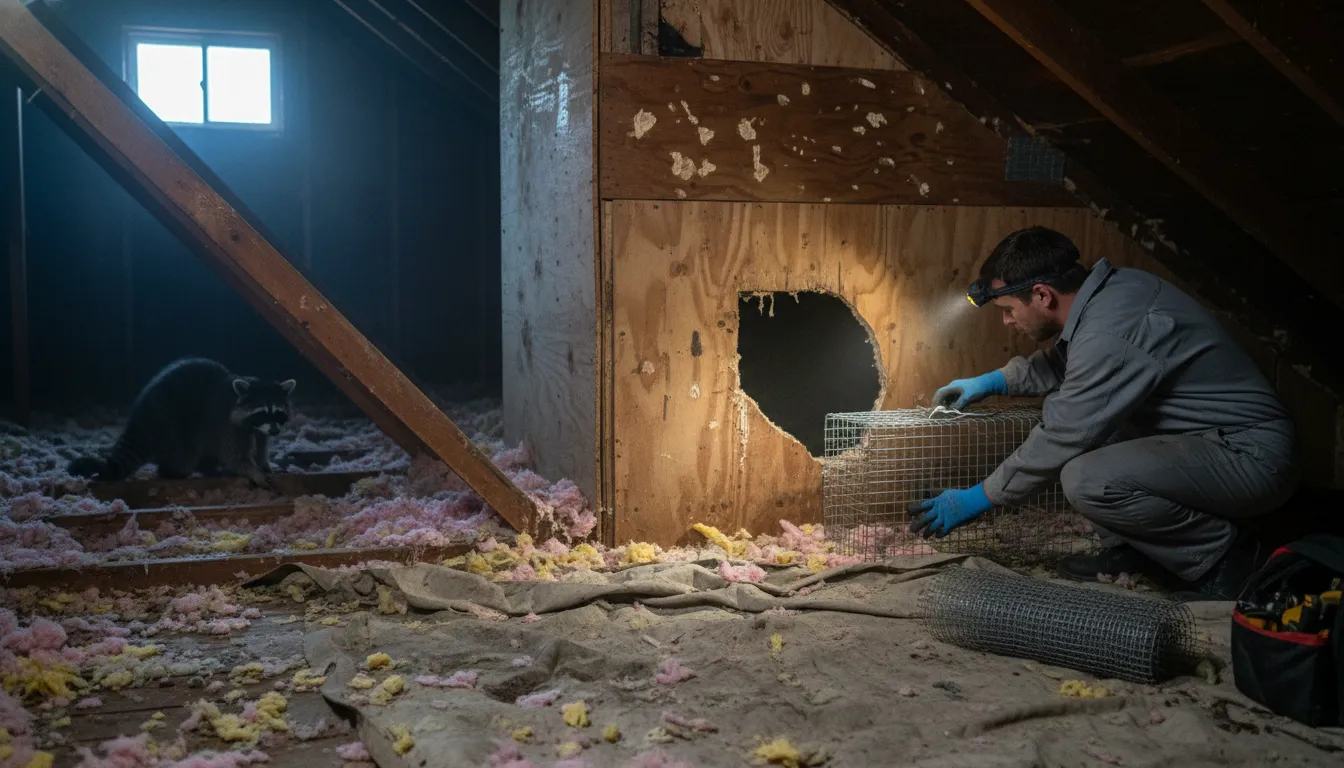
Find the Best Wildlife Removal Companies for Your Business
No obligation • Fast responses • Nationwide coverage

Why you can trust Pest Crews
Pest Crews is a leading U.S. resource for finding and evaluating residential and commercial pest control services. Our team researches providers, reviews treatment approaches, and organizes unbiased information to help you make informed decisions. Companies cannot pay to change our editorial content or influence how they appear.
Search providers near you
Top Wildlife Removal Companies in South Gate, California Ranked
Living alongside urban wildlife is a reality for many South Gate residents. From rustling in the attic to unwelcome visitors in the yard, animals like raccoons, rodents, and opossums can quickly become a nuisance or cause significant property damage. Professional wildlife control services provide humane, legal, and effective solutions to remove these animals and prevent their return. This guide helps you understand your options, local regulations, and how to find qualified specialists to resolve your wildlife issue safely.
Orchard Inc.
Los Angeles, CA
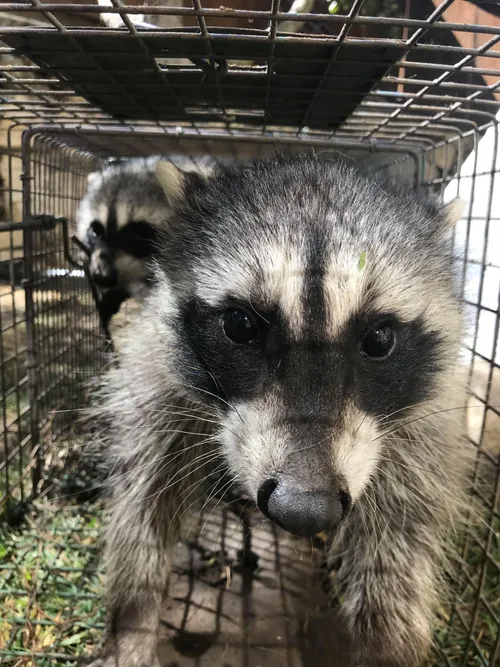
Orchard Inc. is a pest control company based in Los Angeles, CA, specializing in rodent, bird, and wildlife removal services for both residential and commercial properties. They use humane methods and combine modern techniques with proven approaches to manage infestations while respecting natural ecosystems. Orchard Inc. also offers wildlife fencing as a preventative measure to keep animals off properties. The company serves Los Angeles County and Orange County, handling a wide range of pest control needs with a focus on bird and rodent solutions.
Hawkins Animal Trapping and Removal
Long Beach, CA
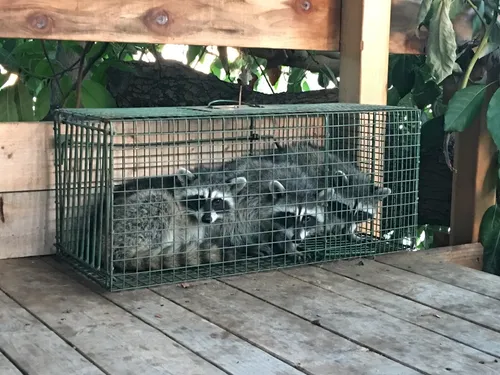
Hawkins Animal Trapping and Removal is a family-owned business based in Long Beach, CA, serving Los Angeles and Orange County. Established in 2018 by an industry professional with over 10 years of experience, the company offers wildlife and animal removal services for both homeowners and businesses. Their services include rodent, raccoon, bird, skunk, opossum, and bat removal, as well as attic cleaning and dead animal removal. They handle dead animals found in crawlspaces, attics, lawns, roofs, and driveways, ensuring safe and effective removal.
Aesthetic Wildlife Control
Los Angeles, CA
Aesthetic Wildlife Control provides humane and poison-free wildlife and rodent removal services in Los Angeles, CA. Their certified team offers a wide range of pest control solutions including rat, possum, bat, raccoon, skunk, snake, and dead animal removal, along with attic decontamination and bird proofing for solar panels. They use eco-friendly, non-toxic methods and provide thorough inspections with photo and video documentation to ensure effective exclusion and sanitation. The company is licensed by the California Department of Fish and Wildlife and offers 24/7 emergency animal removal services across Los Angeles and Orange County.
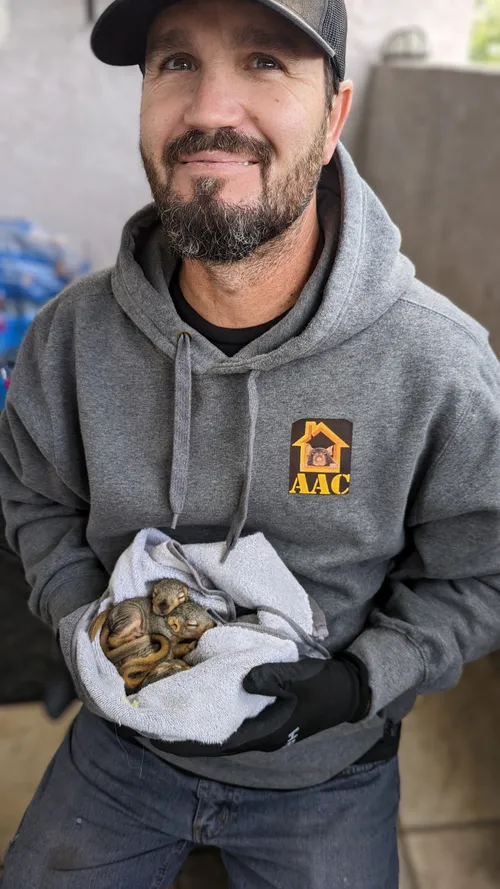
Ashe Animal Control
423 W 18th St, San Pedro, CA 90731
Ashe Animal Control is a family-owned business offering humane wildlife removal, rodent control, and property repair services in Los Angeles, CA, and Orange County. They specialize in safe animal trapping and removal while focusing on protecting homes with integrity and care. Their services include identifying and sealing entry points to prevent future infestations, ensuring long-term protection for residential and commercial properties. Ashe Animal Control is known for transparent pricing and personalized service, treating every home with respect and attention to detail.
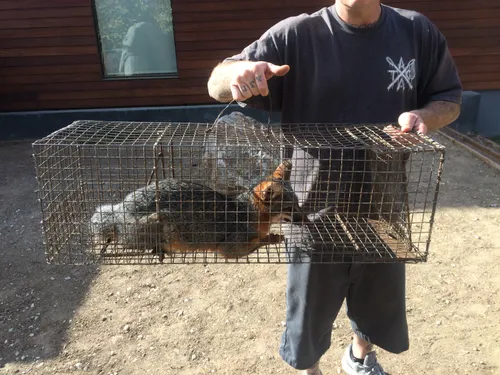
All City Animal Trapping
1321 Alameda St, Wilmington, CA 90744
All City Animal Trapping is a wildlife removal company based in Los Angeles, CA. They specialize in humane trapping and removal of nuisance animals such as raccoons, squirrels, bats, and birds. Their services include damage repair, decontamination, and preventive measures to keep homes and businesses wildlife-free. With over 20 years of experience, the company serves residential and commercial customers throughout Los Angeles and surrounding counties. All City Animal Trapping employs licensed and insured professionals who use effective and humane methods for animal control.
Common Wildlife Issues in South Gate
South Gate's urban environment, proximity to the Los Angeles River, and abundance of food sources make it attractive to various wildlife species. Understanding which animal you're dealing with is the first step toward an effective solution.
Rodents (Rats and Mice): These are among the most frequent offenders in urban areas like South Gate. They seek shelter in homes, garages, and sheds, chewing through wires, insulation, and wood, which can create fire hazards and structural damage. Their rapid reproduction rates mean a small problem can become a major infestation quickly.
Raccoons & Opossums: These larger mammals are intelligent and dexterous, often tearing through roof vents or soffits to access attics where they create dens. They raid trash cans, pet food bowls, and gardens. While generally not aggressive, they can be dangerous if cornered, especially a mother protecting her young.
Coyotes: Coyotes are present throughout the Los Angeles basin, including South Gate. While they primarily prey on small animals, they can pose a risk to pets and, rarely, to people. It's important to note that state law heavily restricts the relocation of trapped coyotes, making professional guidance essential.
What You Can (and Cannot) Do Yourself
California has strict laws regarding wildlife to ensure humane treatment and protect ecosystems. Knowing the legal boundaries for DIY efforts can save you from fines and ineffective solutions.
Allowed DIY Actions:
- Exclusion: Sealing potential entry points with sturdy materials like steel mesh, hardware cloth, or metal flashing is one of the most effective long-term strategies.
- Habitat Modification: Removing attractants is crucial. Secure trash cans with locking lids, avoid leaving pet food outdoors overnight, pick up fallen fruit, and clear dense brush or woodpiles from against your home.
- Humane Trapping (With Caution): You may use live traps for certain species, but you must check local and state regulations first. In many cases, a permit is required, and there are strict rules on trap type, placement, and checking frequency.
When You Must Call a Professional:
- Legal Restrictions: For many animals, especially coyotes, it is generally illegal for anyone without a permit to relocate a trapped animal off your property. State law (CCR Title 14 § 465.5) typically requires that a trapped animal be released on-site or euthanized humanely by a licensed professional 1.
- Animal in a Structure: If an animal is inside a wall, attic, or chimney, removal often requires specialized tools and knowledge to avoid trapping it inside, where it may die and cause odor issues.
- Safety Concerns: Handling wild animals risks bites, scratches, and disease. Professionals have the training and protective equipment to do so safely.
- Need for Repairs: After removal, repairing entry points and cleaning up droppings/contaminated insulation is vital to prevent re-entry and health risks.
Understanding Local Resources: SEAACA vs. Wildlife Control Operators
Knowing who to call is half the battle. South Gate has specific resources for different situations.
Southeast Area Animal Control Authority (SEAACA): The City of South Gate contracts with SEAACA for animal control services. They are the primary public resource for:
- Loose, injured, or visibly sick wildlife.
- Aggressive or dangerous animals posing an immediate threat.
- Issues with stray domestic animals (dogs, cats).
It's important to understand that while SEAACA responds to urgent wildlife situations, they may not handle preventative exclusion or removal of animals from inside attics unless there is an immediate public safety concern. Their services are often focused on response rather than long-term wildlife proofing.
Licensed Wildlife Control Operators (WCOs): These are private, state-licensed professionals who specialize in humane wildlife removal, exclusion, and repair. They are your go-to for:
- Humane trapping and removal in compliance with state law.
- Conducting full home inspections to identify all potential entry points.
- Installing permanent exclusion barriers (like chimney caps and vent guards).
- Cleaning and sanitizing affected areas (e.g., attic restoration).
- Providing warranties on their exclusion work.
For persistent problems or animals already inside a structure, a licensed WCO is typically the most effective and comprehensive solution 2.
Find the perfect wildlife removal companies for your needs
Get personalized recommendations and expert advice
The Professional Wildlife Removal Process
A reputable wildlife control service will follow a systematic approach to ensure the problem is solved completely and humanely.
- Inspection and Assessment: A thorough inspection of your property's interior and exterior identifies the species, entry points, damage, and level of activity. This assessment forms the basis for a custom plan and quote.
- Humane Removal: Using methods appropriate for the species and situation-which may include one-way exclusion doors, live trapping, or hands-on removal-the animals are evicted. Professionals ensure this is done in accordance with California Fish and Wildlife regulations 3.
- Exclusion and Proofing: This is the most critical step to prevent recurrence. All identified entry points are sealed with durable, animal-proof materials. This goes beyond simple repair to fortify your home against future attempts.
- Cleanup and Sanitation: Wildlife waste can harbor parasites and pathogens. Professionals will remove contaminated insulation, disinfect the area, and may offer attic restoration services to return the space to a safe, usable condition.
- Monitoring and Follow-up: Many companies offer a warranty period and may schedule follow-up visits to ensure the exclusion is holding and no new activity is present.
Cost Considerations for Wildlife Removal in South Gate
The cost for professional animal removal and exclusion varies widely based on the species, extent of the infestation, and repairs needed. It's wise to get multiple detailed estimates.
- Basic Removal for Common Pests: For removing animals like squirrels, raccoons, or opossums from an accessible area, you might expect costs starting in the range of several hundred dollars for the initial service visit, trapping, and removal.
- Attic Infestations and Major Damage: Situations involving multiple animals, extensive attic contamination, or significant structural damage for repair can raise costs substantially. Comprehensive jobs that include removal, full exclusion, and attic cleanup can range from $1,500 to $3,500 or more, depending on the square footage and damage 4.
- Ongoing Prevention: The most cost-effective "expense" is often preventative maintenance. Investing in sealing your home, installing chimney caps, and securing trash cans can avoid far more costly removal and repair bills down the line.
Always request a detailed, written estimate that breaks down the costs for inspection, removal, materials, exclusion work, cleanup, and any warranties.
Your Action Plan for a Wildlife Problem
If you suspect or know you have a wildlife issue, follow these steps to resolve it effectively and legally:
- Identify: Try to safely identify the animal species and locate its primary entry/exit points. Listen for activity patterns and look for signs like droppings, tracks, or grease marks.
- Secure Attractants: Immediately remove outdoor food and water sources. Bring pet food inside, secure trash and compost, and consider bringing bird feeders in temporarily.
- Contact SEAACA if Needed: For an injured, aggressive, or loose animal posing an immediate danger, contact SEAACA during their business hours 5.
- Consult a Licensed Wildlife Control Operator: For animals inside structures, recurring problems, or when you need exclusion and repair, contact local, licensed WCOs for inspections and quotes. Verify their license and ask for references.
- Choose a Comprehensive Solution: Opt for a service that provides not just removal, but also guaranteed exclusion and cleanup to ensure the problem is solved for good.
Frequently asked questions
Sources
Footnotes
-
Coyotes FAQ - Parks & Recreation - City of Burbank - https://www.burbankca.gov/web/parks-recreation/coyotes-faq ↩
-
Wildlife Removal in Thousand Oaks - https://www.venturapest.com/where-we-service/thousand-oaks-ca-pest-control/animal-wildlife-removal/ ↩
-
Animal trapping and control - Lacounty - https://file.lacounty.gov/SDSInter/acwm/235835_Trappingrequirementspaper.pdf ↩
-
How Much Does Animal & Wildlife Removal Cost? (2026) - HomeGuide - https://homeguide.com/costs/animal-and-wildlife-removal-costs ↩
-
Animal Control Services - City of South Gate - https://www.cityofsouthgate.org/Government/Departments/Police/Services/Animal-Control-Services ↩