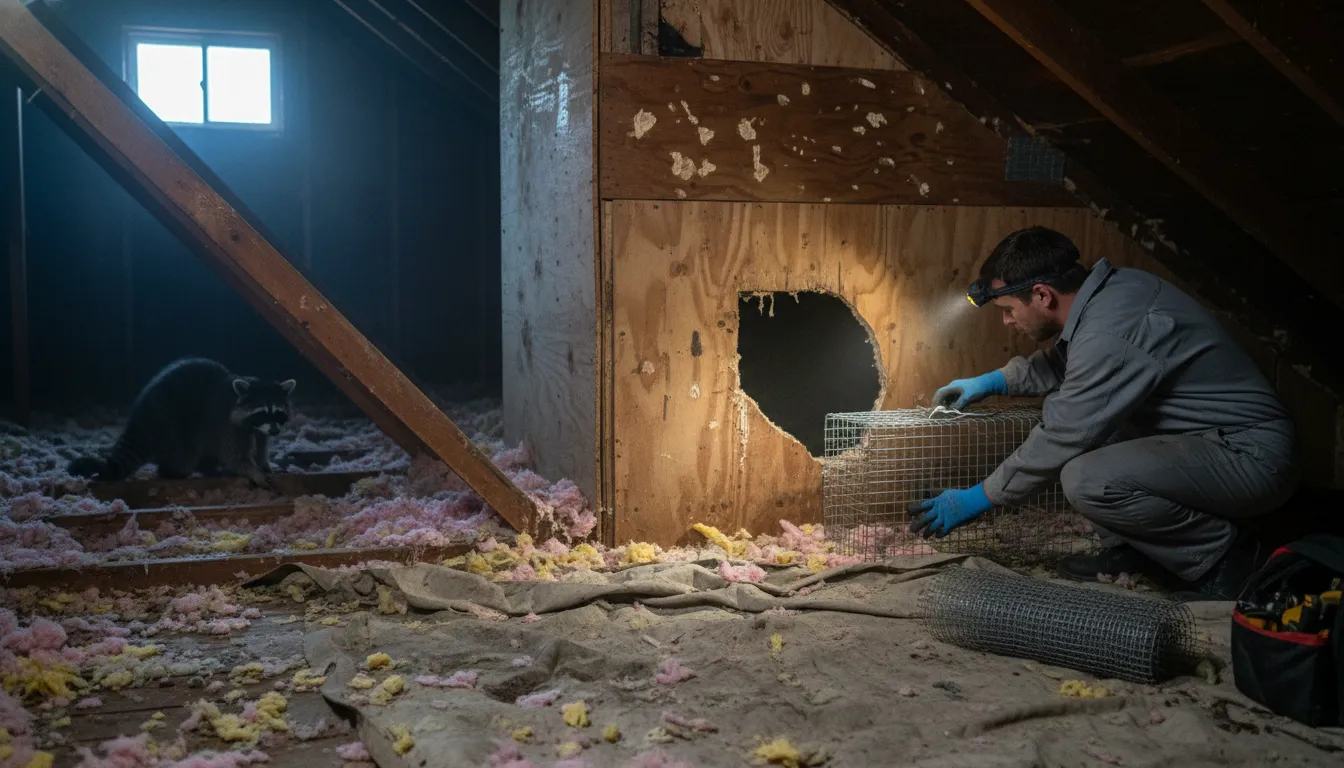
Find the Best Wildlife Removal Companies for Your Business
No obligation • Fast responses • Nationwide coverage

Why you can trust Pest Crews
Pest Crews is a leading U.S. resource for finding and evaluating residential and commercial pest control services. Our team researches providers, reviews treatment approaches, and organizes unbiased information to help you make informed decisions. Companies cannot pay to change our editorial content or influence how they appear.
Search providers near you
Top Wildlife Removal Companies in Thousand Oaks, California Ranked
Finding an unexpected raccoon in your trash or hearing squirrels scampering in your attic can be unsettling. Wildlife removal in Thousand Oaks addresses these common conflicts between humans and local animals by focusing on safe, legal, and permanent solutions. This resource explains the local nuisance species, what you can do yourself, when to call a professional, and how to navigate California's specific regulations to resolve your wildlife issue effectively.
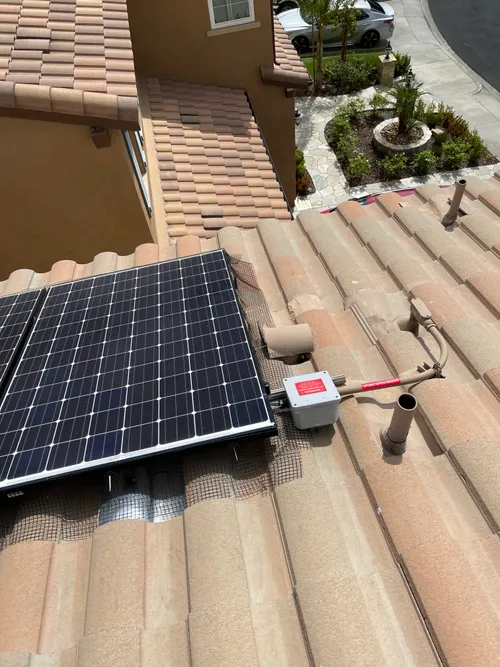
Traction Wildlife and Pest Control
5740 Hazeltine Ave #1, Van Nuys, CA 91401
Traction Wildlife and Pest Control is a licensed company based in Los Angeles, CA, specializing in humane wildlife removal and pest control for both residential and commercial properties. They serve the San Fernando Valley and West Los Angeles areas, offering services that include animal removal, sanitation, damage repair, and preventive measures to keep properties free from pests and wildlife. The company has completed over 10,000 projects and operates with licensed staff using methods compliant with state laws. Traction Wildlife and Pest Control provides 24/7 emergency service for urgent situations involving trapped or injured animals.
101 Gopher & Pest Control
Oxnard, CA
101 Gopher & Pest Control is a pest control company based in Oxnard, CA, serving Ventura, Los Angeles, and Santa Barbara counties. With over 20 years of experience, they specialize in gopher control, rodent control, and general pest management using both green and traditional methods. Their licensed technicians handle a wide range of pests including burrowing rodents, indoor pests like roaches and ants, and wildlife removal. The company is known for its expertise in gopher control, employing time-tested trapping methods and CO gas treatments that are safe for pets and non-target wildlife.
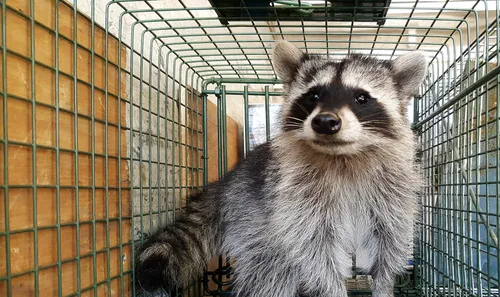
ALL STAR ANIMAL TRAPPING
15841 Wyandotte St, Van Nuys, CA 91406
ALL STAR ANIMAL TRAPPING is a wildlife removal company based in Los Angeles, CA. They provide animal trapping and exclusion services to keep homes free from unwanted wildlife such as raccoons, skunks, opossums, rats, and snakes. Their service area includes Los Angeles and nearby cities like Glendale and Burbank. The company specializes in animal exclusion to help prevent future invasions.
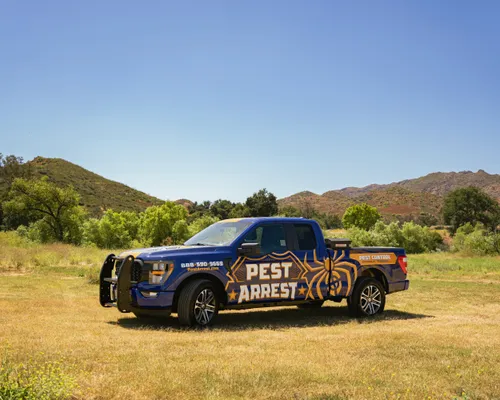
Pest Arrest (fka Dallas General Pest & Termite Inc)
28144 Witherspoon Pkwy, Santa Clarita, CA 91355
Pest Arrest (fka Dallas General Pest & Termite Inc) is a family-owned pest control company based in Santa Clarita, CA, serving Los Angeles County, Ventura County, and the San Fernando Valley. They provide a wide range of pest control services including bed bug treatment, termite inspections, rodent and wildlife removal, and commercial pest management. Their expertise includes customized indoor and outdoor treatments using eco-friendly products when preferred. With over 30 years of experience since 1992, Pest Arrest offers flexible commercial plans and personalized residential services to address specific pest challenges in homes and businesses.
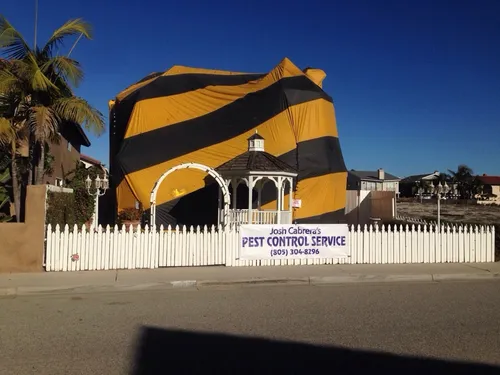
Josh Cabrera's Pest Control Services Inc.
Oxnard, CA
Josh Cabrera's Pest Control Services Inc. is a family-operated pest control company serving Oxnard, CA, and Ventura County. Since 2013, they have provided a range of pest management services including ant control, rodent control, termite inspections, and wildlife removal. Licensed in both agricultural and structural pest control, they offer comprehensive assessments, customized treatment plans, and eco-friendly solutions to address various pest issues. With nearly two decades of experience, they focus on protecting homes from pests year-round.
Common Nuisance Wildlife in Thousand Oaks
The city's proximity to open spaces like the Santa Monica Mountains and Conejo Valley open space means residents often share their neighborhoods with a variety of mammals. Understanding which animals are most likely to cause problems is the first step.
- Raccoons: Intelligent and dexterous, they are notorious for tipping over unsecured trash cans and can find ways into attics or under decks in search of shelter.
- Opossums: While generally less destructive, these nocturnal marsupials may take up residence under sheds or decks and can raid pet food left outdoors.
- Skunks: Often attracted to grubs in lawns, skunks will dig small cones-shaped holes. They also seek shelter under structures, and an encounter can lead to a potent and lingering odor.
- Tree Squirrels: A leading cause of attic invasions, squirrels can chew through wood, siding, and electrical wiring to create nesting sites, posing a significant fire hazard.
- Coyotes: Common throughout the area, coyotes are primarily a threat to small pets. They are attracted by food sources like accessible garbage, fallen fruit, or even small rodents attracted to birdseed.
- Burrowing Animals: Moles and gophers can damage lawns, gardens, and landscaping through their tunneling activities.
These animals are not inherently "pests"; they are simply taking advantage of available resources. The primary attractions in a residential setting are easy access to food, water, and shelter.
What You Can Do: DIY Prevention and Exclusion
Before a situation escalates, homeowners can take several effective, non-lethal steps to make their property less inviting to wild animals. This proactive approach is often the most humane and long-term solution.
Eliminate Food and Water Sources
This is the single most effective action you can take.
- Secure Trash: Use cans with tight-fitting, locking lids. Store them in a garage or shed until pickup day if possible.
- Manage Pet Food: Do not leave pet food or water bowls outside overnight.
- Clean Up Yard Debris: Regularly pick up fallen fruit from trees and clear away brush piles or woodpiles that can provide cover.
- Bird Feeders: If wildlife is an issue, consider removing bird feeders, as spilled seed attracts rodents, which in turn attract predators like coyotes and raccoons.
Seal Entry Points (Exclusion)
The goal is to permanently block animals from entering structures.
- Inspect Your Home: Look for gaps in the roof line, loose vent covers, holes in siding, or openings where utility lines enter. Remember, a small hole is an open door to a squirrel or rat.
- Use the Right Materials: Seal gaps with durable materials like 1/4-inch hardware cloth, steel flashing, or heavy-gauge wire mesh. Avoid using materials like wood or plastic, which animals can easily chew through. 1
- Protect Decks and Porches: Install a wire mesh barrier (trenching) around the base of decks and sheds to prevent animals from digging underneath.
- Important Check: Before sealing any hole, ensure no animals are trapped inside. A simple method is to lightly stuff the hole with newspaper or sprinkle flour at the entrance. If it remains undisturbed for 24-48 hours, it's likely safe to seal it permanently.
Find the perfect wildlife removal companies for your needs
Get personalized recommendations and expert advice
Understanding Local Laws and Regulations
Wildlife control in California is strictly regulated. Attempting to handle a situation without understanding these rules can lead to legal trouble and may not solve the problem.
- Relocation is Generally Illegal: Trapping and relocating a healthy animal to another area is against California Department of Fish and Wildlife (CDFW) regulations for several reasons: it can spread disease, stress the animal, and simply move the problem to another neighborhood. The legal focus is on removing the animal from the property and then excluding it. 2
- Trapping Restrictions: The use of traps is heavily regulated. In many cases, traps cannot be set within 150 yards of an occupied residence without the written consent of the owner or tenant. 3 Commercial trapping for nuisance wildlife requires specific licenses from the CDFW. 4
- Role of Animal Services: Ventura County Animal Services (VCAS) is a public resource, but their role with wildlife is specific. They primarily respond to situations involving injured, sick, or visibly at-risk animals. They are prohibited by policy from picking up or relocating healthy nuisance wildlife. 5 For a healthy raccoon in your attic, you will need to contact a licensed private wildlife control operator.
When and How to Hire a Professional Wildlife Removal Service
When DIY methods fail, or an animal is already inside your home, a professional is the best course of action. Licensed professionals have the expertise, tools, and legal authority to resolve the situation safely and permanently.
What Professional Services Include
A comprehensive service does much more than just trap an animal.
- Inspection and Identification: Determining the species, entry points, and extent of the infestation.
- Humane Removal: Using legally approved methods, which may include live trapping or the installation of one-way exclusion doors that allow animals to leave but not re-enter.
- Exclusion and Repair: Sealing all identified entry points with professional-grade materials to prevent re-entry. This is the critical step that DIY efforts often miss.
- Cleanup and Sanitation: Removing nesting materials, droppings, and urine from attics or crawl spaces, and applying disinfectants to mitigate health risks.
Cost Factors for Wildlife Control in Thousand Oaks
The price for professional animal removal is not fixed; it varies based on the job's complexity. 6
- Type of Animal: Removing a single opossum from under a deck is typically less involved than extracting a family of squirrels from an attic.
- Location and Accessibility: Work in a cramped attic or high on a roof line requires more labor and time.
- Extent of Damage and Needed Repairs: The cost will be higher if the service includes repairing chewed wires, replacing insulation, or fixing structural damage.
- Example Range: While simple trapping jobs may start at a few hundred dollars, a full-service job involving inspection, removal, exclusion, and attic cleanup can range from approximately $191 to over $612, with more complex scenarios costing more. 7 8 It's always best to get a detailed, on-site estimate.
Long-Term Strategy: Habitat Modification
The core principle of effective wildlife management is that trapping alone is a temporary fix. If the attractants and entry points remain, new animals will simply move into the now-vacant territory. 9 10 11 The lasting solution is habitat modification-making your property inherently less attractive and accessible to wildlife. This combines the DIY prevention steps (removing food/water) with the professional-grade exclusion work (sealing the house). By investing in permanent exclusion, you solve the immediate problem and prevent future ones, protecting your home and the local wildlife.
Frequently asked questions
Sources
Footnotes
-
Dealing With Nuisance Wildlife: Effective Strategies For Control And ... - https://www.venturapest.com/blog/2022/july/dealing-with-nuisance-wildlife-effective-strateg/ ↩
-
Laws & Regulations - Humane Pest Control Inc - https://humanepestpro.com/?page_id=85 ↩
-
Animal trapping and control - Lacounty - https://file.lacounty.gov/SDSInter/acwm/235835_Trappingrequirementspaper.pdf ↩
-
Living with Wildlife - https://wildlife.ca.gov/Living-with-Wildlife ↩
-
Wildlife - Ventura County Animal Services - https://animalservices.venturacounty.gov/wildlife/ ↩
-
Wildlife Removal in Thousand Oaks | Ventura Pest Control - https://www.venturapest.com/where-we-service/thousand-oaks-ca-pest-control/animal-wildlife-removal/ ↩
-
Prices for Thousand Oaks Wildlife Pest Control Animal Trapping - http://www.aaanimalcontrol.com/Professional-Trapper/prices/CA-Thousand-Oaks-prices.htm ↩
-
How Much Does Wildlife Removal Cost? [2026 Data] - Angie's List - https://www.angi.com/articles/what-cost-animal-removal.htm ↩
-
Thousand Oaks Wildlife Animal Control - http://www.wildlifeanimalcontrol.com/Thousand-Oaks.html ↩
-
Living With Wildlife - LA County Animal Care & Control - https://animalcare.lacounty.gov/living-with-wildlife/ ↩
-
Why You Should Not Relocate Wildlife In California - Emagazine.com - https://emagazine.com/why-you-should-not-relocate-wildlife-in-california/ ↩