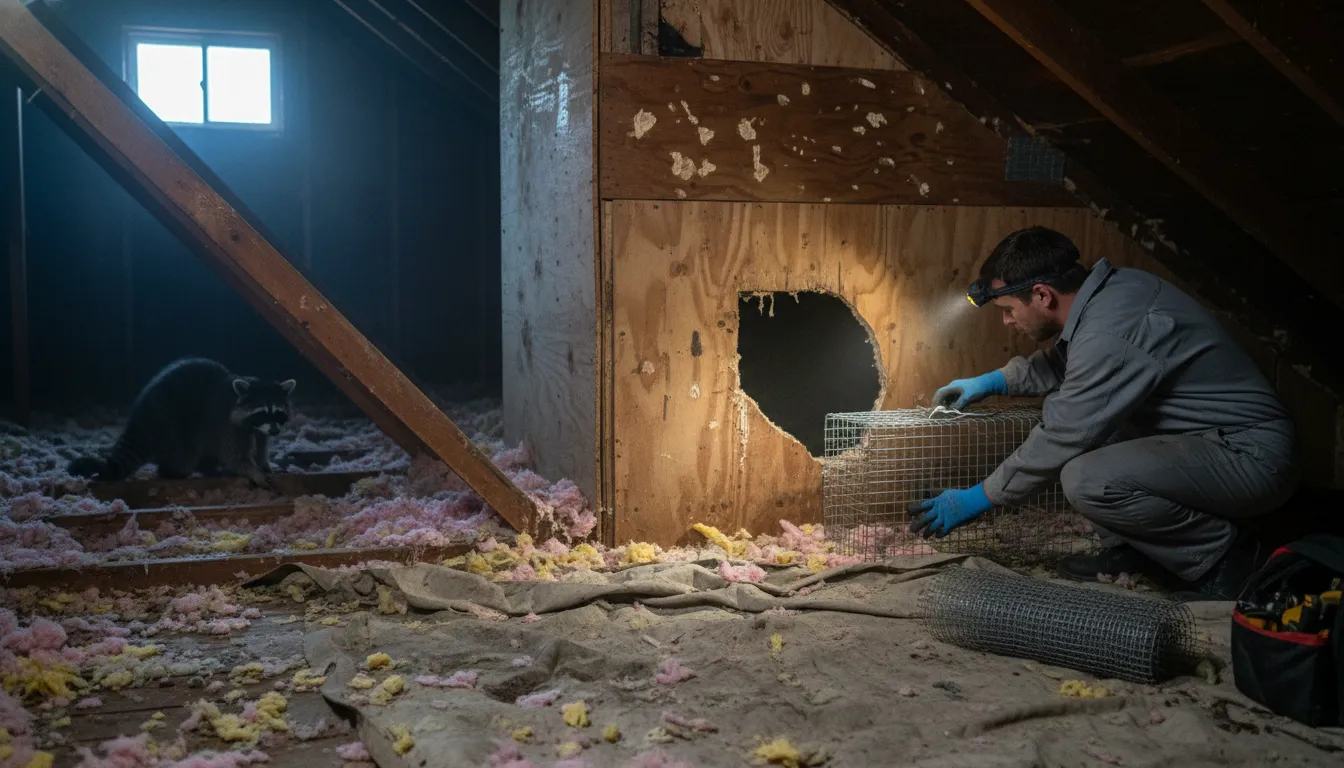
Find the Best Wildlife Removal Companies for Your Business
No obligation • Fast responses • Nationwide coverage

Why you can trust Pest Crews
Pest Crews is a leading U.S. resource for finding and evaluating residential and commercial pest control services. Our team researches providers, reviews treatment approaches, and organizes unbiased information to help you make informed decisions. Companies cannot pay to change our editorial content or influence how they appear.
Search providers near you
Top Wildlife Removal Companies in Torrance, California Ranked
Finding an uninvited animal in your home or business is a stressful experience. Wildlife removal is the professional service dedicated to safely and humanely resolving conflicts with wild animals that have become a nuisance or a hazard. In a city like Torrance, where urban spaces meet natural habitats, understanding your options for animal control and wildlife exclusion is crucial for protecting your property and ensuring the well-being of local fauna. This guide will help you navigate the process, from effective do-it-yourself prevention to knowing when it's time to call in a licensed expert.
Orchard Inc.
Los Angeles, CA
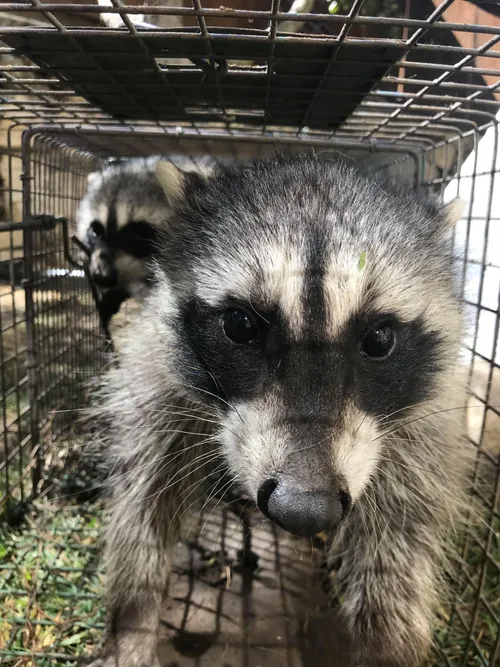
Orchard Inc. is a pest control company based in Los Angeles, CA, specializing in rodent, bird, and wildlife removal services for both residential and commercial properties. They use humane methods and combine modern techniques with proven approaches to manage infestations while respecting natural ecosystems. Orchard Inc. also offers wildlife fencing as a preventative measure to keep animals off properties. The company serves Los Angeles County and Orange County, handling a wide range of pest control needs with a focus on bird and rodent solutions.
Hawkins Animal Trapping and Removal
Long Beach, CA
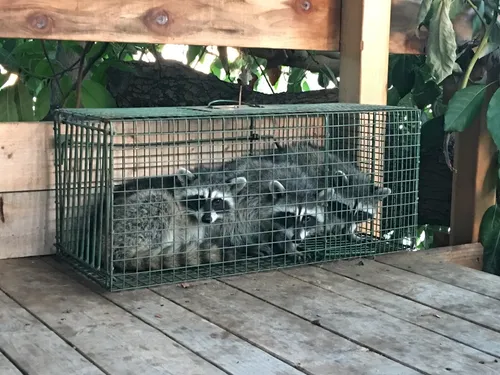
Hawkins Animal Trapping and Removal is a family-owned business based in Long Beach, CA, serving Los Angeles and Orange County. Established in 2018 by an industry professional with over 10 years of experience, the company offers wildlife and animal removal services for both homeowners and businesses. Their services include rodent, raccoon, bird, skunk, opossum, and bat removal, as well as attic cleaning and dead animal removal. They handle dead animals found in crawlspaces, attics, lawns, roofs, and driveways, ensuring safe and effective removal.
Aesthetic Wildlife Control
Los Angeles, CA
Aesthetic Wildlife Control provides humane and poison-free wildlife and rodent removal services in Los Angeles, CA. Their certified team offers a wide range of pest control solutions including rat, possum, bat, raccoon, skunk, snake, and dead animal removal, along with attic decontamination and bird proofing for solar panels. They use eco-friendly, non-toxic methods and provide thorough inspections with photo and video documentation to ensure effective exclusion and sanitation. The company is licensed by the California Department of Fish and Wildlife and offers 24/7 emergency animal removal services across Los Angeles and Orange County.
Ashe Animal Control
423 W 18th St, San Pedro, CA 90731
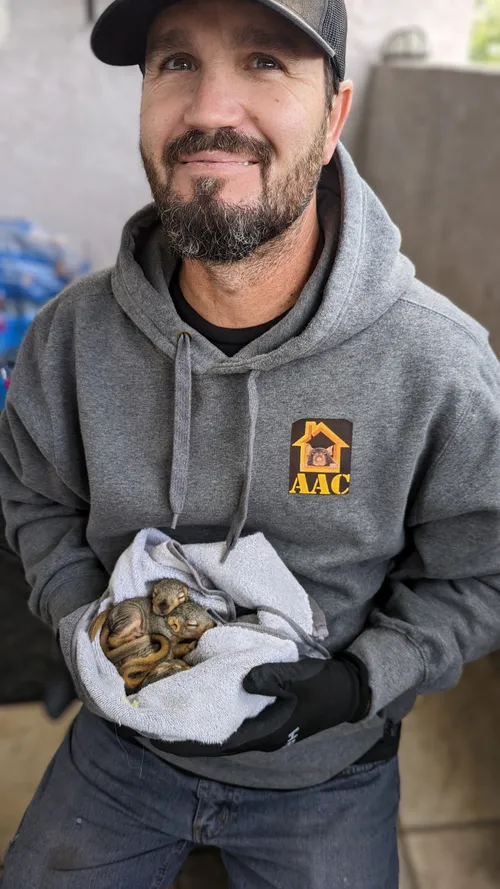
Ashe Animal Control is a family-owned business offering humane wildlife removal, rodent control, and property repair services in Los Angeles, CA, and Orange County. They specialize in safe animal trapping and removal while focusing on protecting homes with integrity and care. Their services include identifying and sealing entry points to prevent future infestations, ensuring long-term protection for residential and commercial properties. Ashe Animal Control is known for transparent pricing and personalized service, treating every home with respect and attention to detail.
All City Animal Trapping
1321 Alameda St, Wilmington, CA 90744
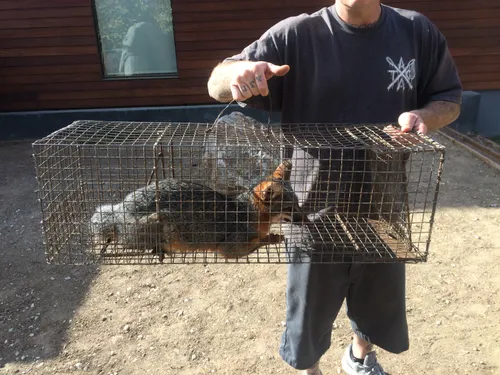
All City Animal Trapping is a wildlife removal company based in Los Angeles, CA. They specialize in humane trapping and removal of nuisance animals such as raccoons, squirrels, bats, and birds. Their services include damage repair, decontamination, and preventive measures to keep homes and businesses wildlife-free. With over 20 years of experience, the company serves residential and commercial customers throughout Los Angeles and surrounding counties. All City Animal Trapping employs licensed and insured professionals who use effective and humane methods for animal control.
Common Wildlife Issues in Torrance
The South Bay's blend of residential neighborhoods, commercial areas, and green spaces creates an attractive environment for various animals. While they play important roles in the local ecosystem, they can become problematic when they seek food, water, or shelter in our structures. The most frequent calls for wildlife control in the area involve rodents, raccoons, and birds.
- Rodents: This category includes roof rats, Norway rats, and house mice. They are prolific breeders and can cause significant damage by gnawing on wires, insulation, and wood, while also posing health risks through contamination.
- Mammals: Raccoons are intelligent and dexterous, known for tipping over trash cans and seeking refuge in attics or chimneys. Opossums, skunks, and squirrels (both tree and ground squirrels) are also common visitors that can dig, nest, and create odors.
- Birds: Pigeons, crows, and starlings often roost on buildings, leading to noise, droppings that can damage surfaces and pose health concerns, and potential blockages in vents.
- Other Fauna: Reptiles like snakes, as well as burrowing animals such as gophers, can also be encountered in yards and gardens.
Understanding which species you're dealing with is the first step toward an effective and targeted resolution.
Effective DIY Prevention and Control
Before a situation escalates, many potential wildlife problems can be mitigated through proactive measures. Prevention is always more effective and less costly than removal. Here are key strategies for making your property less inviting:
Seal Entry Points: Conduct a thorough inspection of your home's exterior. Look for gaps around the foundation, loose siding, openings around utility lines, and uncapped vents. Use durable materials like steel wool, hardware cloth, or metal flashing to seal these potential entryways, as many animals can chew through weaker sealants.
Remove Attractants: Wildlife is primarily driven by the search for food and water. Secure your trash cans with tight-fitting lids or bungee cords. Avoid leaving pet food outdoors overnight. Regularly clean up fallen fruit from trees and keep barbecue grills clean. Also, address standing water sources that provide drinking opportunities.
Use Habitat Modification: Make the environment around your home less conducive to wildlife. Trim tree branches back at least six feet from your roof to prevent easy access for squirrels and raccoons. Keep woodpiles and dense shrubbery away from the foundation. Installing chimney caps and vent covers are excellent exclusion techniques.
Employ Repellents Cautiously: While ultrasonic devices, motion-activated lights, or commercial repellents (like predator scents) are available, their effectiveness can be variable and temporary. They should be used as part of a broader prevention plan, not as a standalone solution 1.
When to Call Animal Control or Authorities
Not every wildlife sighting requires professional intervention, but certain situations demand official attention. Knowing which agency to contact saves time and ensures the appropriate response.
City of Torrance Animal Control (310-328-3660): This is your primary non-emergency contact for issues within city limits. They typically handle:
- Sick, injured, or trapped domestic pets or wildlife.
- Loose dogs and other animal-related public nuisance complaints (excessive noise, property damage).
- Deceased animals on public property2.
California Department of Fish and Wildlife (CDFW): For matters concerning native wild animals, especially protected species, the state agency is involved. Contact CDFW for guidance on:
- Sick, injured, or orphaned wild animals (they can direct you to licensed rehabilitators).
- Reporting illegal activities like poaching or the illegal possession of wildlife.
Police (911): Reserve emergency services for immediate threats to public safety. This includes:
- An aggressive coyote or other animal displaying signs of rabies.
- A wild animal that has attacked a person or pet and is still in the area.
Find the perfect wildlife removal companies for your needs
Get personalized recommendations and expert advice
Engaging Professional Wildlife Removal Services
When prevention fails and an animal has taken up residence, professional wildlife control operators provide the expertise for safe and permanent removal. These specialists are trained in animal behavior, state regulations, and humane exclusion techniques.
Choosing a Qualified Provider: Always seek a company that is fully licensed and insured. Look for affiliations with professional organizations like the California Animal Welfare Association (CalAnimals), which can be a resource for finding reputable services3. A trustworthy professional will offer a thorough inspection before providing a detailed plan and estimate.
Scope of Professional Services: A comprehensive approach involves more than just trapping.
- Inspection & Assessment: Identifying the species, entry points, and extent of the infestation.
- Humane Trapping & Removal: Using appropriate, legal methods to capture and relocate animals (where permitted by law).
- Exclusion: This is the most critical long-term step. The professional will permanently seal all identified entry points to prevent re-entry.
- Cleanup & Sanitation: Removing nesting materials, droppings, and urine. This often includes disinfecting and deodorizing the affected area to eliminate health hazards and scents that might attract new animals.
Understanding Costs for Animal Control
The cost for professional wildlife management varies widely based on the animal, the severity of the problem, and the services required. It's always advisable to get multiple estimates. Based on general industry data for the region, here is a rough cost summary:
- Initial Inspection/Quote: Many companies charge a service fee for the assessment, typically ranging from $100 to $250.
- Exclusion Work: The cost to professionally seal a home can range from a few hundred dollars for minor work to over $500 for extensive sealing of multiple entry points.
- Trapping & Removal: This is often priced per animal or per service visit, generally between $150 and $400.
- Cleanup and Sanitation: Decontamination of an attic or crawl space can cost between $200 and $500 or more, depending on the level of contamination.
- Full-Service Example: A complete raccoon removal job-including trapping, exclusion repairs to prevent re-entry, and attic cleanup-can range from $400 to over $1,0004.
Investing in a permanent exclusion solution is often more cost-effective than repeated trapping for the same problem.
Legal and Humane Considerations in California
California has strict laws protecting native wildlife. It is illegal for anyone without the proper permits to trap and relocate most wild animals beyond the immediate property where they were caught. This is to prevent the spread of disease and disruption to other ecosystems. Professional wildlife removal operators understand these regulations and operate within them, focusing on humane euthanasia when necessary or legally releasing animals on-site after exclusion. Their goal is to resolve the conflict responsibly, prioritizing both human safety and animal welfare.
Frequently asked questions
Sources
Footnotes
-
7 Wildlife Control Methods To Use At Home - Wildlife Exclusion - https://www.agpest.com/7-wildlife-control-methods-to-use-at-home/ ↩
-
Animal Control - City of Torrance - https://www.torranceca.gov/our-city/animal-control ↩
-
Animal Control Officers | California | California Animal Welfare Assoc - https://www.calanimals.org/animal-control-officers ↩
-
Living with Wildlife - https://wildlife.ca.gov/Living-with-Wildlife ↩