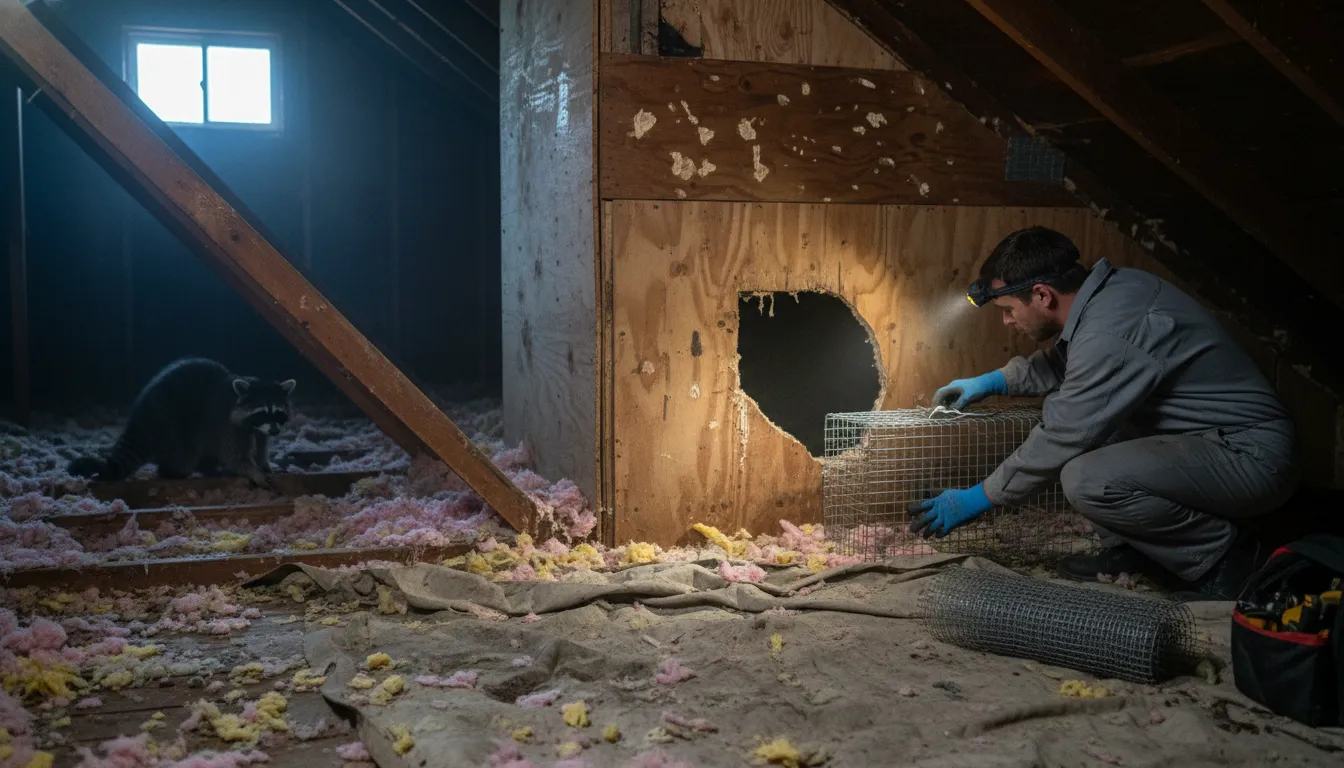
Find the Best Wildlife Removal Companies for Your Business
No obligation • Fast responses • Nationwide coverage

Why you can trust Pest Crews
Pest Crews is a leading U.S. resource for finding and evaluating residential and commercial pest control services. Our team researches providers, reviews treatment approaches, and organizes unbiased information to help you make informed decisions. Companies cannot pay to change our editorial content or influence how they appear.
Search providers near you
Top Wildlife Removal Companies in West Covina, California Ranked
Discovering a wild animal in your attic, under your deck, or rummaging through your trash can be a startling experience. In West Covina, managing wildlife conflicts is a common concern for homeowners, requiring a blend of proactive prevention, an understanding of local regulations, and knowing when to call in a professional. This guide provides essential information on local nuisance animals, effective exclusion techniques, California's legal framework for wildlife control, and how to find qualified help for safe and humane animal removal.
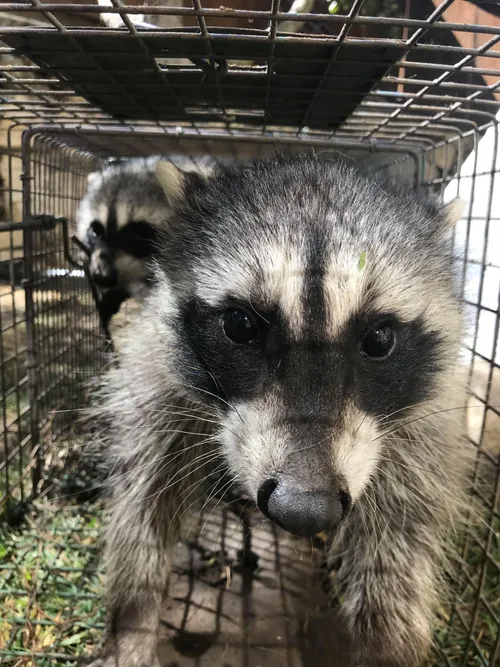
Orchard Inc.
Los Angeles, CA
Orchard Inc. is a pest control company based in Los Angeles, CA, specializing in rodent, bird, and wildlife removal services for both residential and commercial properties. They use humane methods and combine modern techniques with proven approaches to manage infestations while respecting natural ecosystems. Orchard Inc. also offers wildlife fencing as a preventative measure to keep animals off properties. The company serves Los Angeles County and Orange County, handling a wide range of pest control needs with a focus on bird and rodent solutions.
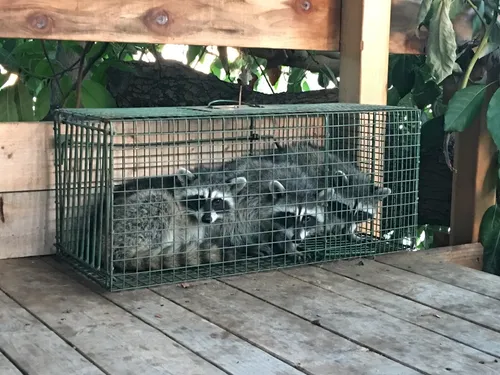
Hawkins Animal Trapping and Removal
Long Beach, CA
Hawkins Animal Trapping and Removal is a family-owned business based in Long Beach, CA, serving Los Angeles and Orange County. Established in 2018 by an industry professional with over 10 years of experience, the company offers wildlife and animal removal services for both homeowners and businesses. Their services include rodent, raccoon, bird, skunk, opossum, and bat removal, as well as attic cleaning and dead animal removal. They handle dead animals found in crawlspaces, attics, lawns, roofs, and driveways, ensuring safe and effective removal.
Aesthetic Wildlife Control
Los Angeles, CA
Aesthetic Wildlife Control provides humane and poison-free wildlife and rodent removal services in Los Angeles, CA. Their certified team offers a wide range of pest control solutions including rat, possum, bat, raccoon, skunk, snake, and dead animal removal, along with attic decontamination and bird proofing for solar panels. They use eco-friendly, non-toxic methods and provide thorough inspections with photo and video documentation to ensure effective exclusion and sanitation. The company is licensed by the California Department of Fish and Wildlife and offers 24/7 emergency animal removal services across Los Angeles and Orange County.
Compass Pest Management
5925 Rickenbacker Ave, Riverside, CA 92504
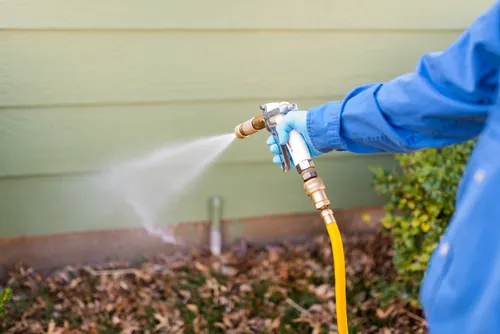
Compass Pest Management is a family-owned pest control company serving Los Angeles, CA, and surrounding areas since 1997. They provide a wide range of pest management services including bed bug treatment, termite inspections and fumigation, rodent exclusion, mosquito reduction, and bee and wasp removal. Their team also handles wildlife removal and commercial pest control, using proven methods and premium pesticides. With over 25 years of experience, Compass Pest Management offers ongoing pest prevention and exclusion services, focusing on practical solutions for homes and businesses. They operate Monday through Saturday and hold multiple licenses and certifications in pest control.
All City Animal Trapping
1321 Alameda St, Wilmington, CA 90744
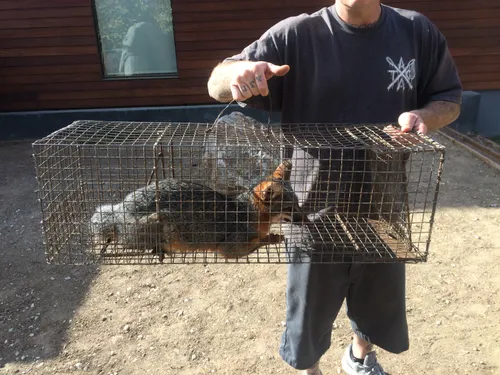
All City Animal Trapping is a wildlife removal company based in Los Angeles, CA. They specialize in humane trapping and removal of nuisance animals such as raccoons, squirrels, bats, and birds. Their services include damage repair, decontamination, and preventive measures to keep homes and businesses wildlife-free. With over 20 years of experience, the company serves residential and commercial customers throughout Los Angeles and surrounding counties. All City Animal Trapping employs licensed and insured professionals who use effective and humane methods for animal control.
Common Wildlife Issues in West Covina
The urban-wildland interface in West Covina brings a variety of mammals and birds into close contact with residential areas. Understanding which species are most likely to cause problems is the first step in effective management.
- Raccoons: These intelligent, dexterous animals are notorious for tearing into attic vents, ripping open trash bags, and creating dens in chimneys or crawl spaces. They can cause significant structural damage and pose health risks through their droppings.
- Squirrels & Roof Rats: Tree squirrels and roof rats are agile climbers often found in attics and wall voids, where they chew on electrical wiring (a fire hazard), insulation, and wooden beams. Their constant gnawing and nocturnal activity can be very disruptive.
- Skunks & Opossums: These nocturnal scavengers are often drawn to pet food left outdoors and unsecured garbage. While generally less destructive to structures, skunks pose a significant odor problem if they take up residence under a shed or porch.
- Bats: Small colonies of bats may roost in attics, eaves, or chimneys. While beneficial for insect control, their guano (droppings) can accumulate, creating odor issues and potential health hazards. Special care and permits are often required for their removal 1.
- Coyotes: As part of the natural ecosystem, coyotes are present throughout the region. The City of West Covina has a specific coyote management plan focused on public education and coexistence, as they are generally managed at the municipal level rather than by private removal services 2.
Effective DIY Prevention and Exclusion
Before wildlife becomes a persistent problem, homeowners can take several practical steps to make their property less attractive to nuisance animals. Prevention is always more effective and less costly than removal 3.
Remove Food, Water, and Shelter Attractants:
- Secure Trash and Compost: Use wildlife-proof trash cans with locking lids. Keep compost bins securely covered and avoid adding meat or dairy products.
- Manage Pet Food and Water: Never leave pet food or water bowls outside overnight.
- Maintain Your Yard: Pick up fallen fruit from trees, clear brush piles, and keep grass trimmed to reduce cover for small animals.
Seal Potential Entry Points:
- Inspect Your Home: Carefully check your roof line, soffits, vents, and foundation for gaps, holes, or loose boards. Remember, a raccoon can fit through a hole the size of a baseball, and a mouse can squeeze through a gap as small as a dime.
- Use the Right Materials: Seal holes with heavy-gauge hardware cloth (1/4-inch mesh is recommended for most rodents), sheet metal, or concrete. Avoid using materials like wood or plastic, which animals can easily chew through.
- Protect Vents and Chimneys: Install chimney caps and sturdy mesh screens over attic, crawl space, and dryer vents.
A Critical Pre-Sealing Check: Before permanently sealing what you believe is the last entry point to an attic or crawl space, it is crucial to ensure no animals are trapped inside. A simple method is to lightly stuff newspaper or loosely ball up a paper bag in the hole. If it is pushed out within 24-48 hours, an animal is still using it. Alternatively, sprinkling a layer of flour at the entrance and checking for tracks can also indicate activity.
Find the perfect wildlife removal companies for your needs
Get personalized recommendations and expert advice
When to Call a Professional Wildlife Control Service
While DIY methods are excellent for prevention, certain situations necessitate the expertise of a professional wildlife removal operator.
- Animals Inside the Living Space: If a raccoon, squirrel, or bat is inside your home, especially in an area like a bedroom or kitchen, professional assistance ensures safe capture and removal.
- Established Infestations in Attics or Walls: Signs include persistent noises (scratching, scurrying), strong odors, or visible damage. Professionals can humanely remove the animals, locate all entry points, and safely clean contaminated areas.
- Handling Protected or Dangerous Species: Certain animals, like bats, may have protected status or require specific handling due to disease risks (e.g., rabies in raccoons, histoplasmosis from bat guano). Professionals have the training and equipment to manage these risks 4.
- Need for Guaranteed Exclusion: A professional will not only remove the current animals but also implement comprehensive, long-term exclusion solutions to prevent re-entry, often backed by a warranty.
Understanding California Wildlife Removal Laws
California has strict regulations governing the trapping and handling of wildlife to ensure humane treatment and ecological responsibility. Both homeowners and professionals must comply.
- Who Can Trap: Generally, non-game mammals that are injuring property may be trapped. However, traps can only be set by the landowner/tenant or an authorized agent (like a licensed pest control or wildlife removal company).
- Relocation Rules: It is a common misconception that animals can be relocated to a forest or park. California law generally requires that a trapped animal be released on the property where it was caught or humanely euthanized. Relocating wildlife to another area is often illegal, as it can spread disease and disrupt existing animal populations 5 6.
- Trap Placement Protections: To protect pets, traps generally cannot be set within 150 yards of a residence without the written consent of the occupant, highlighting the importance of professional assessment for safe, legal trap placement 7.
What to Expect: Services and Costs
Professional wildlife control involves more than just setting a trap. A reputable service will typically follow an integrated process.
- Inspection and Assessment: A thorough inspection of your property to identify the animal species, entry points, and extent of the problem.
- Humane Removal: Using species-appropriate, legal methods to remove the animals.
- Exclusion and Repair: Sealing all identified entry points with durable materials to prevent future intrusions.
- Cleanup and Sanitization: Removing contaminated insulation, droppings, and nesting materials, followed by cleaning and disinfecting the affected area to eliminate odors and health hazards.
Costs in West Covina vary based on the animal, the severity of the infestation, and the required remediation 8 9 10.
- Squirrel or Raccoon Removal: Basic trapping and removal can range from $200 to $800+, depending on the number of animals and accessibility.
- Attic Restoration and Cleanup: For significant infestations where insulation and sanitization are needed (common with raccoons or bats), costs can range from $1,000 to $3,000 or more.
- Exclusion Services: Installing permanent barriers like chimney caps, vent screens, and foundation sealing may be a separate charge or bundled into a comprehensive removal package.
City Resources and Reporting
It's important to know which agency handles different types of animal issues. The City of West Covina contracts with Los Angeles County Animal Care & Control for specific services.
- Domestic/Stray Animals: For issues with stray dogs, cats, or injured domestic pets, contact LA County Animal Care & Control directly.
- Dangerous or Sick Wildlife: If you encounter a coyote acting aggressively, or a wild animal that appears sick or injured (e.g., disoriented, paralyzed, overly aggressive), you should report it to Animal Care & Control. For immediate public safety threats, contact local law enforcement 11.
- General Nuisance Wildlife: For routine problems with raccoons, squirrels, skunks, opossums, or bats on private property, homeowners typically need to contact a licensed private wildlife control company.
Frequently asked questions
Sources
Footnotes
-
West Covina Pest Pros - Wildlife Control in West Covina, CA - https://westcovinapestpros.com/wildlife-control/ ↩
-
City of West Covina Coyote Management Plan - https://www.westcovina.gov/DocumentCenter/View/2016 ↩
-
Living With Wildlife - LA County Animal Care & Control - https://animalcare.lacounty.gov/living-with-wildlife/ ↩
-
West Covina Wildlife Removal - California Animal Pest Control - http://westcovinawildliferemoval.com/ ↩
-
Animal trapping and control - Lacounty - https://file.lacounty.gov/SDSInter/acwm/235835_Trappingrequirementspaper.pdf ↩
-
Living with Wildlife - https://wildlife.ca.gov/Living-with-Wildlife ↩
-
Laws and Regulations - Humane Wildlife Control Inc - https://humanecontrol.com/laws-and-regulations/ ↩
-
West Covina Wildlife Control | All City Animal Trapping - https://allcityanimaltrapping.com/west-covina-wildlife-control/ ↩
-
THE BEST 10 WILDLIFE CONTROL in WEST COVINA, CA - Yelp - https://m.yelp.com/search?cflt=wildlifecontrol&find_loc=West+Covina%2C+CA ↩
-
How Much Does Wildlife Removal Cost? - https://www.bobvila.com/articles/wildlife-removal-cost/ ↩
-
Animal Care & Control Services & Coexisting with Coyotes - https://www.westcovina.gov/329/Animal-Care-Control-Services-Coexisting- ↩