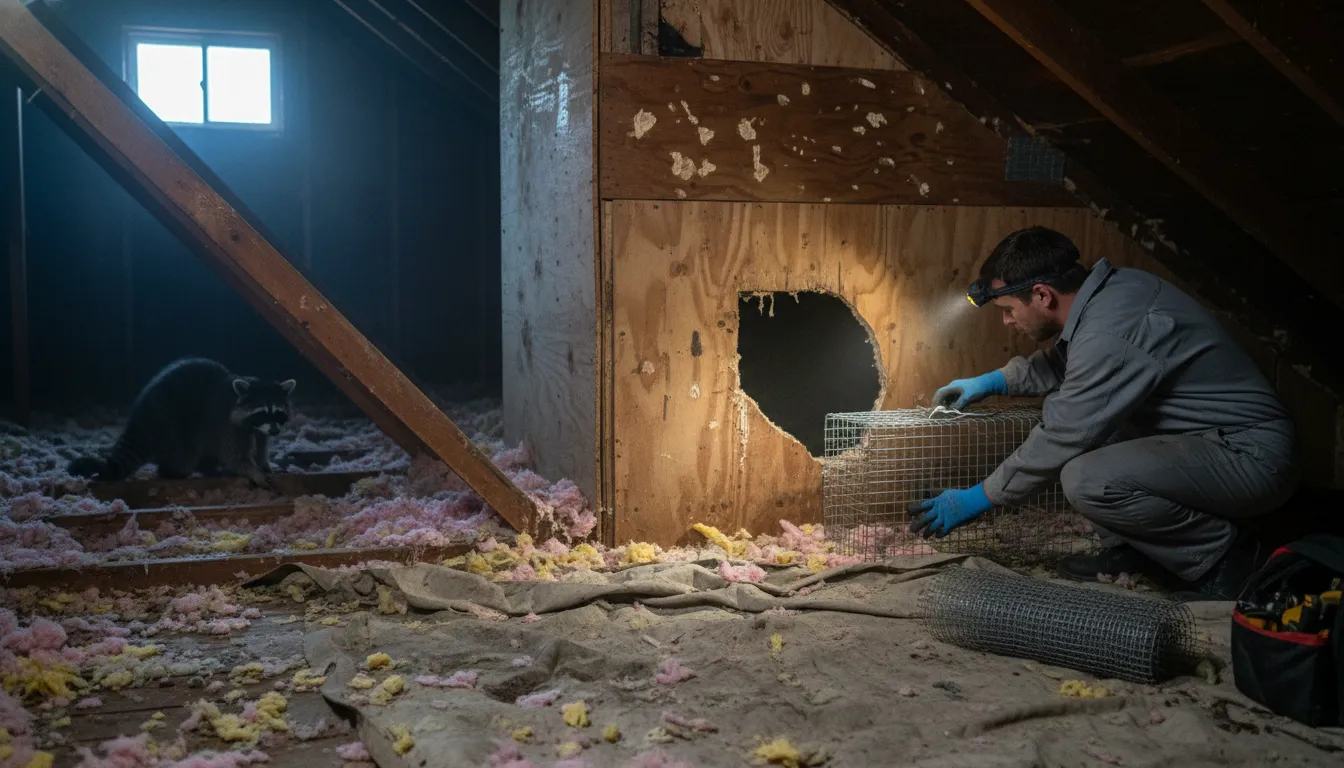
Find the Best Wildlife Removal Companies for Your Business
No obligation • Fast responses • Nationwide coverage
Why you can trust Pest Crews
Pest Crews is a leading U.S. resource for finding and evaluating residential and commercial pest control services. Our team researches providers, reviews treatment approaches, and organizes unbiased information to help you make informed decisions. Companies cannot pay to change our editorial content or influence how they appear.
Search providers near you
Top Wildlife Removal Companies in Cutler Bay, Florida Ranked
Living in beautiful Cutler Bay means sharing your space with Florida's diverse wildlife. While seeing animals in their natural habitat can be a joy, it becomes a problem when raccoons raid your trash, squirrels nest in your attic, or opossums take up residence under your deck. Nuisance wildlife can cause significant property damage, create health hazards, and become a persistent source of stress. This guide is designed to help you understand the common wildlife issues in our area, the legal and humane methods for animal control, and how to connect with experienced local professionals who specialize in resolving these conflicts safely and effectively.
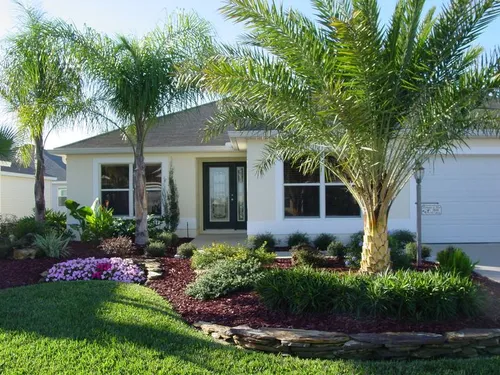
Tower Pest Control Inc
7760 W 20th Ave, Hialeah, FL 33016
Tower Pest Control Inc has been providing eco-friendly pest control services in Miami, FL, and South Florida since 1996. They specialize in treating a wide range of pests including bed bugs, termites, rodents, ants, cockroaches, mosquitoes, bees, and wildlife. Their approach focuses on using non-toxic, environmentally safe products and humane removal techniques to protect homes and businesses while preserving the local ecosystem. With over 25 years of experience, Tower Pest Control offers comprehensive termite inspections and organic pest control solutions tailored to the unique challenges of the Miami area.
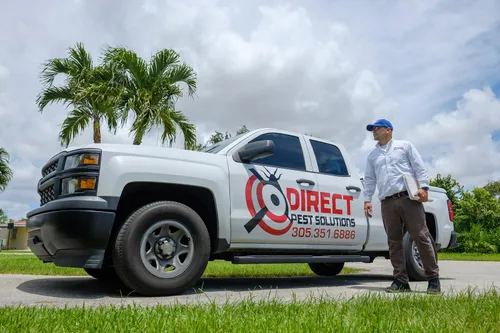
Direct Pest Solutions
15245 SW 31st Ln, Miami, FL 33185
Direct Pest Solutions is a family-owned pest control company serving Miami, FL, and Miami-Dade County. Since 2020, they have provided residential and commercial pest control services, including termite inspections, bed bug heat treatments, rodent removal, mosquito barrier treatments, and wildlife control. Their licensed and insured technicians use Integrated Pest Management techniques and EPA-approved products to deliver safe and effective pest control solutions. The company offers thorough inspections, customized treatment plans, and ongoing monitoring to prevent pest recurrence, backed by a lifetime protection guarantee.
Gables Pest Control
Miami, FL
Gables Pest Control is a family-owned pest control company based in Miami, FL, specializing in a wide range of pest management services. They treat homes and businesses using pet- and child-friendly insecticides for interior and exterior protection, focusing on pests such as ants, bed bugs, cockroaches, fleas, ticks, mosquitoes, rodents, spiders, wasps, and wildlife. The company also offers humane wildlife removal, safely relocating animals like raccoons, squirrels, and opossums. Owner Julio Fernandez brings over five years of experience and local knowledge to the business, ensuring tailored solutions for South Florida's unique pest challenges.
Orkin
12399 SW 131st Ave, Miami, FL 33186
Orkin provides comprehensive pest control services in Miami, FL, addressing a wide range of pests including cockroaches, ants, mosquitoes, rodents, termites, bed bugs, and stinging insects like hornets and wasps. They offer both residential and commercial pest management, using science-backed methods and specialized treatments such as dry foam void filler, liquid barriers, and Sentricon® bait for termite control. With over 120 years of experience, Orkin understands the unique pest challenges posed by Miami's climate and offers year-round, seasonal pest prevention. The company also provides 24/7 availability for urgent pest issues.

PURCOR Pest Solutions
10031 Pines Blvd #226, Pembroke Pines, FL 33024
PURCOR Pest Solutions is a pest control company based in Miami, FL, offering services for homes and businesses. They manage a variety of pests including ants, roaches, rodents, spiders, and termites, and also provide wildlife removal and cleanup after infestations. PURCOR emphasizes environmentally mindful pest control methods and offers termite inspections and information on termite-related concerns. Their licensed professionals focus on controlling and removing pests with minimal disruption to daily life.
Common Nuisance Wildlife in Cutler Bay
South Florida's subtropical climate supports a wide variety of animals that can become problematic for homeowners. Knowing which species you're dealing with is the first step toward a solution.
Mammals: The most frequent offenders include raccoons, squirrels, opossums, and rats or mice. You may also encounter bats roosting in attics or armadillos digging up lawns and gardens 1. Each species requires a different approach for removal and exclusion.
Birds: Non-native nuisance birds, such as certain species of pigeons or starlings, can create messes and damage structures. It's important to note that trapping birds often requires specific permits.
Reptiles: While not always classified as "wildlife removal" in the same sense, encounters with snakes, including non-venomous and potentially venomous species, are common and should be handled by professionals.
Effective Prevention: Your First Line of Defense
The best strategy for wildlife control is to make your property less attractive to animals in the first place. Proactive prevention is safer, more humane, and often more cost-effective than dealing with an active infestation.
- Seal Entry Points: Conduct a thorough inspection of your home's exterior. Look for holes in the foundation, gaps in soffits or roof lines, and broken vent covers. Use sturdy materials like wire mesh (hardware cloth), steel wool for small gaps, and caulk to seal cracks. Remember, a mouse can fit through a hole the size of a dime, and squirrels can chew through weak materials.
- Remove Food and Water Sources: Securely store garbage in cans with tight-fitting, locking lids. Bring pet food and water bowls inside at night. Clean barbecue grills after use and consider using deterrents like cayenne pepper in garden areas 2. For homes with pools, a slow-running hose creating ripples on the surface can deter animals from trying to drink or enter the water 3.
- Modify Habitat: Trim tree branches back at least 6-8 feet from your roofline to prevent easy access for squirrels and raccoons. Keep woodpiles and dense shrubbery away from the house foundation. Install chimney caps and vent covers designed to resist animal entry.
Understanding Florida's Wildlife Regulations
The Florida Fish and Wildlife Conservation Commission (FWC) sets the rules for dealing with nuisance wildlife. These regulations are designed to protect both people and animals, and failing to follow them can result in fines.
Trapping Rules: Live cage traps and snares are generally allowed for certain species, but they must be checked at least every 24 hours 4. The use of steel leg-hold traps, firearms, or lights for taking nocturnal animals like raccoons and opossums requires a specific nuisance wildlife permit from the FWC 5.
The Critical Rule on Relocation: This is one of the most important regulations for homeowners to understand. If you live-trap a native animal, you have only two legal options:
- Release it on your own property immediately.
- Euthanize it humanely within 24 hours of capture.
You cannot legally trap an animal in Cutler Bay and drive it to a park or forest to release it 6. Relocation is prohibited because it often spreads disease, disrupts established animal communities, and typically results in a slow death for the relocated animal as it struggles to find food and shelter in unfamiliar territory. The FWC mandates that any release site must be within the same county, on a property of at least 40 contiguous acres, and you must have the written permission of the landowner 6. An exception exists for bobcats, which must always be released and never euthanized.
Prohibited Methods: It is illegal to use poison to control most native wildlife. It is also strictly forbidden to trap or harm any state or federally protected endangered or threatened species 7.
Find the perfect wildlife removal companies for your needs
Get personalized recommendations and expert advice
When and How to Call for Professional Help
While some minor issues can be handled with diligent prevention, there are many situations where calling a professional wildlife removal service is the wisest, safest, and most legally compliant choice.
You should consider professional assistance when:
- You hear persistent noises (scratching, scurrying, thumping) in walls, attics, or crawl spaces, especially at night or dawn/dusk.
- You find signs of animal entry, nesting materials, or droppings inside your home.
- You are dealing with potentially dangerous animals like bats (which can carry rabies), venomous snakes, or a mother with young 8 9.
- The animal is already inside the living areas of your home.
- You are uncomfortable setting traps, handling wildlife, or navigating FWC regulations.
- Previous DIY attempts have failed.
What Professionals Do: A qualified wildlife removal expert will not just remove the animal. They perform a comprehensive service:
- Inspection: Identify the species, entry points, and extent of the problem.
- Humane Removal: Use appropriate, legal methods to remove the animals.
- Exclusion: Seal all entry points with professional-grade materials to prevent re-entry.
- Clean-up & Sanitation: Safely remove contaminated insulation, nesting materials, and droppings, and apply disinfectants to mitigate health risks 10.
- Repair: Fix damage caused by the animals, such as chewed wires, torn ductwork, or damaged siding.
For issues like a dead animal on public property or a road, you should contact Miami-Dade County Public Works for removal.
Understanding Costs and Choosing a Service
The cost of professional animal removal in Cutler Bay is not fixed; it varies based on several factors 11. The species involved (removing a colony of bats is more complex than a single opossum), the location of the animal (an attic vs. a crawl space), and the extent of damage all influence the price. Emergency or after-hours services will typically cost more than scheduled appointments.
When evaluating local providers, look for companies that:
- Are licensed and insured for wildlife control.
- Offer clear, written inspections and estimates.
- Emphasize humane removal methods and full exclusion services (not just trapping).
- Can explain FWC regulations and ensure compliance.
- Have positive, verifiable reviews from local customers.
Always check the official FWC website (MyFWC.com) for the most current regulations before taking any action, as rules can be updated 12 13.
Frequently asked questions
Sources
Footnotes
-
Nuisance Wildlife - Solutions for Your Life - UF/IFAS Extension - https://sfyl.ifas.ufl.edu/natural-resources/nuisance-wildlife/ ↩
-
Bylaw - FWC - https://myfwc.com/wildlifehabitats/wildlife/bear/living/community-group/bylaw/ ↩
-
Resources Nuisance Wildlife - Broward County - https://www.broward.org/Animal/Resources/pages/nuisancewildlife.aspx ↩
-
Nuisance Wildlife Removal - Turner Pest Control - https://www.turnerpest.com/nuisance-wildlife-removal/ ↩
-
Nuisance Wildlife Permits - FWC - https://myfwc.com/license/wildlife/nuisance-wildlife-permits/ ↩
-
Relocating Wildlife - FWC - https://myfwc.com/conservation/you-conserve/wildlife/relocate/ ↩ ↩2
-
Removing Nuisance Wildlife | FWC - https://myfwc.com/conservation/you-conserve/wildlife/remove/ ↩
-
When Should You Call For Professional Wildlife Removal? - FL Pests - https://www.mccallservice.com/blog/when-should-you-call-for-professional-wildlife-removal/ ↩
-
Removing Nuisance Wildlife: Protecting Your Property | Gato Guard - https://gatoguard.com/removing-nuisance-wildlife/ ↩
-
Wildlife Removal | Animal Damage Repair | Cutler Bay, FL - https://aallanimalcontrol.com/southflorida/miami/cutler-bay/ ↩
-
Cutler Bay, FL Animal Removal & Pest Control Services - https://www.animalrangers.com/cutler_bay_FL.html ↩
-
FAQs: Nuisance Wildlife | FWC - https://myfwc.com/conservation/you-conserve/wildlife/faqs/ ↩
-
Living with Wildlife and Preventing Wildlife Conflicts - FWC - https://myfwc.com/conservation/you-conserve/wildlife/ ↩