Find the Best Wildlife Removal Companies for Your Business
No obligation • Fast responses • Nationwide coverage
Why you can trust Pest Crews
Pest Crews is a leading U.S. resource for finding and evaluating residential and commercial pest control services. Our team researches providers, reviews treatment approaches, and organizes unbiased information to help you make informed decisions. Companies cannot pay to change our editorial content or influence how they appear.
Search providers near you
Top Wildlife Removal Companies in Daytona Beach, Florida Ranked
Living in Daytona Beach means sharing your slice of paradise with a vibrant array of native animals. While this biodiversity is part of Florida's charm, it can lead to conflicts when raccoons raid your trash, armadillos dig up your lawn, or bats decide your attic is the perfect nursery. Professional wildlife removal and animal control services are essential for resolving these conflicts safely, humanely, and in compliance with Florida's strict wildlife laws. This guide will help you understand the common nuisance species in the area, effective prevention strategies, when to call a professional, and how to navigate the regulations that protect both you and Florida's native fauna.
Common Nuisance Wildlife in Daytona Beach
The warm climate and diverse habitats around Daytona Beach support a wide range of wildlife that can become problematic for homeowners. Knowing what you're dealing with is the first step toward a solution.
Mammals
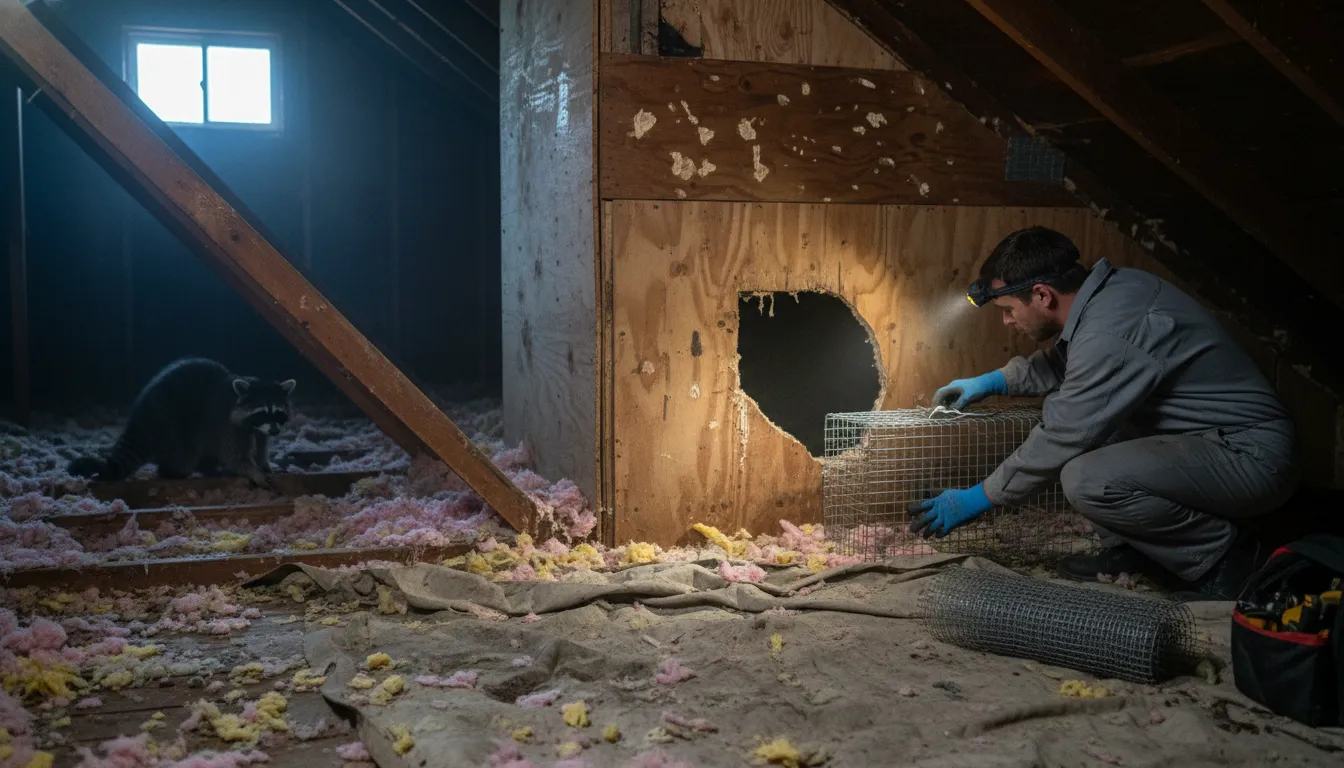
- Raccoons: Intelligent and dexterous, these masked bandits are notorious for tipping over trash cans and can tear through roof vents to access attics in search of shelter.
- Armadillos: These digging machines can quickly turn a manicured lawn into a pockmarked landscape as they search for grubs and insects. Specialized exclusion techniques are often needed.
- Rodents: Roof rats and house mice are common invaders, seeking food and nesting materials inside walls and attics, and can cause significant property damage and health risks.
- Bats: Several species of bats, which are protected under Florida law, may colonize attics or soffits. Their removal is highly regulated, especially during the maternity season from April 15 to August 15. 1
- Squirrels & Opossums: Squirrels can chew electrical wiring, while opossums may take up residence under decks or sheds.
Birds
- Non-native Species: Pigeons, house sparrows, and European starlings are not protected and can be managed if they are causing damage or health concerns with their droppings.
- Native Birds: All native bird species, including woodpeckers and songbirds, are protected by federal law. Preventing access to potential nesting sites is key, as removal often requires special permits.
Reptiles
- Snakes: While most snakes in the area are non-venomous and beneficial for rodent control, their presence can be alarming. Removal may be necessary when they enter garages, pool enclosures, or homes.
Effective Prevention and Exclusion Strategies
The most cost-effective form of wildlife control is making your property less attractive and accessible to animals. Proactive measures can prevent most conflicts before they start.
Remove Food and Water Sources Wildlife is primarily drawn to reliable food and water. Secure your trash in wildlife-resistant containers kept in a shed or garage if possible. Never leave pet food or water bowls outside overnight, and clean up fallen fruit from trees. Ensure barbecue grills are cleaned and covered.
Seal Entry Points Conduct regular inspections of your home's exterior. Look for loose roof vents, gaps in soffits, holes in siding, or spaces around utility line entries. Use sturdy materials like hardware cloth, steel wool (for rodents), or foam sealant to block these potential entrances. Remember, a gap as small as a quarter can admit a mouse, and a hole the size of a baseball can admit a rat. 2
Landscape and Structural Modifications For diggers like armadillos, installing a slanted fence that extends 12-18 inches underground can be an effective barrier. 3 Keep tree branches trimmed back at least 6-8 feet from your roofline to discourage squirrels and raccoons from accessing your roof.
Understanding Florida's Wildlife Regulations
Attempting to handle a wildlife problem without understanding the rules can lead to legal trouble. The Florida Fish and Wildlife Conservation Commission (FWC) sets the regulations for dealing with nuisance wildlife.
Key Rules for Homeowners:
- Protected Species: It is illegal to harm, capture, or kill protected native species, including all bats and native birds, without specific permits from the FWC. 4
- Trapping: If you use a live trap, you must check it at least once every 24 hours. Animals cannot be relocated and released on another property without written permission from the landowner; otherwise, they must be released on your own property or humanely euthanized.
- Prohibited Methods: The use of poisons for most wildlife is illegal and inhumane. Using firearms or lights at night for taking wildlife generally requires a permit. 5
These regulations are in place to prevent the spread of disease, protect native ecosystems, and ensure animals are treated humanely. This complexity is a primary reason many residents choose to hire a licensed professional.
Find the perfect wildlife removal companies for your needs
Get personalized recommendations and expert advice
When to Call a Professional Wildlife Control Operator
While some minor prevention can be a DIY project, certain situations require the expertise of a licensed wildlife removal specialist or nuisance wildlife control operator.
Call a Pro If You Have:
- A protected species like bats or a native bird nesting in your structure.
- An active infestation inside your home, such as noises in the attic or walls, which indicates animals may be living and breeding there.
- Signs of significant damage like chewed wires, torn insulation, or ductwork, which pose fire and safety risks.
- Repeated problems after attempting DIY exclusion.
- Concerns about safety when dealing with larger animals, potential rabies vectors (like raccoons), or venomous snakes.
What Professional Service Includes: A comprehensive wildlife control service is more than just trapping. It follows an integrated process:
- Inspection: A thorough assessment to identify the species, entry points, and extent of the problem.
- Humane Removal: Using appropriate, legal methods to remove the animals.
- Exclusion & Repair: Sealing all entry points with durable materials to prevent re-entry.
- Cleanup & Restoration: Deodorizing and sanitizing affected areas, and repairing damage like torn insulation.
- Prevention Advice: Providing recommendations for long-term property modifications.
Who to Call (And Who Not to Call):
- Licensed Wildlife Trappers or Nuisance Wildlife Control Operators (NWCOs): These are the primary professionals for resolving conflicts with wild animals on private property. They are registered with the FWC.
- Local Animal Control (Volusia County): Typically, animal control agencies handle issues with domestic animals like stray dogs and cats, and cases of animal cruelty or neglect. They generally do not respond to nuisance wildlife calls.
- The FWC: You can contact the FWC for guidance on regulations and to find a licensed trapper in your area, but they do not provide direct removal services for private property issues. 6
Understanding Service Costs in Daytona Beach
The cost for wildlife abatement services in Daytona Beach varies based on the animal, the severity of the infestation, and the work required. Most reputable companies provide free inspections and detailed quotes.
- Basic Removal Service: For a single animal that has entered a living space (like a snake in the garage or a raccoon on the porch), you might expect costs in the range of $200 to $500. This typically covers the inspection, removal, and minor exclusion advice. 7 8
- Full Infestation & Exclusion: For removing a colony of animals from an attic, sealing all entry points, and performing cleanup/deodorization, costs can range from $500 to $2,000 or more. 9 10 Bats and raccoons often fall on the higher end due to the complexity of removal, potential need for permits, and the extensive damage they can cause.
- Ongoing Prevention Plans: Some companies offer maintenance plans for periodic inspections and minor exclusion repairs, which can be a worthwhile investment for properties prone to wildlife issues.
Always ensure you get a detailed written estimate that breaks down the costs for inspection, removal, exclusion materials, repairs, and any necessary permits.
Choosing a Responsible Wildlife Control Company
Selecting the right provider is crucial for a safe, effective, and legal resolution.
- Verify Licensing: Ask for their FWC Nuisance Wildlife Control Operator registration number. 11 12
- Ask About Methods: A responsible company will emphasize humane removal, permanent exclusion, and prevention over simple trapping.
- Check for Insurance: Ensure they carry liability insurance to cover any accidental damage to your property.
- Get a Detailed Contract: The contract should clearly state the work to be done, the warranty period on exclusion work, and the total cost.
- Look for Local Experience: Companies familiar with Daytona Beach's specific wildlife and building styles (e.g., concrete block construction, tile roofs) will be more effective.
Frequently asked questions
Sources
Footnotes
-
Nuisance Wildlife Removal - Turner Pest Control - https://www.turnerpest.com/nuisance-wildlife-removal/ ↩
-
Nuisance Wildlife - Solutions for Your Life - UF/IFAS Extension - https://sfyl.ifas.ufl.edu/natural-resources/nuisance-wildlife/ ↩
-
Overview of How to Stop Damage Caused by Nuisance Wildlife in ... - https://edis.ifas.ufl.edu/publication/UW368 ↩
-
Protected Wildlife Species in Florida - https://www.flapest.com/protected-wildlife-species-florida/ ↩
-
Bylaw - FWC - https://myfwc.com/wildlifehabitats/wildlife/bear/living/community-group/bylaw/ ↩
-
FAQs: Nuisance Wildlife | FWC - https://myfwc.com/conservation/you-conserve/wildlife/faqs/ ↩
-
Daytona Beach Wildlife Removal, Pest Animal Control FL - http://www.wildlife-removal.com/city/FL-Daytona-Beach.htm ↩
-
Daytona Beach Wild Animal Removal (386) 788-0836 - Florida ACM - https://animalcontrolmanagement.com/acm-nearby-2/?city=Daytona+Beach ↩
-
Critter Control of Daytona Beach - https://www.crittercontrol.com/office-finder/florida/daytona-beach/ ↩
-
Wildlife Control | Inspection to Prevention | Daytona Beach - https://www.crittercontrolofdaytonabeach.com/residential/wildlife-damage-control.html ↩
-
Nuisance Wildlife Control Operator Registration - FWC - https://myfwc.com/license/wildlife/nuisance-wildlife-permits/trapper-registration/ ↩
-
Nuisance Wildlife Permits - FWC - https://myfwc.com/license/wildlife/nuisance-wildlife-permits/ ↩