Find the Best Wildlife Removal Companies for Your Business
No obligation • Fast responses • Nationwide coverage

Why you can trust Pest Crews
Pest Crews is a leading U.S. resource for finding and evaluating residential and commercial pest control services. Our team researches providers, reviews treatment approaches, and organizes unbiased information to help you make informed decisions. Companies cannot pay to change our editorial content or influence how they appear.
Search providers near you
Top Wildlife Removal Companies in Deltona, Florida Ranked
Living in Deltona means sharing your beautiful slice of Central Florida with a diverse array of native and non-native wildlife. While this biodiversity is part of the region's charm, it can lead to conflicts when animals like raccoons, armadillos, or even alligators become a nuisance on your property. Understanding your options for humane and legal wildlife control is essential for protecting your home, family, and pets. This guide explains the common nuisance species in Deltona, outlines the regulations set by the Florida Fish and Wildlife Conservation Commission (FWC), and provides a clear path for finding qualified local professionals to resolve your animal issues effectively.
Custom Pest Solutions Inc
2200 N Forsyth Rd K-09, Orlando, FL 32807
Custom Pest Solutions Inc is a pest control and wildlife removal company based in Orlando, FL. They provide customized pest and animal control services tailored to the unique environments of homes and businesses in Central Florida. Their approach emphasizes green pest control methods that are environmentally responsible and safe for families, pets, and employees. The company uses integrated pest management strategies, including preventative measures and habitat modification, to manage pests sustainably while protecting the comfort and security of their clients' properties.

RH Miller Pest Services, Inc
137 Concord Dr STE 1101, Casselberry, FL 32707
RH Miller Pest Services, Inc is a pest control company based in Orlando, FL, serving both residential and commercial clients. They provide a range of services including rodent control, termite inspections, wildlife removal, and lawn application treatments. The company offers Integrated Pest Management (IPM) and rodent exclusion as part of their capabilities. Appointments are typically available Monday through Friday during regular business hours.
Florida Wildlife Solutions
Orlando, FL
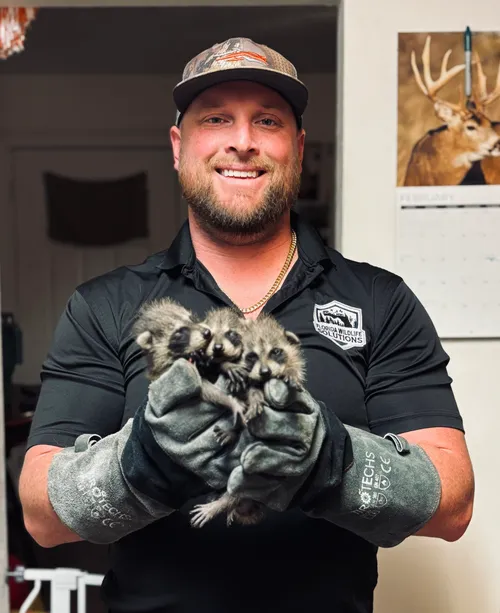
Florida Wildlife Solutions is a wildlife removal company based in Orlando, FL. They provide humane wildlife removal services that include safe animal relocation, cleanup of hazardous materials, and property repairs to prevent future infestations. Their approach focuses on protecting both the property and the local wildlife while addressing health risks associated with unwanted animals. The company emphasizes humane methods and thorough cleanup to restore and secure homes.
McCall Pest & Wildlife - Orlando
5892 S Semoran Blvd Building B, Orlando, FL 32822
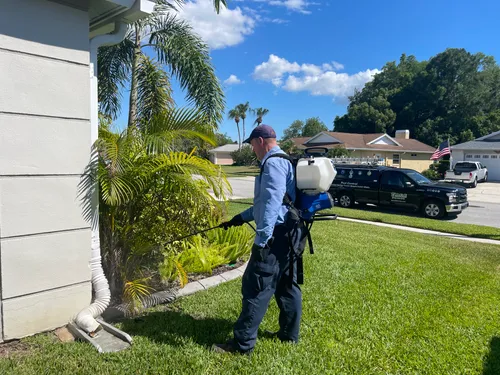
McCall Pest & Wildlife - Orlando provides pest control services in Orlando, FL, addressing common pests such as cockroaches, ants, rodents, termites, mosquitoes, and wildlife. With over 80 years of experience, the company offers both residential and commercial pest management solutions, including termite inspections and mosquito control. Their QualityPro-certified technicians use Integrated Pest Management plans tailored to each client's needs to manage and prevent pest issues effectively.
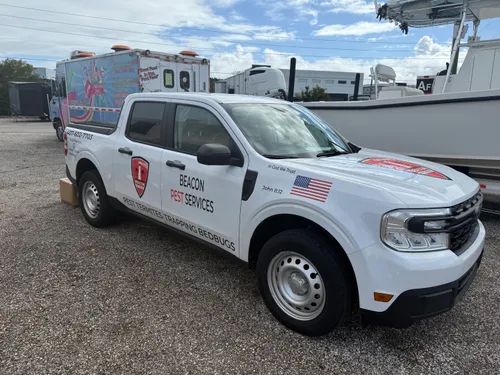
Beacon Pest Services
333 S Garland Ave Floor 13, Orlando, FL 32801
Beacon Pest Services is a pest control company based in Orlando, FL, serving the Central Florida area since 2012. They specialize in residential and commercial pest control, including termite control, wildlife trapping, mosquito control, and ant and rodent extermination. The company uses eco-friendly Integrated Pest Management (IPM) techniques that focus on prevention, monitoring, and targeted treatments to protect people, pets, and the environment. Beacon Pest Services offers customized maintenance plans and same-day scheduling when possible to address pest issues promptly.
Common Nuisance Wildlife in Deltona
The suburban landscape of Deltona, with its mix of homes, wooded areas, and proximity to water, creates ideal habitats for many species. Knowing which animals are most likely to cause problems is the first step in managing them.
- Raccoons, Opossums, & Skunks: These nocturnal mammals are frequent visitors, attracted by unsecured garbage, pet food, and accessible attics or crawl spaces. Raccoons are particularly clever and can cause significant damage while seeking shelter.
- Armadillos & Wild Hogs: Armadillos are notorious for their digging, which can ruin lawns and gardens overnight as they search for insects. Feral pigs (wild hogs) are a growing concern, causing extensive landscape damage and posing a potential safety risk 1.
- Coyotes: Once rare, coyotes are now established throughout Florida. They may prey on small pets and can be attracted by food sources left outdoors 2.
- Rodents: Rats and mice seek shelter in homes, especially during cooler months, contaminating food and gnawing on wires, which creates a fire hazard.
- Reptiles: Non-venomous and venomous snakes can be encountered. For alligators, the FWC has a specific rule: any gator over four feet long that is believed to pose a threat is considered a nuisance 3.
- Birds: Non-native species like House Sparrows, European Starlings, pigeons, and Muscovy ducks are common. It's important to note that all native bird species are protected by federal law 4.
Florida Wildlife Regulations: What Homeowners Can and Cannot Do
In Deltona, nuisance wildlife removal is governed by Florida state law, primarily enforced by the FWC, as there are no overriding municipal ordinances on this matter 5. This framework balances property rights with wildlife conservation.
What You Are Generally Allowed to Do:
- Preventative Measures: You are encouraged to take proactive steps like securing trash cans with locking lids, removing pet food from outdoors, and sealing potential entry points to your home's exterior.
- Live Trapping on Your Property: Property owners can use live traps or snares to capture nuisance animals causing damage. Traps must be checked at least once every 24 hours.
- Dispatch Certain Species: For specific animals like wild hogs or armadillos causing damage, you may euthanize them. However, local ordinances on firearm discharge in residential areas must be strictly observed 6.
Critical Legal Restrictions:
- Relocation is Largely Illegal: This is a key point many residents misunderstand. It is generally illegal to trap and relocate a native animal off your property without specific FWC permission. Relocated animals often die from stress or conflict, and they can spread disease.
- Humane Disposition Required: If you live-trap a native animal, the legal options are to release it on the same property where it was caught or to humanely euthanize it. For non-native species, relocation is not permitted except for the purpose of euthanasia 7 8.
- Protected Species: You cannot harm or harass protected native birds, bats, or other specially regulated species without a permit.
When and How to Seek Professional Wildlife Control Help
For many situations, especially those involving larger animals, potential health risks, or animals inside a structure, hiring a professional is the safest and most effective solution.
1. For Alligator Threats: Call FWC Directly. If you see an alligator you believe is a threat (typically over 4 feet long and in a populated area), do not approach it. Contact the FWC's Statewide Nuisance Alligator Program (SNAP) hotline at 866-FWC-GATOR (866-392-4286). A contracted trapper will be dispatched to assess and remove the animal if necessary 9.
2. For Domestic Animal Issues: Contact Local Animal Services. Deltona Animal Control, operated by Volusia County Animal Services, handles issues with domestic animals like stray dogs, animal bites, and cruelty cases. They can also provide traps for community cats. They typically do not handle wild animal removal 10 11.
3. For Most Other Wildlife: Hire a Registered Nuisance Wildlife Control Operator (NWCO). This is the recommended path for dealing with raccoons in the attic, armadillos in the yard, bats in the chimney, or snakes under the deck. NWCOs are private professionals registered with the FWC. They have the expertise, equipment, and understanding of regulations to resolve your issue legally and humanely.
Find the perfect wildlife removal companies for your needs
Get personalized recommendations and expert advice
What to Expect from a Professional Wildlife Removal Service
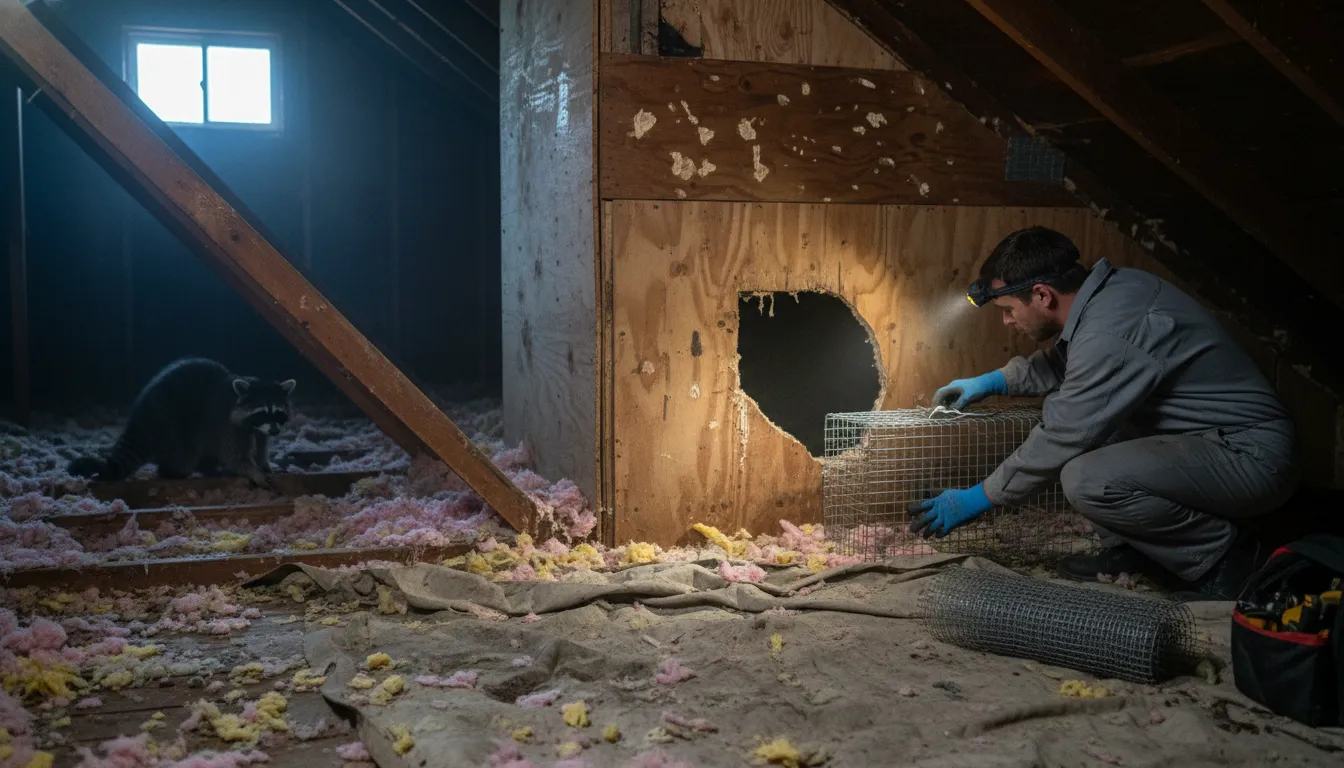
A reputable NWCO will provide a comprehensive service that goes beyond simply trapping an animal. Here's what a thorough process looks like:
- Inspection and Assessment: The professional will inspect your property to identify the animal species, locate entry points, and assess the extent of the damage or infestation.
- Humane Removal: Using species-appropriate methods, they will remove the nuisance animals in compliance with FWC regulations.
- Exclusion and Repair: This is the most critical step for a permanent solution. The professional will seal all entry points with durable materials (like steel mesh or hardware cloth) to prevent re-entry. They may also recommend habitat modifications, like trimming tree branches away from the roof.
- Cleanup and Sanitation: If animals were living in an attic or crawl space, they leave behind droppings, urine, and nesting materials that can pose health risks and attract insects. Professional cleanup and decontamination are often necessary.
- Prevention Advice: A good operator will provide guidance on long-term prevention, such as securing food sources and maintaining your property to make it less attractive to wildlife 12.
Understanding the Cost of Wildlife Control
The cost for professional animal removal in Deltona is not fixed and can vary based on several factors. It's wise to get detailed quotes from multiple FWC-registered NWCOs, as the agency does not regulate their fees 13 14.
Key factors influencing price include:
- Type of Animal: Removal of a colony of bats or a family of raccons is typically more involved and costly than removing a single opossum.
- Location and Accessibility: An animal in a hard-to-reach attic space or inside a wall void requires more time and specialized equipment.
- Extent of Damage: The cost of necessary repairs (exclusion work, insulation replacement, duct repair) will be added to the removal fee.
- Number of Visits: Some situations may require multiple visits for trapping and monitoring.
Costs are usually broken down into a fee for the initial inspection, a charge for the trapping/removal service (which may be per animal or a flat project rate), and separate estimates for exclusion repairs and sanitization 15 16. Always ask for a clear, written estimate that details all anticipated services.
Finding a Qualified Wildlife Removal Professional in Deltona
The most reliable resource is the FWC's official Nuisance Wildlife Control Operator Directory. This ensures the professional you contact is registered with the state and understands current wildlife laws 17. When interviewing potential NWCOs, consider asking:
- "Are you registered with the FWC as an NWCO?"
- "Can you provide a detailed written estimate that includes inspection, removal, exclusion, and cleanup?"
- "What is your specific plan for the animals you remove, and how do you comply with FWC regulations?"
- "Do you offer any warranties or guarantees on your exclusion work?"
Taking the time to find a knowledgeable and ethical professional is the best way to solve your wildlife problem responsibly and ensure it doesn't happen again.
Frequently asked questions
Sources
Footnotes
-
Nuisance Wildlife - Solutions for Your Life - UF/IFAS Extension - https://sfyl.ifas.ufl.edu/natural-resources/nuisance-wildlife/ ↩
-
Nuisance Wildlife | Sumter County, FL - Official Website - https://www.sumtercountyfl.gov/1180/Nuisance-Wildlife ↩
-
Resources Nuisance Wildlife - Broward County - https://www.broward.org/Animal/Resources/pages/nuisancewildlife.aspx ↩
-
Overview of How to Stop Damage Caused by Nuisance ... - https://edis.ifas.ufl.edu/publication/UW368 ↩
-
What To Do About Scavenging Raccoons? - https://www.escalontimes.com/sports/what-do-about-scavenging-raccoons/ ↩
-
Bylaw - FWC - https://myfwc.com/wildlifehabitats/wildlife/bear/living/community-group/bylaw/ ↩
-
Nuisance Wildlife Permits - FWC - https://myfwc.com/license/wildlife/nuisance-wildlife-permits/ ↩
-
Relocating Wildlife - FWC - https://myfwc.com/conservation/you-conserve/wildlife/relocate/ ↩
-
Statewide Nuisance Alligator Program - FWC - https://myfwc.com/wildlifehabitats/wildlife/alligator/snap/ ↩
-
Animal Control | Deltona, FL - https://www.deltonafl.gov/168/Animal-Control ↩
-
Volusia County Animal Services - https://www.volusia.org/core/fileparse.php/4404/urlt/Complaint-Q-and-A.pdf ↩
-
Living with Wildlife and Preventing Wildlife Conflicts | FWC - https://myfwc.com/conservation/you-conserve/wildlife/ ↩
-
FAQs: Nuisance Wildlife - FWC - https://myfwc.com/conservation/you-conserve/wildlife/faqs/ ↩
-
Wildlife Removal Services from Turner Pest Control Wildlife Experts - https://www.turnerpest.com/pest-control/wildlife-removal/ ↩
-
Animal Control, Trapping & Removal | LA County | Versa-Tech® - https://versatechpm.com/services/live-animal-trapping/ ↩
-
Felix Wildlife Services: State College Wildlife Removal - https://www.felixwildlifeservices.com/ ↩
-
Nuisance Wildlife Control Operator Registration - FWC - https://myfwc.com/license/wildlife/nuisance-wildlife-permits/trapper-registration/ ↩