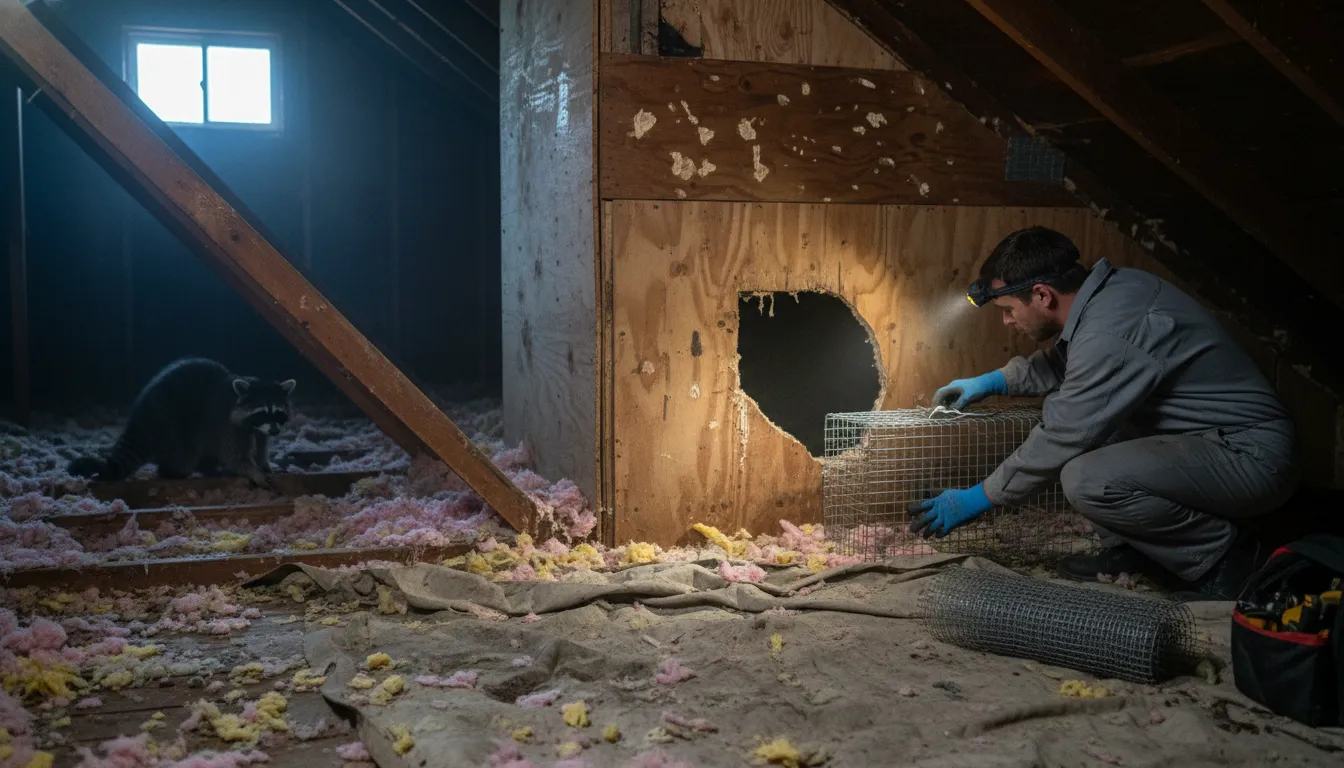
Find the Best Wildlife Removal Companies for Your Business
No obligation • Fast responses • Nationwide coverage

Why you can trust Pest Crews
Pest Crews is a leading U.S. resource for finding and evaluating residential and commercial pest control services. Our team researches providers, reviews treatment approaches, and organizes unbiased information to help you make informed decisions. Companies cannot pay to change our editorial content or influence how they appear.
Search providers near you
Top Wildlife Removal Companies in Fort Myers, Florida Ranked
Living in Southwest Florida means sharing our beautiful environment with a diverse array of native animals. However, when raccoons raid your attic, armadillos dig up your lawn, or a snake takes up residence in your garage, these wild neighbors become a nuisance. Wildlife removal in Fort Myers is the specialized service of safely and legally resolving conflicts with animals that have encroached on your property. It's a critical service for protecting your home's structure, ensuring your family's safety, and humanely managing local wildlife populations. This guide will help you understand common issues, Florida's specific regulations, and how to find qualified local professionals to handle your situation.
Conserv Pest & Wildlife Removal
Cape Coral, FL
Conserv Pest & Wildlife Removal has been serving Cape Coral, FL, and surrounding areas since 1996. They offer pest control and nuisance wildlife removal services, including rodent control, bee and wasp removal, bird and pigeon control, and wild hog removal. Their team includes certified pest control operators, wildlife biologists, and trained technicians equipped to handle a variety of pest and wildlife issues. Conserv provides specialized services such as rat dropping cleanup and prevention of damage caused by nuisance animals.
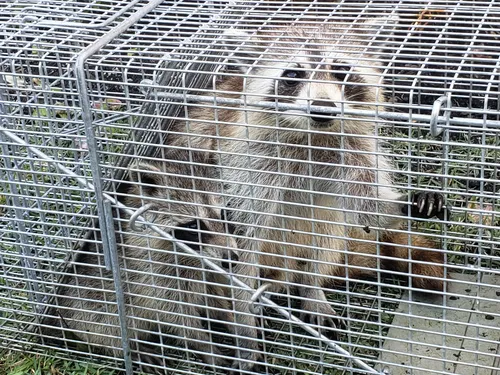
Roy's Wildlife And Pest Control
Cape Coral, FL
Roy's Wildlife And Pest Control provides pest, termite, and wildlife control services in Cape Coral, FL, and surrounding areas including Fort Myers and Bonita Springs. With over a decade of experience, the company uses kid-safe, pet-safe, and eco-friendly products to ensure effective and safe pest management. Their services cover a range of pest and wildlife issues, focusing on both residential and commercial needs. Roy's is known for its dedication to safe and thorough pest control solutions and offers service any time of the day or night.
Terminix
13891 Jetport Loop #19, Fort Myers, FL 33913
Terminix provides pest control services in Cape Coral, FL, addressing a wide range of pests including ants, bed bugs, termites, rodents, and wildlife. The company offers termite inspections and treatments, rodent prevention, and bee and wasp removal, backed by a nationwide network of expertise. Their local technicians understand the seasonal pest challenges in the area and customize plans to protect homes from infestations.
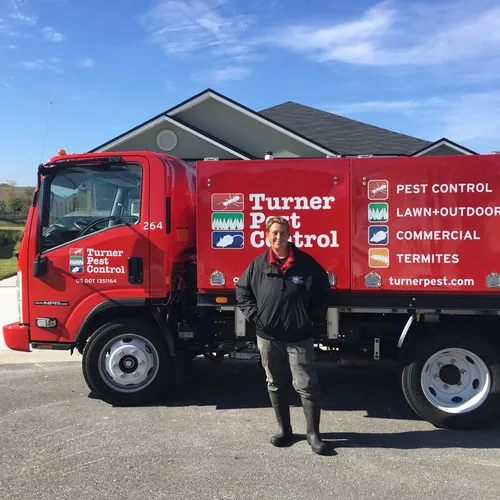
Turner Pest Control
12271 Towne Lake Dr, Fort Myers, FL 33913
Turner Pest Control serves Cape Coral, FL, offering a wide range of pest management solutions for residential and commercial properties. Their services include bed bug treatment, cockroach and ant control, rodent and termite management, mosquito control, bee and wasp removal, wildlife removal, and lawn and outdoor pest services. The company provides comprehensive indoor and outdoor pest protection, with specialized termite treatments such as Termidor, Premise, and eco-friendly Altriset options. Turner Pest Control has decades of experience serving the Fort Myers and Lee County area, tailoring treatments to local pest challenges and environmental conditions. They also emphasize eco-friendly pest control solutions that are safe for families and pets.
Paske Pest Control & Wildlife Solutions
1409 Ceitus Terrace Unit 6, Cape Coral, FL 33991
Paske Pest Control & Wildlife Solutions is a veteran-owned pest control company serving Cape Coral, FL. They provide a range of services including bed bug treatment, termite inspection and control, mosquito management, ant and cockroach extermination, and wildlife removal. The company offers same-day and emergency services, using safe products suitable for homes with children and pets. Their termite solutions focus on both eliminating existing colonies and preventing future infestations. Paske Pest Control also offers ongoing property care plans that include pest control, lawn care, and wildlife management tailored to local needs.
Common Nuisance Wildlife in Fort Myers
The subtropical climate and varied habitats around Fort Myers support numerous species that can occasionally come into conflict with residents. Knowing what you might be dealing with is the first step.
Mammals:
- Raccoons: Intelligent and dexterous, these masked bandits are notorious for tearing into attic vents, ripping up insulation, and raiding trash cans. They can carry diseases like rabies and roundworm.
- Rodents: This includes roof rats, Norway rats, and palm rats, which can chew wires, contaminate food, and nest in walls. Squirrels can also cause similar damage in attics.
- Armadillos: These digging machines can quickly turn a manicured lawn into a pockmarked landscape as they search for grubs and insects.
- Opossums: While they eat ticks and other pests, opossums may take shelter under decks or in crawl spaces and can get into garbage 1.
- Coyotes & Bears: Coyotes are present in the area and may prey on small pets. While less common within city limits, black bear sightings do occur in Lee County, especially near wooded corridors.
Birds:
- Woodpeckers: These birds can cause significant damage to wooden siding, fascia boards, and eaves as they drill for insects or to create nesting cavities.
Reptiles:
- Snakes: Both non-venomous and venomous species are present. It's crucial to identify venomous varieties like the Eastern diamondback rattlesnake, pygmy rattlesnake, cottonmouth (water moccasin), and coral snake 2.
- Alligators: A Florida icon, alligators can become a serious safety concern if they frequent retention ponds, canals, or wander into yards, especially if they have been fed.
Florida Wildlife Regulations: What Homeowners Need to Know
The Florida Fish and Wildlife Conservation Commission (FWC) sets strict rules for dealing with nuisance animals. Ignoring these can result in fines.
- Trapping Rules: If you choose to live-trap an animal, the trap must be inspected at least once every 24 hours. It is illegal to use "economic poisons" (certain rodenticides) for native mammals like raccoons or opossums 3.
- Release and Euthanasia: Trapped animals must be released on-site or euthanized humanely. If you relocate an animal, it must be released on a property with the owner's permission within 24 hours of capture and within 100 yards of the capture site for bobcats (which must be released, not euthanized) 4 5.
- Protected Species: You cannot harm or kill many native species without specific permits. It is illegal to feed bears after receiving written notification from the FWC 6.
- When Permits Are Required: A nuisance wildlife permit is required from the FWC for certain activities, such as using firearms or lights to take nocturnal animals, or for trapping non-native bird species like monk parakeets 7.
The Wildlife Removal Process: From Inspection to Exclusion
Professional wildlife control follows a multi-step process designed for lasting results.
- Inspection: A thorough inspection identifies the animal species, entry points, damage, and sanitation issues (like droppings). This determines the scope of the problem.
- Removal: The appropriate removal method is employed. This may involve live trapping, one-way exclusion doors, or, in the case of dangerous animals like alligators or venomous snakes, specialized handling techniques. For bats, which are protected, removal involves installing one-way exits after the maternity season ends 8.
- Cleanup and Sanitation: This critical step involves removing contaminated insulation, droppings, and nesting materials, followed by disinfecting and deodorizing the area to eliminate health risks and scents that attract new animals.
- Exclusion and Repair: This is the most important phase for preventing recurrence. All entry points are sealed with durable materials like steel mesh, hardware cloth, or chimney caps. Damaged vents, soffits, or roofing are repaired.
- Prevention Advice: A good professional will provide recommendations for making your property less attractive, such as securing trash, removing pet food, and trimming tree branches away from the roof.
Find the perfect wildlife removal companies for your needs
Get personalized recommendations and expert advice
DIY vs. Professional Wildlife Control
You may be able to handle some minor situations yourself, but there are clear times to call a professional.
When DIY Might Be Suitable:
- Securing trash cans with locking lids or bungee cords.
- Removing outdoor pet food and water bowls at night.
- Installing bird netting or reflective deterrents for woodpeckers.
- Using live traps for common, non-dangerous animals while strictly following all FWC regulations.
When to Call a Professional Wildlife Removal Service:
- Dangerous Animals: Any encounter with an alligator, bear, or venomous snake requires immediate professional intervention. The state's Statewide Nuisance Alligator Program (SNAP) uses licensed trappers for gator removal.
- Complex Infestations: Large-scale rodent problems, bats in the attic, or animals that have died inside walls often require specialized equipment and expertise.
- Uncertainty about Regulations: If you are unsure about the legal status of an animal or the correct handling method, a licensed professional ensures compliance.
- Need for Exclusion and Warranty: Professionals provide the permanent sealing and repair work needed to prevent re-entry, often backing it up with a warranty.
Understanding Costs for Wildlife Control in Fort Myers
Pricing depends on the animal, the extent of the infestation, and the repairs needed. Here's a general range based on common services:
- Inspection and Removal (e.g., raccoon, opossum, squirrel): Typically ranges from $200 to $600+. This usually covers assessment, trapping, and removal of the animal(s) 9.
- Exclusion and Repair: This is often quoted separately and can significantly add to the cost, especially if structural damage is found. Full exclusion projects can range from $500 to $1,500 or more, particularly for bats or extensive rodent sealing 10.
- Bird/Woodpecker Control: Deterrence and exclusion for woodpeckers or other nuisance birds can cost between $250 and $800+, depending on the methods (netting, repellents, repair) needed 11.
- Alligator Removal: There is typically no direct cost to the homeowner for alligator removal through the SNAP program; it is managed by the state with contracted trappers.
For any service, it's wise to get detailed, written estimates that break down inspection, removal, cleanup, and exclusion costs.
Finding the Right Service Provider
Look for companies with specific experience in Fort Myers animal control and Florida nuisance wildlife. They should be fully licensed and insured. Ask about their knowledge of FWC regulations, their methods for humane removal, and the warranties they offer on exclusion work. For general nuisance issues, Lee County Animal Services can be a resource, but for active removal and exclusion, a dedicated wildlife control operator is your best choice 12.
Frequently asked questions
Sources
Footnotes
-
How We Solve Florida Wildlife Problems - http://www.miamiwildlife.com/how.html ↩
-
What Is Considered a Nuisance Animal in Florida? - https://www.turnerpest.com/what-is-considered-a-nuisance-animal-in-florida/ ↩
-
I have a question about nuisance wildlife trapping. Do I need any ... - https://www.fdacs.gov/Business-Services/Pest-Control/Pest-Control-FAQ/I-have-a-question-about-nuisance-wildlife-trapping.-Do-I-need-any-sort-of-state-pest-control-license-to-trap-wild-hogs-raccoons-opossums-etc. ↩
-
Relocating Wildlife - FWC - https://myfwc.com/conservation/you-conserve/wildlife/relocate/ ↩
-
FAQs: Nuisance Wildlife | FWC - https://myfwc.com/conservation/you-conserve/wildlife/faqs/ ↩
-
Bylaw - FWC - https://myfwc.com/wildlifehabitats/wildlife/bear/living/community-group/bylaw/ ↩
-
Nuisance Wildlife Permits - FWC - https://myfwc.com/license/wildlife/nuisance-wildlife-permits/ ↩
-
Nuisance Wildlife Removal - Turner Pest Control - https://www.turnerpest.com/nuisance-wildlife-removal/ ↩
-
Fort Myers Wildlife Control - https://totalwildlifecontrol.com/florida/fort-myers/ ↩
-
Nuisance Wildlife - Solutions for Your Life - UF/IFAS Extension - https://sfyl.ifas.ufl.edu/natural-resources/nuisance-wildlife/ ↩
-
Fort Myers Wildlife and Pest Control - Snake, Squirrel, Rat Removal ... - http://www.fortmyerspestwildlife.com/ ↩
-
Nuisance/Injured/Dead Animals - Lee County Southwest Florida - https://www.leegov.com/animalservices/nuisanceinjureddead ↩