Find the Best Wildlife Removal Companies for Your Business
No obligation • Fast responses • Nationwide coverage

Why you can trust Pest Crews
Pest Crews is a leading U.S. resource for finding and evaluating residential and commercial pest control services. Our team researches providers, reviews treatment approaches, and organizes unbiased information to help you make informed decisions. Companies cannot pay to change our editorial content or influence how they appear.
Search providers near you
Top Wildlife Removal Companies in Greenacres, Florida Ranked
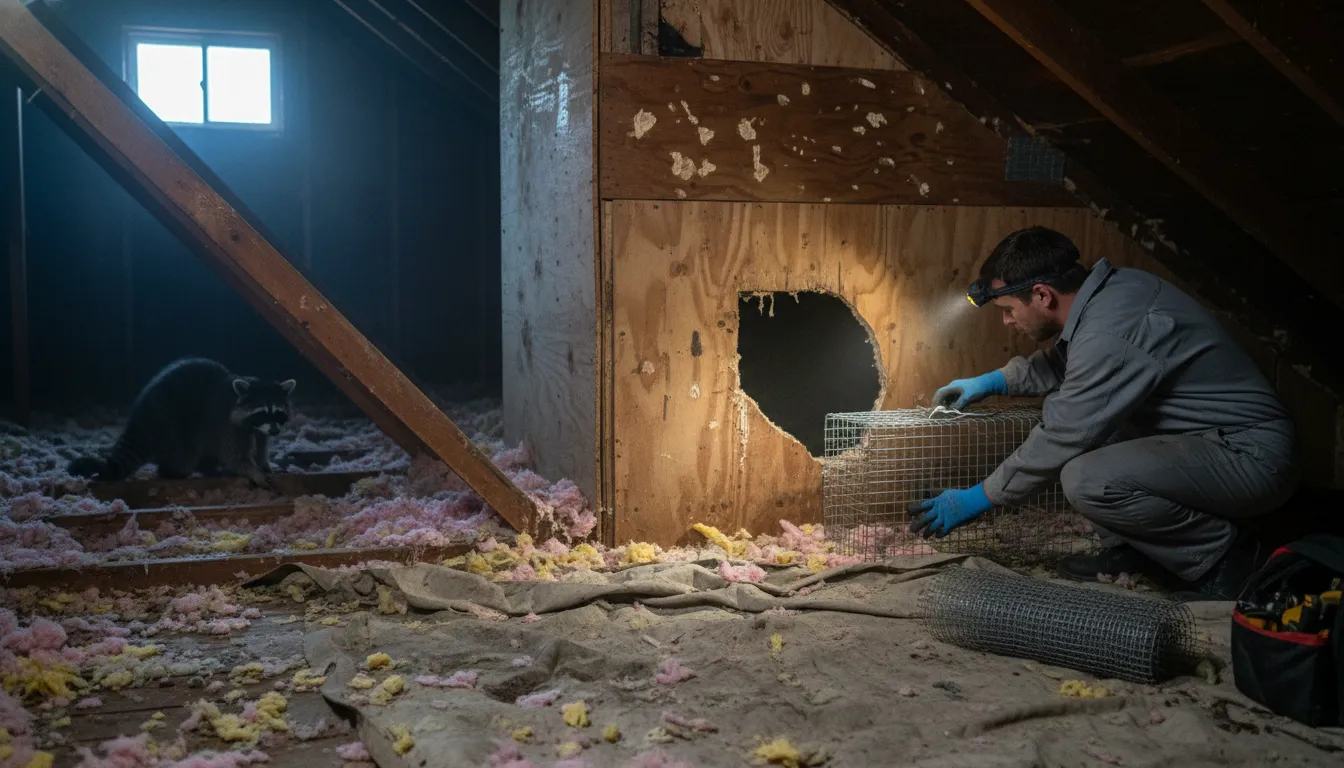
Living in Greenacres means enjoying Florida's beautiful natural environment, but sometimes that wildlife gets a little too close for comfort. Wildlife removal involves the safe, legal, and humane management of nuisance animals that have entered your home or property. This service is crucial for protecting your family's health, preventing costly property damage, and ensuring the ethical treatment of animals according to state law. This guide will help you understand your responsibilities, the local wildlife you might encounter, and how to connect with professional animal control experts in the Greenacres area.
Pest Busterzz
7811 NW 73rd Terrace, Tamarac, FL 33321
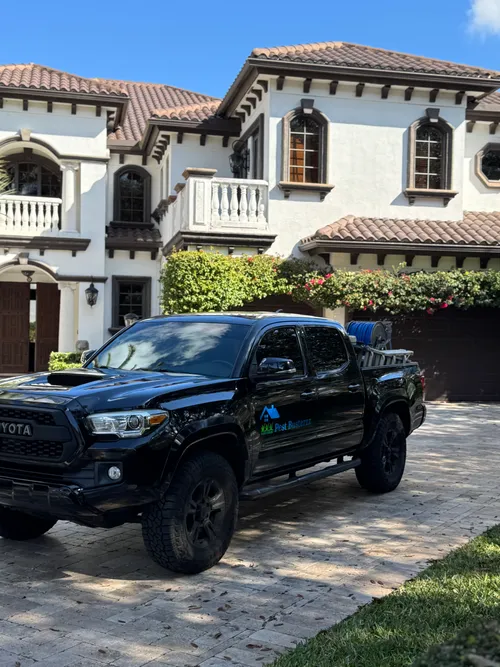
Pest Busterzz is a family-owned pest control company serving Fort Lauderdale, FL, and surrounding areas in Broward and Palm Beach counties. They provide residential and commercial pest control services, including ant, bed bug, cockroach, rodent, mosquito, bee, and wildlife removal. The company uses eco-friendly, organic treatments designed to be safe for families and pets. With over 10 years of experience, Pest Busterzz applies proven methods to effectively manage pest issues while focusing on environmental safety.
Hoffer Pest Solutions
12329 NW 35th St, Coral Springs, FL 33065
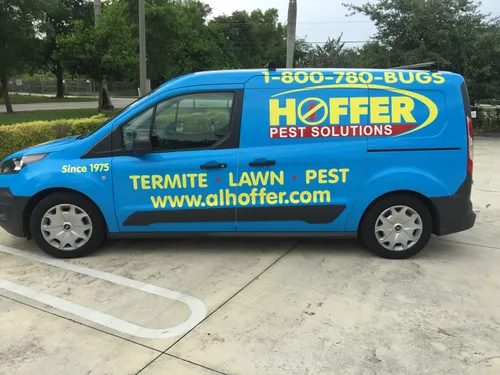
Hoffer Pest Solutions is a pest control company based in Fort Lauderdale, FL, serving Broward County including Coral Springs and nearby areas. They offer comprehensive pest management services for ants, cockroaches, termites, rodents, wildlife, bed bugs, and mosquitoes. Their termite treatments include liquid pesticide applications, perimeter bait stations, and the Sentricon Termite Colony Elimination System. Established in 1975, Hoffer Pest Solutions brings over 40 years of experience to pest and wildlife removal. They provide same-day service when contacted before noon and back their work with satisfaction guarantees.
Pro Pest Control, Inc.
1441 Banks Rd, Margate, FL 33063
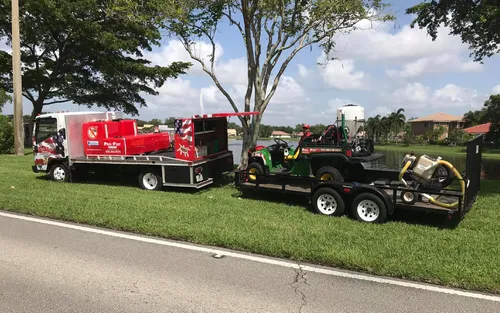
Pro Pest Control, Inc. is a family-owned pest control company serving Fort Lauderdale, FL, and the surrounding South Florida counties of Broward, Miami-Dade, and Palm Beach. They provide residential and commercial pest management services including ant, termite, rodent, mosquito, and wildlife control. Their offerings include integrated pest management, attic dusting, and specialized treatments like arbor jet and fertilization services tailored to the local environment. With over 25 years of experience, Pro Pest Control, Inc. combines pest control with lawn fertilization to support healthy property maintenance.
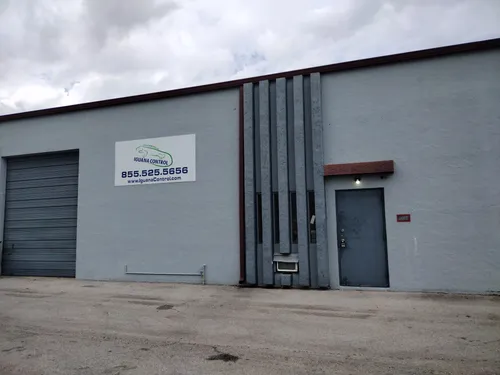
Iguana Control
2617 NW 17th Ln, Pompano Beach, FL 33064
Iguana Control is a wildlife removal company based in Fort Lauderdale, FL, specializing in managing iguana infestations. They offer services that include property surveying to identify iguana nests and burrows, installation of control products, and humane removal of iguanas. Their approach focuses on preventing damage to landscapes and structures caused by iguana burrowing and feeding. Iguana Control is licensed and certified to handle iguana control in the Fort Lauderdale area and uses effective, tested methods rather than common repellents.
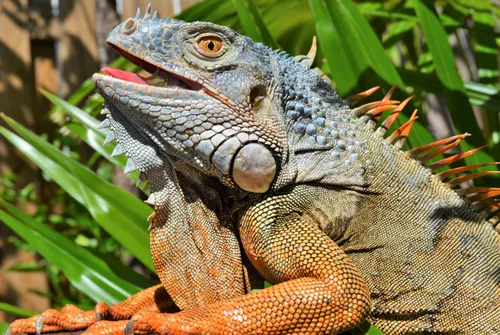
IGUANA EXTERMINATORS, INC.
3032 E Commercial Blvd, Fort Lauderdale, FL 33308
IGUANA EXTERMINATORS, INC. is a licensed and insured nuisance wildlife control operator based in Fort Lauderdale, FL. They specialize in commercial and residential iguana removal, control, and trapping services throughout Broward, Miami-Dade, and Palm Beach Counties. Their capabilities include humane iguana removal and customized exclusion methods such as tree wrapping, dock piling wrapping, seawall exclusion systems, and non-lethal deterrents like electrified shock systems and motion-activated sprinklers. The company follows Florida Fish and Wildlife Conservation Commission guidelines to ensure ethical wildlife management.
Understanding Your Role and Local Regulations
In Florida, managing nuisance wildlife on private property is primarily the responsibility of the property owner. This means if a raccoon is in your attic or armadillos are tearing up your lawn, it's generally up to you to resolve the issue. You have three main options: implementing preventative measures, attempting to trap the animal yourself within strict legal guidelines, or hiring a private, professional wildlife trapper.
Local government agencies have specific, limited roles. Palm Beach County Animal Care and Control and the Greenacres Public Works Department handle issues like stray domestic animals, injured wildlife on public property, or removing dead animals from public roadways. However, they typically do not respond to calls about healthy nuisance wildlife on private land. For these situations, you'll need to take private action.
Common Nuisance Wildlife in Greenacres
Our subtropical climate and urban-wildland interface attract a variety of animals. Knowing which creature you're dealing with is the first step toward an effective solution.
- Raccoons, Opossums, & Squirrels: These clever mammals are frequent visitors, often seeking shelter in attics, chimneys, and under decks, or scavenging through unsecured garbage cans.
- Armadillos: Known as nature's little excavators, armadillos can quickly turn a manicured lawn into a pockmarked landscape as they dig for insects.
- Bats: These protected species are beneficial for insect control but can become a problem when they roost in buildings. Removal is strictly regulated, especially during the maternity season from April to August.
- Birds (Muscovy Ducks): This non-native species can congregate in large numbers, creating noise and sanitation issues around ponds and yards.
- Wild Hogs (Feral Swine): An invasive species, wild hogs can cause significant agricultural and landscape damage through rooting and are not protected by state law.
- Alligators: A Florida icon that demands respect. The Florida Fish and Wildlife Conservation Commission (FWC) handles nuisance alligators over four feet long that pose a threat through their Statewide Nuisance Alligator Program (SNAP) 1.
Legal Do's and Don'ts for Homeowners
The FWC sets clear regulations to ensure wildlife is treated humanely and ecosystems are protected. Ignoring these rules can result in fines.
What You CAN and SHOULD Do:
- Prevention is Key: The most effective and recommended strategy is to make your property less attractive. Secure trash cans with locking lids, never leave pet food outdoors, cap chimneys, and trim tree branches back from your roof 2.
- Live Trapping: For most common nuisance animals (excluding protected species like bats), property owners may use live traps. Traps must be checked at least every 24 hours. Captured native wildlife must be either humanely euthanized or released on the same contiguous property where it was caught. Off-site relocation is highly restricted: it requires a minimum of 40 contiguous acres, written permission from the landowner, and must be within the same county.
- Disposal of Non-Native Species: Animals like Muscovy ducks or wild hogs cannot be relocated. They must be humanely euthanized or kept with the proper permits 3 4.
What You CANNOT Do:
- Never Use Poison: It is illegal to poison wildlife in Florida. Poison causes slow, inhumane deaths and can inadvertently kill pets, protected species, or create a toxic hazard.
- Avoid Inhumane Methods: Leg-hold traps, snares, or any method that causes undue suffering are prohibited for general nuisance wildlife control.
- Check Firearm Laws: Discharging a firearm in a residential area like Greenacres is likely prohibited by local ordinance. Always check with local law enforcement before considering this option 5.
Find the perfect wildlife removal companies for your needs
Get personalized recommendations and expert advice
When and How to Contact Professional Help
For persistent problems, animals inside the structure of your home (like in walls or attics), or if you're uncomfortable handling the situation yourself, hiring a professional is the best course of action.
1. For Professional Animal Removal: Hire a private Nuisance Wildlife Control Operator (NWCO). These licensed professionals understand local laws, have the proper equipment, and can often provide exclusion services to prevent re-entry. The FWC provides a searchable list of licensed trappers on their website.
2. For Specific Emergencies:
- Nuisance Alligator (4+ feet): Contact the FWC's Statewide Nuisance Alligator Program (SNAP) at 1-866-392-4286 6.
- Injured or Orphaned Wildlife: Do not attempt to handle these animals. Contact a licensed wildlife rehabilitator like the Busch Wildlife Sanctuary (561-575-3399) or the South Florida Wildlife Care Center (954-524-4302) 7.
- Stray Pets, Animal Cruelty, or Rabies Exposure: Contact Palm Beach County Animal Care and Control at 561-233-1200. This includes bites or scratches from rabies vector species like raccoons, bats, or bobcats 8 9 10 11.
Understanding Wildlife Control Costs
The cost for professional animal control services in Greenacres varies significantly. There is no standard or regulated price, as each NWCO sets their own fees based on the job's complexity 12 13 14.
Key Cost Factors:
- Type of Animal: Removing a squirrel from an attic is typically less involved than extracting a family of raccoons or bats.
- Extent of Infestation: A single animal versus a colony.
- Location: An animal in a live trap in the yard is simpler to address than one trapped inside a wall void.
- Required Services: Most jobs involve more than just trapping. The final bill often includes:
- Inspection Fee: Typically $75 - $150+ to assess the problem 15.
- Trapping & Removal: Can range from $200 to $500+ per animal or as a flat project fee 16 17.
- Exclusion Work: This critical step-sealing all entry points-prevents future problems and can add hundreds of dollars.
- Clean-up & Restoration: Repairing chewed wires, replacing insulation, or sanitizing contaminated areas can add significantly to the total cost, sometimes reaching thousands of dollars 18 19 20.
Always get a detailed, written estimate that breaks down inspection, removal, exclusion, and repair costs before work begins.
The Professional Wildlife Removal Process
Knowing what to expect can make the process smoother. A reputable NWCO will typically follow these steps:
- Inspection and Assessment: The professional will identify the animal species, locate entry points, and assess the extent of the infestation and damage.
- Humane Trapping and Removal: Using species-appropriate, legal methods, the animals are captured and removed from your property in accordance with FWC regulations.
- Exclusion and Proofing: This is the most important long-term step. All potential entry points (e.g., roof vents, soffit gaps, chimney openings) are sealed with durable materials like steel mesh or hardware cloth to prevent re-entry.
- Clean-up and Decontamination: Droppings, urine, and nesting materials are safely removed. Areas may be treated with enzymatic cleaners or disinfectants to eliminate odors and health hazards.
- Restoration: Any damage to insulation, ductwork, wiring, or drywall is repaired to restore your home's integrity and safety.
- Follow-up: Many companies offer a warranty period on their exclusion work, with follow-up visits to ensure the problem is fully resolved.
Proactive Prevention: Your Best Defense
Consistent prevention is far easier and less expensive than emergency wildlife extraction. Make these practices part of your regular home maintenance:
- Landscaping: Keep tree branches trimmed back at least 6-10 feet from your roofline. Keep shrubbery trimmed away from the foundation.
- Structural Maintenance: Regularly inspect your roof line, soffits, and fascia for gaps or rot. Install chimney caps and secure attic vents with animal-proof screening.
- Food Source Elimination: Use garbage cans with tight-fitting, locking lids. Clean barbecue grills after use. Pick up fallen fruit from trees. Feed pets indoors.
- Water Sources: Fix leaky outdoor faucets and ensure downspouts direct water away from the house. Consider covering ornamental ponds if they attract problematic waterfowl.
By understanding the local wildlife, your legal responsibilities, and the value of professional services, you can effectively and humanely manage any unwanted animal encounters on your Greenacres property.
Frequently asked questions
Sources
Footnotes
-
WILDLIFE AND NUISANCE ANIMAL INFORMATION - https://greenacresfl.gov/sites/default/files/fileattachments/public_works/page/2511/animal_wildlife.pdf ↩
-
FAQs: Nuisance Wildlife - FWC - https://myfwc.com/conservation/you-conserve/wildlife/faqs/ ↩
-
Nuisance Wildlife - Solutions for Your Life - UF/IFAS Extension - https://sfyl.ifas.ufl.edu/natural-resources/nuisance-wildlife/ ↩
-
Florida Wildlife Control & Animal Removal Services - Critter Control - https://www.crittercontrol.com/office-finder/florida/ ↩
-
Removing Nuisance Wildlife: Protecting Your Property | Gato Guard - https://gatoguard.com/removing-nuisance-wildlife/ ↩
-
Resources Nuisance Wildlife - Broward County - https://www.broward.org/Animal/Resources/pages/nuisancewildlife.aspx ↩
-
Public Safety - Animal Care Wildlife Issues - PBC.gov - https://discover.pbc.gov/publicsafety/animalcare/pages/wildlife.aspx ↩
-
Animal/Wildlife Information - Greenacres Florida - https://greenacresfl.gov/publicworks/page/animalwildlife-information ↩
-
Animal/Wildlife Information - Greenacres Florida - https://greenacresfl.gov/publicworks/page/animalwildlife-information ↩
-
Animal/Wildlife Information - Greenacres Florida - https://greenacresfl.gov/publicworks/page/animalwildlife-information ↩
-
Nuisance Wildlife | Sumter County, FL - Official Website - https://www.sumtercountyfl.gov/1180/Nuisance-Wildlife ↩
-
FAQs: Nuisance Wildlife - FWC - https://myfwc.com/conservation/you-conserve/wildlife/faqs/ ↩
-
FAQs: Nuisance Wildlife - FWC - https://myfwc.com/conservation/you-conserve/wildlife/faqs/ ↩
-
When Should You Call For Professional Wildlife Removal? - https://www.mccallservice.com/blog/when-should-you-call-for-professional-wildlife-removal/ ↩
-
How Much Does Rodent Removal Cost? - https://www.jamisonpest.com/blogs/how-much-does-rodent-removal-cost/ ↩
-
Wildlife Removal Services from Turner Pest Control Wildlife Experts - https://www.turnerpest.com/pest-control/wildlife-removal/ ↩
-
Wildlife Removal: Your Guide to Safe and Effective Solutions - https://callwaynes.com/blog/wildlife-removal-your-guide-to-safe-and-effective-solutions/ ↩
-
Wildlife Control - MMPC - https://mandmpestcontrol.com/services/wildlife-control/ ↩
-
Wildlife Removal FAQs - https://critterone.com/faq/ ↩
-
Chanooka Removal Ser: Wildlife Control - https://www.chanookaremoval.com/ ↩