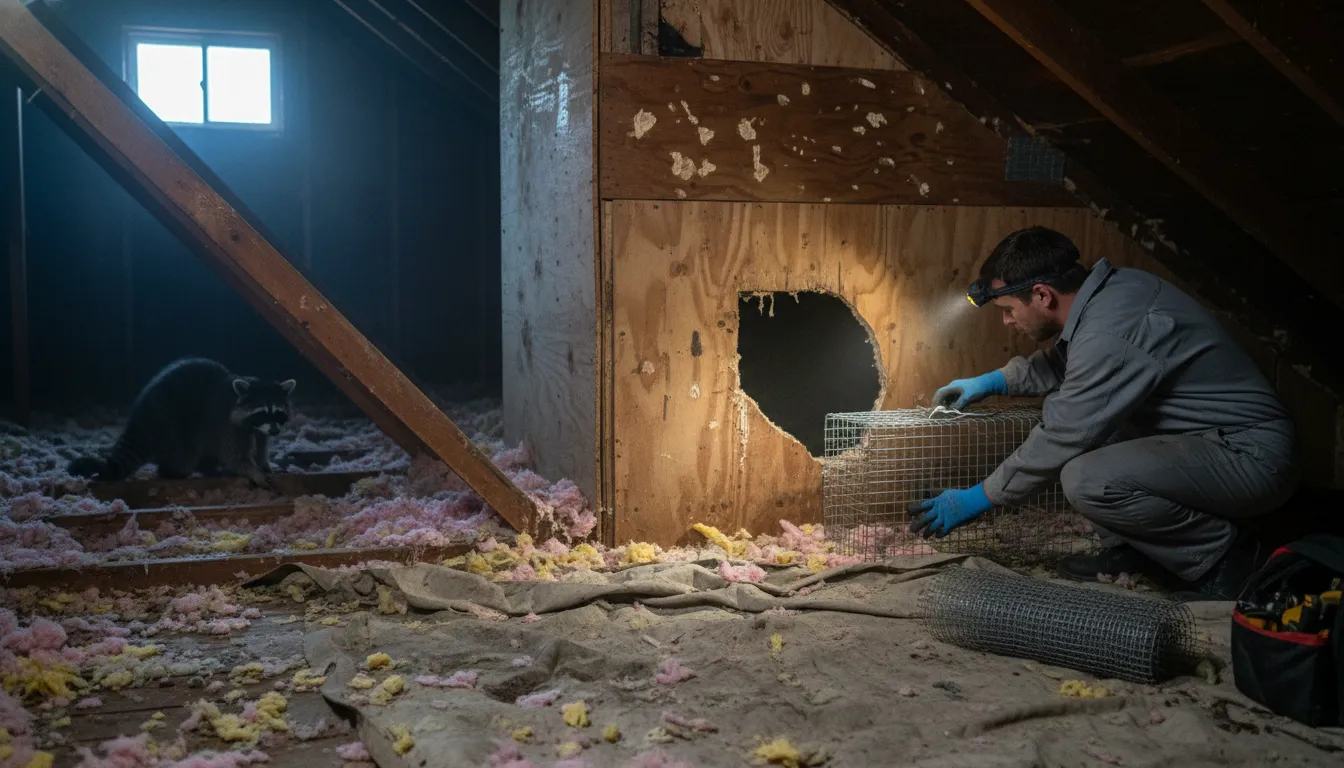
Find the Best Wildlife Removal Companies for Your Business
No obligation • Fast responses • Nationwide coverage

Why you can trust Pest Crews
Pest Crews is a leading U.S. resource for finding and evaluating residential and commercial pest control services. Our team researches providers, reviews treatment approaches, and organizes unbiased information to help you make informed decisions. Companies cannot pay to change our editorial content or influence how they appear.
Search providers near you
Top Wildlife Removal Companies in Jupiter, Florida Ranked
Living in Jupiter, Florida, means sharing your slice of paradise with a vibrant array of native and non-native wildlife. While these animals are part of the local ecosystem, they can become a serious nuisance when they take up residence in your attic, under your deck, or in your garden. Professional wildlife removal is the safe, legal, and effective process of humanely evicting unwanted animals and securing your property against future intrusions. This guide will help you understand the common issues, local regulations, and your options for resolving conflicts with nuisance animals in Jupiter.
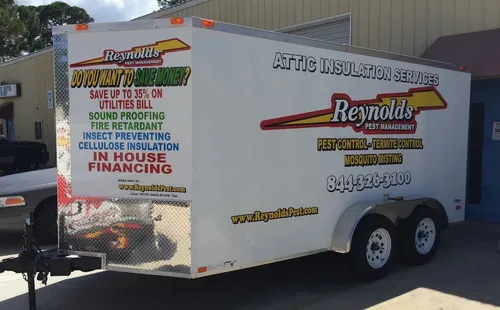
Reynolds Pest Management, Inc.
1572 SE South Niemeyer Cir, Port St. Lucie, FL 34952
Reynolds Pest Management, Inc. is a family-owned pest control company serving Port St Lucie, FL, and surrounding areas including Jupiter and South Florida. Established in 1991, they provide a range of pest management services such as bed bug treatment, termite inspections, rodent control, mosquito control, and wildlife removal. With over 25 years of experience, Reynolds Pest Management offers comprehensive solutions for both residential and commercial properties.
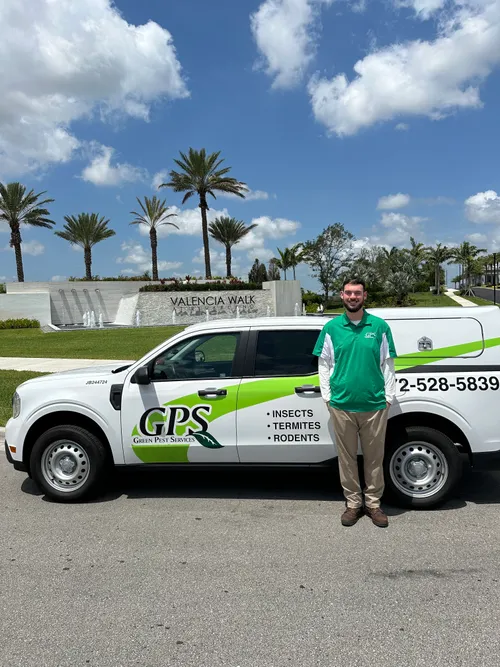
Green Pest Services
11958 SW Tom Mackie Blvd Suite 104, Port St. Lucie, FL 34987
Green Pest Services is a pest control company based in Port St Lucie, FL, serving the Treasure Coast including Palm City, Stuart, Jensen Beach, and surrounding areas. They offer residential and commercial pest management with a focus on eco-friendly and traditional treatments for ants, termites, rodents, cockroaches, mosquitoes, bees, wasps, and wildlife removal. Their services include ongoing pest prevention plans tailored to Florida's climate and pest challenges, using pet- and child-safe products such as essential oils and refined minerals. Green Pest Services is locally owned and familiar with the unique pest issues in the region, providing fast, same-day appointments and a multi-method approach to pest control.
Rats to Bats Pest & Wildlife Control
1165 SW Martin Hwy, Palm City, FL 34990
Rats to Bats Pest & Wildlife Control is a locally owned company serving Port St Lucie, FL, and the Treasure Coast region. They provide pest and wildlife control services for residential and commercial properties, including warehouses, schools, and government agencies. The company holds certifications in pest control, wildlife management, and beekeeping from the Florida Department of Agriculture, emphasizing environmentally responsible methods. Owned by a Florida native with over 35 years living in the area, Rats to Bats offers expertise tailored to local pest challenges.
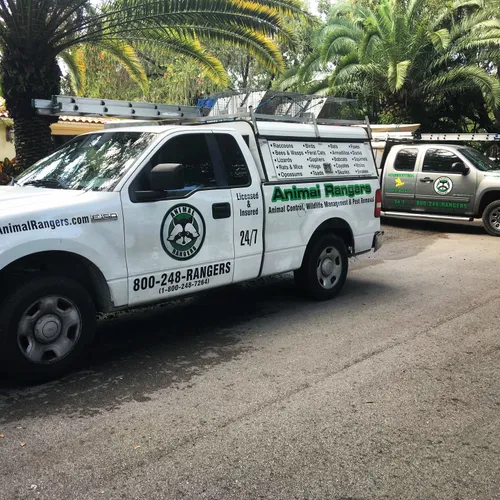
Trap Masters LLC
1038 SW Placetas Ave, Port St. Lucie, FL 34953
Trap Masters LLC is a wildlife removal and pest control company based in Port St Lucie, FL. They specialize in humane removal and relocation of various nuisance animals including rodents, bees, bats, raccoons, and birds. Their services focus on exclusion techniques, which involve locating and sealing all possible entry points to prevent future infestations. The company also uses a smoke injection system to detect broken sewer lines that may allow rodent access. Additionally, they provide antimicrobial sanitation spraying following rodent removal.

Rogue Pest & Wildlife Control
2692 Brigantine Pl, Port St. Lucie, FL 34953
Rogue Pest & Wildlife Control is a family-owned business providing pest and wildlife removal services in Port St Lucie, FL. They serve multiple nearby communities including Fort Pierce, Vero Beach, and West Palm Beach. The company specializes in professional wildlife control and pest management, focusing on experienced and carefully selected staff to meet client needs. With a long-standing presence in the area, Rogue Pest & Wildlife Control continues to offer dependable services to local residents.
Common Nuisance Wildlife in Jupiter
Jupiter's diverse habitats, from coastal dunes to inland waterways, support a wide range of animals that can sometimes come into conflict with homeowners. Understanding which species are most likely to cause problems is the first step.
- Raccoons and Opossums: These nocturnal mammals are frequent visitors, often attracted by unsecured garbage cans, pet food left outside, or accessible fruit trees. Raccoons are particularly clever and can cause significant damage while trying to enter attics or crawlspaces to den. They are also a primary rabies vector species in Florida, making any encounter a potential health concern.
- Armadillos: Known for their distinctive digging, armadillos can turn a manicured lawn into a pockmarked landscape overnight as they search for insects and grubs. Their burrowing can also undermine sidewalks, driveways, and even home foundations, leading to costly structural issues 1 2.
- Rodents: This category includes roof rats, Norway rats, mice, and squirrels. They are notorious for chewing through electrical wiring (a fire hazard), insulation, and drywall to build nests inside walls and attics. Their rapid reproduction can turn a sighting into a full-blown infestation quickly.
- Snakes: While the majority of snakes in Florida are non-venomous and beneficial for controlling rodent populations, finding one inside your home or garage is always alarming. Florida is home to six venomous species, including the Eastern Diamondback Rattlesnake and the Water Moccasin, so proper identification is crucial.
- Invasive Species: Non-native animals like iguanas and feral hogs can be exceptionally destructive. Iguanas burrow into seawalls, eat valuable landscape plants, and leave droppings on pools and patios. Feral hogs root up large areas of land, damaging irrigation systems and landscaping 3.
- Bats & Birds: Bats and birds like pigeons or starlings often roost in attics, soffits, or chimneys. While bats are protected and beneficial for insect control, their guano can pose serious health risks and cause property damage. Bird nests can block vents and chimneys, creating moisture and fire hazards 4.
Florida Laws and Regulations You Must Know
Before taking any action, it's critical to understand the legal framework managed by the Florida Fish and Wildlife Conservation Commission (FWC). Property owners in Jupiter are generally allowed to address wildlife causing damage or posing a threat, but they must follow specific rules 5 6.
- Prevention is Paramount: The FWC and wildlife experts consistently state that modifying your property to be less attractive to animals is the best long-term solution. This includes using garbage cans with locking lids, bringing pet food indoors at night, capping chimneys, and sealing potential entry points around the roofline, foundation, and vents.
- Trapping on Your Property: Homeowners may use live traps for many common nuisance species. However, traps must be checked at least once every 24 hours, and animals must be handled humanely. It is illegal to poison or drown animals in Florida 7 8.
- Critical Relocation Rules: This is where many well-intentioned residents run afoul of the law. Live-captured native wildlife (like raccoons or opossums) may only be released on the same contiguous property where they were caught. If you wish to relocate the animal off your property, you must release it on a minimum of 40 contiguous acres within the same county and have the written permission of the landowner. Transporting animals to a park or other public land is illegal. For non-native species (like iguanas), relocation is generally prohibited except for the purpose of humane euthanasia 9.
- Permits and Protected Species: Special permits from the FWC may be required for certain removal methods or for dealing with protected species. It is always best to consult the FWC or a professional if you are unsure 10 11.
Find the perfect wildlife removal companies for your needs
Get personalized recommendations and expert advice
When to Call a Professional Wildlife Control Operator
Given the complex regulations, safety risks, and potential for property damage, hiring a licensed Nuisance Wildlife Control Operator (NWCO) is often the wisest course of action 12. You should contact a professional for:
- Safety Concerns: Aggressive, injured, or potentially rabid animals. In these cases, you may also need to contact Palm Beach County Animal Services or the FWC 13 14.
- Protected or Dangerous Species: Situations involving alligators (contact the FWC's Alligator Management Program at 866-FWC-GATOR), bats, or any animal you cannot confidently identify 15 16.
- Inaccessible Problems: Animals that have died inside walls or attics, or established infestations in difficult-to-reach areas like deep crawlspaces or high attic peaks.
- Complex Exclusions: When prevention requires specialized techniques, such as installing one-way exclusion doors, sealing architectural gaps, or repairing damage caused by wildlife.
You can find a list of licensed professionals through the FWC's Nuisance Wildlife Control Operator Directory 17.
Understanding Wildlife Removal and Exclusion Costs
The cost for professional animal removal and exclusion in Jupiter varies widely. The FWC does not regulate pricing, and most trappers charge a fee for their services 18. Key factors influencing the price include the species involved, the number of animals, the location of the infestation, and the extent of repairs needed.
- Inspection/Service Call: Many companies charge an initial fee for assessment, which may be applied to the total cost if you hire them for the job 19.
- Trapping and Removal: Simple removal of a single animal from an accessible trap may cost a few hundred dollars. Complex jobs involving multiple animals, difficult access (e.g., high roofs), or dangerous species can cost $1,000 or more 20 21.
- Damage Repair & Exclusion: This is often the most critical and costly phase. It involves permanently sealing all entry points with professional-grade materials, repairing structural damage (chewed siding, torn vents), and sometimes cleaning and sanitizing areas contaminated by feces or urine (like attic insulation remediation). This work ensures the problem does not recur 22 23 24.
- Emergency Services: Requests for immediate assistance after standard business hours will typically incur a premium fee.
For the most accurate estimate for your specific situation, it is best to contact several local Jupiter NWCOs for inspections and quotes 25.
The Professional Process: From Inspection to Exclusion
A professional wildlife control service follows a systematic approach to ensure a complete and lasting solution.
- Thorough Inspection: A certified technician will inspect your property inside and out to identify the animal species, locate all entry points, and assess the extent of the damage and contamination.
- Humane Removal: Using species-appropriate methods-such as live traps, one-way exclusion doors, or hand-removal-the animals are evicted. Professionals know the legal protocols for handling and disposing of or relocating the wildlife according to FWC rules.
- Clean-up and Sanitation: Areas soiled by animal waste are cleaned and treated with enzymatic cleaners or disinfectants. In severe cases, contaminated insulation may need to be removed and replaced to eliminate health risks and odors.
- Exclusion and Repair: This is the cornerstone of the service. All identified entry points are sealed with durable materials like steel mesh, hardware cloth, or specialized flashing to prevent re-entry. Damage to the home's exterior is repaired.
- Follow-up and Prevention Advice: A reputable company will often schedule a follow-up visit to ensure the exclusion was successful and provide you with tips for maintaining a wildlife-resistant property.
Proactive Prevention Tips for Jupiter Homeowners
The best wildlife control is the kind you never have to perform. Integrating these habits can save you time, money, and stress.
- Secure Food Sources: Use locking lids on trash cans, wait until morning to put bins on the curb, and never leave pet food outdoors overnight.
- Eliminate Shelter: Keep yards tidy by trimming tree branches back at least 6-8 feet from the roofline. Store firewood and building materials off the ground and away from your home's exterior.
- Seal Entry Points: Conduct seasonal checks of your home's exterior. Look for gaps in siding, loose roof vents, damaged soffits, and openings where utility lines enter. Seal even small holes; a mouse can fit through a gap the size of a dime.
- Manage Landscaping: Reduce dense ground cover like ivy near the foundation, which provides shelter for rodents and snakes. Consider using gravel or river rock borders instead of mulch directly against the house.
- Use Deterrents Wisely: Motion-activated lights or sprinklers can startle nocturnal animals. However, these are usually temporary solutions and are most effective when combined with physical exclusion.
Frequently asked questions
Sources
Footnotes
-
What Is Considered a Nuisance Animal in Florida? - https://www.turnerpest.com/what-is-considered-a-nuisance-animal-in-florida/ ↩
-
Garden column: When your wildlife is a nuisance - https://www.jacksonville.com/story/entertainment/local/2016/09/23/garden-column-when-your-wildlife-nuisance/15725458007/ ↩
-
Why Iguanas Are a Big Problem in Florida - https://www.youtube.com/watch?v=Ifp3VU53x1A ↩
-
Wildlife Removal Jupiter Island - https://treasure-coast.aaacwildliferemoval.com/service-area/jupiter-island ↩
-
FAQs: Nuisance Wildlife - FWC - https://myfwc.com/conservation/you-conserve/wildlife/faqs/ ↩
-
FAQs: Nuisance Wildlife - FWC - https://myfwc.com/conservation/you-conserve/wildlife/faqs/ ↩
-
Nuisance Wildlife Removal - Turner Pest Control - https://www.turnerpest.com/nuisance-wildlife-removal/ ↩
-
Bylaw - FWC - https://myfwc.com/wildlifehabitats/wildlife/bear/living/community-group/bylaw/ ↩
-
Relocating Wildlife - FWC - https://myfwc.com/conservation/you-conserve/wildlife/relocate/ ↩
-
Nuisance Wildlife Control Operator Registration - FWC - https://myfwc.com/license/wildlife/nuisance-wildlife-permits/trapper-registration/ ↩
-
Nuisance Wildlife Permits - FWC - https://myfwc.com/license/wildlife/nuisance-wildlife-permits/ ↩
-
Nuisance Wildlife Removal - Turner Pest Control - https://www.turnerpest.com/nuisance-wildlife-removal/ ↩
-
Protected Wildlife Species in Florida - https://www.flapest.com/protected-wildlife-species-florida/ ↩
-
Public Safety - Animal Care Wildlife Issues - PBC.gov - https://discover.pbc.gov/publicsafety/animalcare/pages/wildlife.aspx ↩
-
Protected Wildlife Species in Florida - https://www.flapest.com/protected-wildlife-species-florida/ ↩
-
Animal/Wildlife Information - Greenacres Florida - https://greenacresfl.gov/publicworks/page/animalwildlife-information ↩
-
Nuisance Wildlife Control Operator Registration - FWC - https://myfwc.com/license/wildlife/nuisance-wildlife-permits/trapper-registration/ ↩
-
Wildlife Removal in Ocala, FL - Humane Wild Animal Removal & Exclusion Services Near Me - https://www.turnerpest.com/pest-control/ocala/wildlife-removal/ ↩
-
Lewis Pest Control & Wildlife Removal - https://www.lewispest.com/wildlife-removal/ ↩
-
FAQs: Nuisance Wildlife - FWC - https://myfwc.com/conservation/you-conserve/wildlife/faqs/ ↩
-
Common Nuisance Wildlife Species - Florida Animal Control - http://www.247wildlife.com/nuisancewildlifespecies.htm ↩
-
Jupiter Wildlife Animal Control - Skunks, Squirrels. Groundhogs - http://www.wildlifeanimalcontrol.com/Jupiter.html ↩
-
Nuisance Wildlife - Solutions for Your Life - UF/IFAS Extension - https://sfyl.ifas.ufl.edu/natural-resources/nuisance-wildlife/ ↩
-
Expert Wildlife Exclusion Services - Keep Animals Out of Your Home - https://inman-murphy.com/wildlife-control/exclusion/ ↩
-
Wildlife Exclusion and Apartments: An In-Depth Guide - https://www.hy-c.com/blog/wildlife-exclusion-apartments ↩