Find the Best Wildlife Removal Companies for Your Business
No obligation • Fast responses • Nationwide coverage

Why you can trust Pest Crews
Pest Crews is a leading U.S. resource for finding and evaluating residential and commercial pest control services. Our team researches providers, reviews treatment approaches, and organizes unbiased information to help you make informed decisions. Companies cannot pay to change our editorial content or influence how they appear.
Search providers near you
Top Wildlife Removal Companies in Palm Coast, Florida Ranked
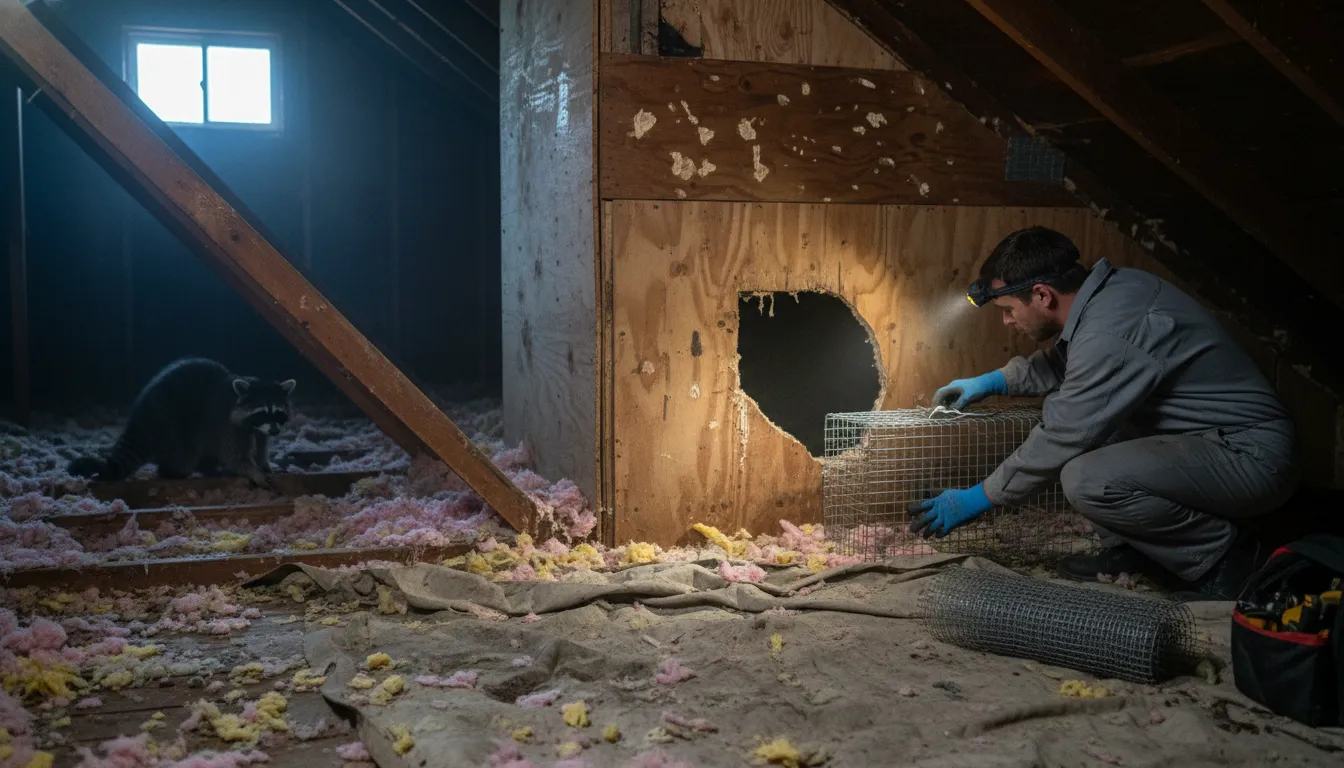
Living in harmony with Florida's natural beauty sometimes means dealing with uninvited wildlife guests. From raccoons in the attic to armadillos tearing up the lawn, nuisance animal issues require safe, effective, and legal solutions. This guide provides Palm Coast residents with essential information on local wildlife control, including common species, do-it-yourself strategies, crucial state regulations, and how to find professional assistance when needed.
Unity Pest & Wildlife
140 Anguilla Blvd, St. Augustine, FL 32092
Unity Pest & Wildlife provides pest control and wildlife removal services in Jacksonville, FL. The company handles common pests such as cockroaches, rodents, termites, and mosquitoes, offering structural inspections and tailored treatment plans. Their approach includes integrated pest management strategies combining sanitation, home maintenance, chemical treatments, and traps to address infestations effectively. Unity Pest & Wildlife emphasizes the use of safe, EPA-approved pesticides and clear communication about treatment procedures. They also provide guidance on preparation and post-treatment care to ensure effective results.

Nader's Pest Raiders
193 San Marco Ave, St. Augustine, FL 32084
Nader's Pest Raiders is a pest control company serving Jacksonville, FL, specializing in managing a wide range of pests including termites, ants, mosquitoes, rodents, and stinging insects. They provide targeted treatments for species such as subterranean termites, Argentine ants, and fire ants, addressing both nuisance and health risks associated with these pests. Their services also include wildlife removal and control of fleas, ticks, and stinging insects like wasps and hornets. The company focuses on pest identification and customized control methods to handle the unique challenges posed by each species.
Common Nuisance Wildlife in Palm Coast
Palm Coast's diverse habitats are home to a variety of animals that can become problematic when they enter human spaces. Knowing which creature you're dealing with is the first step toward a solution.
Mammals:
- Raccoons: Intelligent and dexterous, they are notorious for rummaging through trash and nesting in attics or chimneys.
- Opossums: While they eat many pests, they can cause disturbances under decks or in garages and may hiss when threatened.
- Armadillos: These diggers create extensive burrows and holes in lawns and gardens while searching for insects 1.
- Squirrels & Rodents: Rats, mice, and squirrels can chew wires, contaminate food, and nest in wall voids or attics.
- Moles & Voles: Subsurface tunnels and damaged plant roots are classic signs of these small burrowers.
- Feral Hogs: In some areas, these large animals can cause significant property damage through rooting 2.
Birds:
- Woodpeckers: They drill into siding and eaves, often in search of insects or to create nesting cavities, causing structural and noise issues 3.
- Non-Native Species: Pigeons, starlings, and house sparrows can create messes with their droppings and nest in undesirable locations.
Reptiles:
- Snakes: Both venomous (like rattlesnakes or water moccasins) and non-venomous species may enter yards or, rarely, homes, particularly while seeking prey or shelter.
Effective DIY Wildlife Control and Prevention
Before wildlife becomes a major problem, homeowners can take proactive steps to make their property less attractive to nuisance animals.
Remove Attractants: This is the most critical step. Secure trash cans with locking lids or bungee cords, never leave pet food outdoors overnight, clean grease from grills, and manage compost piles carefully 4.
Exclusion (Sealing Entry Points): Conduct a thorough inspection of your home's exterior. Seal any gaps, holes, or cracks in the roof, siding, foundation, and around utility lines with sturdy materials like steel wool, hardware cloth, or caulk. Repair damaged vent covers and chimney caps.
Use Deterrents:
- Motion-Activated Devices: Lights, sprinklers, or ultrasonic noisemakers can startle and discourage animals from frequenting an area.
- Natural Repellents: Sprinkling cayenne pepper or using vinegar sprays can deter some animals, though these often require reapplication after rain.
- Bird Control: For woodpeckers and other birds, visual deterrents like reflective tape, owl decoys, or hanging windsocks can be temporarily effective. Netting can block access to favored roosting spots 5.
Trapping Considerations: Live trapping is an option for certain animals, but it comes with significant responsibilities and legal restrictions in Florida (detailed below). Traps must be appropriate for the target species to avoid injuring non-target animals.
Find the perfect wildlife removal companies for your needs
Get personalized recommendations and expert advice
Understanding Florida's Wildlife Regulations
The Florida Fish and Wildlife Conservation Commission (FWC) sets strict rules to ensure ethical and ecologically sound wildlife management. Ignoring these regulations can result in fines.
Key FWC Rules for Palm Coast Residents:
- No Poison: The use of "economic poisons" (toxic baits) for nuisance wildlife control is prohibited 6.
- Trapping Requirements: If you use a live trap, you are legally obligated to check it at least once every 24 hours. Any non-target animal must be released immediately at the site of capture.
- Relocation is Heavily Restricted: You cannot simply trap and relocate an animal to a park or other neighborhood. Relocation is generally only allowed on a property of at least 40 acres within the same county, and you must have the written permission of the landowner. For some species, like bobcats, release on-site is required 7.
- Permits May Be Required: Activities like trapping certain bird species or using specific control methods often require a nuisance wildlife permit from the FWC 8.
- Euthanasia: If an animal is not released, it must be euthanized humanely within 24 hours of capture, following approved methods 9.
When and How to Call a Professional
DIY methods aren't always sufficient, especially for established infestations, dangerous animals, or when exclusion work is needed.
When to Call a Pro:
- The animal is potentially dangerous (e.g., venomous snakes, raccoons showing unusual behavior).
- Wildlife is inside the living areas of your home or has caused significant damage.
- You have repeatedly tried DIY methods without success.
- You are unable to safely identify or exclude the animal.
- The situation requires handling that conflicts with your ability to comply with FWC regulations (like 24-hour trap checks) 10.
Who to Contact:
- Licensed Wildlife Removal Professionals: These specialists are trained in safe trapping, exclusion, and repair. They understand FWC regulations and can handle the entire process legally and efficiently.
- Florida Fish and Wildlife Conservation Commission (FWC): Contact the FWC for guidance on state regulations, questions about protected species, or to report issues with bears 11.
- Palm Coast Animal Control: It's important to know that the local Animal Control division does not trap, remove, or relocate nuisance wildlife. They focus on domestic animal issues, such as pet licensing and stray dogs 12.
What to Expect Cost-Wise: Costs for professional wildlife control in Palm Coast vary based on the animal, location, and extent of damage. Typical ranges include:
- Inspection/Consultation: $100 - $200+
- Removal (e.g., armadillo, opossum, squirrel): $250 - $500+ per animal or set
- Attic Infestation (raccoon or opossum): $300 - $700+ for removal and basic exclusion
- Snake Removal: $150 - $400+, depending on species and accessibility
- Exclusion and Repair Work: Often starts at several hundred dollars and increases with the scope of damage 13 14.
The Importance of Humane and Lasting Solutions
Effective wildlife management goes beyond simple removal. The goal is to solve the current problem while preventing future ones. This is why exclusion is a cornerstone of professional wildlife control. A qualified technician won't just remove the animal; they will identify and seal the entry points that allowed access in the first place. This humane approach resolves the conflict without unnecessarily harming animals and provides homeowners with long-term peace of mind, ensuring your home remains your sanctuary.
Frequently asked questions
Sources
Footnotes
-
Overview of How to Stop Damage Caused by Nuisance Wildlife in ... - https://edis.ifas.ufl.edu/publication/UW368 ↩
-
I have a question about nuisance wildlife trapping. Do I need any ... - https://www.fdacs.gov/Business-Services/Pest-Control/Pest-Control-FAQ/I-have-a-question-about-nuisance-wildlife-trapping.-Do-I-need-any-sort-of-state-pest-control-license-to-trap-wild-hogs-raccoons-opossums-etc. ↩
-
Palm Coast Wild Animal Removal (386) 788-0836 - Florida ACM - https://animalcontrolmanagement.com/acm-nearby-2/?city=Palm+Coast ↩
-
Bylaw - FWC - https://myfwc.com/wildlifehabitats/wildlife/bear/living/community-group/bylaw/ ↩
-
Nuisance Wildlife - Solutions for Your Life - UF/IFAS Extension - https://sfyl.ifas.ufl.edu/natural-resources/nuisance-wildlife/ ↩
-
Nuisance Wildlife Removal - Turner Pest Control - https://www.turnerpest.com/nuisance-wildlife-removal/ ↩
-
Relocating Wildlife - FWC - https://myfwc.com/conservation/you-conserve/wildlife/relocate/ ↩
-
Nuisance Wildlife Permits - FWC - https://myfwc.com/license/wildlife/nuisance-wildlife-permits/ ↩
-
FAQs: Nuisance Wildlife | FWC - https://myfwc.com/conservation/you-conserve/wildlife/faqs/ ↩
-
When Should You Call For Professional Wildlife Removal? - FL Pests - https://www.mccallservice.com/blog/when-should-you-call-for-professional-wildlife-removal/ ↩
-
Removing Nuisance Wildlife | FWC - https://myfwc.com/conservation/you-conserve/wildlife/remove/ ↩
-
Animal Control | Palm Coast Connect - https://www.palmcoast.gov/animal-control ↩
-
Nuisance Wildlife Removal - Florida Pest Control - https://www.flapest.com/nuisance-wildlife-control/ ↩
-
Best Wildlife Removal Control Palm Coast, FL - https://wildremoval.com/service-areas/palm-coast/ ↩