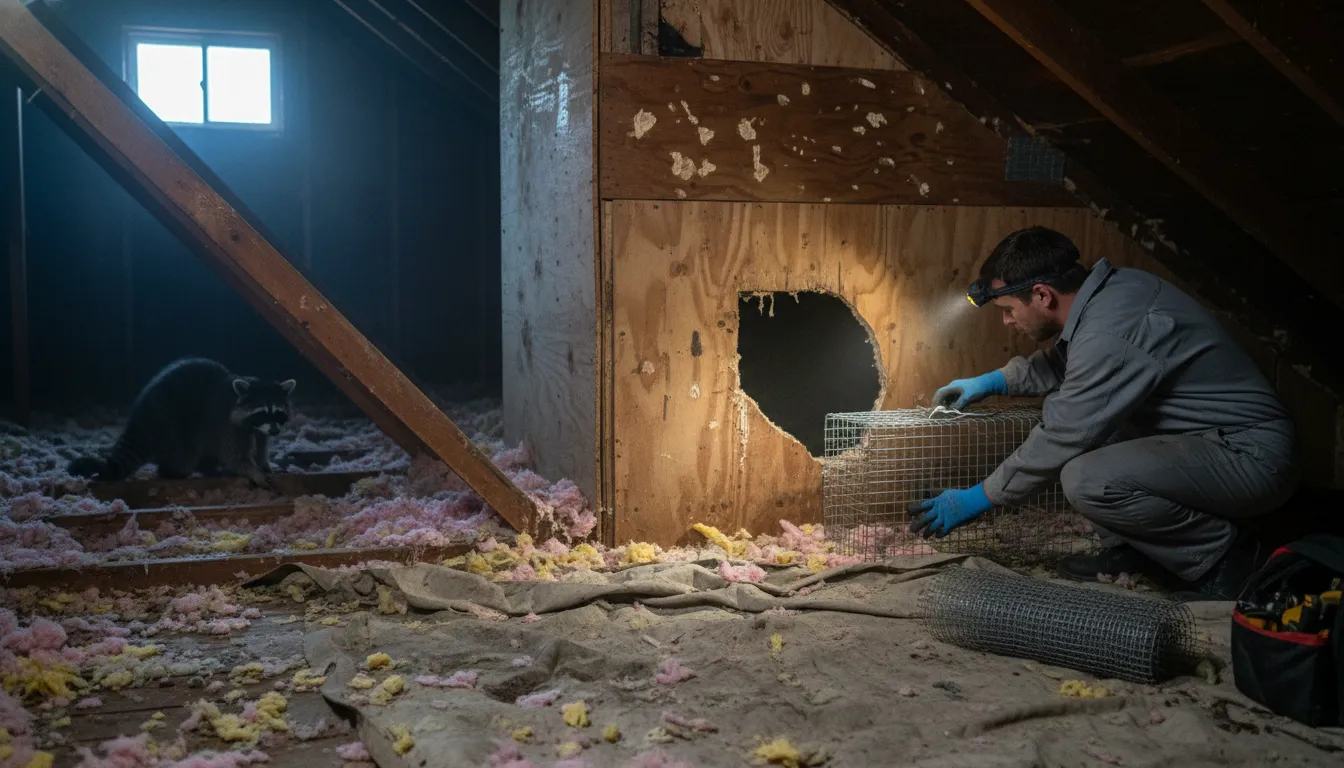
Find the Best Wildlife Removal Companies for Your Business
No obligation • Fast responses • Nationwide coverage

Why you can trust Pest Crews
Pest Crews is a leading U.S. resource for finding and evaluating residential and commercial pest control services. Our team researches providers, reviews treatment approaches, and organizes unbiased information to help you make informed decisions. Companies cannot pay to change our editorial content or influence how they appear.
Search providers near you
Top Wildlife Removal Companies in Plantation, Florida Ranked
Living in South Florida means sharing your environment with a vibrant array of wildlife. While this biodiversity is part of the region's charm, it can lead to conflicts when animals like raccoons, armadillos, or bats decide your attic or yard is their new home. Wildlife removal is the process of humanely and legally addressing these nuisance animal situations to protect your property and ensure safety. This guide explains the common issues in Plantation, outlines your legal options, and provides a clear path to finding qualified local professionals who specialize in humane animal control and exclusion.
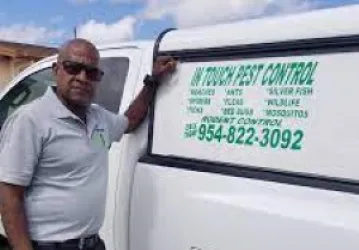
In Touch Pest Control
3489 NW 24th St, Lauderdale Lakes, FL 33311
In Touch Pest Control is a locally owned and family-operated pest control company serving Fort Lauderdale, FL, and surrounding South Florida communities. Established in 2005, they offer a range of pest management services including termite treatment, ant and rodent control, wildlife removal, and lawn pest services. Their certified team uses eco-conscious and family-safe methods to address common pests such as termites, ants, roaches, rodents, and outdoor invaders. They provide same-day service and specialize in sealing entry points to prevent rodent damage and health risks.
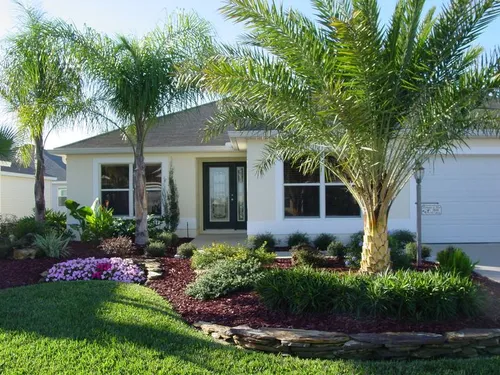
Tower Pest Control Inc
7760 W 20th Ave, Hialeah, FL 33016
Tower Pest Control Inc has been providing eco-friendly pest control services in Miami, FL, and South Florida since 1996. They specialize in treating a wide range of pests including bed bugs, termites, rodents, ants, cockroaches, mosquitoes, bees, and wildlife. Their approach focuses on using non-toxic, environmentally safe products and humane removal techniques to protect homes and businesses while preserving the local ecosystem. With over 25 years of experience, Tower Pest Control offers comprehensive termite inspections and organic pest control solutions tailored to the unique challenges of the Miami area.
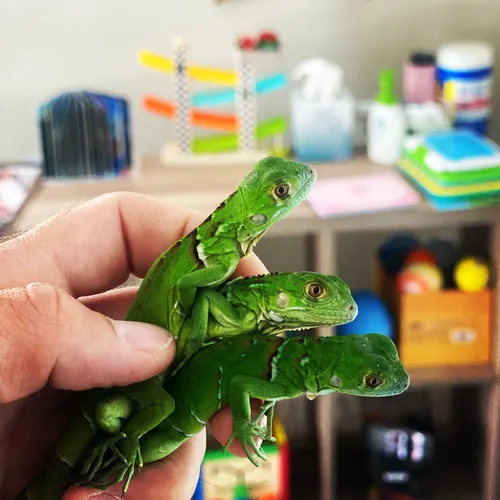
Redline Iguana Removal
Pembroke Pines, FL
Redline Iguana Removal is a wildlife removal company based in Pembroke Pines, FL, specializing in humane iguana control. They serve Palm Beach, Broward, Miami-Dade, and Monroe counties, using hand-catching, trapping, and other approved methods to manage iguana populations. The company addresses property and landscape damage caused by iguanas, including tunnel digging, roof damage, and harm to gardens. They also focus on reducing health risks associated with iguana feces, which can carry salmonella. With over 15 years of experience, Redline Iguana Removal follows guidelines set by the Florida Fish and Wildlife Conservation Commission and now offers humane nuisance wildlife removal services for homeowners associations, managed communities, and private homeowners across South Florida.
Mitchell Pest Services - A Division of Turner Pest Control
4846 N University Dr #291, Lauderhill, FL 33351
Mitchell Pest Services - A Division of Turner Pest Control is a family-owned pest control company serving Fort Lauderdale, FL, and nearby areas since 2014. They provide residential and commercial pest management solutions including bed bug treatment, termite inspections, rodent control, mosquito control, and wildlife removal. Their approach uses integrated pest management techniques focused on identifying root causes and applying environmentally friendly treatments that are safe for homes and businesses. The company emphasizes local expertise to address Fort Lauderdale's unique pest challenges and offers ongoing maintenance to keep properties protected year-round.
Direct Pest Solutions
15245 SW 31st Ln, Miami, FL 33185
Direct Pest Solutions is a family-owned pest control company serving Miami, FL, and Miami-Dade County. Since 2020, they have provided residential and commercial pest control services, including termite inspections, bed bug heat treatments, rodent removal, mosquito barrier treatments, and wildlife control. Their licensed and insured technicians use Integrated Pest Management techniques and EPA-approved products to deliver safe and effective pest control solutions. The company offers thorough inspections, customized treatment plans, and ongoing monitoring to prevent pest recurrence, backed by a lifetime protection guarantee.
Understanding Nuisance Wildlife in Plantation
In Plantation, the term "nuisance wildlife" refers to wild animals that cause property damage, pose a threat to public safety, or create a persistent annoyance within or upon a building 1. The warm climate and urban-wildland interface make the city particularly susceptible to encounters with a variety of species. It's important to know that all native wildlife in Florida is protected by the state, and its management is governed by the Florida Fish and Wildlife Conservation Commission (FWC) in conjunction with Broward County regulations. These rules emphasize humane treatment and proactive prevention as the first lines of defense.
Common Wildlife Intruders in Plantation
Different animals present different challenges. Knowing what you're dealing with is the first step toward an effective solution.
- Raccoons, Opossums, & Skunks: These nocturnal mammals are frequent visitors, often drawn by unsecured garbage, pet food, or accessible shelter. They commonly invade attics, crawl spaces, and garages, where they can tear up insulation, chew wires, and create unsanitary conditions.
- Armadillos: Known for their destructive digging, armadillos can quickly uproot lawns, gardens, and landscaping in search of insects. Their burrowing can also undermine sidewalks, foundations, and pool decks, leading to significant property damage.
- Rodents (Rats & Mice): While often grouped with general pests, rodents are a major wildlife concern. They chew through wires (a fire hazard), insulation, and drywall, and can contaminate areas with droppings.
- Bats & Birds: Bats, which are protected species, sometimes roost in attics or soffits. Their guano can pose health risks and damage structures. Similarly, birds like pigeons or starlings can nest in vents or eaves, creating blockages and hygiene issues.
- Snakes: Several snake species are common in Florida. While most are non-venomous and beneficial, their presence in yards, garages, or pools can be alarming. Removal requires caution and proper identification 2.
- Other Species: Residents may also encounter issues with wild hogs, which are destructive to property, or, in rare cases, alligators in waterways 3.
Legal Framework: What Homeowners Can and Cannot Do
Florida law provides property owners with certain rights to address nuisance animals, but these come with specific responsibilities to ensure humane treatment.
What You Are Allowed to Do:
- Remove Attractants: This is always the primary recommendation. Secure trash in metal cans with locking lids, never leave pet food outside, and cap chimneys 4.
- Live Trapping on Your Property: You may use live traps for nuisance animals causing damage. Crucially, traps must be checked at least every 24 hours.
- Dispatch or Release: Once trapped, native animals must be either humanely euthanized or released on the same contiguous property where they were captured. You cannot transport and release them elsewhere without explicit permission from the landowner at the release site.
What Is Prohibited:
- Inhumane Treatment: Poisoning, drowning, or using inhumane traps is illegal.
- Relocation: Relocating wildlife off your property is highly restricted, often illegal, and generally ineffective. It can spread disease and simply move the problem to another location 5.
- Firearms: Discharging firearms within city limits is typically prohibited by local ordinances and is dangerous in populated areas 6.
- Handling Protected Species: Special rules apply to protected species like bats and bears. Their removal usually requires a licensed professional 7.
Find the perfect wildlife removal companies for your needs
Get personalized recommendations and expert advice
When to Call a Professional Wildlife Control Operator
For many situations, especially those involving protected species, animals inside structures, or persistent problems, hiring a private Nuisance Wildlife Control Operator (NWCO) is the most practical and legally compliant solution. Professionals have the expertise, equipment, and knowledge of state and local regulations to resolve issues safely and effectively.
Signs you likely need professional animal removal services:
- You hear persistent scratching, scurrying, or vocalizations in walls or attics.
- There is visible structural damage like chewed wires, torn vents, or dug-up foundations.
- You find droppings, nesting materials, or signs of feeding in or around your home.
- The animal involved is potentially dangerous (e.g., a venomous snake, a cornered raccoon, or a bat colony).
- DIY methods have failed, or the problem recurs.
The Professional Wildlife Removal Process
A reputable wildlife control service will follow a comprehensive process focused on permanent resolution, not just temporary trapping.
- Inspection & Assessment: A technician will conduct a thorough inspection to identify the animal species, locate all entry points, and assess the extent of the damage or infestation. This step often involves a consultation fee.
- Humane Removal & Trapping: Using species-appropriate, humane methods, the operator will remove the animals from the property. This may involve live trapping, one-way exclusion doors, or other specialized techniques 8 9.
- Cleanup & Sanitation: After removal, the affected area needs to be cleaned and sanitized to remove biological hazards like droppings, urine, and parasites. This is a critical step for health and safety.
- Exclusion & Prevention: This is the most important phase. The service will seal all potential entry points with durable materials like steel mesh, hardware cloth, or chimney caps to prevent future wildlife intrusions. Without proper exclusion, the problem will almost certainly repeat.
- Repair & Restoration: Some companies offer repair services for damage caused by wildlife, such as replacing torn insulation, repairing chewed wires, or fixing damaged soffits and vents.
Understanding Costs for Wildlife Control
The FWC does not license trappers or regulate their fees, so costs are set by the private market and can vary 10 11. When budgeting for wildlife removal in Plantation, consider these potential cost components:
- Inspection Fee: Many companies charge a initial fee for the on-site assessment.
- Removal/Trapping Fee: This varies significantly based on the species, number of animals, and the complexity of access (e.g., removing raccoons from an attic is more involved than trapping an armadillo in a yard) 12 13.
- Exclusion Work: The cost of materials and labor to seal entry points is typically separate from removal and is essential for a long-term solution 14.
- Cleanup & Decontamination: Sanitizing an attic or crawl space is a specialized service that adds to the overall cost.
- Permit Fees: While not always required, certain situations or methods may necessitate permits from the FWC or local authorities.
It's best to get detailed, written estimates from a few different operators. The cheapest option is not always the most effective if it doesn't include comprehensive exclusion.
Special Situations and Who to Contact
Not every wildlife issue is handled by a private trapper. For specific emergencies, know which agency to call:
- Immediate Public Safety Threat: If an animal is actively aggressive or poses an immediate danger, contact your local law enforcement or Broward County Animal Care.
- Sick, Injured, or Orphaned Wildlife: Do not handle the animal. Contact the South Florida Wildlife Care Center at 954-524-4302 or the FWC's Wildlife Alert Hotline 15 16.
- Nuisance Alligator: Report alligators over four feet in length that pose a threat to people, pets, or property to the state's Nuisance Alligator Program at 866-392-4286.
- Domestic Animals (Dogs/Cats): Stray, lost, or abused domestic animals are handled by Broward County Animal Care 17 18.
Finding a Qualified Wildlife Removal Professional in Plantation
To find a reputable Nuisance Wildlife Control Operator, start with the FWC's online Nuisance Wildlife Control Operator Directory 19. This tool allows you to search for licensed professionals in your area. When vetting companies, look for those with:
- Proper insurance and licensing.
- Strong references or reviews from local customers.
- A clear emphasis on humane methods and permanent exclusion.
- Transparent, detailed estimates that break down inspection, removal, and exclusion costs.
Taking the time to address wildlife issues correctly with a qualified professional protects your investment, ensures compliance with Florida law, and contributes to the humane and responsible stewardship of our local ecosystem.
Frequently asked questions
Sources
Footnotes
-
FAQs: Nuisance Wildlife - FWC - https://myfwc.com/conservation/you-conserve/wildlife/faqs/ ↩
-
What Is Considered a Nuisance Animal in Florida? - https://www.turnerpest.com/what-is-considered-a-nuisance-animal-in-florida/ ↩
-
Nuisance Wildlife - Solutions for Your Life - UF/IFAS Extension - https://sfyl.ifas.ufl.edu/natural-resources/nuisance-wildlife/ ↩
-
Nuisance Wildlife - Solutions for Your Life - UF/IFAS Extension - https://sfyl.ifas.ufl.edu/natural-resources/nuisance-wildlife/ ↩
-
Relocating Wildlife - FWC - https://myfwc.com/conservation/you-conserve/wildlife/relocate/ ↩
-
Bylaw - FWC - https://myfwc.com/wildlifehabitats/wildlife/bear/living/community-group/bylaw/ ↩
-
Protected Wildlife Species in Florida - https://www.flapest.com/protected-wildlife-species-florida/ ↩
-
Nuisance Wildlife Removal - Turner Pest Control - https://www.turnerpest.com/nuisance-wildlife-removal/ ↩
-
Animal & Wildlife Trapping Services - https://www.flapest.com/nuisance-wildlife-control/trapping/ ↩
-
FAQs: Nuisance Wildlife - FWC - https://myfwc.com/conservation/you-conserve/wildlife/faqs/ ↩
-
Dear Homeowner, All wildlife within the Village of Northbrook is the property of and protected by the State of Illinois. The Nor - https://www.northbrook.il.us/DocumentCenter/View/73 ↩
-
When Should You Call For Professional Wildlife Removal? - https://www.mccallservice.com/blog/when-should-you-call-for-professional-wildlife-removal/ ↩
-
Wildlife Removal in Ocala, FL - Humane Wild Animal Removal & Exclusion Services Near Me - https://www.turnerpest.com/pest-control/ocala/wildlife-removal/ ↩
-
Pest Control & Wildlife Removal - Critter Control in Ft. Lauderdale - https://www.crittercontrol.com/office-finder/florida/fort-lauderdale/ ↩
-
Resources Nuisance Wildlife - Broward County - https://www.broward.org/Animal/Resources/pages/nuisancewildlife.aspx ↩
-
Report a sick, injured, or dead raccoon, opossum, squirrel, or fox - https://myfwc.com/research/health/mammal/ ↩
-
Resources Nuisance Wildlife - Broward County - https://www.broward.org/Animal/Resources/pages/nuisancewildlife.aspx ↩
-
Programs/Services Reporting Animal Issues - Broward County - https://www.broward.org/Animal/ProgramsServices/Pages/ReportingAnimalIssues.aspx ↩
-
Nuisance Wildlife Control Operator Search - https://app.myfwc.com/hgm/nwt/nwtsearch.aspx ↩