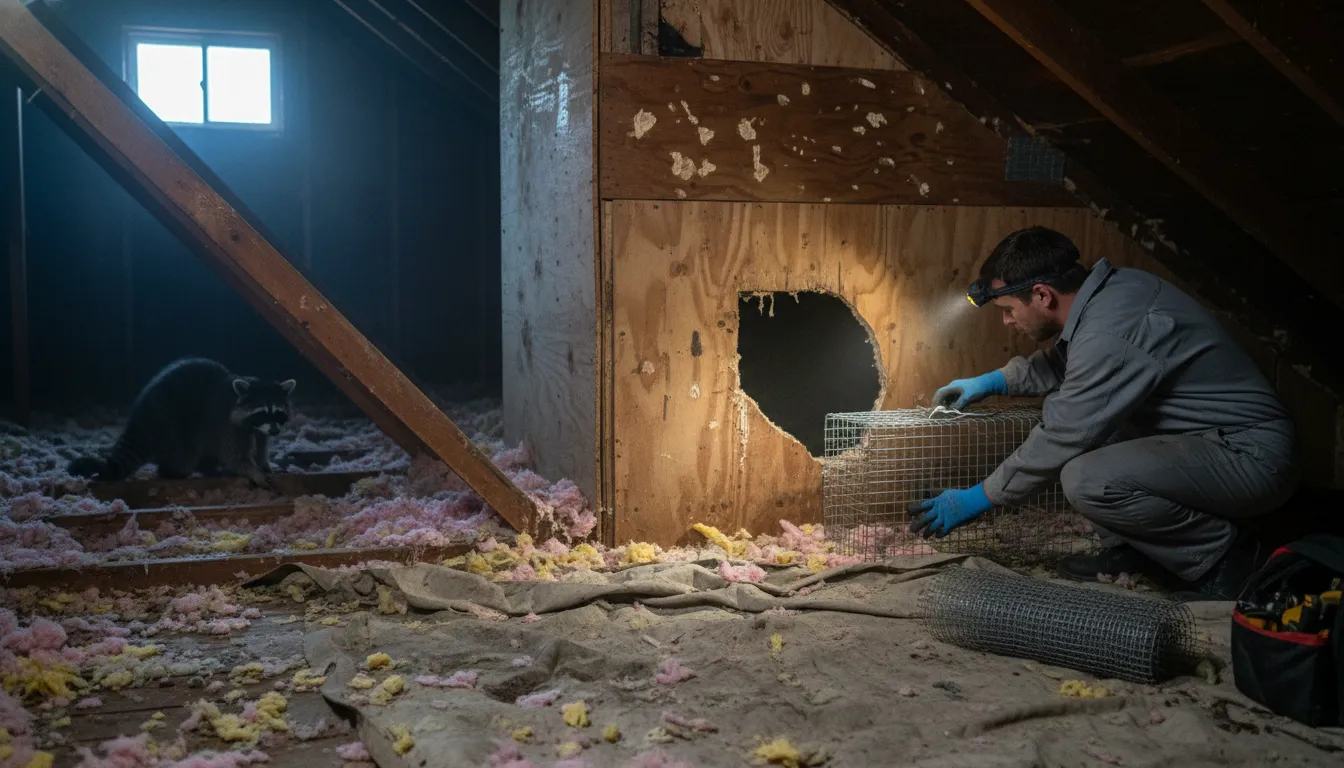
Find the Best Wildlife Removal Companies for Your Business
No obligation • Fast responses • Nationwide coverage

Why you can trust Pest Crews
Pest Crews is a leading U.S. resource for finding and evaluating residential and commercial pest control services. Our team researches providers, reviews treatment approaches, and organizes unbiased information to help you make informed decisions. Companies cannot pay to change our editorial content or influence how they appear.
Search providers near you
Top Wildlife Removal Companies in Pompano Beach, Florida Ranked
Living in Pompano Beach means sharing our beautiful coastal environment with a variety of native wildlife. While this biodiversity is a treasure, it can lead to conflicts when animals like raccoons, rodents, or squirrels decide your attic, soffits, or yard make a perfect home. Professional wildlife removal and animal control services are essential for resolving these conflicts safely, humanely, and in compliance with Florida's strict regulations. This guide will help you understand the common nuisance species in our area, the rules governing their management, and how to find qualified local experts to protect your property.
In Touch Pest Control
3489 NW 24th St, Lauderdale Lakes, FL 33311
In Touch Pest Control is a locally owned and family-operated pest control company serving Fort Lauderdale, FL, and surrounding South Florida communities. Established in 2005, they offer a range of pest management services including termite treatment, ant and rodent control, wildlife removal, and lawn pest services. Their certified team uses eco-conscious and family-safe methods to address common pests such as termites, ants, roaches, rodents, and outdoor invaders. They provide same-day service and specialize in sealing entry points to prevent rodent damage and health risks.
Tower Pest Control Inc
7760 W 20th Ave, Hialeah, FL 33016
Tower Pest Control Inc has been providing eco-friendly pest control services in Miami, FL, and South Florida since 1996. They specialize in treating a wide range of pests including bed bugs, termites, rodents, ants, cockroaches, mosquitoes, bees, and wildlife. Their approach focuses on using non-toxic, environmentally safe products and humane removal techniques to protect homes and businesses while preserving the local ecosystem. With over 25 years of experience, Tower Pest Control offers comprehensive termite inspections and organic pest control solutions tailored to the unique challenges of the Miami area.
Redline Iguana Removal
Pembroke Pines, FL
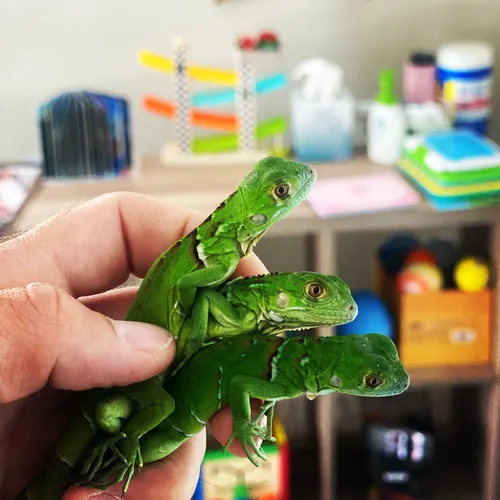
Redline Iguana Removal is a wildlife removal company based in Pembroke Pines, FL, specializing in humane iguana control. They serve Palm Beach, Broward, Miami-Dade, and Monroe counties, using hand-catching, trapping, and other approved methods to manage iguana populations. The company addresses property and landscape damage caused by iguanas, including tunnel digging, roof damage, and harm to gardens. They also focus on reducing health risks associated with iguana feces, which can carry salmonella. With over 15 years of experience, Redline Iguana Removal follows guidelines set by the Florida Fish and Wildlife Conservation Commission and now offers humane nuisance wildlife removal services for homeowners associations, managed communities, and private homeowners across South Florida.
Mitchell Pest Services - A Division of Turner Pest Control
4846 N University Dr #291, Lauderhill, FL 33351
Mitchell Pest Services - A Division of Turner Pest Control is a family-owned pest control company serving Fort Lauderdale, FL, and nearby areas since 2014. They provide residential and commercial pest management solutions including bed bug treatment, termite inspections, rodent control, mosquito control, and wildlife removal. Their approach uses integrated pest management techniques focused on identifying root causes and applying environmentally friendly treatments that are safe for homes and businesses. The company emphasizes local expertise to address Fort Lauderdale's unique pest challenges and offers ongoing maintenance to keep properties protected year-round.
Gables Pest Control
Miami, FL
Gables Pest Control is a family-owned pest control company based in Miami, FL, specializing in a wide range of pest management services. They treat homes and businesses using pet- and child-friendly insecticides for interior and exterior protection, focusing on pests such as ants, bed bugs, cockroaches, fleas, ticks, mosquitoes, rodents, spiders, wasps, and wildlife. The company also offers humane wildlife removal, safely relocating animals like raccoons, squirrels, and opossums. Owner Julio Fernandez brings over five years of experience and local knowledge to the business, ensuring tailored solutions for South Florida's unique pest challenges.
Common Nuisance Wildlife in Pompano Beach
South Florida's urban-wildland interface brings a specific set of animals into frequent contact with homes and businesses. Knowing what you're dealing with is the first step.
Mammals:
- Raccoons: Intelligent and dexterous, these masked bandits are notorious for rummaging through trash, damaging roofs to gain attic access, and creating latrines that pose health risks.
- Rodents: This includes both roof rats and Norway rats, as well as house mice. They chew wires (a fire hazard), contaminate insulation with droppings, and can reproduce rapidly inside walls.
- Squirrels: Typically eastern gray squirrels, they chew entry holes into attics and eaves, often storing food and creating noise, especially during dawn and dusk.
- Opossums: While they eat pests like insects and snails, they may take shelter under decks, in crawl spaces, or in garages, and can sometimes get into conflicts with pets.
- Armadillos: These digging experts can quickly turn a manicured lawn into a pockmarked landscape as they search for grubs and insects 1.
- Foxes & Bobcats: While less common in dense urban areas, they may be encountered in more suburban parts of Pompano Beach. The Florida Fish and Wildlife Conservation Commission (FWC) has specific regulations regarding these species.
Birds (Non-Native & Nuisance Species): Florida law allows for the control of certain non-native birds without a permit. Common problems in Pompano Beach include:
- Pigeons (Rock Doves): Their acidic droppings damage buildings and vehicles, and they can block gutters and vents with nests.
- House Sparrows & European Starlings: These birds often nest in building crevices, vents, and signage, leading to clogged drains and noise issues 2.
- Monk Parakeets: Known for building large, bulky communal nests on power poles and transformers, which can create fire hazards and power outages.
Understanding Florida's Wildlife Regulations
Attempting DIY animal trapping or removal in Pompano Beach without understanding the law can lead to violations. The FWC sets the rules to ensure humane treatment and ecological responsibility 3.
Key Regulations for Property Owners:
- Permission to Trap: You must have the property owner's permission to set any traps.
- Humane Treatment: It is illegal to inhumely treat or torment any animal. This includes the use of poisons, which are generally prohibited for wildlife control and can have devastating effects on non-target animals and pets.
- Relocation Restrictions: Relocating trapped wildlife is heavily regulated. You generally cannot transport and release an animal on public land or another person's private property without their written permission. The FWC strongly discourages relocation, as it often leads to the animal's death from stress or territory conflicts and can spread disease. The legal alternative is to release the animal on-site where it was captured or humanely euthanize it 4.
- Protected Species: All native wildlife is protected by law. You cannot legally possess or harm them without specific authorization from the FWC.
When Permits Are Required: The FWC requires permits for certain control methods and species. For example, using steel traps, snares, or firearms for trapping often requires a nuisance wildlife permit, especially for species like beaver, bobcat, or otter. A registered Nuisance Wildlife Control Operator (NWCO) carries the necessary permits and understands these complex regulations, which is a primary reason to hire a professional.
The Wildlife Removal Process: From Inspection to Exclusion
Professional wildlife control is more than just trapping an animal; it's a systematic process to solve the problem permanently.
1. Inspection and Assessment A qualified technician will perform a thorough inspection of your property, inside and out, to identify the species involved, locate all entry points, assess the extent of the infestation, and look for sanitation issues (like droppings or food sources).
2. Humane Removal and Trapping Using methods compliant with FWC guidelines, the technician will deploy appropriate, species-specific traps. These are checked frequently, as regulations often require animals to be released or euthanized within 24 hours of capture. For animals actively inside a living space, technicians may use one-way exclusion doors or direct capture techniques.
3. Exclusion and Repair This is the most critical step to prevent recurrence. After all animals are removed, the technician will seal every identified entry point with durable materials like steel mesh, hardware cloth, or specialized vent covers. This work, often called "building them out," is what turns a temporary removal into a long-term solution.
4. Cleanup and Sanitation Wildlife leaves behind droppings, urine, nesting materials, and food caches that can pose health risks and attract new pests. Professionals offer biohazard cleanup services, using disinfectants and enzyme cleaners to decontaminate affected areas like attics and crawl spaces.
5. Prevention and Habitat Modification Finally, a good service will provide recommendations to make your property less attractive. This may include securing trash cans with locking lids, trimming tree branches away from the roof, removing pet food at night, and clearing dense vegetation near the foundation.
Find the perfect wildlife removal companies for your needs
Get personalized recommendations and expert advice
DIY Prevention Tips for Pompano Beach Homeowners
Before wildlife becomes a problem, proactive measures can save you time, money, and stress.
- Seal Entry Points: Conduct seasonal inspections of your roofline, soffits, vents, and foundation. Look for gaps, rotten wood, or loose siding. Even a hole the size of a quarter can admit a mouse 5.
- Manage Food Sources: Use trash cans with tight-fitting, locking lids. Do not leave pet food outdoors overnight. Pick up fallen fruit from trees and secure compost bins.
- Modify Habitat: Keep tree limbs trimmed at least 6-10 feet away from your roof. Reduce dense ground cover and piles of debris (like lumber or leaves) near your home where animals can hide or nest 6.
- Use Deterrents Thoughtfully: Motion-activated sprinklers or lights can discourage some animals from frequenting a specific area. Ultrasonic devices have mixed results and are often not a standalone solution 7.
When to Call a Professional vs. Handle It Yourself
You may handle it yourself if: The problem is minor and temporary, such as a single opossum passing under your deck, and you are comfortable implementing preventive measures like securing trash. For non-native birds like pigeons or sparrows, you may install physical deterrents like bird spikes or netting 8.
You should call a professional wildlife removal service for:
- Animals inside the living structure of your home (attic, walls, chimney, crawl space).
- Signs of persistent activity, like recurring noises, droppings, or damage.
- Complex situations involving maternal dens with young, which require specialized handling.
- Whenever you are unsure of the species, the regulations, or the safest removal method.
- To perform permanent exclusion work that requires climbing ladders, working on roofs, or using specialized materials 9 10.
Who to Contact for Wildlife Issues in Pompano Beach
Knowing which agency or service to call streamlines getting help.
- Private Wildlife Removal Companies: For direct, hands-on removal, exclusion, and cleanup services on your private property. These are licensed and registered Nuisance Wildlife Control Operators (NWCOs) 11.
- Florida Fish & Wildlife Conservation Commission (FWC): The primary regulatory body. Contact them for questions about regulations, protected species, or to report someone illegally trapping or relocating wildlife 12 13.
- Pompano Beach Animal Control: It's important to note that the City of Pompano Beach's Animal Control division primarily handles domestic animals-such as stray dogs and cats, animal abuse cases, and dangerous dog complaints. They typically do not respond to or manage nuisance wildlife situations 14. For wildlife, they will often refer you to the FWC or a private trapper.
Understanding Costs for Wildlife Control
The cost for animal trapping and removal in Pompano Beach varies based on several factors, including the type of wildlife, the extent of the infestation, the number of service visits required, and the complexity of the exclusion repairs needed. Basic removal services for a common issue, like squirrels in an attic, can start around $299 or more 15. It's always best to get a detailed, in-person inspection and estimate from a reputable company, as the cheapest option may not include critical exclusion work, leading to a recurring problem.
Frequently asked questions
Sources
Footnotes
-
Miramar Beach Animal Removal - Coastal Wildlife Removal - https://www.coastalanimalremoval.com/miramarbeach ↩
-
Overview of How to Stop Damage Caused by Nuisance Wildlife in ... - https://edis.ifas.ufl.edu/publication/UW368 ↩
-
Resources Nuisance Wildlife - Broward County - https://www.broward.org/Animal/Resources/pages/nuisancewildlife.aspx ↩
-
Relocating Wildlife - FWC - https://myfwc.com/conservation/you-conserve/wildlife/relocate/ ↩
-
Wildlife Control Methods | NWCTP - https://wildlifecontroltraining.com/training/wildlife-control-methods/ ↩
-
Nuisance Wildlife Removal - Turner Pest Control - https://www.turnerpest.com/nuisance-wildlife-removal/ ↩
-
I have a question about nuisance wildlife trapping. Do I need any ... - https://www.fdacs.gov/Business-Services/Pest-Control/Pest-Control-FAQ/I-have-a-question-about-nuisance-wildlife-trapping.-Do-I-need-any-sort-of-state-pest-control-license-to-trap-wild-hogs-raccoons-opossums-etc. ↩
-
Nuisance Wildlife - Solutions for Your Life - UF/IFAS Extension - https://sfyl.ifas.ufl.edu/natural-resources/nuisance-wildlife/ ↩
-
Wildlife Removal and Wildlife Control in Pompano Beach FL - https://www.xceptionalwildlife.com/florida/broward-county/pompano-beach/ ↩
-
Pompano Beach Wildlife Removal, Pest Animal Control FL - http://www.wildlife-removal.com/city/FL-Pompano-Beach.htm ↩
-
Nuisance Wildlife Control Operator Registration - FWC - https://myfwc.com/license/wildlife/nuisance-wildlife-permits/trapper-registration/ ↩
-
FAQs: Nuisance Wildlife | FWC - https://myfwc.com/conservation/you-conserve/wildlife/faqs/ ↩
-
Nuisance Wildlife Permits - FWC - https://myfwc.com/license/wildlife/nuisance-wildlife-permits/ ↩
-
Animal Control | City of Pompano Beach - https://www.pompanobeachfl.gov/government/public-works/animal-control ↩
-
Prices for Pompano Beach Wildlife Pest Control Animal Trapping - http://www.aaanimalcontrol.com/Professional-Trapper/prices/FL-Pompano-Beach-prices.htm ↩