Find the Best Wildlife Removal Companies for Your Business
No obligation • Fast responses • Nationwide coverage

Why you can trust Pest Crews
Pest Crews is a leading U.S. resource for finding and evaluating residential and commercial pest control services. Our team researches providers, reviews treatment approaches, and organizes unbiased information to help you make informed decisions. Companies cannot pay to change our editorial content or influence how they appear.
Search providers near you
Top Wildlife Removal Companies in Sarasota, Florida Ranked
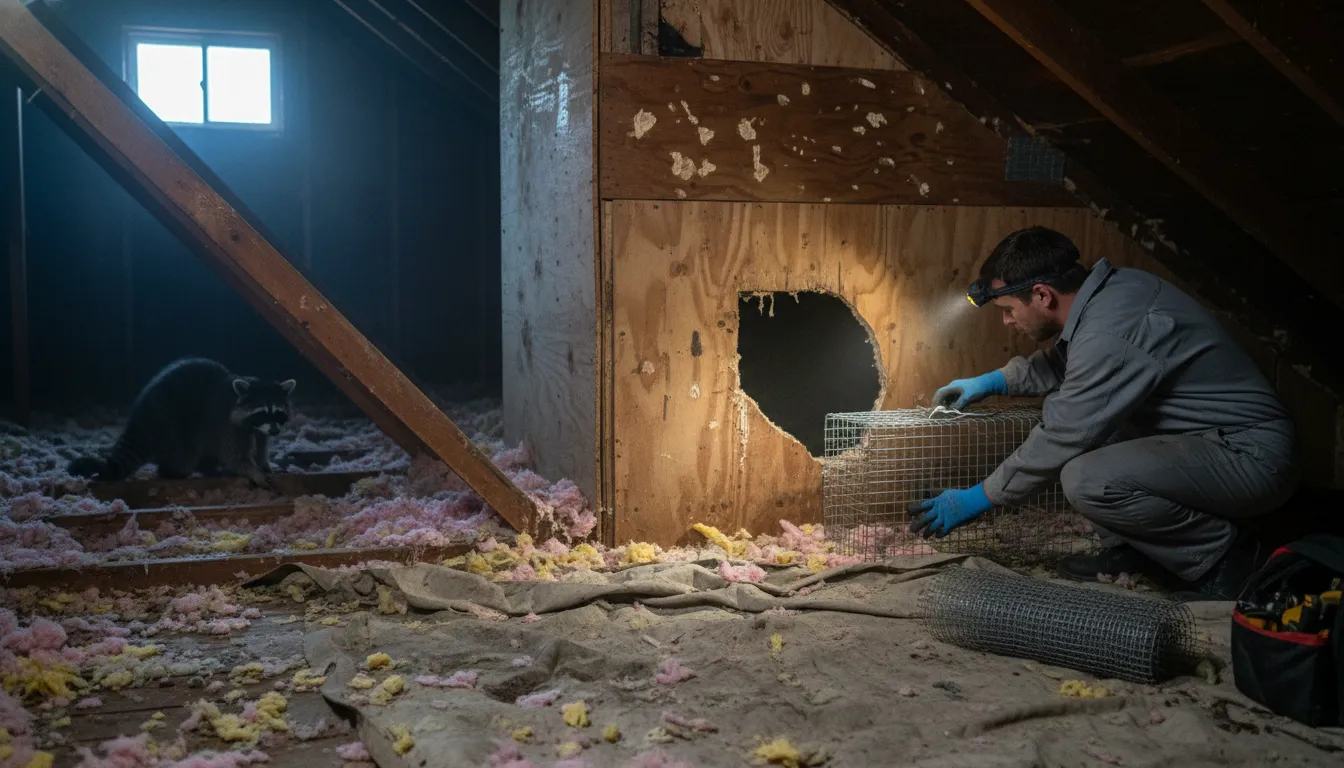
Living in Sarasota means sharing our beautiful environment with a diverse array of native wildlife. While this is part of Florida's charm, it can become a significant problem when raccoons, squirrels, or bats decide your attic is their new home. Professional wildlife removal is the safe, legal, and humane process of evicting nuisance animals from your property and implementing solutions to prevent their return. This resource is designed to help you understand your options, navigate Florida's specific regulations, and connect with qualified local experts who can resolve your wildlife conflict effectively.
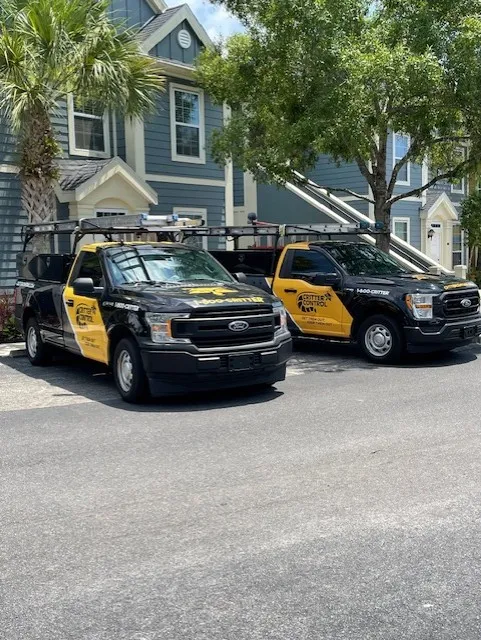
Critter Control of Sarasota
Fort Lauderdale, FL
Critter Control of Sarasota provides wildlife removal and pest control services in Fort Lauderdale, FL. They specialize in humane removal and exclusion of nuisance animals such as raccoons, squirrels, bats, rats, and birds. Their process includes thorough inspections, species-specific removal techniques, and repairs to prevent re-entry. The company also offers attic remediation for contamination caused by wildlife. Critter Control of Sarasota follows local regulations for protected species and provides 24/7 emergency wildlife removal services. They serve Sarasota County, Manatee County, and nearby Gulf Coast communities.
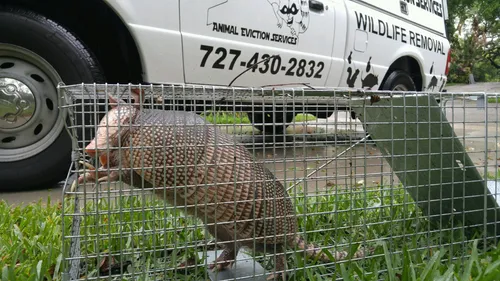
Animal Eviction Services, LLC
Tampa, FL
Animal Eviction Services, LLC is a wildlife removal company based in Tampa, FL. They offer humane removal services for both residential and commercial customers. Their work includes sealing entry points with durable materials like vinyl coated aluminum, concrete, stucco, and galvanized hardware cloth to prevent animals from reentering structures. The company serves Tampa and surrounding areas including Clearwater, St. Petersburg, Palm Harbor, Tierra Verde, and Dunedin. They provide 24/7 availability to address wildlife issues promptly.
Advent pest control
4526 Long Branch Ln, Palmetto, FL 34221
Advent Pest Control is a family-owned pest control company serving St Petersburg, FL. They specialize in managing a variety of pests including cockroaches, ants, rodents, mosquitoes, and wildlife for both residential and commercial properties. The company uses eco-friendly solutions to protect families and businesses while effectively eliminating pests. With over 10 years of experience, Advent Pest Control offers 24/7 emergency service to address urgent pest issues promptly.
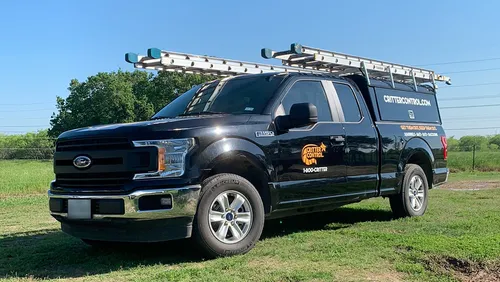
Critter Control of Southwest Florida
Cape Coral, FL
Critter Control of Southwest Florida provides wildlife removal and pest control services in Cape Coral, FL. They specialize in humane removal of raccoons, rodents, squirrels, bats, and skunks, along with inspection, exclusion, and repair to prevent future intrusions. Their process includes thorough inspections to identify animal activity, strategic trapping or exclusion methods, and restoration of any damage caused by wildlife. The company serves both residential and commercial properties, addressing issues like attic infestations, structural damage, and pest-borne diseases. Critter Control of Southwest Florida operates with trained specialists who use advanced techniques and offers 24/7 availability for wildlife emergencies.
Hughes Exterminators
2506 Manatee Ave W, Bradenton, FL 34205
Hughes Exterminators is a pest control company based in Tampa, FL, offering services in ant control, rodent control, termite inspections, mosquito control, bee and wasp removal, and wildlife removal. They address a variety of local pest threats including subterranean termites, multiple ant species, mosquitoes carrying diseases, fleas, ticks, fire ants, stinging insects, rodents, and wildlife such as squirrels and raccoons. Their expertise includes managing complex infestations that require species-specific treatments to effectively protect homes and health.
Understanding Sarasota's Common Nuisance Wildlife
Sarasota's mix of urban areas, coastal habitats, and green spaces attracts a variety of animals that can become problematic for homeowners. Knowing which species you're dealing with is the first step toward a solution.
The most frequent offenders include raccoons, known for tearing into soffits and roofs to create dens. Rodents like rats and mice are common invaders seeking food and shelter. Squirrels often enter attics and can cause extensive damage to wiring and insulation. Opossums, while generally less destructive, may take up residence under decks or in crawlspaces. Armadillos are notorious for their digging, which can ruin lawns and gardens 1.
You may also encounter more specialized cases. Bats are a protected species in Florida and require specific, legal exclusion methods. Snakes, including some venomous varieties, can appear in yards or even inside homes. While less common within city limits, sightings of wild hogs (which cause landscape damage) and larger mammals like black bears or coyotes are increasing as development encroaches on their habitats 2 3.
Florida Wildlife Regulations: What Homeowners Need to Know
In Florida, all native wildlife is regulated by the Florida Fish and Wildlife Conservation Commission (FWC). Understanding these rules is crucial, whether you plan to handle a situation yourself or hire a professional.
General Rules for Homeowners: Florida law allows property owners to take (trap or kill) nuisance wildlife that is causing property damage or posing a threat to human safety, provided specific guidelines are followed 4. For many common animals like raccoons, opossums, and armadillos, you can use live traps or snares during daylight hours without an additional permit 5.
Critical Rules for Captured Animals: If you live-trap an animal, state law mandates that it must be humanely euthanized or released on the same contiguous property where it was captured within 24 hours. Releasing it elsewhere is only legal if you have written permission from a landowner with a minimum of 40 contiguous acres within the same county 6. This "on-site release" rule is designed to prevent the spread of disease and avoid simply transferring a problem to a neighbor.
Prohibited Methods & Special Cases: The use of poison for wildlife control is generally prohibited. Trapping certain species, using steel traps, or using a firearm and light at night requires a specific permit from the FWC 7. Protected species, most notably bats, cannot be harmed or excluded during their maternity season (April 15 - August 15) without special authorization 8.
Animal Control vs. Professional Wildlife Removal: Who to Call
A common point of confusion for residents is knowing which agency or service to contact. The roles are distinct, and calling the wrong one can delay a solution.
Sarasota County Animal Services (941-861-9500) is a public agency that primarily handles domestic animal issues and public safety emergencies 9 10. You should contact Animal Services for:
- Stray, lost, or aggressive dogs and cats.
- Reports of animal cruelty or neglect.
- Injured domestic pets in public spaces.
- Animals suspected of having rabies.
Importantly, Animal Services typically does not enter private homes, attics, or crawlspaces to remove wild animals. They also do not provide repair work, sanitation services, or long-term exclusion strategies for wildlife conflicts on private property 11 12.
Private Wildlife Removal Professionals, also known as Nuisance Wildlife Control Operators (NWCOs), are licensed specialists you hire for most wildlife issues in and around your home 13. You should contact a private NWCO for:
- Noises (scratching, scurrying) in your attic, walls, or chimney.
- An animal actively trapped inside your living space.
- Persistent nuisance wildlife presence on your property.
- Property damage caused by wildlife (e.g., chewed wires, torn insulation).
- Removal of protected species like bats or certain birds using legal methods.
- The crucial follow-up services of sealing entry points and cleaning up waste (guano, urine).
The FWC maintains an online directory of registered Nuisance Wildlife Control Operators, which is a reliable place to start your search for a qualified professional 14.
Find the perfect wildlife removal companies for your needs
Get personalized recommendations and expert advice
The Professional Wildlife Removal Process
When you hire a professional, you're paying for expertise, proper equipment, and a permanent solution. A reputable service will follow a multi-step process.
- Inspection and Assessment: The technician will perform a thorough inspection of your property, inside and out, to identify the species, locate all potential entry points, and assess the extent of the damage and contamination.
- Humane Removal: Using methods compliant with FWC regulations, the animals will be removed. This may involve live trapping, one-way exclusion doors, or hands-on extraction, depending on the species and situation.
- Clean-up and Sanitation: This critical step is often overlooked. Wildlife waste poses health risks and contains pheromones that attract new animals. Professionals will remove contaminated insulation, droppings, and urine, then apply enzymatic cleaners and disinfectants.
- Exclusion and Repair: Simply removing the animals is not enough. The service will seal all identified entry points with durable materials like steel mesh, hardware cloth, or specialized vent covers to prevent re-entry.
- Restoration: Many companies offer or can coordinate repair services for the damage caused, such as replacing insulation, repairing ductwork, or fixing chewed electrical wires.
Cost of Wildlife Removal in Sarasota
The cost for professional animal control services varies significantly based on the species, the location of the animal (e.g., in an open yard vs. deep in an attic), the complexity of the removal, and the extent of necessary repairs and clean-up 15.
| Animal | Average Cost to Remove | Details |
|---|---|---|
| Squirrels | $250 - $600 | Often involves live-trapping, exclusion work, and repair of entry points in the roof or soffits. |
| Raccoons | $200 - $600 | Includes trapping/relocation and securing den sites, often requiring more robust repairs. |
| Bats | $230 - $700 (for removal) | Protected species requiring specialized, legal exclusion devices; significant guano cleanup and insulation replacement can add thousands. |
| Opossums | $150 - $350 | Generally involves live trapping from under decks or crawlspaces and sealing access points. |
| Rats & Mice | $150 - $600 | Interior rodent issues often require a technician with a Limited Wildlife Management Certificate; price depends on infestation scope. |
| Snakes | $150 - $600 | Costs are higher for venomous snake removal or extraction from hard-to-reach areas like inside walls. |
It's important to note that homeowner's insurance typically does not cover the cost of wildlife removal itself, as it is often considered a preventable maintenance issue. However, your policy may cover repairs for related property damage (like a raccoon-torn roof), so it's worth checking with your insurer 16.
Prevention: The First Line of Defense
The FWC and wildlife experts consistently emphasize that prevention is more effective and less costly than removal 17 18. Key strategies include:
- Secure Food Sources: Use wildlife-resistant garbage cans with locking lids. Never leave pet food outdoors overnight. Keep barbecue grills clean and secure compost bins.
- Eliminate Shelter: Seal potential entry points before animals find them. Install chimney caps and secure attic vents with steel mesh. Keep tree branches trimmed back at least 6-10 feet from your roofline.
- Manage Your Landscape: Avoid dense, overgrown vegetation close to your home's foundation. Pick up fallen fruit from trees. Consider fencing to deter digging animals like armadillos.
- Be Proactive: If you hear noises or see signs of wildlife, act quickly. A small, recent problem is far easier and cheaper to resolve than an established infestation with a breeding colony.
Frequently asked questions
Sources
Footnotes
-
Sarasota Wildlife Animal Control - Trappers and Pest Removal - http://www.wildlifeanimalcontrol.com/Sarasota.html ↩
-
FAQs: Nuisance Wildlife - FWC - https://myfwc.com/conservation/you-conserve/wildlife/faqs/ ↩
-
Will a Fence Keep Coyotes Out of Your Yard? - https://www.freedomfencefl.com/will-a-fence-deter-coyotes ↩
-
FAQs: Nuisance Wildlife - FWC - https://myfwc.com/conservation/you-conserve/wildlife/faqs/ ↩
-
I have a question about nuisance wildlife trapping. Do I need any ... - https://www.fdacs.gov/Business-Services/Pest-Control/Pest-Control-FAQ/I-have-a-question-about-nuisance-wildlife-trapping.-Do-I-need-any-sort-of-state-pest-control-license-to-trap-wild-hogs-raccoons-opossums-etc. ↩
-
Relocating Wildlife - FWC - https://myfwc.com/conservation/you-conserve/wildlife/relocate/ ↩
-
Nuisance Wildlife Permits - FWC - https://myfwc.com/license/wildlife/nuisance-wildlife-permits/ ↩
-
Nuisance Wildlife Removal - Turner Pest Control - https://www.turnerpest.com/nuisance-wildlife-removal/ ↩
-
Sarasota Wildlife Removal, Pest Animal Control FL - http://www.wildlife-removal.com/city/FL-Sarasota.htm ↩
-
Guide to Code Compliance - City of Sarasota - https://www.sarasotafl.gov/Department-Pages/Development-Services/Code-Compliance/Guide-to-Code-Compliance ↩
-
Animal Control vs Wildlife Removal - What's the Difference? - https://gorocketpest.com/wildlife-removal/animal-control-vs-wildlife-removal/ ↩
-
How We Solve Bradenton Wildlife Problems - http://bradentonwildlife.com/how.html ↩
-
Animal Control Vs. Wildlife Removal Services - https://www.summitwildliferemoval.com/about-us/blog/animal-control-vs-wildlife-removal-services/ ↩
-
Nuisance Wildlife Control Operator Registration - FWC - https://myfwc.com/license/wildlife/nuisance-wildlife-permits/trapper-registration/ ↩
-
How Much Does Wildlife Removal Cost? - Angie's List - https://www.angi.com/articles/what-cost-animal-removal.htm ↩
-
How much does animal & wildlife removal cost? - HomeGuide - https://homeguide.com/costs/animal-and-wildlife-removal-costs ↩
-
Nuisance Wildlife - Solutions for Your Life - UF/IFAS Extension - https://sfyl.ifas.ufl.edu/natural-resources/nuisance-wildlife/ ↩
-
Bylaw - FWC - https://myfwc.com/wildlifehabitats/wildlife/bear/living/community-group/bylaw/ ↩