Find the Best Wildlife Removal Companies for Your Business
No obligation • Fast responses • Nationwide coverage

Why you can trust Pest Crews
Pest Crews is a leading U.S. resource for finding and evaluating residential and commercial pest control services. Our team researches providers, reviews treatment approaches, and organizes unbiased information to help you make informed decisions. Companies cannot pay to change our editorial content or influence how they appear.
Search providers near you
Top Wildlife Removal Companies in Winter Haven, Florida Ranked
Living in Central Florida means sharing your environment with a vibrant array of wildlife. While this biodiversity is a point of pride, it can become a significant problem when raccoons, squirrels, snakes, or other animals decide your attic, crawlspace, or yard is their new home. Wildlife removal in Winter Haven focuses on the safe, legal, and humane resolution of conflicts between humans and nuisance animals. This involves not just trapping, but a comprehensive approach of exclusion, damage repair, and prevention. Understanding your options and the relevant Florida Fish and Wildlife Conservation Commission (FWC) regulations is crucial for protecting your property and ensuring the animals are handled responsibly.
This resource is designed to help Winter Haven residents navigate the complexities of nuisance wildlife. You'll find information on common local pests, effective prevention strategies, legal guidelines for DIY removal, and guidance on when to call a professional. Our goal is to connect you with the knowledge needed to address wildlife issues efficiently and ethically.
Bee Serious Bee Removal
632 Ave T SE, Winter Haven, FL 33880
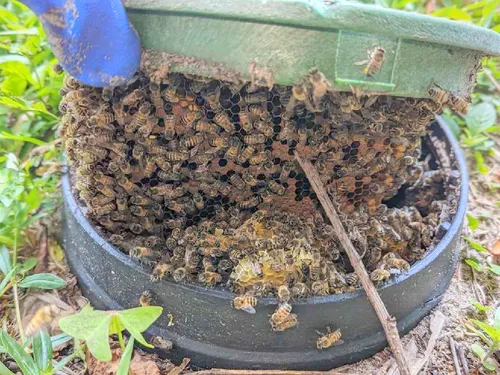
Bee Serious Bee Removal is a veteran-owned, family-operated business serving Tampa, FL, and the broader Central Florida area. They specialize in ethical bee and wasp removal, wildlife removal, and commercial pest control. With over a decade of experience, their team focuses on relocating bees safely and managing pest issues for homes, businesses, and municipalities. Bee Serious is known for its professional approach and commitment to treating each property with care. They also offer beekeeping supplies such as five-frame nucleus colonies for new or expanding apiaries.
Critter Guys Wildlife
Orlando, FL
Critter Guys Wildlife is a wildlife removal company based in Orlando, FL. They provide services for a variety of animals including rodents like rats and squirrels, as well as bees, snakes, bats, and other wildlife. Their team is trained to handle different types of pests and offers free inspections to assess the situation.
Wildout Animal & Pest Removal Lakeland
Tampa, FL
Wildout Animal & Pest Removal Lakeland provides wildlife removal and pest control services in Tampa, FL. They specialize in humane trapping, removal, exclusion, cleanup, and repairs to address local wildlife conflicts. The company is fully licensed and insured, with expertise in managing the unique wildlife challenges of the Polk County area. Their services include sealing entry points to prevent future animal intrusions, offering a comprehensive approach to wildlife control.
All Pro Wildlife, LLC
1308 N Ferrell St, Plant City, FL 33563
All Pro Wildlife, LLC is a licensed and insured wildlife removal company serving Tampa, FL, and the greater Tampa Bay area. They specialize in humane removal and prevention of nuisance wildlife such as raccoons, squirrels, bats, rats, opossums, armadillos, snakes, and pigeons. Their services include attic wildlife removal, general critter trapping, damage and exclusion repairs with a written guarantee, attic decontamination, and dead animal removal. The company operates 24/7 and focuses on finding and sealing entry points to prevent future infestations, offering permanent solutions backed by quality repair work. Owner Mike Spanola manages the business directly, emphasizing respectful treatment of wildlife and personalized service.
Common Nuisance Wildlife in Winter Haven
The warm climate and diverse habitats around Winter Haven support numerous species that can become problematic for homeowners. Identifying the animal is the first step toward an effective solution.
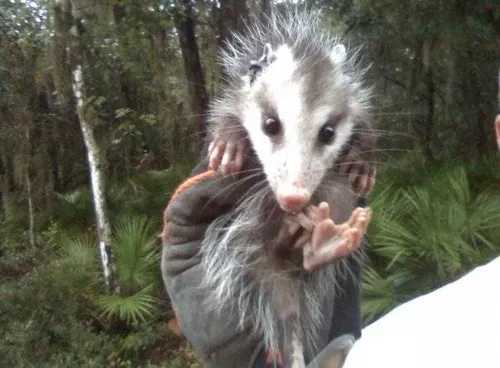
Mammals: This is the most frequent category of nuisance wildlife. Raccoons are notorious for rummaging through garbage and nesting in attics. Squirrels and rats can chew through wiring and insulation, creating fire hazards and costly damage. Opossums and armadillos often dig up lawns in search of food. Notably, wild hogs are a growing concern in Polk County, causing extensive landscape destruction and posing a threat to pets 1.
Birds: Bird-related issues often involve non-native species. Pigeons, European Starlings, and House Sparrows are not protected by federal law and can be managed if they are creating health hazards or property damage. However, it is critical to remember that almost all native bird species, their nests, and eggs are protected under the Migratory Bird Treaty Act and cannot be harmed or removed without special permits 2.
Reptiles: Various snake species are common in Florida. While most are non-venomous and beneficial for rodent control, venomous species like cottonmouths, rattlesnakes, and coral snakes do inhabit the area. Snakes often enter properties seeking shelter or prey, such as rodents.
Legal Framework: Understanding FWC Regulations
Before taking any action, it's essential to understand the legal landscape governed by the Florida Fish and Wildlife Conservation Commission (FWC). These rules are designed to protect both wildlife and public safety.
Homeowner Rights and Trapping: Florida law allows homeowners to trap nuisance wildlife on their own property. You do not need a general nuisance wildlife permit for this. However, if you are trapping on someone else's property, you must have written permission from the landowner 3. Live traps are commonly used for mammals like raccoons and squirrels.
The Critical Rule on Relocation: One of the most important FWC regulations concerns the disposition of trapped animals. It is illegal to relocate live-captured native nuisance wildlife off your property without specific authorization. The options are strictly limited: the animal must be released on-site, euthanized humanely, or released on the property of someone who has given you written permission and is within the same county, not more than 40 yards from the capture site. Releasing animals in parks, public lands, or other neighborhoods is prohibited and can spread disease and create problems for others 4.
Special Cases: Regulations differ for specific animals. Bats, for instance, have protected maternity seasons where exclusion is illegal. Bears are protected, and specific ordinances (like securing trash) apply in certain communities 5. For non-native species like wild hogs or invasive birds, the rules are less restrictive, but safe practices are still paramount.
Effective Prevention and Exclusion Strategies
The most cost-effective and permanent form of wildlife control is to make your property less attractive and accessible to animals. Prevention is always better than removal.
Eliminate Food Sources: Secure your garbage cans with tight-fitting lids or bungee cords. Do not leave pet food outdoors overnight. Clean barbecue grills after use and consider using squirrel-proof bird feeders or placing them well away from the house.
Seal Entry Points: Conduct a thorough inspection of your home's exterior. Look for gaps in soffits, loose roof vents, broken screens, and openings where utility lines enter. Use high-quality materials like hardware cloth, steel wool (for rodents), and caulk to seal any holes. Remember, a gap as small as a quarter can admit a mouse, and one the size of a baseball can admit a raccoon.
Modify Habitat: Keep tree branches trimmed back at least 6-10 feet from your roof to limit access for squirrels and raccoons. Store firewood away from the house and keep yards tidy to reduce shelter for snakes and rodents.
Find the perfect wildlife removal companies for your needs
Get personalized recommendations and expert advice
DIY Wildlife Removal: What You Can Do Safely
For minor issues, homeowners can take direct action, provided they follow safety protocols and legal guidelines.
Live Trapping: For mammals like raccoons, opossums, and armadillos, live cage traps baited with appropriate food (canned cat food, fruit, peanuts) can be effective. Traps should be set during daylight hours and checked frequently. You are then legally responsible for the trapped animal, adhering to the FWC release/euthanasia rules mentioned above 6.
Using Firearms: Florida law allows the use of firearms to take nuisance wildlife on your property during daylight hours, but you must first check all local city and county ordinances regarding the discharge of firearms. Safety is the utmost priority, and this method is generally not recommended in suburban areas 7.
What NOT to Do:
- Never use poison for rodents. Poisoned rodents often die in inaccessible wall voids, causing severe odor problems and posing risks of secondary poisoning to pets, children, or wildlife that may eat the carcass.
- Never attempt to handle wildlife with your hands. Even small animals can bite and carry diseases like rabies or leptospirosis.
- Do not feed bears or other dangerous wildlife intentionally. This habituates them to humans and is often illegal 8.
When to Call a Professional Wildlife Removal Service
While DIY methods have their place, many situations warrant the expertise of a licensed professional.
Complex Infestations: If you have a family of raccoons in your attic, a colony of bats, or a significant rodent infestation, professional intervention is advised. Professionals have the tools and knowledge for humane removal and, crucially, can find and seal all potential entry points to prevent recurrence.
Dangerous Animals: If an animal is acting aggressively, appears disoriented (a potential sign of rabies), or is a venomous snake in a high-traffic area, do not approach it. Professionals are trained to handle these hazardous situations safely.
Structural Damage and Cleanup: After animals are removed, they often leave behind contaminated insulation, droppings, and urine. Professionals offer sanitization, deodorization, and attic restoration services to make your home safe and clean again. They can also repair chewed wires, damaged ductwork, and holes in the structure.
Uncertainty or Legal Complexity: If you are unsure of the species, the applicable laws (especially regarding protected species or bats), or the most effective removal method, a professional consultation can provide clarity and ensure compliance.
Understanding Service Costs in Winter Haven
The cost for professional wildlife control in Winter Haven varies based on the animal, the extent of the problem, and the services required. Most companies charge for an initial inspection and then provide a quote for removal and exclusion.
- Inspection & Removal (Raccoons/Squirrels): Typically ranges from $150 to $400 per trap or service visit. This often includes setting traps and removing the animal(s) 9.
- Rodent (Rat/Mouse) Control: Can cost between $200 and $500 or more, as it usually involves a combination of trapping and extensive exclusion work to seal the home.
- Bat Exclusion: This is a specialized and complex job, generally costing between $400 and $1,000+. It involves installing one-way exits after the maternity season and meticulously sealing the entire perimeter of the home to prevent re-entry 10.
- Snake Removal: A single visit for snake removal usually costs between $100 and $300 11 12.
- Cleanup & Decontamination: Additional services for biohazard cleanup, insulation replacement, and odor removal are priced separately and depend on the size of the affected area.
Frequently asked questions
Sources
Footnotes
-
Nuisance Wildlife Removal - Florida Pest Control - https://www.flapest.com/nuisance-wildlife-control/ ↩
-
Overview of How to Stop Damage Caused by Nuisance Wildlife in ... - https://edis.ifas.ufl.edu/publication/UW368 ↩
-
I have a question about nuisance wildlife trapping. Do I need any ... - https://www.fdacs.gov/Business-Services/Pest-Control/Pest-Control-FAQ/I-have-a-question-about-nuisance-wildlife-trapping.-Do-I-need-any-sort-of-state-pest-control-license-to-trap-wild-hogs-raccoons-opossums-etc. ↩
-
Relocating Wildlife - FWC - https://myfwc.com/conservation/you-conserve/wildlife/relocate/ ↩
-
Nuisance Wildlife Control Operator Registration - FWC - https://myfwc.com/license/wildlife/nuisance-wildlife-permits/trapper-registration/ ↩
-
Nuisance Wildlife Removal - Turner Pest Control - https://www.turnerpest.com/nuisance-wildlife-removal/ ↩
-
FAQs: Nuisance Wildlife | FWC - https://myfwc.com/conservation/you-conserve/wildlife/faqs/ ↩
-
Bylaw - FWC - https://myfwc.com/wildlifehabitats/wildlife/bear/living/community-group/bylaw/ ↩
-
Winter Haven Wildlife Animal Control - Removal of - http://www.wildlifeanimalcontrol.com/Winter-Haven.html ↩
-
Nuisance Wildlife - Solutions for Your Life - UF/IFAS Extension - https://sfyl.ifas.ufl.edu/natural-resources/nuisance-wildlife/ ↩
-
Winter Haven Wildlife Removal, Pest Animal Control FL - http://www.wildlife-removal.com/city/FL-Winter-Haven.htm ↩
-
Best Wildlife Removal Control Winter Haven, FL - https://wildremoval.com/service-areas/winter-haven/ ↩