Find the Best Wildlife Removal Companies for Your Business
No obligation • Fast responses • Nationwide coverage

Why you can trust Pest Crews
Pest Crews is a leading U.S. resource for finding and evaluating residential and commercial pest control services. Our team researches providers, reviews treatment approaches, and organizes unbiased information to help you make informed decisions. Companies cannot pay to change our editorial content or influence how they appear.
Search providers near you
Top Wildlife Removal Companies in Burlington, North Carolina Ranked
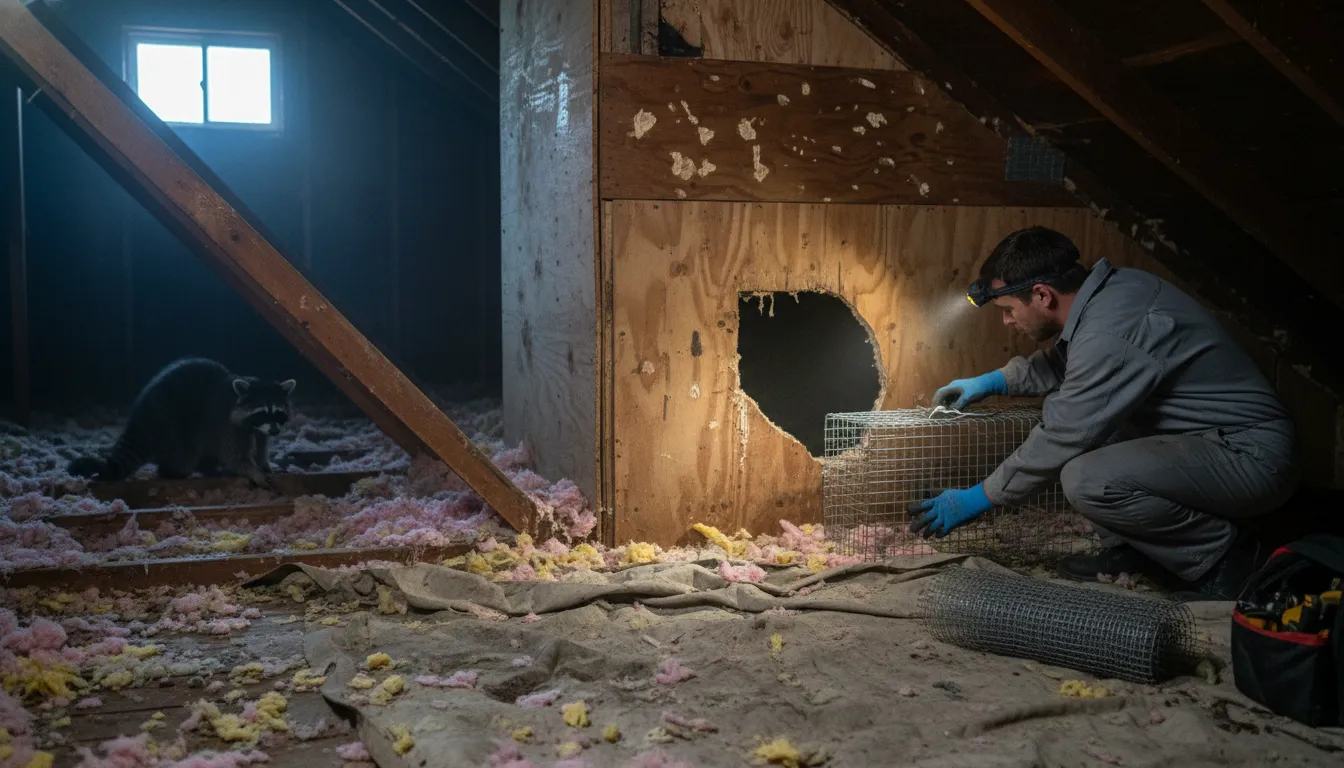
When squirrels chatter in your attic or a raccoon family takes up residence in your chimney, it's more than a nuisance-it's a problem that can cause significant property damage and pose health risks. Wildlife removal in Burlington involves the safe, humane, and legally compliant eviction of wild animals from homes and businesses. This specialized service is crucial because North Carolina has strict regulations governing which animals can be trapped, how they must be handled, and who is authorized to do the work. This guide will help you understand the common wildlife issues in Burlington, navigate the legal landscape, and identify the right type of professional help for your situation.
Terminix
150 Golden Dr #100, Durham, NC 27705
Terminix provides pest, termite, wildlife, and moisture control services in Durham, NC. They offer residential and commercial pest control with options for quarterly, bi-monthly, and monthly treatments. Terminix specializes in moisture control to prevent wood-decaying fungus and reduce insect infestations, serving Eastern North Carolina to Tidewater, VA. The company is known for its knowledgeable technicians and consistent service.
1 Pest Solution LLC
Winston Salem, NC
1 Pest Solution LLC is a pest control company serving Winston Salem, NC, and the surrounding Piedmont Triad area. With over 30 years of experience, they offer a wide range of services including pest control, rodent and wildlife removal, mosquito treatments, and crawl space encapsulation. Their humane wildlife removal uses trap-and-release methods to safely relocate animals, and their rodent control includes identifying and sealing entry points to prevent future infestations. The company provides flexible service plans tailored to different needs and schedules.
Terminix Triad
2348 Hanford Rd, Burlington, NC 27215
Terminix Triad is a pest control company located in Greensboro, NC, offering services to manage insects, rodents, and wildlife. They provide targeted pest control solutions designed to prevent and eliminate common pests such as ants, cockroaches, rodents, bees, and wasps. Their treatments focus on safe, eco-friendly methods suitable for homes with children and pets. Terminix Triad operates with a service guarantee that includes follow-up treatments if pests return between scheduled visits.
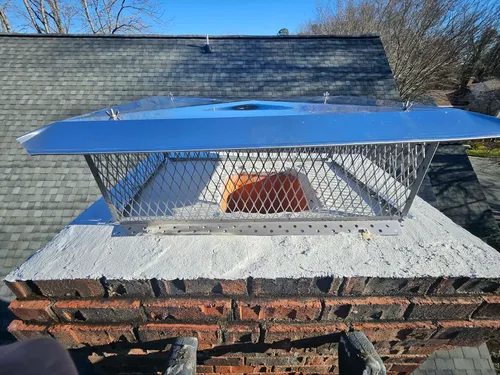
Faircloth Chimney Sweeps and Wildlife Removal LLC
4054 NC-62 B, Burlington, NC 27215
Faircloth Chimney Sweeps and Wildlife Removal LLC provides pest and wildlife control services in Greensboro, NC. They specialize in removing rodents like squirrels, rats, and mice, as well as managing bird and pigeon infestations. The company addresses issues such as damage to electrical wiring, nests in insulation and drywall, and health risks from parasites carried by birds. Their services focus on eliminating entry points and safely removing wildlife to protect homes from further harm.
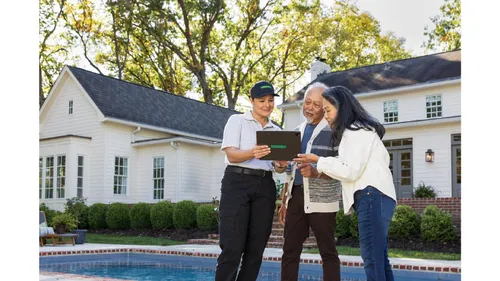
Terminix Triad
4615 Pleasant Garden Rd, Pleasant Garden, NC 27313
Terminix Triad provides pest control services in Winston Salem, NC, specializing in the removal and prevention of common pests such as cockroaches, ants, rodents, termites, and wildlife. They offer eco-friendly treatments designed to protect families and pets while addressing the root causes of infestations. The company operates from Pleasant Garden and focuses on safe, effective pest management solutions.
Common Wildlife Intruders in Burlington
The Piedmont region of North Carolina, home to Burlington, supports a diverse array of wildlife that often comes into conflict with human habitats. Understanding which animals are most likely to cause problems is the first step.
- Squirrels: These agile climbers are frequent attic invaders, often chewing on wires, insulation, and wood. A squirrel in your walls is a common call for animal control specialists 1.
- Raccoons: Notorious for their intelligence and dexterous paws, raccoons seek shelter in attics, crawl spaces, and chimneys. They can tear apart roofing and ductwork and are considered a rabies vector species, making their removal subject to specific permits.
- Bats: Small colonies can roost in attics or chimneys. While beneficial for insect control, their guano poses health risks. Critically, it is illegal to exclude bats during their maternity season from May through August.
- Groundhogs (Woodchucks): Their extensive burrowing can undermine foundations, decks, and sheds, causing serious structural concerns.
- Opossums, Skunks, and Armadillos: Often found under porches or decks, these animals can dig up lawns and gardens. Skunks and raccoons are carnivores, which triggers specific legal requirements for their removal.
- Coyotes: Increasingly common in suburban areas, coyotes can prey on small pets and livestock, creating safety concerns for residents 2 3.
Legal Framework: Why You Can't Just Trap and Relocate
North Carolina's wildlife laws are designed to protect both animals and the public, and they significantly shape the removal process in Burlington. Attempting a do-it-yourself approach without understanding these rules can lead to fines or inhumane outcomes.
- Depredation Permits: For many species, especially carnivores like raccoons, skunks, and coyotes, you or a professional must obtain a free Depredation Permit from the NC Wildlife Resources Commission (NCWRC) before removal can legally occur if the animal is causing property damage.
- The Relocation Ban: A key law that surprises many homeowners is that relocation is illegal for most carnivores. Animals like raccoons, foxes, and skunks trapped under a depredation permit must be euthanized humanely or released on the same property where they were caught. This law helps prevent the spread of disease and ecological disruption 4.
- Special Cases: Bats have protected maternity seasons. Feral swine are an invasive species and must be euthanized in the trap, not released.
- The Role of Animal Control: It's important to know that Burlington Animal Services primarily handles issues of public safety and rabies risk-such as an aggressive, disoriented, or injured animal. They do not typically respond to general nuisance wildlife inside a home or causing property damage 5 6.
DIY Wildlife Control: Limits and Liabilities
For minor issues, some limited do-it-yourself animal control is possible, but it comes with significant caveats.
You may trap certain animals like squirrels or opossums on your own property without a permit, but you must check traps at least once daily 7. However, for the species requiring a depredation permit (raccoons, skunks, coyotes), you must secure that permit from the NCWRC first, which involves demonstrating proof of damage 8.
The major limitations of DIY are expertise and legality. Improper trapping can lead to orphaned young animals dying in walls, increased damage from stressed animals, or accidental violations of state law. Furthermore, trapping without addressing the entry point is futile; new animals will simply move into the now-vacant, attractive den. Effective wildlife management is less about removing one animal and more about permanently excluding all animals through professional-grade exclusion work.
Find the perfect wildlife removal companies for your needs
Get personalized recommendations and expert advice
The Professional Wildlife Removal Process
Licensed Wildlife Control Agents (WCAs) follow a systematic approach that ensures a permanent, legal solution. Here's what you can expect when you hire a professional for animal removal in Burlington.
- Inspection and Assessment: A thorough inspection identifies the species, entry points, the extent of infestation, and any damage. This step determines the best removal and exclusion strategy.
- Humane Removal: Professionals use species-specific techniques. This may involve live trapping (adhering to all NCWRC regulations), installing one-way exclusion doors that let animals leave but not return, or manually removing young animals when necessary.
- Clean-up and Sanitation: Especially important with rodents and bats, professionals will remove contaminated insulation, droppings, and nesting materials to eliminate health hazards and odors.
- Exclusion and Repair: This is the most critical phase for a long-term solution. All entry points-from roof vents and chimney caps to gaps in siding-are sealed with durable materials like steel mesh, hardware cloth, or specialized flashing. This prevents future wildlife intrusions.
- Preventive Recommendations: A good agent will advise on habitat modification, such as trimming tree branches away from the roof, securing trash cans, and removing other food sources that attract wildlife to your property.
Understanding Costs for Animal Control Services
The price for professional wildlife abatement in Burlington varies based on the animal, the severity of the infestation, and the extent of repairs needed. Here is a general cost breakdown based on industry standards in the area 9 10 11:
- Initial Inspection/Assessment: Typically ranges from $100 to $250.
- Removal/Trapping (per animal or trap set): Can cost between $150 and $400.
- Exclusion and Sealing Entry Points: This is often the most significant investment, ranging from $400 to over $1,000, depending on the number of access points and repair needs.
- Full Service (Removal + Exclusion + Clean-up): For a complete solution, homeowners should expect to invest between $500 and $1,500 or more.
While cost is a factor, the value lies in a guaranteed, legal, and permanent resolution to the problem, protecting your home's structural integrity and your family's health.
Finding Qualified Help in Burlington
When seeking a wildlife control professional, ensure they are properly licensed. Look for a state-licensed Wildlife Control Agent (WCA). You can search for "Wildlife Control Agent North Carolina" or seek companies like Critter Control or AAAC Wildlife Removal that service the Burlington area 12 13. Always verify licensing, ask for proof of insurance, and request a detailed written estimate that outlines the removal method, exclusion work, and any guarantees offered.
Frequently asked questions
Sources
Footnotes
-
Burlington Wildlife Control / North Carolina Animal Removal - http://www.aaanimalcontrol.com/professional-trapper/city/NC-Burlington.htm ↩
-
Have a Wildlife Problem? - https://www.ncwildlife.gov/connect/have-wildlife-problem ↩
-
North Carolina Wildlife Control and Animal Removal - http://www.aaanimalcontrol.com/professional-trapper/state/north-carolina.htm ↩
-
Wildlife Control Laws in Carolina - Gregory Pest Solutions - https://www.smarterpestcontrol.com/blog/residential-pest-control/wildlife-control-laws-carolina ↩
-
Wildlife | Burlington, NC - Official Website - https://www.burlingtonnc.gov/1550/Wildlife ↩
-
Burlington Wildlife Removal, Pest Animal Control NC - http://www.wildlife-removal.com/city/NC-Burlington.htm ↩
-
Where and How It's Legal to Trap Wildlife in North Carolina - Bug Out - https://www.bugoutservice.com/nuisance-wildlife-control/learning/treatment/is-it-legal-to-trap-wildlife/ ↩
-
Wildlife Depredation - https://www.ncwildlife.gov/hunting/regulations/nongame-and-other-regulations/wildlife-depredation ↩
-
Wildlife Problem FAQ's - https://www.ncwildlife.gov/connect/have-wildlife-problem/wildlife-problem-faqs ↩
-
Wildlife Removal Burlington - https://greensboro.aaacwildliferemoval.com/service-area/burlington ↩
-
Prices for Burlington Wildlife Pest Control Animal Trapping - http://www.aaanimalcontrol.com/Professional-Trapper/prices/NC-Burlington-prices.htm ↩
-
Nuisance Wildlife Control & Animal Removal Services - https://www.crittercontrol.com/services/wildlife-control/ ↩
-
Wildlife Removal Services & Pest Control in the Triad - Critter Control - https://www.crittercontroltriad.com/ ↩