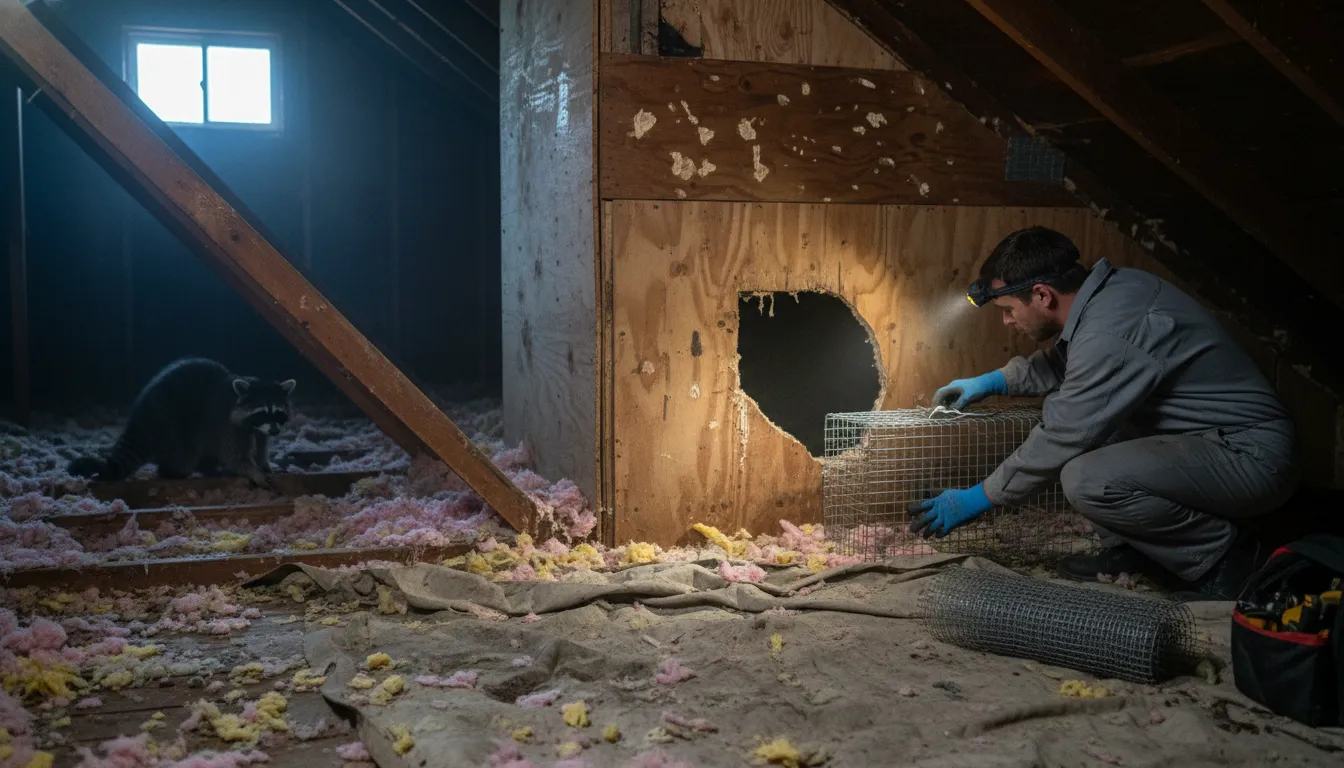
Find the Best Wildlife Removal Companies for Your Business
No obligation • Fast responses • Nationwide coverage

Why you can trust Pest Crews
Pest Crews is a leading U.S. resource for finding and evaluating residential and commercial pest control services. Our team researches providers, reviews treatment approaches, and organizes unbiased information to help you make informed decisions. Companies cannot pay to change our editorial content or influence how they appear.
Search providers near you
Top Wildlife Removal Companies in Chapel Hill, North Carolina Ranked
Living in harmony with nature is part of Chapel Hill's charm, but when wildlife moves from the woods into your attic, walls, or garden, it becomes a serious nuisance. Professional wildlife removal is the specialized service for safely and legally resolving conflicts with animals causing property damage or health concerns. This resource helps you understand the common local wildlife issues, the legal framework in North Carolina, and how to connect with licensed experts who can assess your situation and implement an effective, humane solution.
Invicta Environmental Pest Defense
5300 Wenesly Ct, Raleigh, NC 27616
Invicta Environmental Pest Defense is a mom-owned pest control company serving Raleigh, NC. They offer a wide range of pest management services including ant, bed bug, termite, rodent, mosquito, wasp, and wildlife removal treatments for both residential and commercial properties. Their team includes a wildlife biologist and a board-certified entomologist, ensuring expert care with environmentally responsible methods. Invicta is one of the few companies in North Carolina with multiple Premier Technicians certified by the NCPMA and holds Quality Pro and Green Pro certifications. Their approach focuses on pet-friendly, low-impact treatments that protect families and homes. With over 18 years of experience in rodent and wasp control, they provide specialized services backed by industry certifications.
Terminix
150 Golden Dr #100, Durham, NC 27705
Terminix provides pest, termite, wildlife, and moisture control services in Durham, NC. They offer residential and commercial pest control with options for quarterly, bi-monthly, and monthly treatments. Terminix specializes in moisture control to prevent wood-decaying fungus and reduce insect infestations, serving Eastern North Carolina to Tidewater, VA. The company is known for its knowledgeable technicians and consistent service.

Terminix Triad
2348 Hanford Rd, Burlington, NC 27215
Terminix Triad is a pest control company located in Greensboro, NC, offering services to manage insects, rodents, and wildlife. They provide targeted pest control solutions designed to prevent and eliminate common pests such as ants, cockroaches, rodents, bees, and wasps. Their treatments focus on safe, eco-friendly methods suitable for homes with children and pets. Terminix Triad operates with a service guarantee that includes follow-up treatments if pests return between scheduled visits.
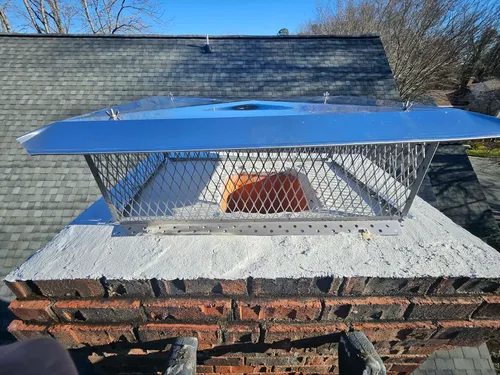
Faircloth Chimney Sweeps and Wildlife Removal LLC
4054 NC-62 B, Burlington, NC 27215
Faircloth Chimney Sweeps and Wildlife Removal LLC provides pest and wildlife control services in Greensboro, NC. They specialize in removing rodents like squirrels, rats, and mice, as well as managing bird and pigeon infestations. The company addresses issues such as damage to electrical wiring, nests in insulation and drywall, and health risks from parasites carried by birds. Their services focus on eliminating entry points and safely removing wildlife to protect homes from further harm.
Orkin
609 Mercury St, Raleigh, NC 27603
Orkin offers residential and commercial pest control services in Raleigh, North Carolina. They handle a wide range of pests including bed bugs, cockroaches, ants, rodents, termites, mosquitoes, and wildlife. Orkin uses science-backed methods such as dry foam void filler, Sentricon® bait, and liquid barriers for termite control. With over 120 years of experience, Orkin provides tailored seasonal pest management to address the unique pest challenges throughout the year. They also offer 24/7 phone support and flexible scheduling to assist customers promptly.
Common Nuisance Wildlife in Chapel Hill
Chapel Hill's green spaces and proximity to natural habitats make it a haven for various animals. While many are welcome visitors, some species frequently become problematic for homeowners and businesses. Knowing which animals are likely culprits is the first step in addressing an issue.
- Mammals: The most common offenders include raccoons, squirrels (both gray and flying), opossums, and foxes. Residents may also encounter coyotes, deer, beavers, groundhogs (woodchucks), armadillos, and rodents like rats and mice. Each species presents unique challenges, from raccoons tearing up roofs for denning to squirrels gnawing on electrical wires in attics.
- Birds and Bats: Canada geese can create mess and aggression issues, particularly near ponds. Bats, while beneficial for insect control, can colonize attics or soffits. It's crucial to note that bats are protected during their maternity season (typically May through August), when exclusion methods are illegal.
Why Professional Wildlife Control is Essential
Attempting to handle a wildlife intrusion on your own is often ineffective, dangerous, and can be illegal under North Carolina law. Professional wildlife control operators, known as Wildlife Control Agents (WCAs), are trained and licensed to manage these situations correctly.
- Legal Compliance: North Carolina state law strictly regulates the trapping and handling of native wildlife. For instance, the relocation of many species, including raccoons, coyotes, skunks, and bears, is illegal; animals causing damage must often be euthanized or released on the property where they were captured. Professionals understand these regulations and obtain necessary depredation permits from the NC Wildlife Resources Commission (NCWRC) when required.
- Humane and Effective Methods: DIY traps often catch the wrong animal or fail to address the root cause, like entry points. WCAs use species-specific strategies for removal and, more importantly, for exclusion-sealing up the home to prevent re-entry. This solves the problem long-term rather than just removing a single animal.
- Health and Safety: Wild animals can carry diseases such as rabies, leptospirosis, and histoplasmosis (from bat guano). They can also become aggressive when cornered. Professionals have the protective equipment and expertise to handle animals safely, minimizing risk to you and your family.
Understanding the Legal Landscape and Who to Call
Knowing which agency or service to contact saves time and ensures the problem is handled by the right people.
- Wildlife Control Agent (WCA): This is your primary contact for any wild animal causing property damage. This includes animals living in your attic, chewing on structures, digging under decks, or creating dams that flood property. WCAs are private, licensed professionals focused on resolving wildlife conflicts 1.
- Orange County Animal Services: This county department primarily handles domestic animal issues, such as stray dogs and cats, leash law violations, and rabies control. They generally do not respond to nuisance wildlife situations unless there is an immediate public health threat, like a rabid animal 2.
- Emergency Services (9-1-1): Reserve this for immediate threats to human safety, such as an animal bite, a visibly sick (potentially rabid) animal acting aggressively in a public space, or a large animal like a deer that has caused a traffic accident 3.
Prevention: Your First Line of Defense
The best strategy for wildlife control is to make your property less attractive to animals in the first place. Proactive measures can prevent most infestations.
- Secure Food Sources: Use locking lids on trash cans, avoid leaving pet food outdoors overnight, and pick up fallen fruit from trees.
- Seal Entry Points: Conduct seasonal inspections of your home's exterior. Look for loose vents, holes in siding or rooflines, gaps around utility lines, and damaged soffits. Even a hole as small as a quarter can admit rodents, which can then attract larger predators 4.
- Manage Your Landscape: Trim tree branches that overhang or touch your roof to eliminate highways for squirrels and raccoons. Reduce dense brush and wood piles near your home's foundation where animals can hide.
- Address Water Issues: For properties near creeks or with ponds, beaver activity can be a concern. Managing water levels and consulting with a professional on flow devices may be necessary.
The Professional Wildlife Removal Process
When you contact a licensed Wildlife Control Agent in Chapel Hill, they will typically follow a structured process to resolve your issue completely.
- Inspection and Assessment: The professional will conduct a thorough inspection of your property to identify the species involved, locate all entry points, and assess the extent of the damage or infestation. This critical step determines the correct course of action.
- Removal and Control: Using legal, humane methods tailored to the specific animal, the WCA will remove the nuisance wildlife from your property. This may involve live trapping, one-way exclusion doors, or other techniques.
- Exclusion and Repair: Simply removing the animal is not enough. The service must include sealing all identified entry points with durable materials (like steel mesh or hardware cloth) to prevent future entry. This step is what turns a temporary fix into a permanent solution.
- Cleanup and Restoration (if needed): For significant infestations, especially from rodents or bats, droppings and nesting materials may need to be sanitized and removed. In cases of severe damage, repairs to insulation, ductwork, or structural elements may be recommended.
Find the perfect wildlife removal companies for your needs
Get personalized recommendations and expert advice
What to Expect: Services and Considerations
When evaluating wildlife removal services, it's helpful to understand the scope of work and key legal considerations.
- Service Scope: A comprehensive service should always include an inspection, humane removal, exclusion work, and a warranty on the exclusion repairs. Some companies also offer ongoing monitoring or preventative maintenance plans.
- Critical Legal Limitations: Be wary of any service that promises to "relocate" raccoons, foxes, or other carnivores far away. As noted, this is generally illegal in North Carolina 5 6. Reputable companies will be transparent about the legal disposal methods. Furthermore, a legitimate WCA will never perform bat exclusion during the protected maternity season (spring and summer); they will schedule the work for the fall.
- Permits: For certain species or situations, your wildlife control professional will need to obtain a depredation permit from the NCWRC. This is a standard part of their process for legal take of animals causing damage 7 8.
Understanding Costs for Wildlife Control
The cost for animal removal and exclusion in Chapel Hill varies widely based on the species, the complexity of the infestation, and the repairs needed. An initial inspection may be offered for a fee or sometimes bundled into the total service cost.
- Basic Removal: For a single animal like a squirrel or opossum in a trap, services may start in the $200-$300 range 9.
- Attic Infestations: Removal of a family of raccoons or squirrels from an attic, including sealing entry points, is more involved. Prices can range from several hundred dollars for a straightforward job to over a thousand dollars for complex situations involving multiple animals, significant cleanup, or extensive repairs 10.
- Specialized Services: Bat exclusion is typically a higher-cost service due to the detailed work of installing one-way exits on every potential entry point. Beaver control and dam management also represent significant projects with costs reflecting the labor and equipment required 11.
Always request a detailed, written estimate that breaks down inspection, removal, exclusion materials, labor, and any potential repair costs. The most affordable option is rarely the most cost-effective if it doesn't solve the problem permanently.
Choosing a Qualified Wildlife Control Professional
Selecting the right provider is crucial. Look for a company that is:
- Licensed: Ensure they are licensed as a Wildlife Control Agent by the state of North Carolina.
- Insured: They should carry liability insurance to protect your property.
- Experienced: Ask about their specific experience with your type of wildlife problem.
- Transparent: They should provide clear explanations of their methods, the laws they follow, and a detailed written contract.
- Focused on Exclusion: The company's primary goal should be solving the problem through exclusion and prevention, not just repeated trapping.
Frequently asked questions
Sources
Footnotes
-
Chapel Hill Wildlife Control / North Carolina Animal Removal - http://www.aaanimalcontrol.com/professional-trapper/city/NC-Chapel-Hill.htm ↩
-
Have a Wildlife Problem? - https://www.ncwildlife.org/connect/have-wildlife-problem ↩
-
Nuisance Animals | Orange County, NC - https://www.orangecountync.gov/305/Nuisance-Animals ↩
-
Professional Wildlife Removal Company Servicing Chapel Hill, NC - http://www.wildlifeanimalcontrol.com/Chapel-Hill.html ↩
-
Wildlife Control Laws in Carolina - Gregory Pest Solutions - https://www.smarterpestcontrol.com/blog/residential-pest-control/wildlife-control-laws-carolina ↩
-
Where and How It's Legal to Trap Wildlife in North Carolina - Bug Out - https://www.bugoutservice.com/nuisance-wildlife-control/learning/treatment/is-it-legal-to-trap-wildlife/ ↩
-
Wildlife Problem FAQ's - https://www.ncwildlife.org/connect/have-wildlife-problem/wildlife-problem-faqs ↩
-
Wildlife Depredation - https://www.ncwildlife.org/hunting/regulations/nongame-and-other-regulations/wildlife-depredation ↩
-
Prices for Chapel Hill Wildlife Pest Control Animal Trapping - http://www.aaanimalcontrol.com/Professional-TRAPPER/prices/NC-Chapel-Hill-prices.htm ↩
-
How Much Does Animal in Attic Removal Cost? - https://www.yahoo.com/lifestyle/much-does-animal-attic-removal-111955331.html ↩
-
Chapel Hill Wildlife Removal Call: (919) 424-8673 - https://conservwildlifeservices.com/chapel-hill-mice-control ↩