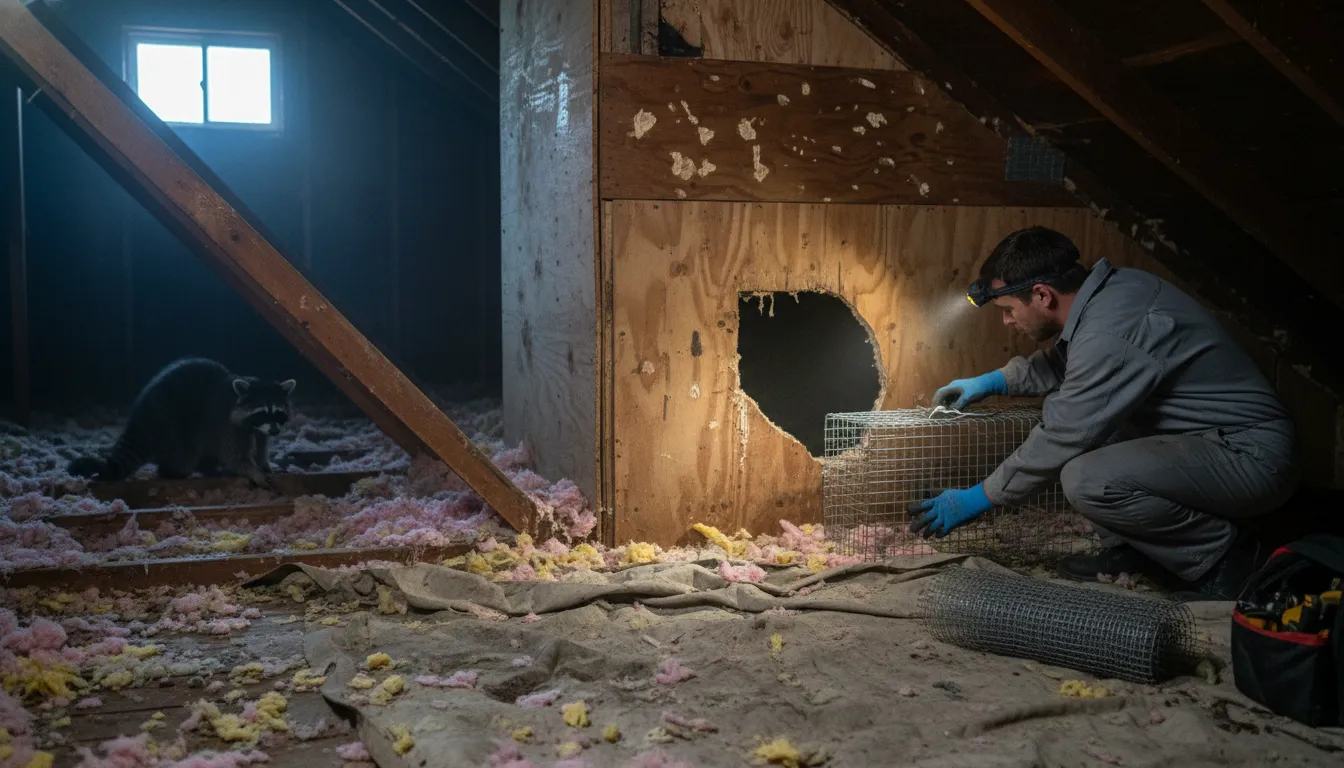
Find the Best Wildlife Removal Companies for Your Business
No obligation • Fast responses • Nationwide coverage

Why you can trust Pest Crews
Pest Crews is a leading U.S. resource for finding and evaluating residential and commercial pest control services. Our team researches providers, reviews treatment approaches, and organizes unbiased information to help you make informed decisions. Companies cannot pay to change our editorial content or influence how they appear.
Search providers near you
Top Wildlife Removal Companies in High Point, North Carolina Ranked
Finding an uninvited animal in your attic, under your deck, or rummaging through your trash can be a startling and stressful experience for any High Point homeowner. Wildlife removal is the specialized service of safely and humanely evicting nuisance animals from your property and, crucially, preventing their return. This matters not only for your peace of mind but also for protecting your home's structure from costly damage and reducing health risks associated with animal droppings and parasites. This guide will help you understand the common wildlife issues in our area, what you can do yourself, when to call a professional, and how to find qualified local experts for humane animal control and exclusion services.
Terminix Triad
8216 B & G Ct, Stokesdale, NC 27357
Terminix Triad is a pest control company serving Winston Salem, NC, and nearby areas. They provide pest extermination services for common pests such as cockroaches, ants, rodents, and termites, as well as wildlife removal. Terminix Triad uses targeted, eco-friendly treatments designed to eliminate infestations safely for families and pets. The company has over 14 years of experience in termite protection and general pest control, including the use of bait traps to prevent termite damage.
1 Pest Solution LLC
Winston Salem, NC
1 Pest Solution LLC is a pest control company serving Winston Salem, NC, and the surrounding Piedmont Triad area. With over 30 years of experience, they offer a wide range of services including pest control, rodent and wildlife removal, mosquito treatments, and crawl space encapsulation. Their humane wildlife removal uses trap-and-release methods to safely relocate animals, and their rodent control includes identifying and sealing entry points to prevent future infestations. The company provides flexible service plans tailored to different needs and schedules.
Terminix Triad
7045 Old U.S. Hwy 52, Lexington, NC 27295
Terminix Triad is a pest control company serving Winston Salem, NC, specializing in the removal and prevention of common pests such as cockroaches, ants, rodents, and wildlife. They offer eco-friendly treatments designed to protect homes and businesses while minimizing risks to children and pets. Their services include targeted pest control plans that address the core sources of infestations to maintain pest-free environments. Terminix Triad has been operating for over seven years and provides a satisfaction guarantee, returning for additional treatments if pests reappear between scheduled visits.
Terminix Triad
3820 Indiana Ave, Winston-Salem, NC 27105
Terminix Triad provides pest control services in Winston Salem, NC, specializing in the removal and prevention of insects, rodents, and wildlife for residential and commercial properties. Their service plan targets up to 20 common pests using eco-friendly treatments designed to be safe for families and pets. The company offers a 100% service guarantee, returning for additional treatments if pests reappear between scheduled visits.
Faircloth Chimney Sweeps and Wildlife Removal LLC
4054 NC-62 B, Burlington, NC 27215
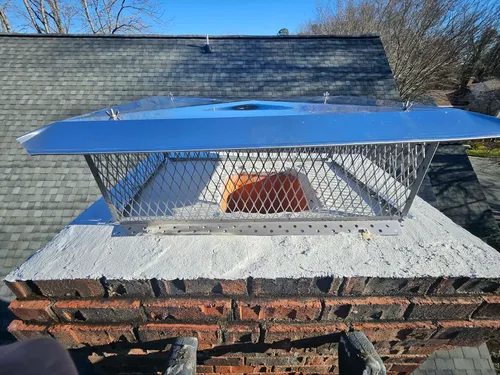
Faircloth Chimney Sweeps and Wildlife Removal LLC provides pest and wildlife control services in Greensboro, NC. They specialize in removing rodents like squirrels, rats, and mice, as well as managing bird and pigeon infestations. The company addresses issues such as damage to electrical wiring, nests in insulation and drywall, and health risks from parasites carried by birds. Their services focus on eliminating entry points and safely removing wildlife to protect homes from further harm.
Common Nuisance Wildlife in High Point
The Piedmont region of North Carolina, including High Point, is home to a diverse array of wildlife that can sometimes come into conflict with human habitats. Understanding which animals are most likely to cause problems is the first step in addressing an issue.
- Rodents: Rats and mice are year-round pests, seeking shelter and food in homes, garages, and sheds. They can chew wires, insulation, and structural wood, posing a significant fire hazard and damage risk.
- Squirrels: Particularly in spring and fall, squirrels often enter attics and eaves to nest. Their constant gnawing can enlarge entry points and damage roofing materials, vents, and electrical lines 1.
- Raccoons: These intelligent, dexterous mammals are powerful enough to tear open roof vents, soffits, and chimney caps. They are common carriers of rabies and roundworm, making their removal a priority for health and safety.
- Bats: While beneficial for insect control, bats can form colonies in attics. Their guano (droppings) can pose serious respiratory health risks and damage insulation. Special care is required due to their protected status during certain times of the year.
- Ground Burrowers: Moles, voles, and groundhogs (woodchucks) can damage lawns, gardens, and foundations by creating extensive tunnel systems.
- Other Mammals: Opossums, skunks, and foxes are also occasional visitors to suburban yards, often drawn by pet food or unsecured garbage.
- Larger Wildlife: In areas bordering more rural spaces, encounters with coyotes and deer are possible. Managing these species often involves specific permits and strategies.
DIY Wildlife Prevention and Control
For minor issues or as a proactive measure, there are several effective steps High Point residents can take to make their property less attractive to wildlife.
Focus on Prevention: The most effective and long-term solution is to eliminate the things that attract animals in the first place. This includes:
- Securing trash cans with tight-fitting lids or bungee cords.
- Removing pet food and water bowls from porches and yards overnight.
- Cleaning up fallen fruit, nuts, and birdseed.
- Keeping woodpiles and brush piles away from your home's foundation.
- Trimming tree limbs back at least 6-8 feet from your roofline.
Seal Entry Points: Conduct a thorough inspection of your home's exterior. Look for gaps in siding, loose roof shingles, uncapped chimneys, and holes where utilities enter. Use durable materials like steel wool, hardware cloth, or metal flashing to seal any openings only after you are certain no animals are inside 2.
Understanding Trapping Laws: Homeowners in North Carolina are allowed to trap certain animals, such as squirrels, rabbits, and moles, on their own property. However, state law strictly prohibits the relocation of many species, including raccoons, skunks, foxes, and coyotes 3. Trapped animals classified as "carnivores" must be euthanized humanely or released on the property where they were caught. This is a critical legal distinction that makes DIY trapping a complex and often unsatisfactory solution for many homeowners4.
Find the perfect wildlife removal companies for your needs
Get personalized recommendations and expert advice
When to Call a Professional Wildlife Control Operator
While DIY methods are excellent for prevention, certain situations require the expertise of a licensed Wildlife Control Agent (WCA). Professional animal removal services are equipped to handle complex problems safely, legally, and permanently.
You should strongly consider calling a professional for:
- Animals in Living Spaces: If a wild animal is inside your home, especially in walls, attics, or crawl spaces.
- Suspected Rabies Exposure: Any encounter with an animal behaving strangely (e.g., acting aggressive, disoriented, or overly friendly).
- Large or Established Infestations: Signs of a colony, such as multiple bats or a family of raccoons.
- Species Requiring Permits: Issues involving deer, bear, turkey, or beaver often require a Depredation Permit from the North Carolina Wildlife Resources Commission, which professionals know how to obtain.
- When Exclusion is Needed: Simply removing the animal is only half the job. Professionals will identify and seal all potential entry points to prevent re-entry, a service known as wildlife exclusion5 6.
- Cleanup and Repair: Removing hazardous waste like bat guano or repairing chewed wires and damaged insulation are often part of a comprehensive service.
Wildlife Removal vs. Animal Control in High Point
It's important to know which agency or service to contact. The City of High Point's Animal Control Division handles specific, pet-related and public safety issues, not general wildlife removal from private property.
Contact High Point Animal Control for:
- Dog or cat bites.
- Stray, aggressive, or neglected domestic pets.
- Barking dog complaints or leash law violations.
- Removal of dead household pets from public property7 8.
- Reports of unsecured abandoned wells or septic tanks posing a public hazard9.
Contact a Licensed Wildlife Removal Professional for:
- Wild animals (raccoons, squirrels, bats, etc.) in your attic, chimney, or walls.
- Nuisance wildlife damaging your garden, lawn, or home structure.
- Trapping and removing wildlife from your private property.
What to Expect: The Professional Process and Cost
A reputable wildlife control service will typically follow a multi-step process:
- Inspection: A thorough assessment of your property to identify the species, entry points, and extent of the problem.
- Removal: Using humane, legal methods such as one-way exclusion doors or live trapping (followed by legal, on-site release or euthanasia as per NC law).
- Exclusion: Sealing all identified entry points with durable materials to prevent future entry. This is the most critical step for a permanent solution.
- Cleanup & Restoration: Optional services may include disinfecting contaminated areas, removing droppings, and replacing damaged insulation.
Costs for wildlife management in High Point vary widely based on the animal, the location of the problem, and the scope of work required. A simple trapping job may cost a few hundred dollars, while a full attic exclusion, cleanup, and insulation replacement for a raccoon or squirrel infestation can run into the thousands10. Most companies charge for the initial inspection and then provide a quote for the removal and exclusion work. Always ask for a detailed, written estimate.
North Carolina Regulations You Should Know
State laws directly impact how wildlife problems are handled:
- Illegal Relocation: As noted, it is illegal to trap and relocate rabies-vector species like raccoons, foxes, and skunks off your property11. Professionals adhere to these laws.
- Depredation Permits: Landowners experiencing property damage from certain game animals (deer, bear, turkey, etc.) can apply for a depredation permit from the NC Wildlife Resources Commission, which allows for the legal taking of the animal 12.
- Protected Species: Bats, for example, are protected, and exclusion cannot be performed during the maternity season (typically May through July) when flightless young are present13.
Frequently asked questions
Sources
Footnotes
-
High Point Wildlife Animal Control - Trappers and Pest Removal - http://www.wildlifeanimalcontrol.com/High-Point.html ↩
-
Have a Wildlife Problem? - https://www.ncwildlife.gov/connect/have-wildlife-problem ↩
-
Wildlife Control Laws in Carolina - Gregory Pest Solutions - https://www.smarterpestcontrol.com/blog/residential-pest-control/wildlife-control-laws-carolina ↩
-
Where and How It's Legal to Trap Wildlife in North Carolina - Bug Out - https://www.bugoutservice.com/nuisance-wildlife-control/learning/treatment/is-it-legal-to-trap-wildlife/ ↩
-
Wildlife Control in North Carolina | Humane Removal | Exclusion - https://www.bugoutservice.com/nuisance-wildlife-control/ ↩
-
Wildlife Removal High Point - https://greensboro.aaacwildliferemoval.com/service-area/high-point ↩
-
Animal Control | High Point, NC - https://www.highpointnc.gov/1192/Animal-Control ↩
-
Dead Animal Pick-Up | High Point, NC - https://www.highpointnc.gov/536/Dead-Animal-Pick-Up ↩
-
Code Enforcement | High Point, NC - https://www.highpointnc.gov/1643/Code-Enforcement ↩
-
The Cost of Wildlife Removal: What You Need to Know - https://coastalwildlifeservices.com/cost-of-wildlife-removal/ ↩
-
Wildlife Problem FAQ's - https://www.ncwildlife.gov/connect/have-wildlife-problem/wildlife-problem-faqs ↩
-
Have a Wildlife Problem? - https://www.ncwildlife.gov/connect/have-wildlife-problem ↩
-
Wildlife Depredation - https://www.ncwildlife.gov/hunting/regulations/nongame-and-other-regulations/wildlife-depredation ↩