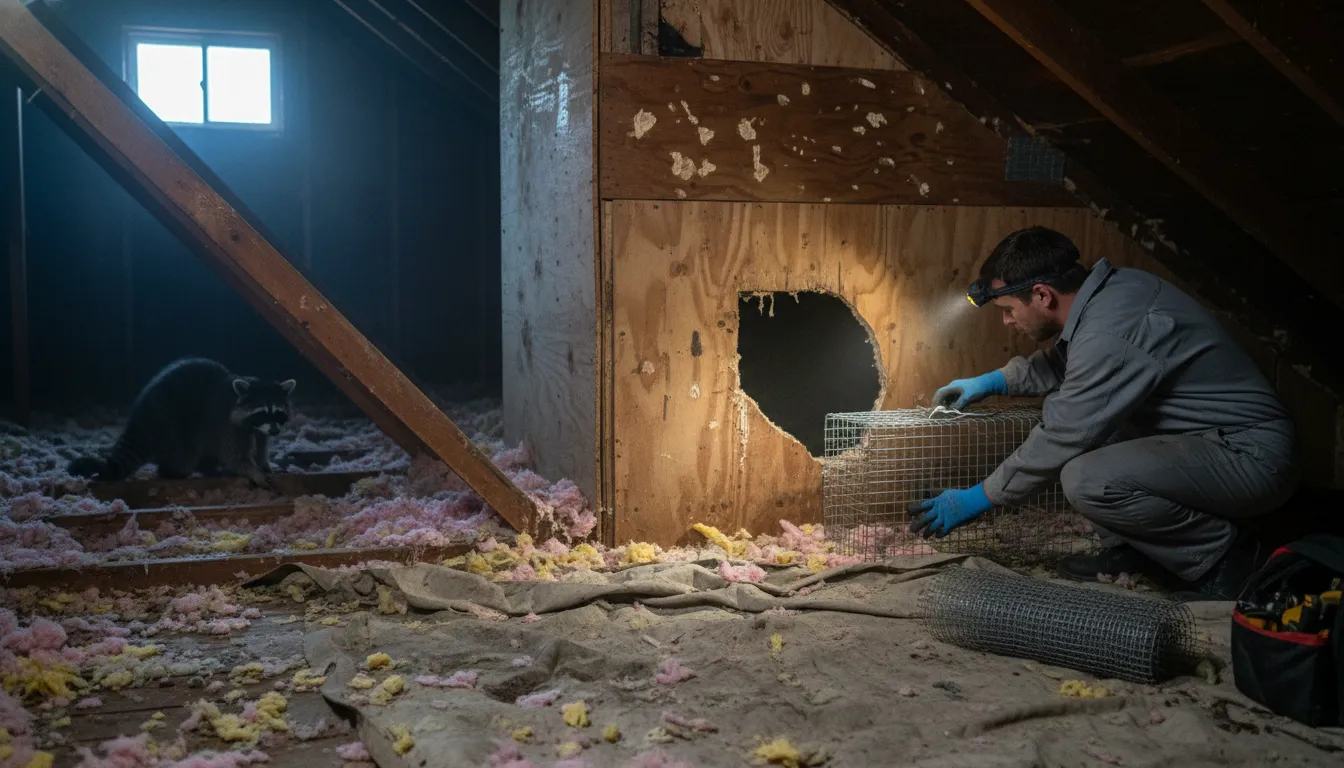
Find the Best Wildlife Removal Companies for Your Business
No obligation • Fast responses • Nationwide coverage

Why you can trust Pest Crews
Pest Crews is a leading U.S. resource for finding and evaluating residential and commercial pest control services. Our team researches providers, reviews treatment approaches, and organizes unbiased information to help you make informed decisions. Companies cannot pay to change our editorial content or influence how they appear.
Search providers near you
Top Wildlife Removal Companies in Cedar Hill, Texas Ranked
Living alongside nature is part of Cedar Hill's charm, but when raccoons raid your attic or armadillos dig up your yard, that charm can wear thin quickly. Wildlife removal is the process of humanely and legally addressing conflicts with wild animals that have become a nuisance or a hazard to your property. This service is crucial for protecting your home's structural integrity, preventing health risks, and ensuring the safety of both your family and the animals. The following guide will help you understand your options, from do-it-yourself deterrents to when it's time to call a professional wildlife control operator, so you can find the right local solution for your specific situation.
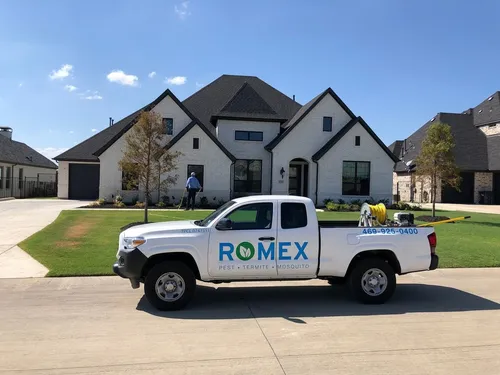
Romex Pest & Termite Control
1606 109th St Suite A, Grand Prairie, TX 75050
Romex Pest & Termite Control provides eco-friendly pest control services in Dallas, TX, serving both homes and businesses. Their offerings include treatment for bed bugs, rodents, termites, mosquitoes, and other common pests, using non-toxic methods that prioritize the safety of families and pets. The company employs advanced detection and treatment tools combined with integrated pest management strategies tailored to local needs. Romex Pest & Termite Control is licensed and insured across Texas and neighboring states, emphasizing environmentally responsible solutions.
Myles Pest Services
6517 Smithfield Rd c, North Richland Hills, TX 76182
Myles Pest Services is a pest control company serving Dallas, TX, and the Greater Fort Worth area. With over 35 years of experience, they provide tailored pest control solutions including rodent exclusion, termite protection, mosquito treatments, and general pest management. Their services focus on long-term results and customer convenience, offering online scheduling and upfront pricing. The company emphasizes a customer-first approach backed by a satisfaction guarantee.
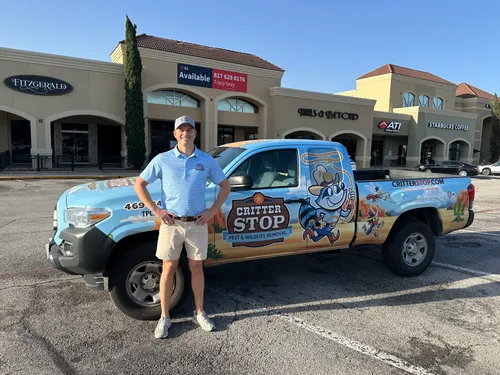
Critter Stop
1610 Hart St Ste 102, Southlake, TX 76092
Critter Stop is a family-owned pest control and wildlife removal company serving Dallas, TX. They provide customized pest and wildlife management plans that include humane removal and exclusion techniques to keep homes critter-free. Their services cover a range of pests including rodents, cockroaches, ants, bees, wasps, and larger wildlife. A key capability is their comprehensive rodent control involving inspection, trapping, sealing entry points, and attic restoration. Critter Stop emphasizes safe, environmentally conscious methods and offers ongoing monitoring to ensure lasting results.
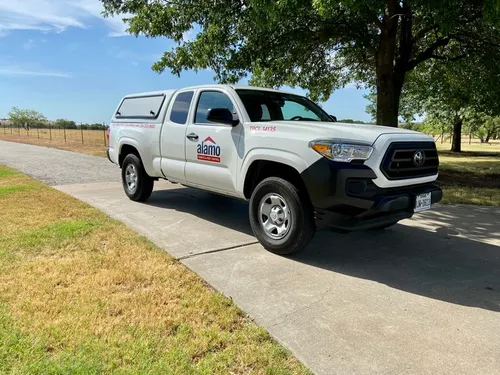
Alamo Termite & Pest Control
5510 Abrams Rd #117-A, Dallas, TX 75214
Alamo Termite & Pest Control is a locally owned pest control company serving Dallas, TX. They provide a wide range of services including bed bug treatment, cockroach and ant control, rodent management, termite inspections, mosquito control, bee and wasp removal, bird and pigeon control, and wildlife removal. With 30 years of experience in the Dallas-Fort Worth area, they offer 24/7 phone support and same-day or next-day service availability.
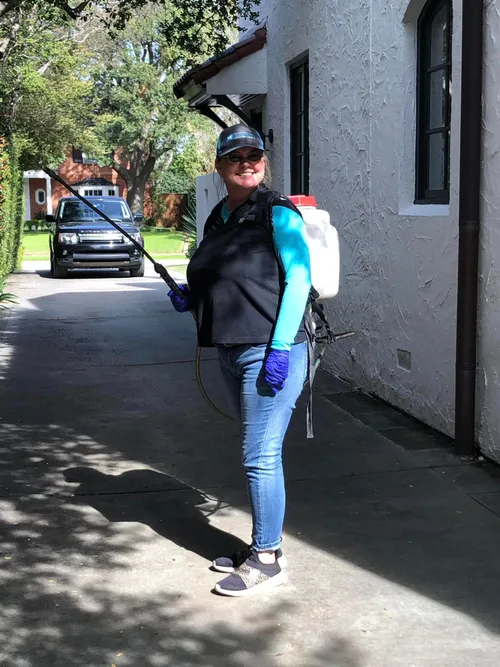
SafeHaven Pest Control
2609 National Cir, Garland, TX 75041
SafeHaven Pest Control is a pest management company based in Dallas, TX, offering services for residential, commercial, and construction properties. They provide comprehensive pest control solutions including rodent control, termite inspections, bed bug treatment, mosquito control, and wildlife removal. The company also specializes in preventive programs tailored for homes, schools, and building sites, with capabilities such as termite pretreatment for new constructions. SafeHaven Pest Control serves the Dallas area with a range of customizable packages designed to address common and complex pest issues.
Understanding Cedar Hill's Wildlife
Cedar Hill's mix of suburban neighborhoods and natural areas, including the expansive Cedar Hill State Park, creates a perfect habitat for a variety of wildlife species. While beautiful to observe from a distance, these animals can become problematic when they seek food, water, or shelter in our homes and yards. Knowing which creatures are common in your area is the first step in effective wildlife management.
Common Nuisance Mammals:
- Raccoons: Intelligent and dexterous, they are notorious for tearing into attic vents, chimneys, and trash cans.
- Squirrels: Both gray and fox squirrels can chew through siding, soffits, and electrical wiring to nest in attics.
- Opossums: Often found under decks or in crawlspaces, they are generally less destructive but can carry parasites.
- Coyotes & Foxes: These predators pose a threat to small pets and can become brazen in suburban settings.
- Armadillos: Their foraging for insects creates unsightly and damaging holes in lawns and gardens.
- Bats: Important for the ecosystem, but a colony in your attic presents significant health risks due to guano accumulation 1.
Problematic Birds:
- Woodpeckers: They drum on houses to communicate or to excavate nesting cavities, damaging wood siding.
- Herons: While less common in residential areas, they can be a concern for pond owners.
What You Can Do: DIY Deterrence and Exclusion
Before considering trapping or professional intervention, Texas Parks & Wildlife Department (TPWD) and local authorities emphasize starting with humane deterrents and exclusion methods. These strategies focus on making your property less attractive to wildlife, which is often the most effective long-term solution.
1. Habitat Modification The goal is to remove the attractants that draw animals to your yard.
- Secure Food Sources: Keep pet food indoors, use locking lids on trash cans, and promptly harvest or clean up fallen fruit and nuts from trees.
- Eliminate Shelter: Clear brush piles, seal off openings under sheds and decks with sturdy wire mesh, and keep woodpiles elevated and away from the house.
- Manage Water: Fix leaky faucets and ensure downspouts direct water away from your foundation to eliminate drinking sources.
2. Physical Exclusion This is the cornerstone of permanent wildlife control. It involves sealing potential entry points after ensuring no animals are trapped inside.
- Inspect Your Home: Look for gaps in rooflines, loose vent covers, holes in siding, and spaces around utility lines.
- Use the Right Materials: Seal holes with hardware cloth (heavy-duty wire mesh), metal flashing, or concrete. Avoid using materials like wood or plastic that animals can easily chew through 2.
- Chimney Caps and Vent Guards: Install professionally rated caps on chimneys and sturdy, animal-proof screens on attic and crawlspace vents.
3. Deterrents These are temporary measures to encourage an animal to leave an area.
- Sensory Deterrents: Motion-activated lights or sprinklers can startle nocturnal animals. Placing ammonia-soaked rags or commercial predator urine granules near a den entrance may persuade an animal to relocate.
- Noise Makers: A radio tuned to a talk station placed in an attic can make the space uncomfortable for nesting wildlife.
Understanding Texas Regulations for DIY Texas law provides some latitude for property owners. For many common nuisance fur-bearing animals like raccoons, squirrels, and opossums, a landowner can take these animals on their own property without a hunting license if they are causing damage. However, relocation is heavily regulated. You cannot simply trap and release an animal in a park or another neighborhood. Relocating most wildlife requires a permit from TPWD and written consent from the landowner where the animal will be released. This makes humane exclusion and on-site deterrents the preferred and most practical DIY approaches.
Find the perfect wildlife removal companies for your needs
Get personalized recommendations and expert advice
When to Call for Professional Wildlife Control Services
While DIY methods are excellent for prevention, certain situations require the expertise of a licensed wildlife removal professional. Knowing when to make the call can save you time, money, and further property damage.
Call Cedar Hill Animal Services Immediately For:
- A wild animal that is visibly sick, injured, or acting aggressively.
- An immediate threat to public safety, such as a coyote lingering in a schoolyard or a raccoon wandering in daylight showing no fear of humans.
- Questions about city-specific ordinances regarding wildlife 3.
Contact a Licensed Wildlife Control Operator For:
- Infestations in Living Spaces: Animals actively living in your attic, walls, or chimney, especially if young are present.
- Protected or Hazardous Species: Bat removal is a specialized task. Their colonies are protected, and their guano poses serious health risks, requiring specific exclusion techniques that must be performed at certain times of the year.
- Complex Exclusions: When you cannot safely or effectively identify and seal all potential entry points.
- When Trapping is Necessary: Professionals understand the legal requirements for humane trapping, possess the proper equipment, and know how to handle the legal disposal or relocation of the animal in compliance with TPWD regulations 4.
- Extensive Damage Repair: If wildlife has already caused significant damage to insulation, ductwork, or structural elements, a professional can often handle both the removal and the restoration.
The Professional Wildlife Removal Process
If you decide to hire a professional, understanding their standard process can help you know what to expect and choose a reputable provider.
- Inspection and Assessment: A thorough professional will conduct a detailed inspection of your property, inside and out, to identify the species, locate entry points, and assess the extent of the infestation and damage. This service typically ranges from $100 to $250 5 6.
- Humane Removal and Eviction: The method depends on the animal. For mammals, this may involve live trapping or the use of one-way doors that allow animals to exit but not re-enter. For bats, a process called "eviction" is used, where exclusion devices are installed over main entry points after pups are old enough to fly.
- Exclusion and Sealing: This is the most critical step to prevent recurrence. All identified entry points, except the main one being used for eviction, are sealed. After the animals have left, the final entry point is permanently sealed with professional-grade materials.
- Clean-up and Decontamination: Particularly important with rodents and bats, this involves removing contaminated insulation, droppings (guano), and nesting materials, followed by cleaning and disinfecting the area to eliminate odors and health hazards.
- Restoration and Repair: The service may include repairing chewed wires, ripped vents, damaged siding, and replacing insulation to restore your home to its pre-infestation condition.
Costs of Wildlife Control in Cedar Hill
The cost of professional animal removal varies widely based on the species, the severity of the infestation, and the extent of repairs needed. Here is a general overview of potential costs in the Cedar Hill area:
- Squirrel or Raccoon Removal: Removing a family can range from $250 to $700, depending on the number of animals and the accessibility of the nest.
- Bat Eviction and Exclusion: This is a more involved process, often costing between $400 and $1,000 or more.
- Opossum or Armadillo Removal: These are often less complex, sometimes costing between $150 and $300, and may be included in general pest control services.
- Damage Repair and Exclusion Work: Adding full exclusion sealing and minor repairs can add $200 to $500 to the bill. Major restoration, like replacing attic insulation, can push costs $1,000 or higher.
Always get detailed, written estimates that break down inspection, removal, exclusion, and repair costs.
Legal and Humane Considerations
Wildlife control in Texas is governed by a framework of laws designed to protect both property and animals.
- TPWD Permits: The Texas Parks & Wildlife Department regulates the trapping and relocation of fur-bearing animals. As mentioned, relocation almost always requires a permit 7.
- Humane Treatment: Texas animal cruelty laws apply to wildlife. It is illegal to use inhumane methods of capture or killing 8. Reputable professionals adhere to standards set by organizations like the National Wildlife Control Operators Association.
- Protected Species: Certain species, including many bats and migratory birds, have additional federal protections. A qualified professional will be familiar with these regulations.
The overarching philosophy in modern nuisance wildlife management is integrated pest management (IPM), which prioritizes long-term prevention through a combination of techniques: changing habitat, altering human behavior, and using exclusion before resorting to removal 9.
Frequently asked questions
Sources
Footnotes
-
Cedar Hill State Park Nature - Texas Parks & Wildlife Department - https://tpwd.texas.gov/state-parks/cedar-hill/nature ↩
-
Dallas Wildlife Removal, Squirrel Removal, Bat Removal, Raccoon Removal, Bird Control - https://conservwildlifeservices.com/dallas-wildlife-control ↩
-
Animal Services | Cedar Hill, TX - Official Website - http://www.cedarhilltx.com/2483/Animal-Services ↩
-
Wild Animals - Animal Law - Guides at Texas State Law Library - https://guides.sll.texas.gov/animal-law/wild-animals ↩
-
Wildlife | Cedar Hill, TX - Official Website - https://www.cedarhilltx.com/2614/Wildlife ↩
-
Code Compliance/Animal Control | Leon Valley Texas - https://www.leonvalleytexas.gov/police/page/code-complianceanimal-control ↩
-
Nuisance Fur-bearing Animals - https://tpwd.texas.gov/regulations/outdoor-annual/hunting/fur-bearing-animal-regulations/nuisance-fur-bearing-animals ↩
-
Animal Cruelty - MCDAO - https://www.mctxdao.org/animal-cruelty ↩
-
Nuisance wildlife management - Wikipedia - https://en.wikipedia.org/wiki/Nuisance_wildlife_management ↩