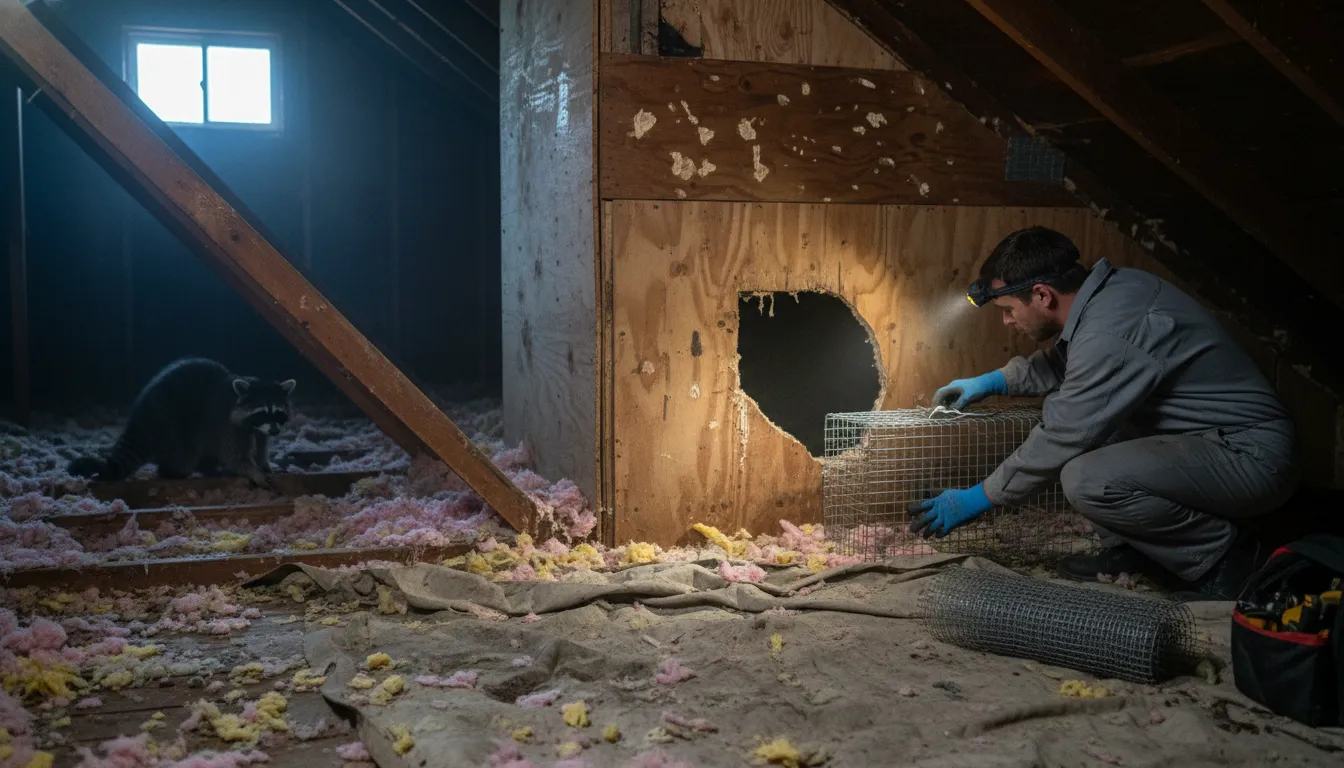
Find the Best Wildlife Removal Companies for Your Business
No obligation • Fast responses • Nationwide coverage

Why you can trust Pest Crews
Pest Crews is a leading U.S. resource for finding and evaluating residential and commercial pest control services. Our team researches providers, reviews treatment approaches, and organizes unbiased information to help you make informed decisions. Companies cannot pay to change our editorial content or influence how they appear.
Search providers near you
Top Wildlife Removal Companies in Galveston, Texas Ranked
Living on the Gulf Coast means sharing your beautiful Galveston home with a vibrant ecosystem. While most wildlife stays outdoors, some animals can become a nuisance or a hazard when they enter your attic, walls, or yard. Wildlife removal is the process of safely and legally addressing conflicts with wild animals, from excluding common rodents to professionally handling raccoons, snakes, and other creatures. This guide explains why managing these encounters is important for your property's safety and integrity, and how you can find qualified local experts to resolve your specific situation.
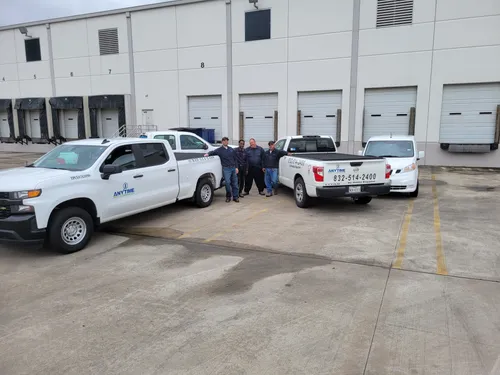
Anytime Pest Elimination League City
2600 South Shore Blvd Suite 300-7103, League City, TX 77573
Anytime Pest Elimination League City is a pest control company serving Houston, TX, offering services for a wide range of pests including bed bugs, cockroaches, ants, rodents, termites, mosquitoes, bees, wasps, birds, and wildlife. They provide both residential and commercial pest control solutions using advanced techniques tailored to local pest challenges. With over 30 years of experience, the company has a strong understanding of pest behavior in the Houston area. Anytime Pest Elimination also offers 24/7 availability with a round-the-clock answering service to assist customers at any time.
Stephen Terry Services
7407 Spencer Hwy Suite 110, Pasadena, TX 77505
Stephen Terry Services is a pest control company based in Houston, TX, offering a range of services for residential and commercial properties. Their quarterly pest control program targets common local insects with initial comprehensive treatment followed by exterior services every three months. The company also provides critter control with live trapping and relocation, rodent proofing inspections and repairs, bee removal, mosquito yard sprays, and termite treatments using Termidor products. They handle one-time treatments for fleas, German roaches, and raspberry crazy ants as well.
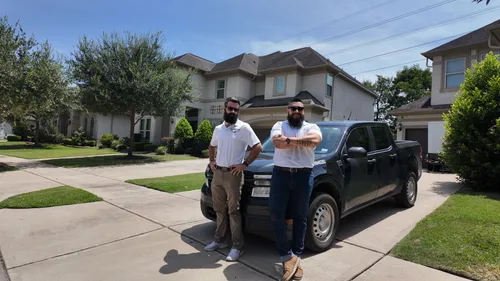
The Restoration Attics
15255 Gulf Fwy #146A, Houston, TX 77034
The Restoration Attics provides pest control, wildlife removal, and attic restoration services in Houston, TX. They focus on thorough inspections, sealing entry points, and repairing damage to prevent future infestations. Their approach includes targeted pest control, professional wildlife exclusion, and attic cleanup with insulation restoration. The company serves Houston and surrounding communities with solutions designed to last.

Terminix
100 E NASA Pkwy Suite 409, Webster, TX 77598
Terminix is a pest control company serving Houston, TX, specializing in the management and removal of various pests including bed bugs, cockroaches, ants, rodents, termites, bees, wasps, and wildlife. The team understands local pest challenges and offers tailored solutions to protect homes and properties from seasonal and persistent infestations. Their termite control services focus on inspection and prevention to minimize structural damage, while rodent control includes property inspections and customized plans to keep wildlife away. Terminix also provides comprehensive coverage for a wide range of pests common in the area.
Preventive Pest Control
12009 Almeda Genoa Rd, Houston, TX 77034
Preventive Pest Control is a pest control company based in Houston, TX, offering services for both residential and commercial properties. They provide comprehensive pest management solutions including cockroach, ant, rodent, termite, mosquito, bee and wasp removal, and wildlife control. Their approach includes thorough inspections, customized treatment plans, and a three-barrier protection system to prevent pest recurrence. With nearly 20 years of experience serving the Houston area, they combine local knowledge with advanced equipment and environmentally friendly methods to address common pests in the region.
Common Nuisance Wildlife in Galveston
The island's diverse habitats support a wide range of animals that can occasionally come into conflict with residents. Knowing which species you're dealing with is the first step toward an effective solution.
Mammals: Raccoons are notorious for tearing into attics and soffits in search of shelter. Opossums, squirrels, and roof rats are also common invaders that can cause significant damage to wiring and insulation. Feral hogs, though less common within the city proper, can be a destructive force in perimeter areas, while armadillos and skunks can dig up lawns and gardens.
Reptiles: Several snake species call Galveston home. While many are non-venomous and beneficial for controlling rodents, the presence of venomous species like copperheads or water moccasins requires immediate and careful professional attention.
Birds & Others: Birds, particularly pigeons or sparrows, can nest in vents and eaves, leading to clogged drains and health concerns from droppings. Bats, which are protected and require special handling, may roost in attics. Colonies of feral cats can also establish themselves in and around structures.
Your Options: DIY Prevention vs. Professional Help
For many minor issues, proactive homeowners can take effective steps. For more serious invasions, calling a professional is not just easier-it's often legally required.
Do-It-Yourself Deterrence and Exclusion
The most effective and cost-efficient strategy is to prevent animals from wanting or being able to enter your property in the first place.
- Seal Entry Points: This is the cornerstone of wildlife control. Use durable materials like steel mesh, hardware cloth, or metal flashing to cover vents, seal gaps in roofing, and close holes in walls or foundations. Remember, a mouse can fit through a hole the size of a dime 1.
- Modify Habitat: Make your property less attractive. Trim tree branches that overhang or touch your roof to eliminate squirrel and raccoon highways. Store firewood and building materials away from your home's foundation, and consider removing bird feeders that can attract rodents 2.
- Use Repellents: For persistent outdoor pests like skunks or armadillos, deterrents such as motion-activated lights or radios can be temporarily effective. Ammonia-soaked rags placed near a den (but not inside, as you could trap animals) may encourage skunks to move on 3.
- Special Case - Feral Hogs: In Texas, feral hogs are considered a nongame species and can be hunted year-round on private property with the landowner's permission, without a state hunting license. However, within city limits, all local firearm and discharge ordinances must be strictly followed.
When to Call a Wildlife Control Professional
Certain situations are too dangerous, complex, or legally restricted for a DIY approach.
- Trapping and Relocating Fur-bearing Animals: Texas Parks & Wildlife Department (TPWD) regulations strictly govern the trapping and relocation of animals like raccoons, opossums, and skunks. It generally requires prior authorization from TPWD, and relocating an animal without a permit is illegal, as it can spread disease and create problems elsewhere.
- Protected or Dangerous Species: Bats are protected, and their removal is seasonally restricted. The safe removal of venomous snakes or larger animals like alligators should only be attempted by trained experts.
- Established Infestations: If you hear noises in your walls or attic, smell odors, or see significant damage, you likely have an active infestation. Professionals have the tools and expertise to humanely remove the animals, locate all entry points, and perform necessary repairs and clean-up.
Find the perfect wildlife removal companies for your needs
Get personalized recommendations and expert advice
Understanding Local Regulations and Agencies
Navigating the rules is a critical part of wildlife removal in Texas. Knowing which agency to contact can save you time and ensure you remain compliant with the law.
Texas Parks & Wildlife Department (TPWD): This state agency sets the overarching regulations. For nuisance fur-bearing animals (raccoons, opossums, skunks, etc.), you or a professional trapper must typically obtain a permit or authorization from TPWD before relocating the animal off your property 4 5. For nongame and unprotected species like feral hogs, rats, and many snakes, there are fewer restrictions, but species-specific rules still apply 6 7.
Local Galveston Resources:
- City of Galveston Marshal's Animal Services: This division primarily handles domestic animal issues-such as dog bites, vicious dogs, and dead animals in the public right-of-way. For wildlife concerns, they may offer limited assistance or, more commonly, refer you to a private wildlife removal service 8.
- Galveston County Health District: Their Animal Control services focus on stray dogs and cats, as well as livestock issues. For wildlife, they often coordinate with other agencies and private operators 9.
The key takeaway is that for most active wildlife intrusions, your first call should be to a licensed local wildlife control operator. They are familiar with both TPWD regulations and local ordinances, ensuring the job is done legally and effectively.
What to Expect: The Wildlife Removal Process
A professional service will typically follow a structured approach to resolve your problem permanently.
- Inspection and Assessment: A technician will perform a thorough inspection of your property, inside and out, to identify the pest species, locate entry points, and assess damage.
- Removal Plan: They will present a plan that outlines the removal method (often one-way exclusion doors or live trapping), the necessary exclusion repairs, and any clean-up or sanitization needed.
- Humane Removal and Exclusion: Animals are humanely removed according to state law. The most crucial step follows: permanently sealing all identified entry points with professional-grade materials to prevent re-entry.
- Clean-up and Repair: This may involve removing contaminated insulation, droppings, and nesting materials, followed by deodorizing and disinfecting the area. Repairing chewed wires, ductwork, or structural damage is also often part of the service.
- Prevention Recommendations: A reputable company will provide advice on maintaining your property to avoid future issues.
Cost Considerations for Wildlife Control
The cost of wildlife removal in Galveston varies widely based on the animal, the extent of the infestation, and the required repairs. Prevention is always the most affordable path.
- Basic Inspection/Service Call: Many companies charge between $150 and $300 for an initial assessment.
- Rodent Removal (Squirrels, Rats, Mice): Removing these common pests typically ranges from $250 to over $600, not including the cost of repairing the damage they've caused to wiring, vents, or insulation 10.
- Mid-Size Mammals (Raccoons, Opossums, Skunks): Removing an animal from an attic or wall void, along with exclusion and basic clean-up, can cost between $400 and $1,000 or more 11 12.
- Snake Removal: Professional removal of a snake, especially if it's inside a home, generally costs between $150 and $400 13 14.
- Large or Complex Cases (Feral Hogs, Alligators, Major Infestations): These are often priced on a project-by-project basis and can be significantly higher due to the equipment, manpower, and specialized permits required.
Investing in professional exclusion and repair, while an upfront cost, protects your home from far more expensive damage down the line and provides a long-term solution.
Choosing a Qualified Wildlife Removal Service in Galveston
Selecting the right professional is crucial. Look for a company that is:
- Licensed and Insured: Verify they hold the appropriate Texas licenses for wildlife control and carry liability insurance.
- Knowledgeable on TPWD Regulations: They should readily explain the legal protocols for the animal you're dealing with.
- Focused on Permanent Exclusion: Be wary of companies that only offer trapping without guaranteeing to find and seal entry points.
- Transparent with Estimates: They should provide a detailed, written estimate that breaks down inspection, removal, exclusion, and repair costs.
- Local and Experienced: A company familiar with Galveston's specific wildlife challenges and housing structures will be more efficient.
Frequently asked questions
Sources
Footnotes
-
Code Compliance/Animal Control | Leon Valley Texas - https://www.leonvalleytexas.gov/police/page/code-complianceanimal-control ↩
-
Wildlife Removal Texas Homes: Effective Solutions for Safe Living - https://literallydarling.com/blog/2024/11/25/wildlife-removal-texas-homes-effective-solutions-for-safe-living/ ↩
-
Texas Parks and Wildlife Nuisance Fur-bearing Animals - https://vopv.org/documents/337/Can_you_relocate_wildlife_in_Texas_8.27.23.pdf ↩
-
Nuisance Fur-bearing Animals - https://tpwd.texas.gov/regulations/outdoor-annual/hunting/fur-bearing-animal-regulations/nuisance-fur-bearing-animals ↩
-
Wild Animals - Animal Law - Guides at Texas State Law Library - https://guides.sll.texas.gov/animal-law/wild-animals ↩
-
Nuisance Animals of Texas | RMWBH Law - https://rmwbh.com/nuisance-animals-of-texas/ ↩
-
Nongame, Exotic, Endangered, Threatened & Protected Species - https://tpwd.texas.gov/regulations/outdoor-annual/hunting/nongame-and-other-species ↩
-
Galveston Marshal's Animal Service Division - Official Website - https://www.galvestontx.gov/216/Animal-Control ↩
-
Animal Control | Galveston County Health District - https://www.gchd.org/animal-services/animal-control ↩
-
How Much Does Animal & Wildlife Removal Cost? (2025) - https://homeguide.com/costs/animal-and-wildlife-removal-costs ↩
-
Wildlife in Non-Living Areas - Texas Animal Control Solutions - https://texasanimalcontrolsolutions.com/our-services/residential-services/wildlife-in-non-living-areas/ ↩
-
Galveston County Wildlife Animal Control - http://www.wildlifeanimalcontrol.com/Galveston-County.html ↩
-
Animal Control Wildlife, Inc. - Galveston, TX - https://www.galveston.com/galvestonliving/businessdirectory/varmitbusters/ ↩
-
How Much Does Wildlife Removal Cost? - https://www.bobvila.com/articles/wildlife-removal-cost/ ↩