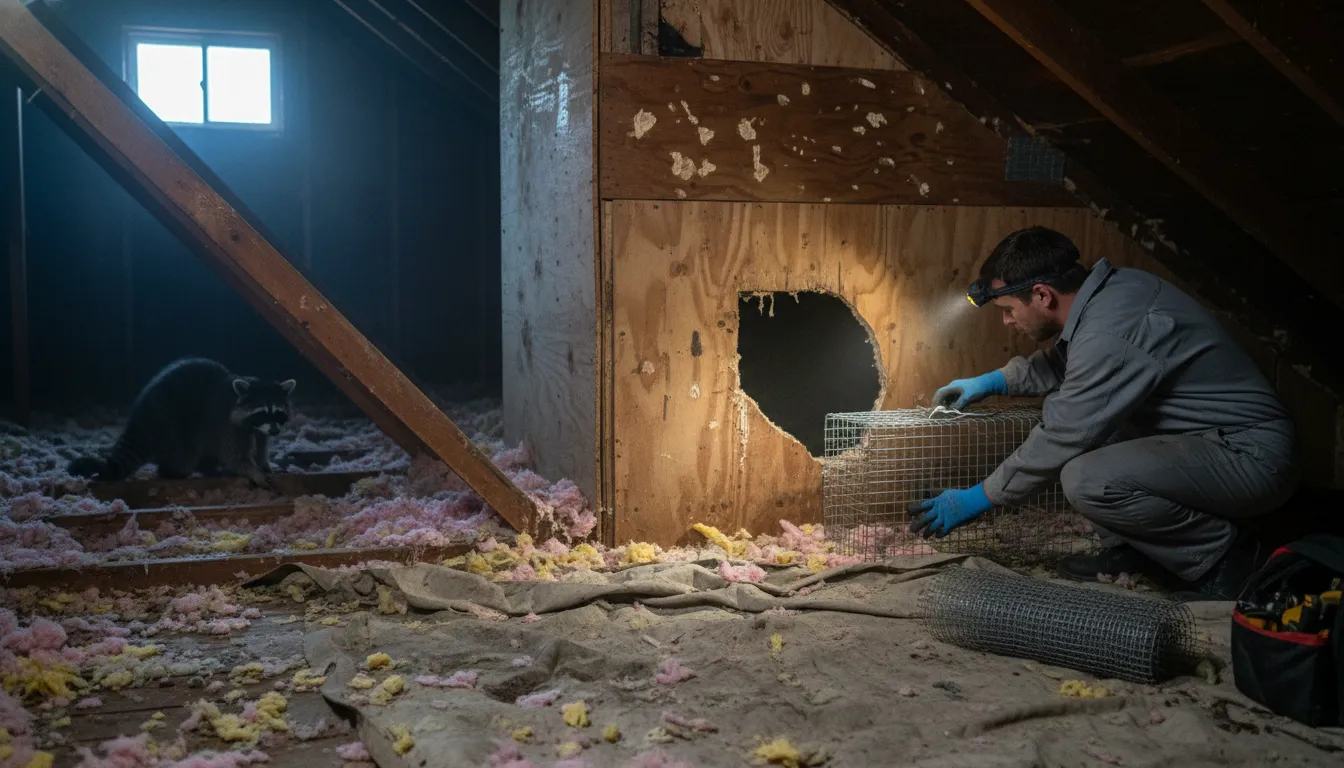
Find the Best Wildlife Removal Companies for Your Business
No obligation • Fast responses • Nationwide coverage

Why you can trust Pest Crews
Pest Crews is a leading U.S. resource for finding and evaluating residential and commercial pest control services. Our team researches providers, reviews treatment approaches, and organizes unbiased information to help you make informed decisions. Companies cannot pay to change our editorial content or influence how they appear.
Search providers near you
Top Wildlife Removal Companies in Georgetown, Texas Ranked
Discovering an uninvited animal in your attic, under your deck, or rummaging through your trash can be unsettling. Wildlife removal in Georgetown addresses these common conflicts between humans and local fauna, focusing on the safe, legal, and humane resolution of nuisance animal problems. This service is crucial for protecting your property from damage and ensuring the safety of your family and pets. Here, you can find information on local wildlife control experts who specialize in everything from trapping and exclusion to cleanup and prevention.
Surge Pest Control
2006 Rivery Blvd #109, Georgetown, TX 78628
Surge Pest Control is a locally owned pest control company serving Austin, TX. They handle a wide range of pests including ants, roaches, spiders, termites, mosquitoes, rodents, wasps, bed bugs, and also provide wildlife removal services for animals like raccoons and squirrels. The company offers termite inspections and advanced treatments such as baiting systems and liquid barriers to protect homes from termite damage. Surge Pest Control uses eco-friendly solutions tailored to Texas's pest challenges and recommends regular treatments to maintain pest control throughout the year.
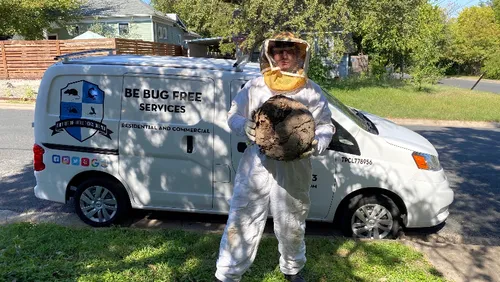
Be Bug Free Services- South Austin
4515 Menchaca Rd #105, Austin, TX 78745
Be Bug Free Services- South Austin offers pest control solutions in Austin, TX, and surrounding areas. They handle a variety of pests including bed bugs, cockroaches, ants, rodents, termites, and unwanted wildlife for both residential and commercial properties. Their certified technicians use advanced, safe methods suitable for homes and businesses. The company provides termite inspections and pest management services with written guarantees and green pest control options. Emergency on-call services are also available.
The Bug Master
1912 Smith Rd, Austin, TX 78721
The Bug Master provides comprehensive pest control services in Austin, TX, addressing common pests such as ants, cockroaches, spiders, scorpions, rodents, termites, mosquitoes, and urban wildlife. They offer both residential and commercial pest management solutions tailored to various neighborhoods including Barton Hills, East Austin, Tarrytown, South Congress, Hyde Park, and Mueller. Their termite control includes inspections and treatments using the Sentricon® system, which targets current infestations and prevents future ones. The company also specializes in humane wildlife removal and rodent exclusion to protect homes and businesses from damage and contamination.
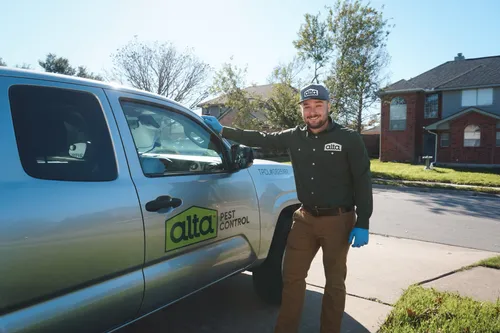
Alta Pest Control
1106 S Mays St #220, Round Rock, TX 78664
Alta Pest Control offers comprehensive pest management services in Austin, TX, and surrounding areas. Their premium pest control includes quarterly treatments targeting common pests such as ants, spiders, roaches, rodents, and mosquitoes, with additional services like termite control using the Sentricon® system, rodent exclusion, wildlife removal, and bed bug treatments. They focus on proactive pest prevention and provide a 100% satisfaction guarantee with unlimited free re-treatments between visits. Alta Pest Control serves a broad area including Round Rock and nearby communities, aiming to provide environmentally conscious solutions for homes and yards.
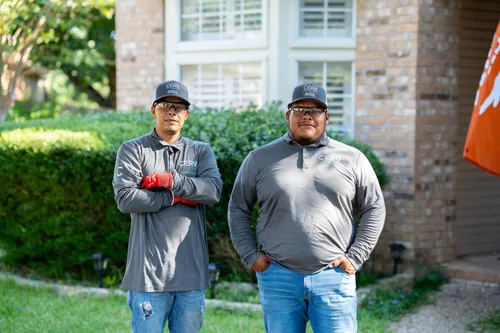
Cerv Property Solutions Austin
4930 S Congress Ave #303C, Austin, TX 78745
Cerv Property Solutions Austin offers comprehensive pest control and wildlife removal services in Austin, TX. Their pest management includes bed bug treatment, cockroach and ant control, rodent sealing, mosquito control, and wildlife exclusion work. Operating under the Cerv brand, they provide coordinated property care services that integrate pest control with landscape, pool, exterior, waste, and janitorial solutions. This approach aims to simplify property maintenance by managing multiple needs through one platform.
Common Nuisance Wildlife in Georgetown
Georgetown's blend of suburban neighborhoods and natural Hill Country landscapes makes it a habitat for a variety of wildlife. While many species are a welcome part of the local ecosystem, they can become problematic when they seek food or shelter in our homes and yards. The most frequently encountered nuisance animals include mammals like raccoons, squirrels, opossums, and coyotes. Rodents such as rats and mice are also common, along with bats that may roost in attics. In recent years, the invasive feral hog has become a significant concern in surrounding areas, capable of causing extensive landscape damage.
Bird species like woodpeckers, herons, and crows can also create issues, from pecking holes in siding to contaminating areas with droppings. While less common within city limits, residents should be aware of native snake species and, very rarely, alligators in certain waterways. Understanding which animals are active in your area is the first step toward effective wildlife management.
Why Professional Animal Removal Matters
Attempting to handle a wild animal on your own can be dangerous and is often illegal. Professional wildlife control operators are trained in species-specific behavior, safe handling techniques, and the complex web of state and local regulations. For instance, Texas state law allows landowners to deal with fur-bearing animals like raccoons and opossums on their property, but relocating them off-site requires a permit from Texas Parks & Wildlife (TPWD) and the consent of the landowner where the animal will be released. Professionals navigate these rules to ensure compliance.
Furthermore, experts don't just remove the animal; they solve the underlying problem. A mother raccoon removed from a chimney is only a temporary fix if her babies are left behind or the entry point remains open. Professionals focus on humane eviction, exclusion (permanently sealing entry points), and cleanup to mitigate health hazards from droppings or urine. This comprehensive approach is key to preventing a recurring issue.
Effective Prevention and Control Strategies
The most cost-effective form of wildlife control is preventing animals from being attracted to your property in the first place. This involves making your home less inviting as a food source or den site.
- Secure Food Sources: Use locking lids on trash cans, remove pet food from porches overnight, and clean barbecue grills. Georgetown's city code specifically prohibits leaving pet food unattended where it can attract wildlife.
- Exclusion and Sealing: Conduct seasonal inspections of your home's exterior. Look for loose vents, holes in siding, gaps under eaves, or openings where utility lines enter. Use sturdy materials like hardware cloth or steel wool to block potential entry points to attics, crawl spaces, and under decks 1.
- Habitat Modification: Trim tree branches that overhang your roof to limit access for squirrels and raccoons. Keep woodpiles and dense brush away from your home's foundation to reduce shelter for rodents and snakes.
- Live Trapping: For some animals, live trapping may be necessary. However, it is a regulated activity. As mentioned, relocation often requires a TPWD permit and must be done humanely and legally. It's generally more effective when combined with exclusion methods.
- Professional Management for Larger Species: Issues with feral hogs or deer typically require professional trapping or, on private land, managed hunting with the proper licenses and permits 2.
Find the perfect wildlife removal companies for your needs
Get personalized recommendations and expert advice
Understanding Costs for Animal Control Services
The cost for professional wildlife and animal removal in Georgetown varies based on the species, the extent of the infestation, and the services required. Simple trapping and removal for a single animal like a squirrel or rat might range from $150 to $300. However, most jobs are more complex.
If animals have established a den inside a structure, the process involves eviction, removal of any young, and then thorough exclusion work to seal all entry points. This exclusion service can range from $300 to $800 or more, depending on the size of the home and accessibility of the areas needing repair 3. For larger or more destructive species like feral hogs or coyotes, costs are typically higher and may be quoted on a per-day or per-trap basis, often starting at $400 and going up to $1,000 or more 3. An initial inspection is usually the first step, allowing a professional to provide a detailed estimate.
When to Call Animal Control vs. a Wildlife Professional
It's important to know which agency or service provider to contact for different situations.
Contact the City of Georgetown Animal Control for:
- Aggressive, sick, or injured animals posing an immediate danger, especially those showing potential signs of rabies.
- Issues with loose, aggressive, or neglected domestic animals (dogs, cats).
- Reports of ordinance violations, such as unattended pet food or pets defecating on others' property.
- While they handle public safety, their primary focus is domestic pets rather than wild animal removal from private property 4.
Contact a Licensed Wildlife Removal Professional for:
- Animals actively living inside your home's structure (attic, walls, chimney).
- Persistent nuisance wildlife on your private property (gardens, yards, outbuildings).
- The need for exclusion services, damage repair, or cleanup after an infestation.
- Guidance on legal and humane trapping for species like raccoons, squirrels, and bats.
For extremely dangerous wildlife like bears or mountain lions (though rare in Georgetown), both local authorities and Texas Parks & Wildlife would likely be involved 5 6.
Local Wildlife Removal and Pest Control Services
Georgetown residents have access to several local companies that offer wildlife control as part of their services. These providers can handle the full spectrum of issues, from inspection and humane removal to exclusion and sanitization. Some well-regarded local options include A-Tex Pest Management, Triple L Pest Control, EvoFoam Pest Control, EcoPro Services, and Stride Pest Control. When choosing a provider, look for companies with specific experience in wildlife exclusion, proper licensing, and a commitment to humane methods in accordance with Texas regulations.
Frequently asked questions
Sources
Footnotes
-
A Guide on How to Legally Remove Protected Wildlife from Your Property - https://allpests.com.au/a-guide-on-how-to-legally-remove-protected-wildlife-from-your-property/ ↩
-
Nuisance Fur-bearing Animals - https://tpwd.texas.gov/regulations/outdoor-annual/hunting/fur-bearing-animal-regulations/nuisance-fur-bearing-animals ↩
-
Top 10 Best Wildlife Control in Georgetown, TX - Yelp - https://m.yelp.com/search?find_desc=Wildlife+Control&find_loc=Georgetown%2C+TX ↩ ↩2
-
Animal Control - City of Georgetown - https://georgetowntexas.gov/public_safety/animal_control/ ↩
-
Wild Animals - Animal Law - Guides at Texas State Law Library - https://guides.sll.texas.gov/animal-law/wild-animals ↩
-
Animal Ordinances - City of Georgetown - https://georgetowntexas.gov/public_safety/animal_control/animal_ordinances.php ↩