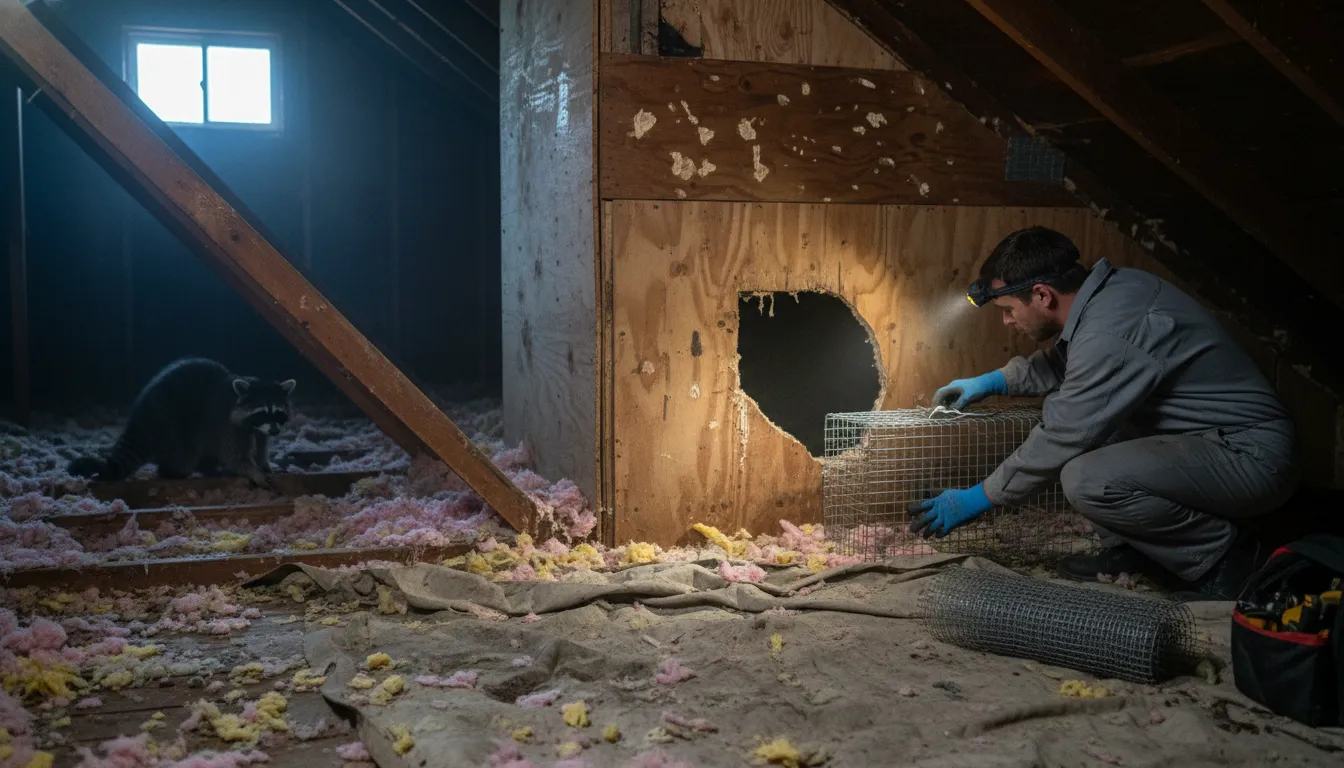
Find the Best Wildlife Removal Companies for Your Business
No obligation • Fast responses • Nationwide coverage
Why you can trust Pest Crews
Pest Crews is a leading U.S. resource for finding and evaluating residential and commercial pest control services. Our team researches providers, reviews treatment approaches, and organizes unbiased information to help you make informed decisions. Companies cannot pay to change our editorial content or influence how they appear.
Search providers near you
Top Wildlife Removal Companies in League City, Texas Ranked
Living alongside nature is part of the charm of League City, but when raccoons raid your attic, snakes slither into your garage, or squirrels chew through your wiring, that charm quickly fades. Professional wildlife removal and animal control services are essential for safely and humanely resolving conflicts with nuisance wildlife, protecting both your property and the animals involved. This guide will help you understand the common wildlife issues in our area, when to take action yourself, and how to find qualified local experts for humane trapping, exclusion, and prevention.
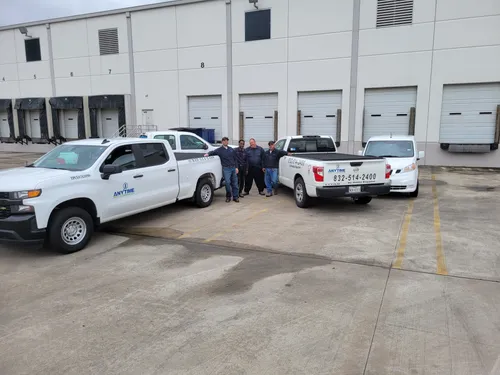
Anytime Pest Elimination League City
2600 South Shore Blvd Suite 300-7103, League City, TX 77573
Anytime Pest Elimination League City is a pest control company serving Houston, TX, offering services for a wide range of pests including bed bugs, cockroaches, ants, rodents, termites, mosquitoes, bees, wasps, birds, and wildlife. They provide both residential and commercial pest control solutions using advanced techniques tailored to local pest challenges. With over 30 years of experience, the company has a strong understanding of pest behavior in the Houston area. Anytime Pest Elimination also offers 24/7 availability with a round-the-clock answering service to assist customers at any time.
Stephen Terry Services
7407 Spencer Hwy Suite 110, Pasadena, TX 77505
Stephen Terry Services is a pest control company based in Houston, TX, offering a range of services for residential and commercial properties. Their quarterly pest control program targets common local insects with initial comprehensive treatment followed by exterior services every three months. The company also provides critter control with live trapping and relocation, rodent proofing inspections and repairs, bee removal, mosquito yard sprays, and termite treatments using Termidor products. They handle one-time treatments for fleas, German roaches, and raspberry crazy ants as well.
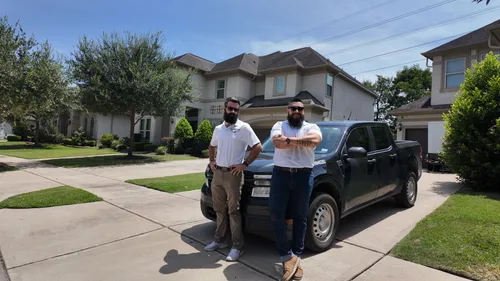
The Restoration Attics
15255 Gulf Fwy #146A, Houston, TX 77034
The Restoration Attics provides pest control, wildlife removal, and attic restoration services in Houston, TX. They focus on thorough inspections, sealing entry points, and repairing damage to prevent future infestations. Their approach includes targeted pest control, professional wildlife exclusion, and attic cleanup with insulation restoration. The company serves Houston and surrounding communities with solutions designed to last.
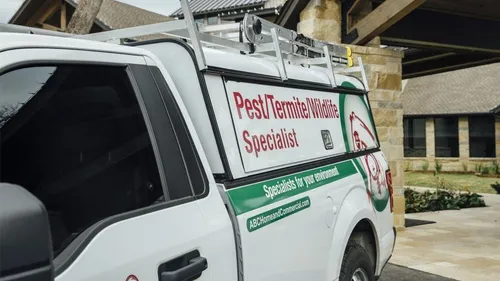
ABC Home & Commercial Services
4807 Katy Freeway Service Road, Houston, TX 77007
ABC Home & Commercial Services is a family-owned pest control and landscaping company serving Houston, TX. They provide a wide range of services including pest extermination for bed bugs, cockroaches, ants, rodents, termites, mosquitoes, and wildlife removal, along with commercial pest control. Their pest control approach combines thorough inspections, eco-friendly treatments, and long-term prevention strategies tailored to Houston's climate. Founded in 1949 and established in Houston since 1986, ABC has over seven decades of experience. They also offer landscaping, lawn care, pool and hot tub maintenance, exterior cleaning, and holiday lighting services.

Terminix
100 E NASA Pkwy Suite 409, Webster, TX 77598
Terminix is a pest control company serving Houston, TX, specializing in the management and removal of various pests including bed bugs, cockroaches, ants, rodents, termites, bees, wasps, and wildlife. The team understands local pest challenges and offers tailored solutions to protect homes and properties from seasonal and persistent infestations. Their termite control services focus on inspection and prevention to minimize structural damage, while rodent control includes property inspections and customized plans to keep wildlife away. Terminix also provides comprehensive coverage for a wide range of pests common in the area.
Common Nuisance Wildlife in League City
The Gulf Coast region is home to a diverse array of wildlife, and many species can become problematic when their search for food, water, or shelter leads them into our homes and yards. Knowing what you're dealing with is the first step.
Frequent Mammalian Visitors:
- Raccoons: Intelligent and dexterous, they are notorious for tipping over trash cans and finding ways into attics.
- Squirrels: Both gray and fox squirrels can cause significant damage by gnawing on wood, insulation, and electrical wires inside walls and attics.
- Opossums: These nocturnal marsupials often take up residence under decks, sheds, or in crawl spaces.
- Rodents: Rats and mice are common year-round invaders seeking food and nesting materials.
- Others: Residents may also encounter issues with bats, armadillos, coyotes, and even feral hogs on larger properties.
Reptiles and Birds:
- Snakes: Both venomous (like copperheads and water moccasins) and non-venomous species can be found in gardens, woodpiles, and garages.
- Birds: Woodpeckers can damage siding, while herons might prey on ornamental fish in ponds.
What Homeowners Can Do: DIY Prevention and Deterrence
Before wildlife becomes a full-blown infestation, there are several effective steps you can take to make your property less inviting.
Eliminate Food Sources: This is the most critical step. Secure trash cans with locking lids or bungee cords. Avoid leaving pet food outdoors overnight. Pick up fallen fruit from trees and clean up spilled birdseed regularly 1.
Seal Entry Points: Conduct a thorough inspection of your home's exterior. Look for gaps in soffits, loose roof vents, holes in siding, or cracks in foundations. Seal any openings larger than a quarter-inch using durable materials like hardware cloth, steel wool, or metal flashing. Remember, a mouse can fit through a hole the size of a dime.
Modify Habitat: Trim tree branches back at least six feet from your roofline to prevent squirrels and raccoons from accessing your roof. Keep woodpiles and dense brush away from the house. Install chimney caps and vent covers.
Use Deterrents with Caution: Bright lights, motion-activated sprinklers, or ultrasonic devices may provide temporary relief for some animals, but their effectiveness varies widely, and wildlife often becomes accustomed to them 2.
Understanding Texas Wildlife Laws and Regulations
Navigating the legal aspects of wildlife removal is crucial. Texas Parks and Wildlife Department (TPWD) regulations and local city ordinances dictate what you can and cannot do.
Nuisance Fur-Bearing Animals: TPWD allows landowners (or their agents) to remove certain nuisance fur-bearing animals-such as raccoons, opossums, and squirrels-from their property without a hunting or trapping license. However, this comes with strict rules. If an animal is trapped alive, it must be released on the same property or humanely euthanized. Relocating trapped wildlife to another location is illegal without a permit from TPWD, as it can spread disease and create problems for other landowners 3.
Protected and Dangerous Species: Bats are protected in Texas, and their removal is often subject to specific seasonal restrictions. The handling of venomous snakes or alligators should always be left to professionals. If you encounter an alligator in League City, you should contact Animal Control immediately 4.
Wildlife as Pets: It is generally prohibited to keep native wildlife as pets in League City. Special permits from TPWD are required for rehabilitation or educational purposes, and city ordinances reinforce these state laws 5.
When to Call a Professional Wildlife Control Operator
While DIY methods are great for prevention, some situations require expert intervention. Professional wildlife removal specialists have the training, equipment, and legal knowledge to handle problems safely and permanently.
Call a Pro When You:
- Hear persistent noises (scratching, scurrying, thumping) in walls, ceilings, or attics, especially at night or dawn.
- Find signs of an active infestation, like droppings, nesting materials, or strong odors.
- Discover a wild animal has taken up residence inside your home (e.g., a raccoon in the chimney, squirrels in the attic).
- Encounter a venomous snake or a colony of bats.
- Need to humanely trap and remove an animal in compliance with state laws.
- Require exclusion work-the permanent sealing of entry points after animals are removed-to prevent re-entry.
Find the perfect wildlife removal companies for your needs
Get personalized recommendations and expert advice
When to Contact League City Animal Services: For immediate threats involving aggressive, sick, or visibly injured wildlife, residents should contact League City Animal Services. They are also the point of contact for reporting violations of city animal ordinances 6 7.
The Professional Wildlife Removal Process
A reputable wildlife control operator (WCO) will follow a multi-step process focused on humane removal and long-term prevention.
- Inspection: The technician will perform a thorough inspection of your property to identify the species involved, locate all entry points, and assess the extent of the damage.
- Humane Removal: Using species-appropriate techniques, the animals will be removed. This may involve live trapping, one-way exclusion doors, or hands-on extraction. Ethical professionals avoid inhumane glue traps or poisons that can cause suffering and create secondary hazards.
- Clean-up and Sanitation: Wildlife leaves behind droppings, urine, and nesting materials that can pose health risks and attract insects. Professionals will clean and disinfect affected areas.
- Exclusion and Repair: This is the most important step for a permanent solution. The WCO will seal all identified entry points with durable materials to prevent future intrusions. They may also recommend habitat modifications.
- Follow-up: Many companies offer a warranty period on their exclusion work and will schedule a follow-up visit to ensure the problem is fully resolved.
Cost Considerations for Wildlife Removal
The cost of wildlife control in League City varies significantly based on the species, the location and size of the infestation, and the extent of repairs needed. Here are some general estimates based on common scenarios 8:
- Basic Rodent or Squirrel Removal: For a single animal or a straightforward trapping job, costs often range from $150 to $300.
- Raccoon or Opossum Removal from an Attic: This is more complex, typically involving removal, cleanup, and exclusion. Prices frequently range from $250 to $500 or more.
- Snake Removal: Non-venomous snake removal may cost between $100 and $200, while venomous snake removal is more specialized and can be higher.
- Exclusion/Prevention Work: The cost to seal a home against future entry depends on the size of the home and number of vulnerabilities, but projects can range from $300 to over $1,000.
Always get a detailed, written estimate before work begins. A trustworthy professional will clearly explain what the price includes (removal, cleanup, repairs, warranty) and will be properly licensed and insured.
Choosing a Qualified Wildlife Removal Service in League City
Selecting the right professional is key. Look for a service that:
- Is licensed and insured for wildlife control work in Texas.
- Has specific experience with the type of animal causing your problem.
- Emphasizes humane removal methods and permanent exclusion.
- Provides clear, written estimates and warranties for their work.
- Can explain relevant Texas TPWD regulations and local ordinances.
- Offers emergency services if needed for urgent situations.
By combining proactive prevention with professional expertise when necessary, League City residents can effectively manage wildlife conflicts, ensuring peaceful coexistence with our natural neighbors.
Frequently asked questions
Sources
Footnotes
-
I have nuisance wildlife in my home/yard. What should I do? - https://www.ewingnj.org/documents/files/file/Health/Animal%20Control/Nuisance%20wildlife.pdf ↩
-
Wildlife Removal and Relocation in Austin - https://yarddoc.com/pest-control/wildlife-removal/ ↩
-
Nuisance Fur-bearing Animals - https://tpwd.texas.gov/regulations/outdoor-annual/hunting/fur-bearing-animal-regulations/nuisance-fur-bearing-animals ↩
-
Wild Animals - Animal Law - Guides at Texas State Law Library - https://guides.sll.texas.gov/animal-law/wild-animals ↩
-
5 Popular Animals That Are Illegal As Pets in Texas - Zehl & Associates - https://www.zehllaw.com/5-popular-animals-that-are-illegal-as-pets-in-texas/ ↩
-
Wildlife | The League City Official Website! - https://www.leaguecitytx.gov/3930/Wildlife ↩
-
City Animal Ordinances | The League City Official Website! - https://www.leaguecitytx.gov/3931/City-Animal-Ordinances ↩
-
Code Compliance/Animal Control | Leon Valley Texas - https://www.leonvalleytexas.gov/police/page/code-complianceanimal-control ↩