Find the Best Wildlife Removal Companies for Your Business
No obligation • Fast responses • Nationwide coverage

Why you can trust Pest Crews
Pest Crews is a leading U.S. resource for finding and evaluating residential and commercial pest control services. Our team researches providers, reviews treatment approaches, and organizes unbiased information to help you make informed decisions. Companies cannot pay to change our editorial content or influence how they appear.
Search providers near you
Top Wildlife Removal Companies in Lewisville, Texas Ranked
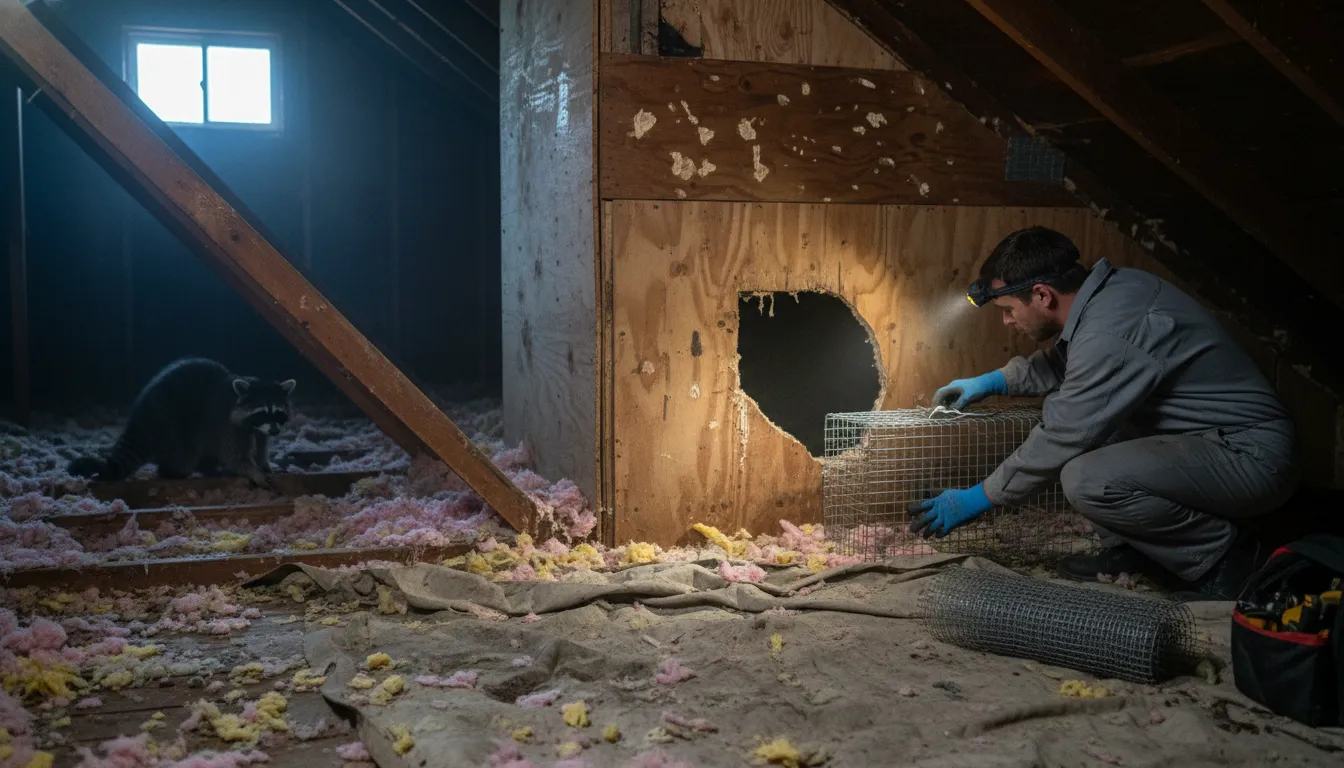
Living in Lewisville means enjoying the beauty of North Texas, but it also means sharing that space with a variety of wildlife. When squirrels, raccoons, opossums, or birds decide your attic, walls, or yard is their new home, it becomes a nuisance wildlife situation. Professional wildlife removal and animal control services are essential for safely and humanely resolving these conflicts, protecting your property from damage, and ensuring the well-being of both people and animals. This guide provides local insights to help you understand your options, from DIY prevention to knowing when to call a licensed professional.
Romex Pest & Termite Control
1606 109th St Suite A, Grand Prairie, TX 75050
Romex Pest & Termite Control provides eco-friendly pest control services in Dallas, TX, serving both homes and businesses. Their offerings include treatment for bed bugs, rodents, termites, mosquitoes, and other common pests, using non-toxic methods that prioritize the safety of families and pets. The company employs advanced detection and treatment tools combined with integrated pest management strategies tailored to local needs. Romex Pest & Termite Control is licensed and insured across Texas and neighboring states, emphasizing environmentally responsible solutions.
Myles Pest Services
6517 Smithfield Rd c, North Richland Hills, TX 76182
Myles Pest Services is a pest control company serving Dallas, TX, and the Greater Fort Worth area. With over 35 years of experience, they provide tailored pest control solutions including rodent exclusion, termite protection, mosquito treatments, and general pest management. Their services focus on long-term results and customer convenience, offering online scheduling and upfront pricing. The company emphasizes a customer-first approach backed by a satisfaction guarantee.
Buzz Kill Pest Control
Fort Worth, TX
Buzz Kill Pest Control is a licensed and insured pest control company serving Fort Worth, TX, and surrounding areas since 2008. They offer comprehensive pest management services for residential and commercial properties, including treatments for ants, cockroaches, rodents, termites, mosquitoes, bed bugs, and wildlife removal. Their services include preventative maintenance plans, complete extermination for active infestations, and specialized treatments such as bed bug heat treatments and termite baiting systems. The company uses advanced technology like thermal imaging and electronic rodent monitoring to enhance pest detection and control. Buzz Kill Pest Control also provides 24/7 emergency pest response for urgent situations in the North Texas region.
Ivy Green Pest Control
Fort Worth, TX
Ivy Green Pest Control is a family-owned pest control company serving Fort Worth, TX, and nearby communities. With over 30 years of experience, they offer comprehensive residential and commercial pest management services including termite control, mosquito treatments, rodent extermination, bed bug removal, and wildlife extraction. Their approach emphasizes safe, eco-friendly methods using EPA-approved products to protect homes and businesses while minimizing environmental impact. The company provides thorough inspections to identify pest issues and applies targeted treatments for lasting results. Ivy Green Pest Control also offers same-day service responses and a 30-day pest-free guarantee, prioritizing customer safety and satisfaction.
Big D Pest & Termite Services
211 Smith St, McKinney, TX 75069
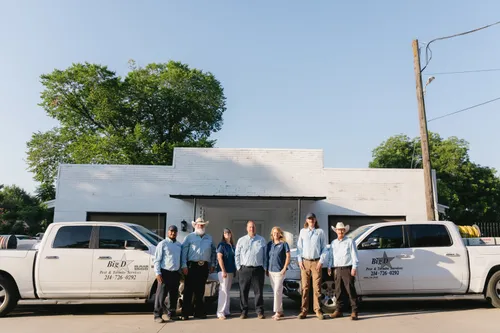
Big D Pest & Termite Services is a pest control company based in McKinney, TX, offering solutions for homes and businesses. They provide integrated pest management services targeting a wide range of pests including ants, roaches, rodents, termites, mosquitoes, wasps, and wildlife. Their approach focuses on eco-friendly and safe methods that protect children and pets while effectively managing infestations. With over 30 years of experience, they emphasize thorough inspections and customized treatments to ensure long-lasting pest prevention. Emergency and same-day appointments are available to address urgent pest issues promptly.
Common Nuisance Wildlife in Lewisville
Lewisville's mix of suburban neighborhoods, green spaces, and proximity to water sources like Lewisville Lake creates an attractive habitat for several species. Understanding which animals are most likely to cause problems is the first step.
- Squirrels: These agile climbers are a top culprit for attic invasions. They can chew through soffits, roof vents, and electrical wiring, creating fire hazards and costly damage.
- Raccoons: Intelligent and dexterous, raccoons seek out attics, chimneys, and crawl spaces for denning. They are strong enough to tear open shingles or siding and are potential carriers of diseases like rabies and raccoon roundworm.
- Opossums: While generally less destructive, opossums may take shelter under decks, porches, or in garages. They can create messes and, though their threat of rabies is extremely low, their presence is often unwanted.
- Birds (Pigeons, Sparrows, Starlings): Birds nesting in vents, on ledges, or in attics can block airflow with their nests and create significant hygiene issues from their droppings, which can damage property and pose health risks.
- Rodents (Rats & Mice): While often grouped separately, rats and mice are wildlife that frequently invade homes. They contaminate food, chew incessantly, and reproduce rapidly.
What You Can Do: DIY Prevention and Deterrence
Before an animal moves in, or in response to a minor issue, there are several effective steps Lewisville residents can take. The core principles of do-it-yourself wildlife control are exclusion and attractant removal 1.
Seal Entry Points: Conduct a thorough inspection of your home's exterior. Look for gaps in siding, loose roof shingles, uncapped chimneys, and holes where utility lines enter. Use sturdy materials like hardware cloth, steel wool (for rodents), or metal flashing to seal any openings larger than a quarter-inch. Remember, an opening the size of a golf ball can admit a rat, and one the size of a baseball can admit a raccoon.
Remove Food and Shelter: Wildlife is drawn to easy meals and safe harborage.
- Secure trash cans with tight-fitting, locking lids.
- Do not leave pet food outdoors overnight.
- Pick up fallen fruit from trees and keep compost bins securely covered.
- Trim tree branches back at least 6-8 feet from your roofline to limit access for squirrels and raccoons.
- Keep woodpiles and dense brush away from your home's foundation.
Bird-Specific Deterrents: For nuisance birds, action is most effective before they nest. Once eggs are laid, federal laws protect most native bird species, making nest disturbance illegal. Use visual scare devices like reflective tape, old CDs, or predator decoys. Audible deterrents like ultrasonic repellers or occasional noisemakers can also be effective if used consistently and rotated to prevent birds from becoming accustomed to them.
Safe Trapping for Rodents: For mice and rats, snap traps or live traps can be effective. Place them along walls where rodents travel, baited with peanut butter or nesting material. Avoid using poison baits (rodenticides), as they can cause animals to die in inaccessible wall voids, creating odor problems, and pose secondary poisoning risks to pets, children, and non-target wildlife like owls and hawks.
Find the perfect wildlife removal companies for your needs
Get personalized recommendations and expert advice
When to Call a Professional Wildlife Control Operator
While DIY methods work for prevention, many situations require the expertise of a licensed wildlife removal service. Knowing when to make the call can save you time, money, and further property damage.
1. Animals Inside the Living Structure: If you hear scratching, scurrying, or vocalizations in your attic, walls, or chimney, a professional assessment is crucial. Experts can identify the species, locate all entry points, and safely remove the animals, often using specialized traps.
2. Complex Removal and Relocation: Trapping and relocating fur-bearing animals like raccoons, squirrels, and opossums in Texas requires specific authorization from Texas Parks & Wildlife Department (TPWD). Licensed professionals understand these regulations and have the necessary permits to legally and humanely relocate animals to approved areas, which is something homeowners generally cannot do on their own.
3. Exclusion and Repair Work: Simply removing the animal is only half the battle. A critical service professionals provide is exclusion-permanently sealing all potential entry points with durable materials to prevent re-entry. This often involves installing one-way doors, repairing chewed holes, and reinforcing vulnerable areas. Without proper exclusion, the problem will likely recur.
4. Health and Safety Risks: Any animal that is acting strangely, appears sick, or could be a rabies vector species (like raccoons, bats, or skunks) should only be handled by professionals. Similarly, large accumulations of bird or bat droppings (guano) require specialized cleanup due to potential fungal spores that can cause respiratory illnesses.
Understanding Local Regulations and Animal Control
It's important to know the roles of local agencies, as their scope is often limited.
- City of Lewisville Animal Services: This department primarily handles domestic animal issues-stray dogs and cats, barking complaints, and bite investigations. They respond to wildlife calls only in cases of an immediate public health or safety threat, such as a visibly rabid animal or an aggressive animal in a public space2 3. They do not provide trapping or removal services for nuisance wildlife in homes 4.
- Denton County Animal Control: Similar to city services, their focus is typically on domestic pets.
- Texas Parks & Wildlife Department (TPWD): This state agency regulates the handling of native wildlife. As noted, they govern the permitting for trapping and relocating fur-bearing animals. They also enforce protections for most bird species 5.
What to Expect: The Professional Wildlife Removal Process
A reputable wildlife control operator will follow a comprehensive process:
- Inspection: A thorough assessment of your property to identify the pest species, locate entry points, and assess damage.
- Removal: Employing humane, legal methods to remove the animals. This may involve live trapping, one-way exclusion doors, or other techniques.
- Exclusion: Sealing all identified entry points with professional-grade materials to prevent future invasions.
- Cleanup & Sanitation: Removing contaminated insulation, droppings, and nesting materials, followed by disinfecting the area to eliminate odors and health hazards.
- Restoration: Repairing damage caused by the animals, such as chewed wires, torn ductwork, or soiled insulation.
Cost Considerations for Wildlife Control in Lewisville
Costs for animal removal vary widely based on the species, the extent of the infestation, the amount of damage, and the necessary repairs.
- Squirrel Removal from an Attic: Can range from a few hundred dollars for a simple removal and minor exclusion to over $1,000 if there is significant damage requiring extensive repairs and decontamination6 7.
- Raccoon or Opossum Trapping: Often priced per animal or as a flat rate for the job, typically falling in the range of $200 to $500 or more, depending on complexity and the need for den site cleanup8.
- Exclusion Work: This is usually an added cost but is vital for a permanent solution. Sealing a home can cost anywhere from a few hundred to over a thousand dollars, depending on the size of the home and number of vulnerabilities 9.
- Bird Removal and Exclusion: Costs depend on the location (e.g., high ledge, attic vent) and the scope of work needed to install deterrents and sealing materials.
Always request a detailed, written estimate that breaks down inspection, removal, exclusion, and repair costs before work begins.
Frequently asked questions
Sources
Footnotes
-
Nuisance Animals of Texas | RMWBH Law - https://rmwbh.com/nuisance-animals-of-texas/ ↩
-
Animal Services FAQ | City of Lewisville, TX - https://www.cityoflewisville.com/our-services/animal-services/animal-services-faq ↩
-
Coexhisting with Wildlife | City of Lewisville, TX - https://www.cityoflewisville.com/our-services/animal-services/animal-information-links/coexisting-with-wildlife ↩
-
Lewisville Wildlife Control / Texas Animal Removal - http://www.aaanimalcontrol.com/professional-trapper/city/TX-Lewisville.htm ↩
-
Nuisance Fur-bearing Animals - https://tpwd.texas.gov/regulations/outdoor-annual/hunting/fur-bearing-animal-regulations/nuisance-fur-bearing-animals ↩
-
AAAC Wildlife Removal & Control In Lewisville TX - https://aallanimalcontrol.com/denton/lewisville-wildlife-removal/ ↩
-
Lewisville Wildlife Removal, Pest Animal Control TX - Red Rover ... - http://www.wildlife-removal.com/city/TX-Lewisville.htm ↩
-
Prices for Lewisville Wildlife Pest Control Animal Trapping - http://www.aaanimalcontrol.com/Professional-TRAPPER/prices/TX-Lewisville-prices.htm ↩
-
Lewisville Wildlife Animal Control - Pest Removal Trappers - http://www.wildlifeanimalcontrol.com/Lewisville.html ↩