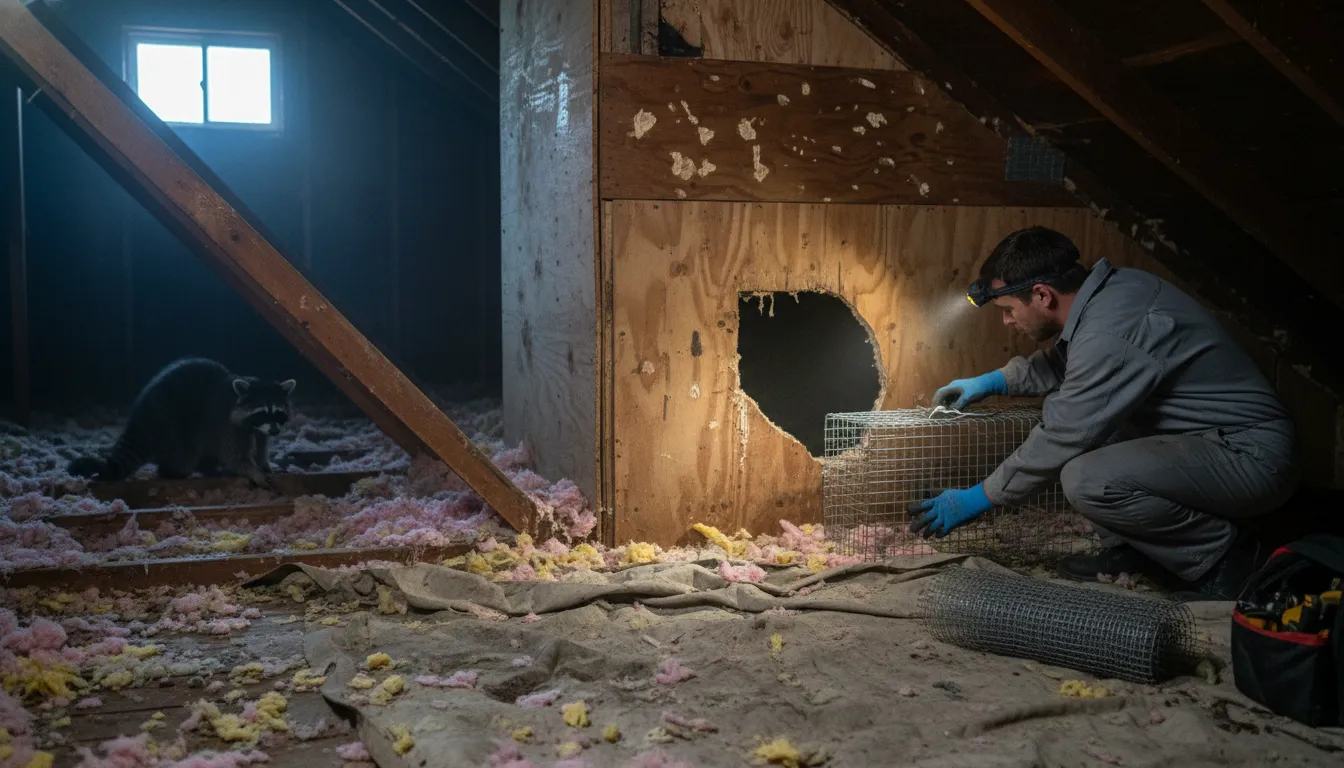
Find the Best Wildlife Removal Companies for Your Business
No obligation • Fast responses • Nationwide coverage

Why you can trust Pest Crews
Pest Crews is a leading U.S. resource for finding and evaluating residential and commercial pest control services. Our team researches providers, reviews treatment approaches, and organizes unbiased information to help you make informed decisions. Companies cannot pay to change our editorial content or influence how they appear.
Search providers near you
Top Wildlife Removal Companies in Mission, Texas Ranked
Living in the Rio Grande Valley means sharing our beautiful environment with a diverse array of native wildlife. While this biodiversity is a treasure, it can lead to challenging situations when animals like raccoons, snakes, or feral hogs decide to make your attic, yard, or business their home. Professional wildlife removal and animal control services are essential for safely and legally resolving these conflicts, protecting your property, and ensuring the humane treatment of animals. This guide provides a detailed look at common nuisance species in Mission, Texas laws, and how to effectively find and vet local experts for humane wildlife exclusion and management.
ABC Home & Commercial Services
2600 Mid Valley Dr, Weslaco, TX 78599
ABC Home & Commercial Services has been serving Brownsville, TX, and the surrounding areas since 1949. They offer a wide range of pest control solutions for homes and businesses, including bed bug treatment, fire ant control, mosquito control, termite inspection and control, rodent and wildlife removal, and roach extermination. Their termite services include pre-construction termite protection using Termimesh, a scientifically proven method to safeguard properties. With decades of experience, ABC provides tailored treatment plans to address various pest issues effectively.

Terminix
1508 Industrial Dr, Weslaco, TX 78599
Terminix provides pest control services in Brownsville, TX, addressing common local pests such as ants, spiders, termites, bed bugs, roaches, rodents, and wildlife. Their team is familiar with the area's pest challenges and offers customized plans to protect homes and properties. Terminix specializes in termite inspections and control, rodent prevention, and bed bug treatments, supported by a nationwide network of expertise.
D1 Pest Control
Brownsville, TX
D1 Pest Control offers professional pest and termite control services in Brownsville, TX, and the surrounding Rio Grande Valley. The company handles a variety of pests including rodents, roaches, ants, wildlife, spiders, and fleas, providing solutions such as nest removal, hole sealing, and trap setting. They also specialize in termite control with inspections and treatments designed to prevent further damage. Established in 2023 with over twenty years of experience, D1 Pest Control uses high-quality equipment and products to protect both residential and commercial properties. The company provides 24/7 availability including emergency services.
Common Nuisance Wildlife in Mission
The subtropical climate and varied habitats around Mission support numerous species that can become problematic for residents and business owners. Understanding which animal you're dealing with is the first step toward a solution.
Mammals:
- Raccoons & Opossums: These clever, nocturnal scavengers are frequent visitors, often seeking shelter in attics, chimneys, or under decks. They rummage through trash and can cause significant damage while searching for food or nesting sites.
- Rodents: Roof rats, Norway rats, and house mice are common. They contaminate food, chew through wiring (a serious fire hazard), and can rapidly establish large colonies within walls or crawl spaces.
- Armadillos: Known for their destructive digging, armadillos tear up lawns, gardens, and foundations in search of insects and grubs.
- Feral Hogs: A major issue in rural and suburban areas of Texas, these invasive animals cause extensive agricultural and property damage through rooting and can be aggressive.
- Bats: While ecologically important, bat colonies in attics or eaves create noise, odor from guano, and pose health risks due to potential rabies exposure.
- Coyotes & Foxes: These predators may prey on small pets and livestock. Their presence often increases as urban areas expand into their natural habitats.
Reptiles:
- Snakes: Mission is home to both non-venomous species (like rat snakes and garter snakes) and venomous ones (including rattlesnakes and copperheads). They often seek shelter in woodpiles, under shrubs, or in garages 1.
- Iguanas: Non-native green iguanas have established populations in South Texas. They can damage landscaping, burrow under structures, and leave droppings on patios and pool decks.
Birds:
- Pigeons & Starlings: These birds nest on building ledges, in vents, and under roof tiles. Their droppings are acidic, damaging structures and vehicles, and can harbor diseases.
- Woodpeckers: They drill into siding and eaves, creating holes while searching for insects or establishing territory.
Texas Wildlife Laws and Regulations You Must Know
Attempting DIY animal control in Mission without understanding state and local regulations can lead to legal trouble. Texas Parks and Wildlife Department (TPWD) rules are particularly important.
- Nuisance Fur-bearing Animals: Species like raccoons, opossums, beavers, and foxes are classified as fur-bearers. While a property owner may live-trap a nuisance fur-bearing animal on their own property, relocating that animal off the property requires a permit from TPWD. Relocation without a permit is illegal, as it can spread disease and create problems in new areas.
- Feral Hogs: Considered an invasive, unprotected species, feral hogs have no closed season or bag limit in Texas. Landowners or their agents may trap or hunt them without a hunting license. However, you must always check City of Mission ordinances regarding discharge of firearms or specific trapping regulations within city limits.
- Protected & Non-Game Species: Many native snakes, birds of prey, and other species are protected by law. It is illegal to harm or kill them. A professional wildlife control operator (WCO) can identify the species and determine the legal course of action.
- Animal Cruelty Laws: The Texas Penal Code prohibits cruel treatment of animals. This includes abandoning trapped animals without food/water or relocating them to an unsuitable habitat where they cannot survive 2.
- Mission City Ordinances: Local laws may further restrict certain types of traps, dictate how to handle animals on public property, or define "dangerous animal" protocols. For specific local rules, contact Mission Animal Control or check the city's municipal code.
When to Call a Professional Wildlife Removal Service
While some minor issues can be handled with preventative measures, certain situations demand expert intervention.
- Public Safety Threats: Any animal behaving aggressively, appearing disoriented (potential rabies), or posing an immediate danger, such as a venomous snake in a play area or a large predator near a home. In these cases, contacting Mission Animal Control may be the fastest recourse 3 4.
- Entry into Living Spaces: If wildlife is inside the home-such as raccoons in the attic, bats in the bedroom, or snakes in the garage-professional removal and exclusion are crucial for safety and to prevent recurrence.
- Protected or Dangerous Species: Handling venomous snakes, dealing with a bat colony (which requires special exclusion techniques), or managing large animals like feral hogs should be left to trained professionals with the proper equipment and permits 5.
- Persistent or Large-Scale Infestations: A single mouse might be manageable, but evidence of a large rodent colony, a family of raccoons, or extensive damage from armadillos indicates a problem that requires comprehensive trapping, removal, and exclusion.
- When Legal Permits are Required: As noted, relocating most fur-bearing animals legally requires a TPWD permit. Licensed wildlife removal professionals typically handle this permitting process as part of their service.
Find the perfect wildlife removal companies for your needs
Get personalized recommendations and expert advice
The Professional Wildlife Removal Process
A reputable wildlife control service in Mission will follow a multi-step process focused on humane, long-term solutions rather than just quick removal.
- Inspection and Assessment: A technician will conduct a thorough inspection of your property to identify the animal species, locate all entry points, and assess the extent of the damage and infestation. This step is critical for an accurate quote and effective plan.
- Humane Removal and Trapping: Using species-appropriate, humane traps and techniques, the professional will remove the offending animals. For animals requiring relocation, they will secure the necessary TPWD permits and transport the animal to a suitable, legal release site.
- Exclusion and Repair: This is the most important step for preventing future problems. The service will seal all identified entry points with durable materials like steel mesh, hardware cloth, or chimney caps. They may also recommend habitat modifications, like trimming tree branches away from the roof.
- Cleanup and Sanitation: Wildlife leaves behind droppings, urine, nesting materials, and food caches that can pose health risks and attract new pests. Professionals offer biohazard cleanup and decontamination services to restore the affected area.
- Monitoring and Prevention Advice: Some services may offer follow-up visits to ensure the problem is resolved. They should also provide you with preventative advice, such as securing trash cans, removing pet food at night, and managing other wildlife attractants.
Understanding Wildlife Removal Costs in Mission
The cost for professional animal control in Mission varies based on the species, severity of the infestation, and the services required. Here is a general overview based on regional data 6 7:
- Initial Inspection Fee: Many companies charge a service call or assessment fee, typically ranging from $100 to $200+.
- Rodent (Rat/Mouse) Removal: For trapping and removing a standard rodent infestation, expect costs between $200 and $400+. Price increases with the size of the colony and the complexity of access.
- Raccoon or Opossum Removal: Live trapping and permitted relocation of a fur-bearing animal like a raccoon can cost $250 to $500+. This often includes the permit fee, multiple trap sets, and transport.
- Snake Removal: Removal of a non-venomous snake may start around $150, while venomous snake removal is more specialized and can cost $300 or more.
- Exclusion and Prevention Work: Sealing entry points and installing preventative barriers is a separate and vital cost. Minor repairs may start around $200, but comprehensive exclusion for an entire home can range from $500 to $1,000+.
- Feral Hog Management: Costs for trapping feral hogs are highly variable and often quoted on a case-by-case basis, depending on the size of the sounder (group) and the property's characteristics.
Always request a detailed, written estimate that breaks down inspection, removal, exclusion, and cleanup costs before work begins.
Choosing the Right Wildlife Control Provider in Mission
Selecting a qualified professional is key. Look for these attributes:
- Licensing and Insurance: Ensure the company is licensed by the Texas Department of Agriculture (or relevant body) for wildlife control and carries full liability insurance.
- Knowledge of TPWD Regulations: They should readily explain the permit process for relocating fur-bearing animals and demonstrate compliance with all state and local laws 8.
- Humane Practices: Inquire about their methods. Reputable companies prioritize humane live-trapping and legal relocation or euthanasia when necessary, never cruel or inhumane techniques.
- Guarantees and Warranties: A trustworthy service will offer a warranty on their exclusion work, promising to return if animals breach their repairs within a certain period.
- Detailed Written Contract: The contract should clearly state the scope of work, species targeted, methods to be used, total cost, and warranty details.
Proactive Wildlife Prevention Tips
The best strategy is to make your property less attractive to wildlife in the first place.
- Seal Entry Points: Conduct seasonal inspections of your home's exterior. Seal cracks in the foundation, install chimney caps, and cover attic vents with sturdy mesh.
- Eliminate Food Sources: Use trash cans with locking lids, do not leave pet food outdoors overnight, and promptly harvest fallen fruit from trees.
- Manage Habitat: Keep tree branches trimmed back at least 6 feet from the roofline. Store firewood and building materials away from the house on raised racks. Reduce dense ground cover near foundations.
- Address Water: Fix leaky faucets and ensure downspouts direct water away from the house, as standing water attracts many pests and animals.
Frequently asked questions
Sources
Footnotes
-
Wild Animals - Animal Law - Guides at Texas State Law Library - https://guides.sll.texas.gov/animal-law/wild-animals ↩
-
Animal Cruelty Laws - SPCA of Texas - https://spca.org/resources/help-animals/animal-cruelty-laws/ ↩
-
5 Popular Animals That Are Illegal As Pets in Texas - Zehl & Associates - https://www.zehllaw.com/5-popular-animals-that-are-illegal-as-pets-in-texas/ ↩
-
Are Animal Control Officers Considered Law Enforcement ... - https://www.youtube.com/watch?v=VsuxXuSw0-s&t=76 ↩
-
Nuisance Animals of Texas | RMWBH Law - https://rmwbh.com/nuisance-animals-of-texas/ ↩
-
Code Compliance/Animal Control | Leon Valley Texas - https://www.leonvalleytexas.gov/police/page/code-complianceanimal-control ↩
-
How Much Does Wildlife Removal Cost? [2025 Data] - https://www.angi.com/articles/what-cost-animal-removal.htm ↩
-
Nuisance Fur-bearing Animals - https://tpwd.texas.gov/regulations/outdoor-annual/hunting/fur-bearing-animal-regulations/nuisance-fur-bearing-animals ↩