Find the Best Wildlife Removal Companies for Your Business
No obligation • Fast responses • Nationwide coverage

Why you can trust Pest Crews
Pest Crews is a leading U.S. resource for finding and evaluating residential and commercial pest control services. Our team researches providers, reviews treatment approaches, and organizes unbiased information to help you make informed decisions. Companies cannot pay to change our editorial content or influence how they appear.
Search providers near you
Top Wildlife Removal Companies in North Richland Hills, Texas Ranked
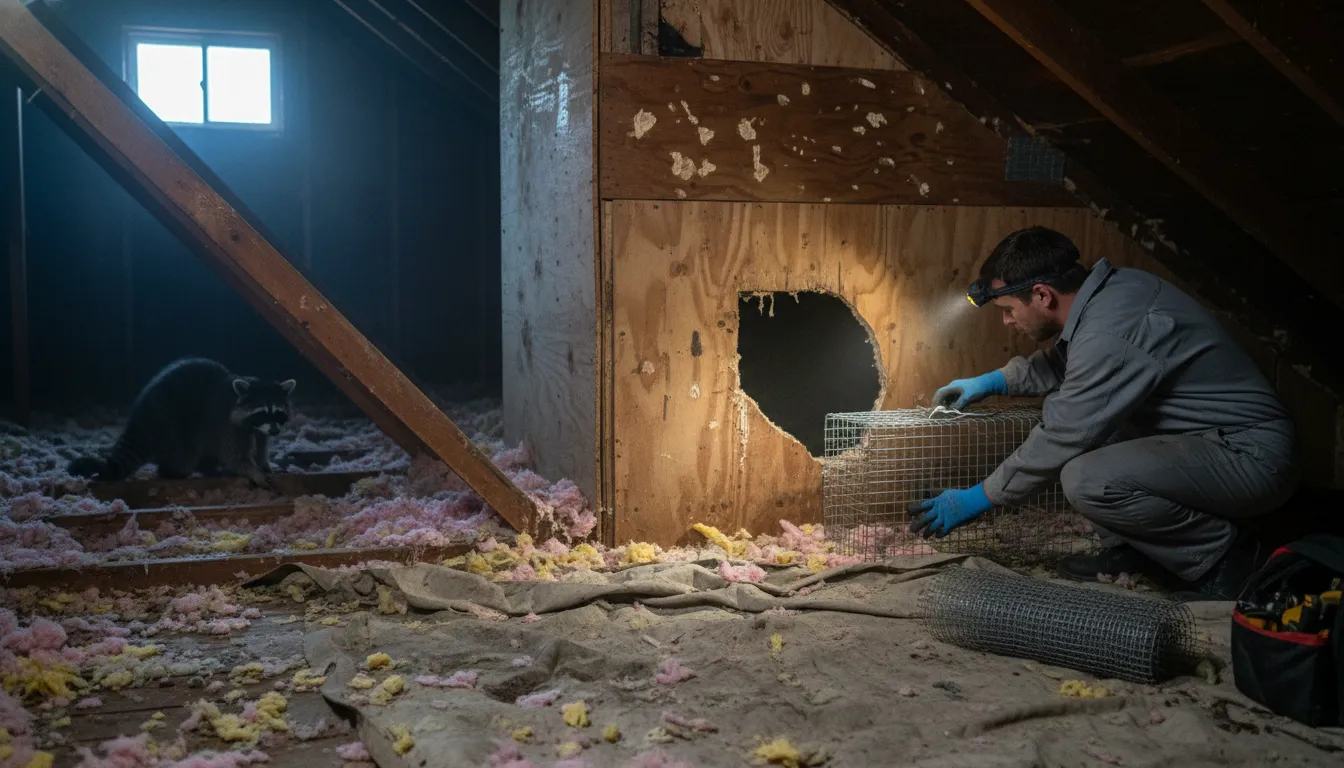
When squirrels, raccoons, or other wild animals decide your attic is their new home, it's more than a nuisance-it can lead to property damage, health risks, and significant stress. Wildlife removal is the professional service of safely and humanely evicting these uninvited guests, sealing entry points to prevent their return, and helping restore your peace of mind. For homeowners in North Richland Hills, navigating this process means understanding local wildlife habits, Texas regulations, and when to call in a licensed expert. This guide will help you identify common problem species, outline effective prevention strategies, and explain how to find qualified local professionals to resolve your wildlife conflict efficiently and legally.
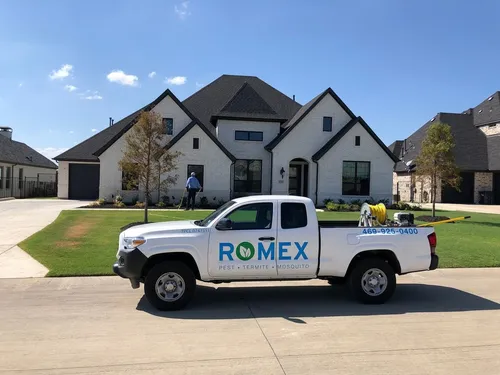
Romex Pest & Termite Control
1606 109th St Suite A, Grand Prairie, TX 75050
Romex Pest & Termite Control provides eco-friendly pest control services in Dallas, TX, serving both homes and businesses. Their offerings include treatment for bed bugs, rodents, termites, mosquitoes, and other common pests, using non-toxic methods that prioritize the safety of families and pets. The company employs advanced detection and treatment tools combined with integrated pest management strategies tailored to local needs. Romex Pest & Termite Control is licensed and insured across Texas and neighboring states, emphasizing environmentally responsible solutions.
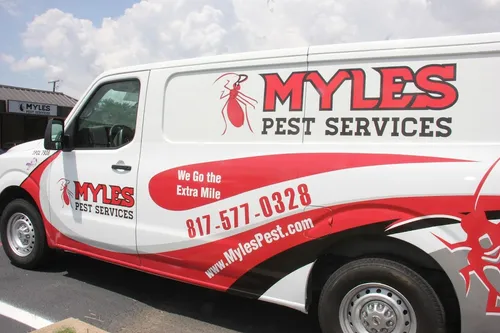
Myles Pest Services
6517 Smithfield Rd c, North Richland Hills, TX 76182
Myles Pest Services is a pest control company serving Dallas, TX, and the Greater Fort Worth area. With over 35 years of experience, they provide tailored pest control solutions including rodent exclusion, termite protection, mosquito treatments, and general pest management. Their services focus on long-term results and customer convenience, offering online scheduling and upfront pricing. The company emphasizes a customer-first approach backed by a satisfaction guarantee.
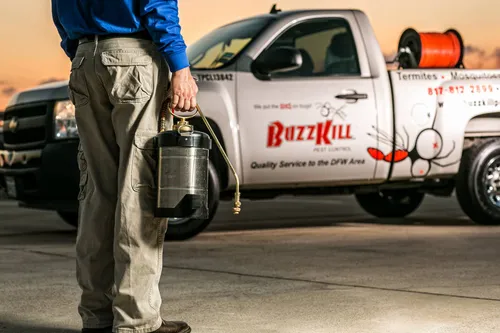
Buzz Kill Pest Control
Fort Worth, TX
Buzz Kill Pest Control is a licensed and insured pest control company serving Fort Worth, TX, and surrounding areas since 2008. They offer comprehensive pest management services for residential and commercial properties, including treatments for ants, cockroaches, rodents, termites, mosquitoes, bed bugs, and wildlife removal. Their services include preventative maintenance plans, complete extermination for active infestations, and specialized treatments such as bed bug heat treatments and termite baiting systems. The company uses advanced technology like thermal imaging and electronic rodent monitoring to enhance pest detection and control. Buzz Kill Pest Control also provides 24/7 emergency pest response for urgent situations in the North Texas region.
Ross Pest and Lawn
6760 E Bankhead Hwy, Aledo, TX 76008
Ross Pest and Lawn is a pest control and lawn care company serving Fort Worth, TX, and surrounding areas in Parker and Tarrant Counties. Since 2000, they have provided customized pest management solutions for ants, roaches, bed bugs, termites, and wildlife removal, along with lawn and ornamental plant care. Their termite prevention and treatment services use advanced methods to protect homes from damage. Ross Pest and Lawn also offers pest prevention treatments for new construction to ensure a pest-free start.
Ivy Green Pest Control
Fort Worth, TX
Ivy Green Pest Control is a family-owned pest control company serving Fort Worth, TX, and nearby communities. With over 30 years of experience, they offer comprehensive residential and commercial pest management services including termite control, mosquito treatments, rodent extermination, bed bug removal, and wildlife extraction. Their approach emphasizes safe, eco-friendly methods using EPA-approved products to protect homes and businesses while minimizing environmental impact. The company provides thorough inspections to identify pest issues and applies targeted treatments for lasting results. Ivy Green Pest Control also offers same-day service responses and a 30-day pest-free guarantee, prioritizing customer safety and satisfaction.
Common Wildlife Intruders in North Richland Hills
The blend of suburban neighborhoods and natural green spaces in North Richland Hills creates an ideal habitat for a variety of wildlife. Knowing which animals are most likely to cause problems is the first step in managing them.
- Tree Squirrels and Roof Rats: These agile climbers are frequent attic invaders. They can chew through wiring, insulation, and wood, creating fire hazards and structural damage.
- Raccoons: Intelligent and dexterous, raccoons are powerful enough to tear through roof vents or soffits to access attics or chimneys in search of denning sites.
- Opossums and Armadillos: While generally less destructive to structures, these animals often rummage through unsecured trash and can dig extensive burrows in yards, damaging landscaping.
- Bats: Small colonies may roost in attics or wall voids. Bat removal is highly specialized due to their protected status and the need for specific exclusion techniques that allow them to exit but not re-enter.
- Coyotes: While they typically avoid human interaction, coyotes are present in the area and may prey on small pets. They represent a different type of wildlife management concern focused on deterrents and public safety.
What You Can Do: DIY Prevention and Habitat Modification
Many wildlife conflicts can be prevented with proactive measures. By making your property less attractive to animals, you can often avoid the need for removal altogether.
Eliminate Food and Water Sources: This is the most critical step. Secure garbage cans with tight-fitting lids or bungee cords. Avoid leaving pet food outdoors overnight. Pick up fallen fruit from trees and consider emptying bird baths if they are attracting unwanted visitors.
Modify Habitat Around Your Home: Keep grass trimmed and remove brush piles, woodpiles, or dense vegetation near your home's foundation. Trim tree limbs back at least six feet from your roofline to eliminate highways for squirrels and raccoons.
Seal Potential Entry Points (Exclusion): Conduct a thorough inspection of your home's exterior. Look for gaps in siding, loose roof vents, uncapped chimneys, and holes where utility lines enter. Seal these openings with sturdy materials like steel wool, hardware cloth, or foam sealant. Crucially, ensure no animals are inside before permanently sealing any entry point.
When DIY Isn't Enough: Understanding Regulations and Professional Removal
While prevention is a homeowner's best tool, actual trapping and relocation of wildlife in Texas is tightly regulated. Understanding these rules is essential.
The Role of Animal Control: The City of North Richland Hills Animal Control primarily handles immediate public safety threats, such as aggressive or visibly sick animals, and enforces ordinances related to domestic pets and stray animals 1. For general nuisance wildlife living in your attic or walls, you will typically need to contact a private professional.
Texas Parks & Wildlife Regulations: Most mammals causing problems, like raccoons, squirrels, and opossums, are classified as fur-bearing animals. Trapping and relocating these species often requires authorization from Texas Parks & Wildlife (TPWD). Licensed Wildlife Control Operators (WCOs) are permitted to handle this process legally and humanely 2.
Why Hire a Professional? A licensed and insured wildlife removal specialist brings expertise in animal behavior, proper trapping techniques, and legal compliance. They can safely remove animals, implement complete exclusion repairs to prevent re-entry, and often provide cleanup services for contaminated insulation. This comprehensive approach solves the immediate problem and protects your long-term investment 3.
Find the perfect wildlife removal companies for your needs
Get personalized recommendations and expert advice
The Wildlife Removal Process: What to Expect
Engaging a professional typically follows a structured process designed for effectiveness and safety.
- Inspection and Assessment: A technician will perform a detailed inspection of your property, inside and out, to identify the species, locate all entry points, and assess the extent of the activity and damage.
- Removal and Eviction: Depending on the animal, this may involve live trapping, the use of one-way exclusion doors, or hands-on removal. The method is chosen to be species-specific and humane.
- Exclusion and Repair: This is the most important step for a permanent solution. All identified entry points are sealed with durable, animal-proof materials. This may include installing new vent covers, chimney caps, or repairing damaged soffits and fascia.
- Cleanup and Restoration (Optional): For significant infestations, professionals may offer decontamination services, removing droppings and urine-soaked insulation to eliminate health risks and odors, followed by re-insulation.
Cost Considerations for Wildlife Control
The cost of wildlife removal in North Richland Hills varies widely based on the animal, the complexity of the infestation, and the necessary repairs. Here's a general overview based on common service ranges:
- Initial Inspection/Service Call: Often ranges from $100 to $250.
- Squirrel or Raccoon Removal: For a single animal removal and basic exclusion, costs can start between $150 and $400. Complex jobs involving litters or major repairs will be higher.
- Bat Exclusion: Due to its specialized nature and the scale of work, bat exclusion projects typically range from $300 to over $1,000 4 5.
- Rodent Control (Rats/Mice): Services often involve an initial setup for trapping and exclusion, which can cost between $200 and $500, potentially followed by ongoing monitoring.
- Armadillo or Opossum Trapping: Simpler ground trapping services often fall in the $100 to $300 range 6.
Investing in proper exclusion can save significant money in the long run by preventing recurring problems and the associated property damage 7.
Choosing a Qualified Wildlife Removal Provider
Selecting the right professional is crucial. Look for a local company that is fully licensed and insured. They should offer clear explanations of their process, provide a detailed written estimate, and guarantee their exclusion work. A reputable operator will be knowledgeable about Texas Parks & Wildlife regulations and prioritize humane, effective solutions 8 9.
Frequently asked questions
Sources
Footnotes
-
Animal Ordinances | North Richland Hills, TX - Official Website - https://www.nrhtx.com/91/Animal-Ordinances ↩
-
Wild Animals - Animal Law - Guides at Texas State Law Library - https://guides.sll.texas.gov/animal-law/wild-animals ↩
-
Wildlife Damage Management | NWCTP - https://wildlifecontroltraining.com/training/principles-of-wildlife-control/ ↩
-
Wildlife - https://www.nrhtx.com/544/Wildlife ↩
-
Code Compliance/Animal Control | Leon Valley Texas - https://www.leonvalleytexas.gov/police/page/code-complianceanimal-control ↩
-
The Cost of Wildlife Removal: What You Need to Know - https://coastalwildlifeservices.com/cost-of-wildlife-removal/ ↩
-
Wildlife Exclusion - Save Money | Kaw Valley - https://www.crittercontrolofkawvalley.com/residential/how-wildlife-exclusion-can-save-you-money-on-repairs.html ↩
-
Nuisance Fur-bearing Animals - https://tpwd.texas.gov/regulations/outdoor-annual/hunting/fur-bearing-animal-regulations/nuisance-fur-bearing-animals ↩
-
Manage Wildlife Conflicts in Your Home and Garden - https://extension.oregonstate.edu/catalog/pnw-719-manage-wildlife-conflicts-your-home-garden ↩