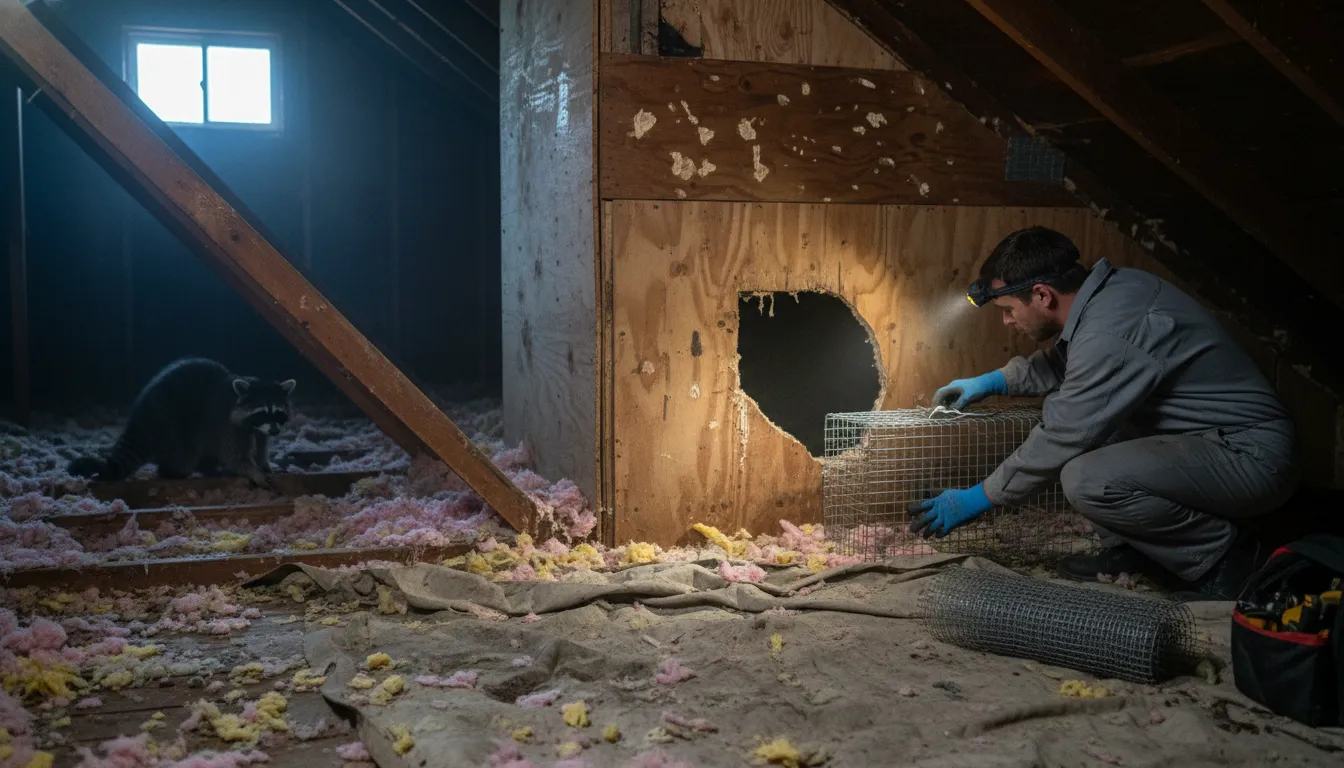
Find the Best Wildlife Removal Companies for Your Business
No obligation • Fast responses • Nationwide coverage

Why you can trust Pest Crews
Pest Crews is a leading U.S. resource for finding and evaluating residential and commercial pest control services. Our team researches providers, reviews treatment approaches, and organizes unbiased information to help you make informed decisions. Companies cannot pay to change our editorial content or influence how they appear.
Search providers near you
Top Wildlife Removal Companies in Pasadena, Texas Ranked
Finding an uninvited animal in your attic, under your deck, or rummaging through your trash can be a startling experience for any Pasadena homeowner. Wildlife removal is the professional service dedicated to safely and humanely resolving conflicts with nuisance animals, protecting both your property and the animals involved. This resource is designed to help you understand the common wildlife issues in our area, the regulations that govern their management, and how to connect with qualified local specialists who can provide effective, long-term solutions.
Elite Wildlife Services
1946 Lynnview Dr, Houston, TX 77055
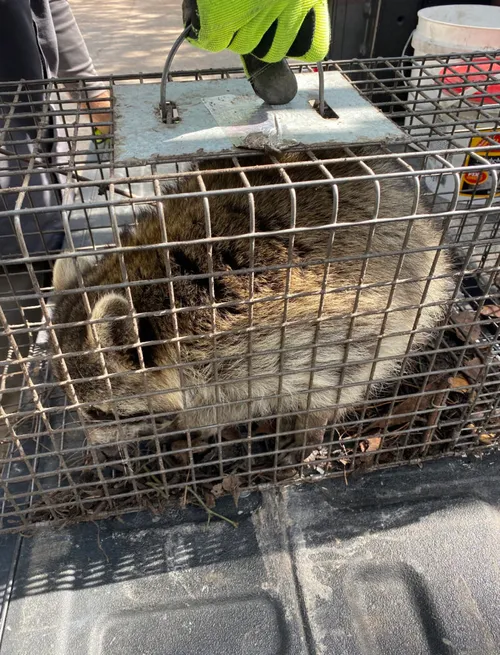
Elite Wildlife Services is a wildlife removal company based in Houston, TX. They specialize in identifying and safely removing nuisance animals such as raccoons from residential properties. The team is known for accurately locating animal entry points and providing thorough cleanup after removal. Their approach includes humane trapping and transporting animals to shelters. Elite Wildlife Services focuses on efficient and careful wildlife management within the Houston area.
Anytime Pest Elimination League City
2600 South Shore Blvd Suite 300-7103, League City, TX 77573
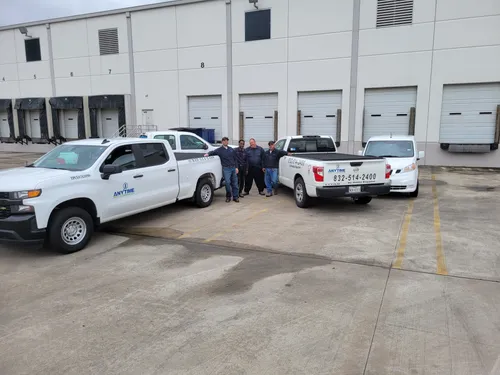
Anytime Pest Elimination League City is a pest control company serving Houston, TX, offering services for a wide range of pests including bed bugs, cockroaches, ants, rodents, termites, mosquitoes, bees, wasps, birds, and wildlife. They provide both residential and commercial pest control solutions using advanced techniques tailored to local pest challenges. With over 30 years of experience, the company has a strong understanding of pest behavior in the Houston area. Anytime Pest Elimination also offers 24/7 availability with a round-the-clock answering service to assist customers at any time.
Stephen Terry Services
7407 Spencer Hwy Suite 110, Pasadena, TX 77505
Stephen Terry Services is a pest control company based in Houston, TX, offering a range of services for residential and commercial properties. Their quarterly pest control program targets common local insects with initial comprehensive treatment followed by exterior services every three months. The company also provides critter control with live trapping and relocation, rodent proofing inspections and repairs, bee removal, mosquito yard sprays, and termite treatments using Termidor products. They handle one-time treatments for fleas, German roaches, and raspberry crazy ants as well.
SkeeterCide Mosquito-Pest-Wildlife
3007 Woodland Hills Dr #116, Kingwood, TX 77339
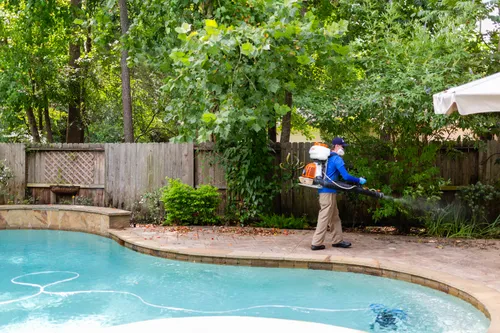
SkeeterCide Mosquito-Pest-Wildlife provides pest control services in Houston, TX, specializing in mosquitoes, rodents, insects, and wildlife removal. They offer tailored pest control solutions using an Integrated Pest Management approach, including mosquito yard fogging, misting systems, and commercial pest control. Their services cover residential and community-wide mosquito control with custom-designed automated systems that activate at peak mosquito activity times. The company employs licensed exterminators who stay updated through ongoing education and certifications, emphasizing safe and eco-friendly treatments.
Natran Green Pest Control
12460 Northwest Fwy Suite B, Houston, TX 77092
Natran Green Pest Control provides licensed pest control services in Houston, TX, focusing on eco-friendly solutions that prioritize the health of families and pets. They offer comprehensive pest management including cockroach, ant, rodent, termite, mosquito, bee and wasp removal, and wildlife control. Their technicians are trained to apply environmentally safe products and follow industry standards to address common local pests effectively. Natran is a GreenPro certified company with several years of experience serving Houston and surrounding communities such as the Heights, Montrose, and Katy.
Understanding Nuisance Wildlife in Pasadena
The Greater Houston area, including Pasadena, is home to a diverse array of wildlife that can sometimes come into conflict with human habitats. As suburban areas expand, animals like raccoons, skunks, and squirrels often find our homes and yards to be ideal sources of food and shelter. This overlap can lead to significant problems, from noise and mess to substantial property damage and potential health risks. Effective animal control isn't just about removing the immediate intruder; it's about understanding why the animal is there and implementing strategies to prevent its return.
The climate and urban-woodland interface in Pasadena create perfect conditions for certain species. Raccoons are intelligent and dexterous, capable of prying open vents or loose siding to access attics for nesting. Squirrels can chew through roofing materials and electrical wiring, creating fire hazards. Skunks may burrow under porches or sheds, and their defensive spray is a potent and lingering issue. Recognizing the signs of these common visitors-such as scratching noises, droppings, or visible entry points-is the first step in addressing a wildlife problem.
Legal and Humane Considerations for Critter Control
In Texas, the management of nuisance wildlife is regulated to ensure humane treatment and ecological balance. The Texas Parks & Wildlife Department (TPWD) classifies many common problem animals, such as raccoons, skunks, and opossums, as fur-bearing animals. This classification is important for homeowners to understand because it affects what you can and cannot do on your own property.
For instance, while you may trap a nuisance animal on your property, the relocation of most fur-bearing animals requires a permit from TPWD, and trappers are required to report their activities. This regulation exists to prevent the spread of disease and to avoid simply transferring a problem to another neighborhood. The City of Pasadena's Animal Control department primarily focuses on domestic pets and ordinance violations, but they can be a valuable resource for guidance on wildlife situations, especially those involving potentially dangerous or sick animals1. Knowing these guidelines helps ensure your response is both legal and ethical.
The Professional Wildlife Removal Process
When you contact a professional for animal removal, they follow a systematic approach designed for safety and permanence. The process typically begins with a thorough inspection of your property. A trained technician will look for entry points, signs of activity, and potential attractants like unsecured garbage or pet food. This assessment allows them to identify the species involved and the scope of the infestation.
The next phase is humane eviction and exclusion. Professionals use species-specific techniques to encourage animals to leave on their own, often by installing one-way doors on primary entry points. Once they confirm the animals have vacated, the critical step of exclusion begins. This involves sealing all potential entry points with durable materials like hardware cloth or metal flashing to prevent re-entry. True professional service doesn't end with trapping; it focuses on making your home inaccessible to future wildlife tenants. Finally, many companies offer cleanup and repair services to address any damage or biohazards left behind, such as urine, droppings, or nesting materials.
Find the perfect wildlife removal companies for your needs
Get personalized recommendations and expert advice
Common DIY Methods and Their Limitations
For minor wildlife issues, some homeowners opt for do-it-yourself strategies. Common methods include habitat modification and deterrents. This involves removing food sources like fallen fruit, securing trash cans with locking lids, and bringing pet food indoors at night2. Physical deterrents, such as motion-activated lights or sprinklers, can also scare animals away from a specific area2.
Another proactive step is exclusion work you can do yourself, like sealing obvious gaps in your home's exterior with appropriate materials. However, DIY efforts have significant limitations. Without proper training, it can be difficult to identify all potential entry points, which are often in high, hard-to-reach areas. There's also a safety risk when dealing with wild animals, which can be carriers of diseases like rabies or become aggressive if cornered. Furthermore, if a female has young hidden inside your structure, simple trapping can leave babies behind, creating a worse odor and animal welfare issue. DIY trapping also runs into the legal hurdles of proper relocation mentioned earlier3.
When to Call a Professional for Animal Eviction
Understanding when a situation exceeds DIY capabilities is key to protecting your home. You should strongly consider calling a professional wildlife removal service in the following scenarios:
- You hear persistent noises in walls, attics, or crawlspaces, especially at night or in the early morning.
- You see clear signs of entry, such as torn vent screens, damaged roofing, or holes dug near your foundation.
- There is a risk of disease or aggression, such as an animal that appears sick, disoriented, or is not afraid of people.
- You have already attempted DIY methods without success, and the problem persists.
- The animal is inaccessible or in a dangerous location, like inside a chimney or entangled in wiring.
Professional services are also crucial when you need a guaranteed, long-term solution. They provide the expertise for proper exclusion-the most important part of wildlife control-and often offer warranties on their work. They handle the complexities of state regulations regarding trapping and relocation, giving you peace of mind that the job is done correctly and humanely.
Cost Factors for Wildlife Management Services
The cost of professional wildlife and pest removal in Pasadena is not a flat fee; it varies based on several factors. The primary driver is the species involved. Removal services for squirrels or raccoons typically range from $250 to over $500 for inspection and removal4 5. Skunk removal can be more complex and potentially costlier due to the risk of spraying and the difficulty of accessing burrows under structures4.
The extent of the infestation and the required repairs significantly impact the final price. A simple removal with minimal exclusion work will cost less than a situation where animals have caused extensive damage to attic insulation, ductwork, or electrical lines. The need for sanitization and deodorization services, particularly after a long-term infestation, will also add to the cost. Most reputable companies provide free inspections and detailed quotes, allowing you to understand the necessary work and associated costs before committing.
Choosing a Responsible Wildlife Removal Provider
Selecting the right company is as important as deciding to hire one. Look for providers with specific experience in Texas Gulf Coast wildlife. They should be fully licensed and insured, and they should be knowledgeable about TPWD regulations. A strong emphasis on humane methods and permanent exclusion is a hallmark of a quality service. Be wary of companies that quote extremely low prices over the phone; these often cover only trapping and leave the critical exclusion and repair work as expensive add-ons.
Ask potential providers about their process. Do they offer a thorough inspection? What is their strategy for ensuring all animals are removed, including young? What materials do they use for exclusion, and do they offer a warranty on those repairs? Reading local reviews and asking for references can provide insight into their reliability and customer service. The goal is to find a partner who will solve your immediate problem and safeguard your home against future invasions.
Frequently asked questions
Sources
Footnotes
-
Animal Control | Pasadena, TX - https://www.pasadenatx.gov/152/Animal-Control ↩
-
Humane Wildlife Control: A Complete Guide [2025] - https://smithspestmanagement.com/blog/post/humane-wildlife-control/ ↩ ↩2
-
Nuisance Fur-bearing Animals - https://tpwd.texas.gov/regulations/outdoor-annual/hunting/fur-bearing-animal-regulations/nuisance-fur-bearing-animals ↩
-
Pasadena TX Wildlife Control: Bat, Squirrel, Raccoon Removal - https://www.crittercontrol.com/office-finder/texas/houston/pasadena/ ↩ ↩2
-
How Much Does Wildlife Removal Cost? - https://www.bobvila.com/articles/wildlife-removal-cost/ ↩