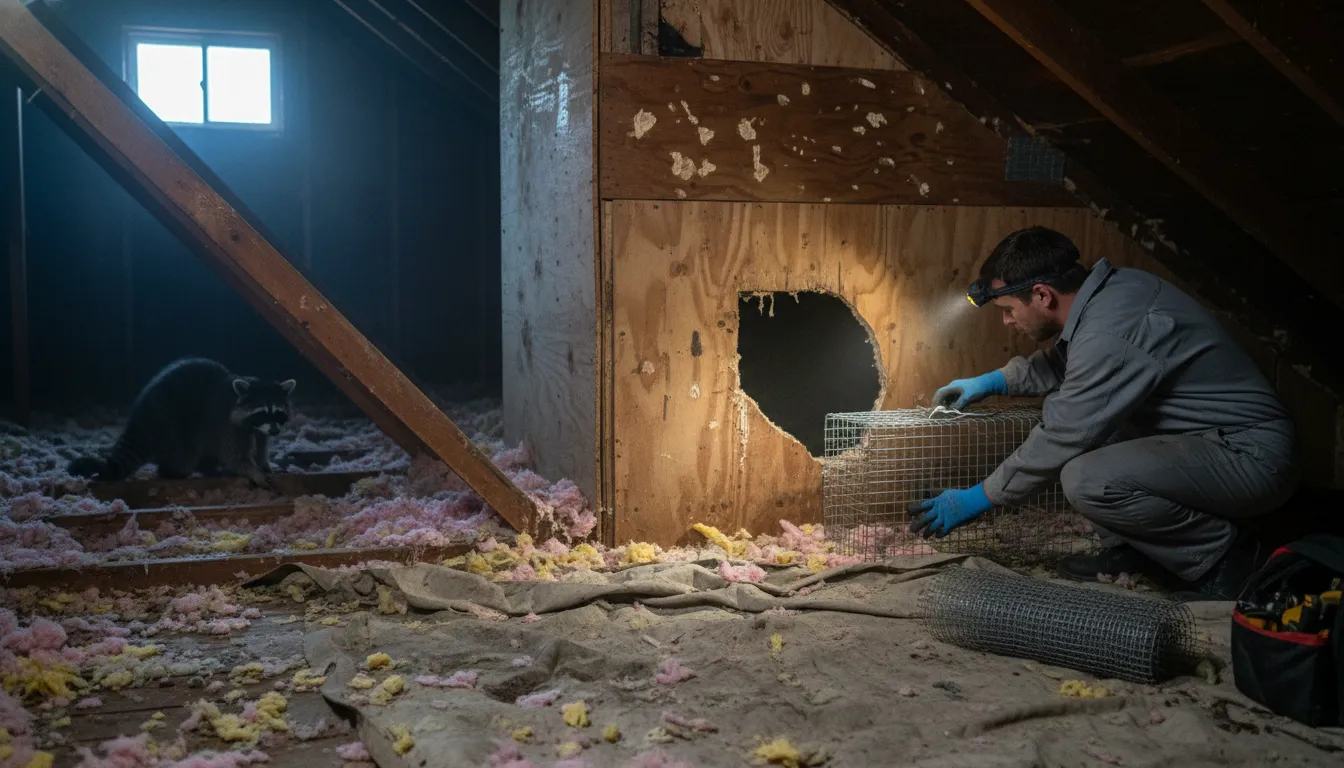
Find the Best Wildlife Removal Companies for Your Business
No obligation • Fast responses • Nationwide coverage

Why you can trust Pest Crews
Pest Crews is a leading U.S. resource for finding and evaluating residential and commercial pest control services. Our team researches providers, reviews treatment approaches, and organizes unbiased information to help you make informed decisions. Companies cannot pay to change our editorial content or influence how they appear.
Search providers near you
Top Wildlife Removal Companies in Sugar Land, Texas Ranked
Living in Sugar Land means enjoying beautiful parks and green spaces, but it also means sharing that environment with local wildlife. When raccoons decide your attic is their new den, or bats take up residence in your eaves, these encounters move from charming to problematic. Professional wildlife removal and animal control services are essential for safely and humanely resolving conflicts with nuisance wildlife, protecting your property, and ensuring the well-being of both residents and animals. This guide will help you understand the common issues, your options, and how to find qualified local experts to handle wildlife intrusions effectively.
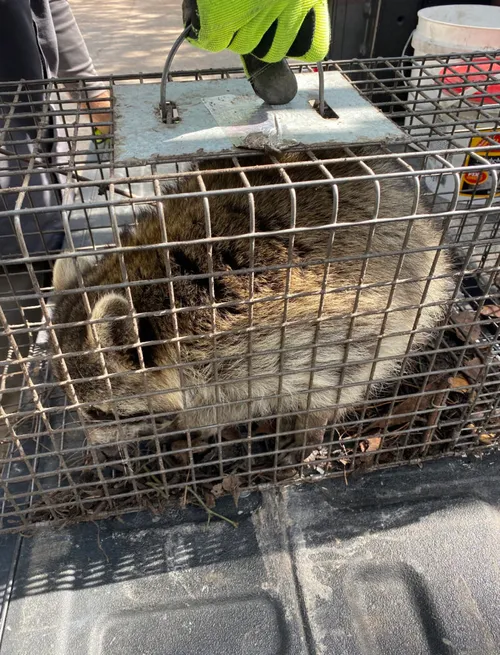
Elite Wildlife Services
1946 Lynnview Dr, Houston, TX 77055
Elite Wildlife Services is a wildlife removal company based in Houston, TX. They specialize in identifying and safely removing nuisance animals such as raccoons from residential properties. The team is known for accurately locating animal entry points and providing thorough cleanup after removal. Their approach includes humane trapping and transporting animals to shelters. Elite Wildlife Services focuses on efficient and careful wildlife management within the Houston area.
Natran Green Pest Control
12460 Northwest Fwy Suite B, Houston, TX 77092
Natran Green Pest Control provides licensed pest control services in Houston, TX, focusing on eco-friendly solutions that prioritize the health of families and pets. They offer comprehensive pest management including cockroach, ant, rodent, termite, mosquito, bee and wasp removal, and wildlife control. Their technicians are trained to apply environmentally safe products and follow industry standards to address common local pests effectively. Natran is a GreenPro certified company with several years of experience serving Houston and surrounding communities such as the Heights, Montrose, and Katy.
The Restoration Attics
15255 Gulf Fwy #146A, Houston, TX 77034
The Restoration Attics provides pest control, wildlife removal, and attic restoration services in Houston, TX. They focus on thorough inspections, sealing entry points, and repairing damage to prevent future infestations. Their approach includes targeted pest control, professional wildlife exclusion, and attic cleanup with insulation restoration. The company serves Houston and surrounding communities with solutions designed to last.
BUGCO Pest Control
9720 Harlem Rd STE B3, Richmond, TX 77407
BUGCO Pest Control provides comprehensive pest management services in Houston, TX, addressing common local pests such as ants, roaches, rodents, termites, mosquitoes, and bed bugs. They offer tailored treatment plans for both residential and commercial properties, including inspections, one-time treatments, and ongoing maintenance to adapt to seasonal pest activity. Their licensed technicians use eco-friendly products designed to be safe for families and pets while effectively controlling infestations. BUGCO Pest Control emphasizes flexible, no-contract service options and same-day appointments to meet urgent pest control needs.
Green Services Termite & Pest Control
Houston, TX
Green Services Termite & Pest Control has been serving Houston, TX since 1993. They provide a wide range of pest control services, including bed bug, bee, flea, termite, ant, and tick treatments. The company also offers humane wildlife removal for animals like raccoons, mice, and squirrels, helping to keep homes and workplaces pest-free.
Common Nuisance Wildlife in Sugar Land
Sugar Land's blend of suburban neighborhoods and natural corridors creates ideal habitats for several species that can become pests. Knowing which animals are most likely to cause issues is the first step in addressing a problem.
Mammals:
- Raccoons: Intelligent and dexterous, raccoons are notorious for rummaging through trash, damaging roofs to access attics, and creating latrines that pose health risks.
- Squirrels: Both gray and fox squirrels can chew through siding, soffits, and electrical wiring to nest in attics, leading to potential fire hazards and significant damage.
- Opossums: While they eat many pests, opossums may take shelter under decks or in crawl spaces and can get into pet food left outdoors.
- Bats: Small colonies of bats sometimes roost in attics or wall voids. While beneficial for insect control, their guano can accumulate and create odor and health concerns, and they are protected by specific regulations.
Birds:
- Woodpeckers: These birds may drill into siding or eaves in search of insects or to create nesting cavities, causing repetitive damage to wood and stucco.
While less common within city limits, the broader region also deals with coyotes and feral hogs, making awareness of larger wildlife important for properties near open land or waterways 1.
Understanding Texas Wildlife Regulations
Before attempting any control measures, it's crucial to understand the legal framework. Wildlife in Texas is managed by the Texas Parks and Wildlife Department (TPWD), and its regulations are strict.
- Trapping on Your Property: Landowners (or their agents) can trap nuisance fur-bearing animals like raccoons, squirrels, and opossums on their own property without a hunting license. However, this comes with major stipulations.
- The Relocation Rule: This is a critical point. You cannot legally relocate a trapped animal without explicit authorization from a TPWD representative. You must report the capture and receive written permission, which includes finding a willing landowner for the release site. Unauthorized relocation is a violation.
- Humane Treatment Laws: All animals, including nuisance wildlife, are protected under Texas cruelty laws. Traps must be checked frequently, and animals must be provided with adequate shelter, food, and water 2.
- Feeding Wildlife: It is illegal to feed deer, feral hogs, or other wildlife in Texas state parks, and many municipalities discourage or prohibit feeding wildlife due to the problems it creates 3. In Sugar Land, securing trash and not leaving pet food outside is a key prevention step.
DIY Prevention and When to Call a Professional
For minor issues, homeowners can take proactive, non-lethal steps to discourage wildlife.
Effective Do-It-Yourself Strategies:
- Exclusion: This is the most permanent solution. Seal potential entry points with sturdy materials like hardware cloth, steel wool, or metal flashing. Repair damaged roof vents, soffits, and siding.
- Habitat Modification: Remove attractants. Keep trash in sealed, animal-proof containers. Pick up fallen fruit from trees. Feed pets indoors and never leave food bowls outside overnight.
- Live Trapping (With Caution): If you choose to trap, you must follow all TPWD rules and be prepared for the responsibility of humane care and the legal process for disposal or authorized relocation 4 5.
Find the perfect wildlife removal companies for your needs
Get personalized recommendations and expert advice
When to Call for Professional Wildlife Control: DIY methods have limits. You should contact a licensed Nuisance Wildlife Control Operator (NWCO) in the following situations 6:
- The animal is inside your living spaces (e.g., a raccoon in the kitchen, a squirrel in the bedroom).
- You suspect bats or a bird colony in your attic. These require specialized exclusion techniques and are often governed by additional protections.
- The infestation is extensive (e.g., evidence of a large family of animals, significant noise in walls).
- Cleanup is needed. Animal waste, nesting materials, and carcasses require professional biohazard cleanup and decontamination.
- You need permanent exclusion work done correctly to prevent re-entry.
- The animal appears sick, injured, or aggressive.
For truly dangerous situations involving large predators or alligators, you may need to contact the City of Sugar Land's animal services for guidance, though their primary focus is on domestic animals and adoption 7.
The Professional Wildlife Removal Process
A reputable wildlife control service follows a systematic, humane approach to resolve your issue permanently.
- Inspection and Assessment: A technician will perform a thorough inspection of your property to identify the species, entry points, and the extent of the infestation.
- Humane Removal: Professionals use a variety of species-appropriate techniques, including one-way exclusion doors, live trapping, and hands-on removal, always in compliance with state laws 8.
- Cleanup and Sanitation: This critical step involves removing contaminated insulation, droppings, and nesting materials, followed by cleaning and disinfecting the affected area to eliminate odors and health hazards.
- Exclusion and Repair: The service will seal all identified entry points with durable materials to prevent future wildlife from getting in. This is the cornerstone of a permanent solution 9.
- Prevention Advice: A good operator will provide recommendations for ongoing property maintenance to keep it less attractive to wildlife.
Cost of Wildlife Removal in Sugar Land
The price for animal removal services varies widely based on the species, the number of animals, the location of the problem, and the required repairs. Based on local service estimates, you can expect a general range 10:
- Small, Simple Jobs: Starting around $200+. This might cover the assessment and removal of one or two animals from an accessible area, like a garage, with minimal follow-up.
- Standard Removal and Exclusion: Often $500+. This tier typically involves removing a family of raccoons or squirrels from an attic, including initial cleanup and basic exclusion work on the main entry point.
- Complex or Extensive Jobs: Can be $1,000 or more. This includes major bat or bird colony exclusion, complete attic restoration (removing all contaminated insulation and replacing it), significant structural repairs, or dealing with hard-to-access animals.
Always get a detailed, written estimate that breaks down the costs for inspection, removal, cleanup, materials, and repairs before work begins.
Choosing a Qualified Wildlife Removal Service
Not all pest control companies are equipped for wildlife work. Look for these key qualifications:
- Licensing and Insurance: Ensure the company is properly licensed and carries liability insurance. In Texas, many professionals operate as licensed Nuisance Wildlife Control Operators (NWCOs) 11.
- Experience with Local Species: Ask about their specific experience with the animal you're dealing with (e.g., bats, raccoons).
- Humane Methods: Their approach should emphasize non-lethal, humane removal and exclusion whenever possible.
- Guarantees: A reputable company will stand behind their exclusion work with a warranty period.
- Comprehensive Service: They should offer the full cycle: inspection, removal, cleanup, disinfection, and repair.
Frequently asked questions
Sources
Footnotes
-
Wild Animals - Animal Law - Guides at Texas State Law Library - https://guides.sll.texas.gov/animal-law/wild-animals ↩
-
Animal Cruelty Laws - SPCA of Texas - https://spca.org/resources/help-animals/animal-cruelty-laws/ ↩
-
Look, But Don't Feed Wildlife in Texas State Parks - https://tpwd.texas.gov/newsletters/state_parks_getaways/2008holiday/dyk.phtml ↩
-
Nuisance Fur-bearing Animals - https://tpwd.texas.gov/regulations/outdoor-annual/hunting/fur-bearing-animal-regulations/nuisance-fur-bearing-animals ↩
-
Dealing with Nuisance Wildlife | Extension | University of Nevada, Reno - https://extension.unr.edu/publication.aspx?PubID=2998 ↩
-
Wildlife Resources | Sugar Land, TX - Official Website - https://www.sugarlandtx.gov/224/Local-Wildlife ↩
-
Animal Services and Shelter - Sugar Land - SugarLandTX.gov - https://www.sugarlandtx.gov/FAQ.aspx?QID=69 ↩
-
Raccoon Removal Sugar Land - AAAC Wildlife Removal of Houston - https://houston.aaacwildliferemoval.com/service-area/sugar-land/raccoon-removal/ ↩
-
Sugar Land Squirrel Control - Trapping, Removal and Exclusion of Squirrels and Rodents in Texas - http://pestcontrolsquirrel.com/Sugar-Land-Texas.html ↩
-
Sugar Land Texas Prices for Wildlife Control - http://pestcontrolwildlife.com/Sugar-Land-Texas-prices.html ↩
-
Nuisance Wildlife Control Operators - NWCO - http://www.aaanimalcontrol.com/Professional-Trapper/wildlifecontrol.htm ↩