Find the Best Termite Inspection Companies for Your Business
No obligation • Fast responses • Nationwide coverage

Why you can trust Pest Crews
Pest Crews is a leading U.S. resource for finding and evaluating residential and commercial pest control services. Our team researches providers, reviews treatment approaches, and organizes unbiased information to help you make informed decisions. Companies cannot pay to change our editorial content or influence how they appear.
Search providers near you
Top Termite Inspection Companies in Brea, California Ranked
A termite inspection is a critical evaluation of your property to detect the presence of wood-destroying organisms, primarily termites. In Brea, where the climate can be favorable to these pests, a professional inspection is an essential step in protecting your investment, whether you're buying a home, selling one, or simply maintaining your property. This guide will help you understand what a termite inspection entails, what inspectors look for, and how to find qualified local professionals to conduct this vital service for your home or business.
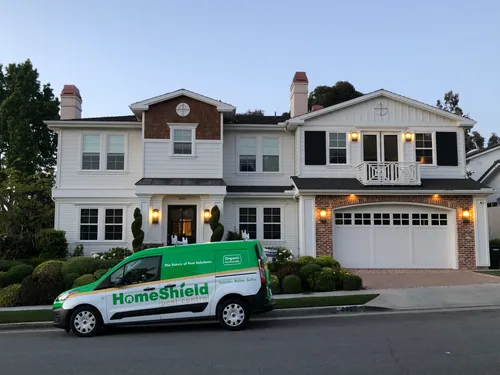
HomeShield Pest Control
6108 Venice Blvd., Los Angeles, CA 90034
HomeShield Pest Control offers eco-friendly pest control services in Los Angeles, CA. They specialize in residential and commercial pest management, including bed bug treatment, rodent control, termite inspections, and mosquito control. The company uses green pesticide solutions from EcoSMART, focusing on child and pet safety. HomeShield serves a broad area including Sacramento, the Bay Area, Orange County, San Diego, the Inland Empire, and South Florida. They emphasize a professional and ethical approach to pest control and provide a 100% service satisfaction guarantee with unlimited maintenance calls.
HomeShield Pest Control
701 E Ball Rd, Anaheim, CA 92805
HomeShield Pest Control offers eco-friendly pest control services in Irvine, CA, specializing in treatments for bed bugs, cockroaches, ants, rodents, termites, and mosquitoes. They provide both residential and commercial pest management using green pesticide solutions from EcoSMART. HomeShield is locally owned and focuses on safe, child- and pet-friendly pest control methods. Their service areas include multiple regions across California and South Florida. The company emphasizes a professional and ethical approach to pest control, backed by a 100% service satisfaction guarantee and unlimited maintenance visits between scheduled services.
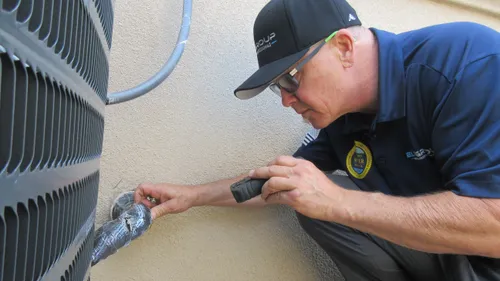
Elite Group Inspection Professionals
9480 Utica Ave #608, Rancho Cucamonga, CA 91730
Elite Group Inspection Professionals offers comprehensive termite inspection and home inspection services in San Bernardino, CA. Serving the local community and surrounding Southern California areas, they provide detailed evaluations including termite inspections, mold testing, roof certification, and more. Established in 1984, Elite Group has extensive experience conducting thorough inspections with trained technicians. Their capabilities include specialized services such as sewer scope inspections and infrared thermal imaging to detect hidden issues.
HomeShield Pest Control
2340 E Artesia Blvd, Long Beach, CA 90805
HomeShield Pest Control offers eco-friendly pest control services in Los Angeles, CA, specializing in residential and commercial pest management. Their services include bed bug treatment, rodent control, termite inspections, and mosquito control, using green products from EcoSMART. The company emphasizes safe, child- and pet-friendly solutions and provides a 100% service satisfaction guarantee with unlimited maintenance calls. HomeShield serves a broad area including Sacramento, the Bay Area, Orange County, San Diego, the Inland Empire, and South Florida.
HomeShield Pest Control
850 E Parkridge Ave STE 113, Corona, CA 92879
HomeShield Pest Control offers eco-friendly pest control services in Irvine, CA, focusing on child and pet-safe solutions. They provide a range of services including home and commercial pest control, rodent and termite control, bed bug treatment, and mosquito control. HomeShield uses green pesticide products from EcoSMART, known for their 100% green insecticides. The company serves multiple regions including Orange County and the Inland Empire. They emphasize a professional and ethical approach to pest management and back their work with a 100% satisfaction guarantee and unlimited maintenance calls between scheduled services.
Why Termite Inspections Are Essential in Brea
Termites are a silent threat, often causing significant structural damage long before homeowners notice any signs. In Brea, the combination of older neighborhoods and the local environment makes properties particularly susceptible. A thorough termite and pest evaluation is not just for real estate transactions; it's a key component of responsible homeownership. Regular inspections can identify early signs of infestation or conditions conducive to termites, allowing for timely intervention that can save thousands of dollars in repairs. For businesses, these inspections help protect commercial assets and ensure a safe environment for employees and customers.
Common Termite Species in Southern California
Understanding your enemy is the first step in defense. Brea homes are primarily threatened by two types of termites, each with distinct behaviors and signs.
Subterranean Termites These are the most common and destructive species in California 1. They live in colonies underground and build distinctive mud tubes to travel from their soil nests to the wood in your home without being exposed to air. They can cause rapid, severe damage to structural timbers, flooring, and even wallpaper 2.
Drywood Termites Unlike their subterranean cousins, drywood termites infest dry, sound wood and do not require contact with soil 3. They often establish colonies in attic framing, furniture, or wooden siding. Signs of a drywood termite infestation include piles of their fecal pellets, known as frass, which resemble fine sawdust or coffee grounds 4.
What a Professional Inspector Looks For
A comprehensive termite inspection in Brea is a meticulous process. A certified inspector will examine both the exterior and interior of your property, focusing on areas where termites are most likely to thrive.
Exterior Inspection The inspector will walk the perimeter of your home, looking for mud tubes on the foundation, cracks in stucco or brick, and any wood that contacts the soil, such as fence posts or trellises. They will also check for proper drainage, as excess moisture attracts termites.
Interior Inspection Inside, the inspector will tap on wood surfaces like baseboards, door frames, and window sills, listening for a hollow sound that indicates internal damage. They will pay close attention to areas around plumbing, under sinks, and in cabinets where moisture leaks can occur.
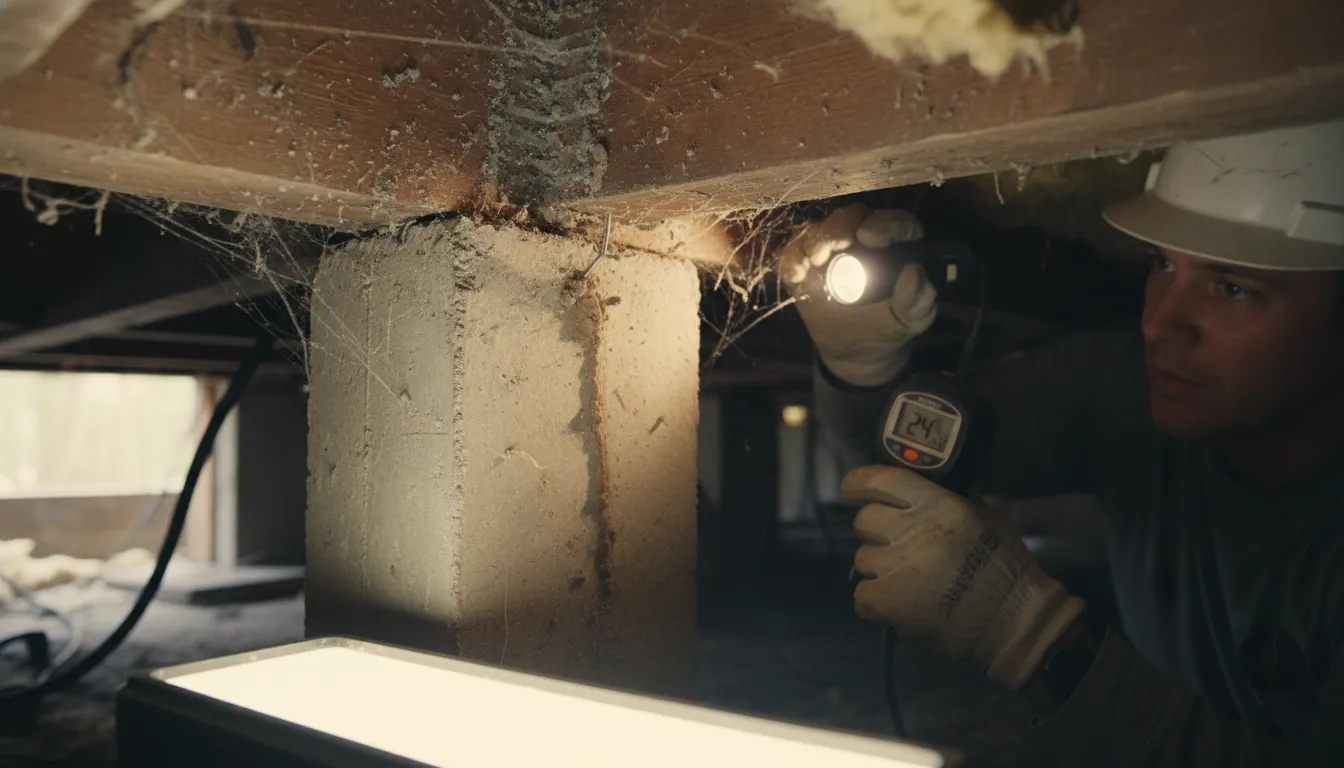
Attic and Crawlspace Inspection These often-overlooked areas are critical. In the attic, the inspector looks for frass, discarded wings from swarmers, and damaged wood 5. In the crawlspace, they check for mud tubes, moisture, and ventilation issues, as a damp, dark crawlspace is an ideal environment for subterranean termites 6.
Key Signs of Termite Activity
Being able to recognize the warning signs yourself can help you decide when to call a professional. Here's what to watch for:
- Mud Tubes: Pencil-sized tunnels of dried mud on foundation walls, in crawlspaces, or along pipes. These are a telltale sign of subterranean termites.
- Frass: Drywood termites push their fecal pellets out of tiny "kick-out" holes in the wood. These piles of wood-colored pellets are a clear indicator of an active colony 7 8.
- Discarded Wings: After swarming, reproductive termites shed their wings. Finding small, identical wings on windowsills or in spider webs is a common sign of nearby activity.
- Damaged Wood: Wood that sounds hollow when tapped, appears blistered or darkened, or has maze-like patterns inside is likely damaged.
- Difficulty with Doors/Windows: Warped doors or windows that stick can be a sign of termite damage causing the frame to distort.
Understanding Inspection Costs in Brea
The cost of a termite inspection in Brea depends on the size of your property and the type of report required. Generally, you can expect the following price ranges 9 10:
- Basic Inspection: For a standard home under 2,500 square feet, a visual inspection typically costs between $100 and $150.
- Real Estate (WDO) Inspection: For a detailed Wood-Destroying Organism report required during a home sale or purchase, prices often range from $125 to $250. This comprehensive report is a standard part of escrow in California.
- Section 1 Clearance: If a previous report noted active issues (Section 1 items) and treatment was completed, a clearance letter to verify the home is now free of active infestation may cost an additional $75 to $100.
Find the perfect termite inspection companies for your needs
Get personalized recommendations and expert advice
The Inspection Report: Sections 1, 2, and 3 Explained
In California, a formal termite inspection report for real estate is divided into three sections. Understanding this report is crucial for buyers and sellers alike.
- Section 1: This section lists items where there is active infestation or visible damage from wood-destroying organisms. These items must be corrected, typically through treatment and repair, before a lender will approve a loan.
- Section 2: This section notes conditions that are conducive to future pest infestations but where no active infestation is currently found. Examples include earth-to-wood contact, excessive moisture, or cellulose debris. Addressing these issues is recommended to prevent future problems.
- Section 3: This section lists areas that were not inspected due to lack of access (e.g., a locked storage room, furniture blocking a wall). It highlights the limits of the visual inspection performed.
How to Prepare for Your Inspection
To ensure your termite inspection is as thorough and efficient as possible, a little preparation goes a long way 11 12.
- Clear Access: Move boxes, stored items, and furniture at least two feet away from interior walls, especially in garages, closets, and basements.
- Open Areas: Ensure the inspector can access the attic hatch, crawlspace entry, and all rooms, including utility rooms and storage closets.
- Exterior Access: Trim back shrubs, vines, or tree branches that are touching the house to allow for a clear view of the foundation and siding.
- Secure Pets: For the safety of your pets and the inspector, plan to secure them in a crate or in a closed room that does not need to be inspected.
Choosing a Qualified Inspector in Brea
Not all inspectors are equal. When looking for a professional to perform your termite evaluation, consider the following:
- Licensing: Ensure the company and its inspectors are licensed by the California Structural Pest Control Board (SPCB).
- Experience & Reputation: Look for established local companies with positive reviews and a strong reputation in the Brea community.
- Comprehensive Service: Some companies only perform inspections, while others also provide treatment. Consider whether you prefer an independent inspector or one from a full-service pest management company.
- Detailed Reporting: Choose a provider known for clear, detailed reports with photographs that help you understand exactly what was found and where.
Frequently asked questions
Sources
Footnotes
-
Termite Treatment in Brea, CA - Top-Rated Exterminator - https://antsrodentsbrea.com/termite-treatment/ ↩
-
Your Guide for TARGETing Termites - https://www.target-specialty.com/blog/termite-awareness-week-termite-signs-what-are-termites-attracted-to-and-more/ ↩
-
Species of Termites Found in California - https://www.mightymitetermite.com/blog/species-of-termites-found-in-california/ ↩
-
Termite Treatment | How to Get Rid of Termites - https://www.orkin.com/pests/termites/types-of-termite-treatments ↩
-
Full Guide to Professional Termite Inspections for Home Inspectors - https://www.homegauge.com/learning/home-inspectors-termites/ ↩
-
What Does a Termite Inspector Look For? - Orkin - https://www.orkin.com/pests/termites/what-a-termite-inspector-does ↩
-
Complete Guide to Termite Inspection in Los Angeles - https://www.termikepestcontrol.com/post/termitei-nspection-los-angeles ↩
-
Complete Guide to Termite Inspection for Home Purchase - https://bettertermite.com/termite-inspection-for-home-purchase/ ↩
-
California Termite Inspection: Sections 1-3 Explained - https://www.usrealtytraining.com/blogs/termite-inspection-real-estate ↩
-
How Much Does a Termite Inspection Cost? - https://patriotinspect.com/how-much-does-a-termite-inspection-cost/ ↩
-
Termite Inspection - https://www.specialtyteam.com/?page_id=301 ↩
-
How to Prepare Your House for a Termite Inspection? - https://www.hitechtermite.com/articles/how-to-prepare-your-house-for-a-termite-inspection ↩