Find the Best Termite Inspection Companies for Your Business
No obligation • Fast responses • Nationwide coverage

Why you can trust Pest Crews
Pest Crews is a leading U.S. resource for finding and evaluating residential and commercial pest control services. Our team researches providers, reviews treatment approaches, and organizes unbiased information to help you make informed decisions. Companies cannot pay to change our editorial content or influence how they appear.
Search providers near you
Top Termite Inspection Companies in Chula Vista, California Ranked
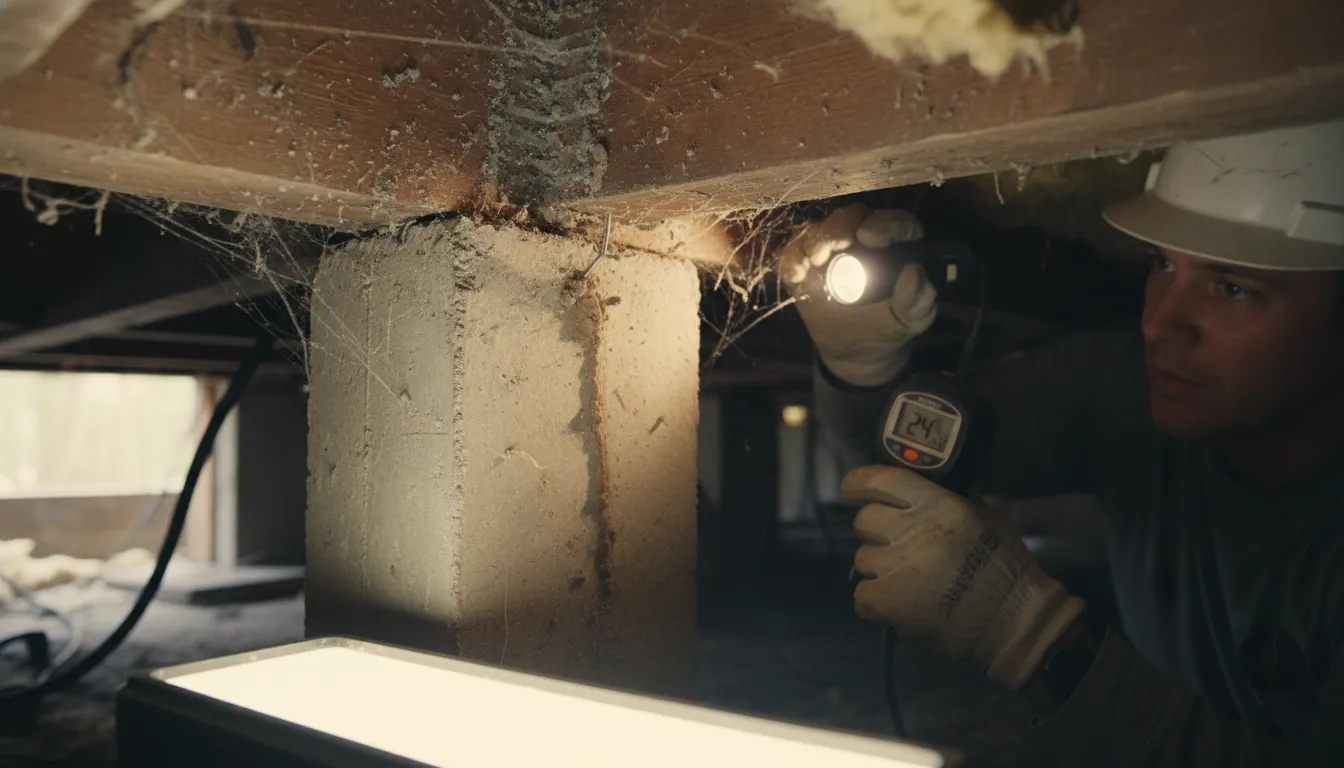
A termite inspection is a critical evaluation of your property to detect the presence or evidence of wood-destroying organisms. In a city like Chula Vista, where termites are a persistent threat, this service is essential for protecting your largest investment-your home. This guide will help you understand what a termite check involves, what local inspectors look for, and how to interpret the findings to make informed decisions about your property's health and value.
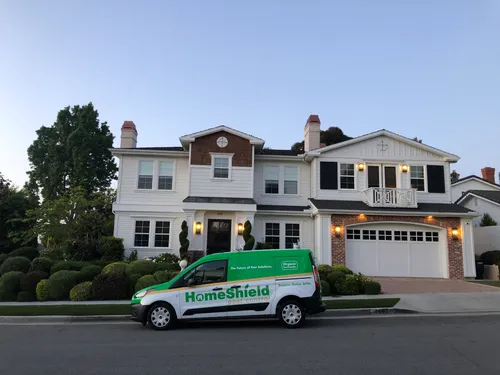
HomeShield Pest Control
9434 Chesapeake Dr #1208, San Diego, CA 92123
HomeShield Pest Control is a locally owned company based in San Diego, CA, offering eco-friendly pest control services for homes and businesses. They specialize in managing a variety of pests including bed bugs, cockroaches, ants, rodents, termites, and mosquitoes. The company uses green pesticide solutions from EcoSMART, focusing on child and pet safety while addressing local pest challenges. HomeShield provides commercial and residential pest control with a 100% service guarantee and unlimited maintenance calls between scheduled visits. They serve multiple regions including Sacramento, the Bay Area, Orange County, Los Angeles, the Inland Empire, and South Florida.
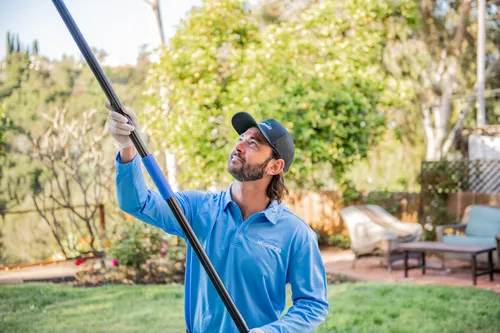
Neighbors Pest Solutions
San Diego, CA
Neighbors Pest Solutions offers pest control services in San Diego, CA, addressing common household pests such as ants, spiders, roaches, rodents, bed bugs, and termites. They provide customized treatments using safe and environmentally friendly methods to protect homes year-round. The company serves residential customers throughout San Diego County, including nearby communities like La Jolla and Mira Mesa. Their approach includes guaranteed re-treatment if pests return after the initial service.
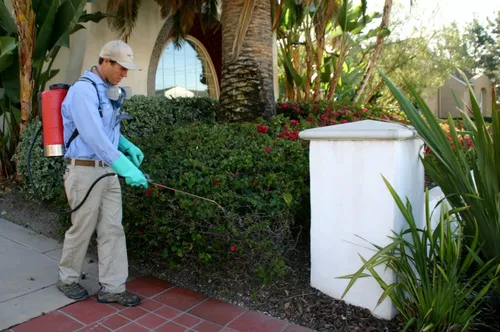
Pest Patrol, Inc.
9920 Scripps Lake Dr Suite 107, San Diego, CA 92131
Pest Patrol, Inc. is a family-owned pest control company serving San Diego, CA, since 1982. They provide a wide range of pest management services including rodent control, termite inspections, bee and wasp removal, and commercial pest control. Their technicians specialize in attic restoration and decontamination, offering detailed inspections with photo documentation for transparency. Pest Patrol covers all of San Diego County and supports real estate escrow clearances as part of their termite inspection services.
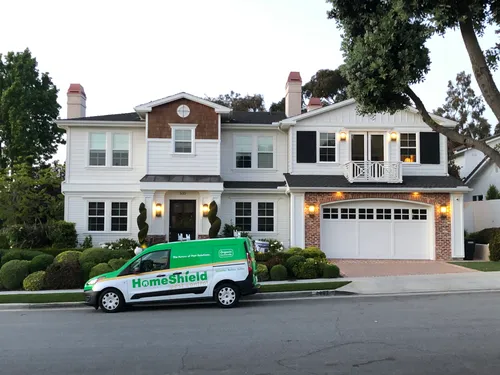
HomeShield Pest Control - Carlsbad
San Diego, CA
HomeShield Pest Control - Carlsbad offers eco-friendly pest control services in San Diego, CA. They specialize in home and commercial pest management, including rodent control, termite inspections, bed bug treatments, and mosquito control. The company uses green pesticide solutions from EcoSMART, focusing on child and pet safety. HomeShield serves a broad area across California and South Florida, providing local expertise on pest pressures. They emphasize a professional and ethical approach to pest control with a 100% service satisfaction guarantee.

PURCOR Pest Solutions
8930 Activity Rd Ste: 1, San Diego, CA 92126
PURCOR Pest Solutions provides pest and termite control services in San Diego, CA. They handle a variety of pests including ants, cockroaches, rodents, spiders, and wildlife, offering both residential and commercial pest management. Their licensed professionals also assist with termite inspections and cleanup after infestations. PURCOR focuses on minimizing environmental impact while protecting homes and businesses from pest damage.
Why Termite Inspections Are Vital in Chula Vista
Chula Vista's climate is unfortunately ideal for termites, making routine inspections not just a recommendation but a necessity for proactive home maintenance. The warm, dry weather is particularly welcoming to Drywood termites, while areas with moisture-from irrigation, landscaping, or plumbing-can attract Subterranean termites 1 2. Left undetected, these pests can cause extensive, costly structural damage that often isn't covered by standard homeowners insurance. Beyond protecting your home's integrity, a termite inspection report is frequently a required part of the real estate transaction process in California, providing buyers and sellers with a clear picture of the property's condition.
Common Termite Species in Southern California
Knowing your enemy is the first step in defense. In Chula Vista, homeowners typically contend with two primary types of termites.
- Drywood Termites: As their name implies, these termites infest dry, sound wood. They don't require contact with soil and can establish colonies in attic framing, furniture, window frames, and wooden siding. A key sign of their activity is the presence of small, hard, pellet-like droppings called frass, which they push out of tiny "kick-out" holes in the wood 3.
- Subterranean Termites: These are the most destructive termite species in the United States. They live in underground colonies and must maintain contact with the soil to access moisture. To travel between their nest and a food source (your home's wood), they construct distinctive, pencil-sized mud tubes on foundation walls, in crawl spaces, or along pipes 4. They attack wood from the ground up, often causing severe damage before they're noticed.
What a Professional Inspector Looks For
A thorough termite evaluation is a systematic process. A certified inspector will conduct a detailed visual and physical examination of both the interior and exterior of your property, knowing exactly where these silent destroyers are likely to hide.
Exterior Inspection Points
The inspector will walk the entire perimeter of your home and examine outbuildings. Key areas of focus include:
- Foundation and Slab: Searching for the tell-tale mud tubes of subterranean termites, as well as cracks or gaps where termites could enter.
- Wood-to-Soil Contact: Identifying any structural wood, such as siding, door frames, or deck posts, that is in direct contact with the soil-a major invitation for subterranean termites 5.
- Vents and Utility Penetrations: Checking areas where pipes or wires enter the home, as these are common entry points.
- Landscaping and Moisture: Noting excessive moisture from sprinklers, poor drainage, or wood mulch against the foundation, which creates an attractive environment for termites.
Interior Inspection Points
Inside the home, the inspector will examine all accessible areas:
- Attics and Crawl Spaces: These dark, often undisturbed areas are prime locations for Drywood termite colonies. Inspectors look for frass, damaged wood, and actual termites.
- Basements and Garages: Checking sill plates, support posts, and stored wood for signs of activity.
- Living Areas: Tapping on baseboards, window sills, and door frames to listen for a hollow sound, which indicates internal wood damage. Inspectors also look for pinpoint holes in wood trim or ceilings where frass may accumulate 6.
- Bathrooms and Kitchens: Paying extra attention to areas under sinks, around tubs, and near appliances for signs of moisture and the wood damage that can attract termites.
Tools of the Trade
Modern inspectors use more than just a flashlight and a keen eye. They often employ specialized tools to detect hidden problems:
- Moisture Meters: Since termites are attracted to moisture, these devices help locate areas of elevated dampness within walls or wood, which can indicate a potential infestation or conducive condition 7.
- Acoustic or Infrared Devices: Advanced tools can sometimes detect the sound of termites chewing or identify temperature differences in walls caused by moisture from termite activity.
Find the perfect termite inspection companies for your needs
Get personalized recommendations and expert advice
Understanding the Termite Inspection Process
Knowing what to expect can make the process smoother. A standard inspection typically follows these steps:
- Scheduling and Preparation: You'll schedule an appointment, which usually takes 45 minutes to 2 hours depending on the home's size. To help the inspector, clear access to attics, crawl spaces, garage interiors, and utility closets.
- The Comprehensive Examination: The inspector will methodically go through the interior and exterior checklist, using their tools to probe and test suspicious areas. They are trained to identify not only active infestations but also past damage and conditions that could lead to future problems 8.
- The Inspection Report: This is the crucial deliverable. A professional report will detail all findings, often with photographs. In California, issues are typically categorized into two sections:
- Section 1: Items that contain an active infestation of wood-destroying insects or organisms (like fungi/rot).
- Section 2: Items that are not currently infested but have conditions conducive to future infestation (e.g., earth-to-wood contact, excessive moisture).
- Recommendations and Next Steps: The report will include recommended actions for any Section 1 or Section 2 items. For active infestations, this means treatment options. For conducive conditions, it involves repairs or changes (like fixing a leak or removing soil contact) to prevent future issues.
Termite Inspection Costs in Chula Vista
The cost for a termite inspection in Chula Vista is generally straightforward. For a typical single-family home, you can expect a baseline fee. Prices are influenced by the square footage of the home, its construction type, and the complexity of the inspection (e.g., a home with a large, cluttered attic and a deep crawl space will take longer).
- Standard Inspection: For most homes up to 2,500 square feet, a basic visual inspection typically ranges from $100 to $150.
- Larger or More Complex Properties: For homes over 2,500 square feet, those with multiple stories, or properties with additional structures like detached garages or workshops, the price may increase, often falling in the $150 to $225+ range 9.
- Real Estate (Escrow) Reports: If you need an official report for a real estate transaction-sometimes called a "clearance letter" or a "Section 1/ Section 2" report-there is usually an additional fee for the detailed documentation and certification. This can add $75 to $100+ to the base inspection cost 10.
It's important to view this fee as an investment in information. The cost of an inspection is minimal compared to the expense of repairing extensive, undiscovered termite damage.
The Role of Inspections in Real Estate Transactions
In California's real estate market, the termite inspection report is a standard and often mandated part of the transaction process. During escrow, the seller is typically required to provide a report from a licensed inspector. This report becomes a negotiating point:
- For Sellers: Addressing Section 1 items (active infestations) before closing is usually required to complete the sale. Taking care of Section 2 items, while not always mandatory, can make the property more attractive to buyers.
- For Buyers: The report provides peace of mind and a clear understanding of the property's condition. It allows you to request repairs or treatment from the seller or to budget for necessary work after you move in.
Never waive your right to a termite inspection when purchasing a home in Chula Vista. The report is a key piece of your due diligence.
After the Inspection: Treatment and Prevention
If the inspection reveals an active infestation, the inspector's report will guide you toward appropriate treatment options, such as localized spot treatments for Drywood termites or soil barrier treatments for Subterranean termites. More importantly, a good inspection helps you build a prevention plan:
- Eliminate Moisture: Fix leaky faucets, pipes, and AC units. Ensure downspouts direct water away from the foundation.
- Remove Wood-to-Soil Contact: Keep soil, mulch, and firewood at least 6 inches away from your home's wooden siding.
- Seal Entry Points: Caulk cracks and crevices in the foundation and around utility lines.
- Schedule Regular Inspections: Consider an annual or bi-annual inspection to catch problems early, before they become major repairs.
Frequently asked questions
Sources
Footnotes
-
What Does A Termite Inspector Look For? - AG Pest Control - https://www.agpest.com/what-does-a-termite-inspector-look-for/ ↩
-
Types of Termites Found in California - https://www.fennpest.com/blog/types-of-termites-ca ↩
-
Termite Inspection in Chula Vista, CA - Costs 11 / 2025 - https://www.homeyou.com/ca/termite-inspection-chula-vista-costs ↩
-
Facts About Termites in San Marcos by United Termite Control - https://www.unitedtermitecontrol.net/termites-facts/ ↩
-
Subterranean and Other Termites / Home and Landscape ... - UC IPM - https://ipm.ucanr.edu/home-and-landscape/subterranean-and-other-termites/ ↩
-
Early Stage Signs of Termites in a Ceiling | Complete Guide - https://brock360.com/early-stage-signs-of-termites-in-a-ceiling/ ↩
-
Full Guide to Professional Termite Inspections for Home Inspectors - https://www.homegauge.com/learning/home-inspectors-termites/ ↩
-
The Complete Guide to Termite Inspection in San Diego - https://www.agpest.com/the-complete-guide-to-termite-inspection-in-san-diego/ ↩
-
Cost of Termite Treatment in California - Fixr.com - https://www.fixr.com/costs/termite-treatment-california ↩
-
California Termite Inspection: Sections 1-3 Explained - https://www.usrealtytraining.com/blogs/termite-inspection-real-estate ↩