Find the Best Termite Inspection Companies for Your Business
No obligation • Fast responses • Nationwide coverage

Why you can trust Pest Crews
Pest Crews is a leading U.S. resource for finding and evaluating residential and commercial pest control services. Our team researches providers, reviews treatment approaches, and organizes unbiased information to help you make informed decisions. Companies cannot pay to change our editorial content or influence how they appear.
Search providers near you
Top Termite Inspection Companies in Santa Clarita, California Ranked
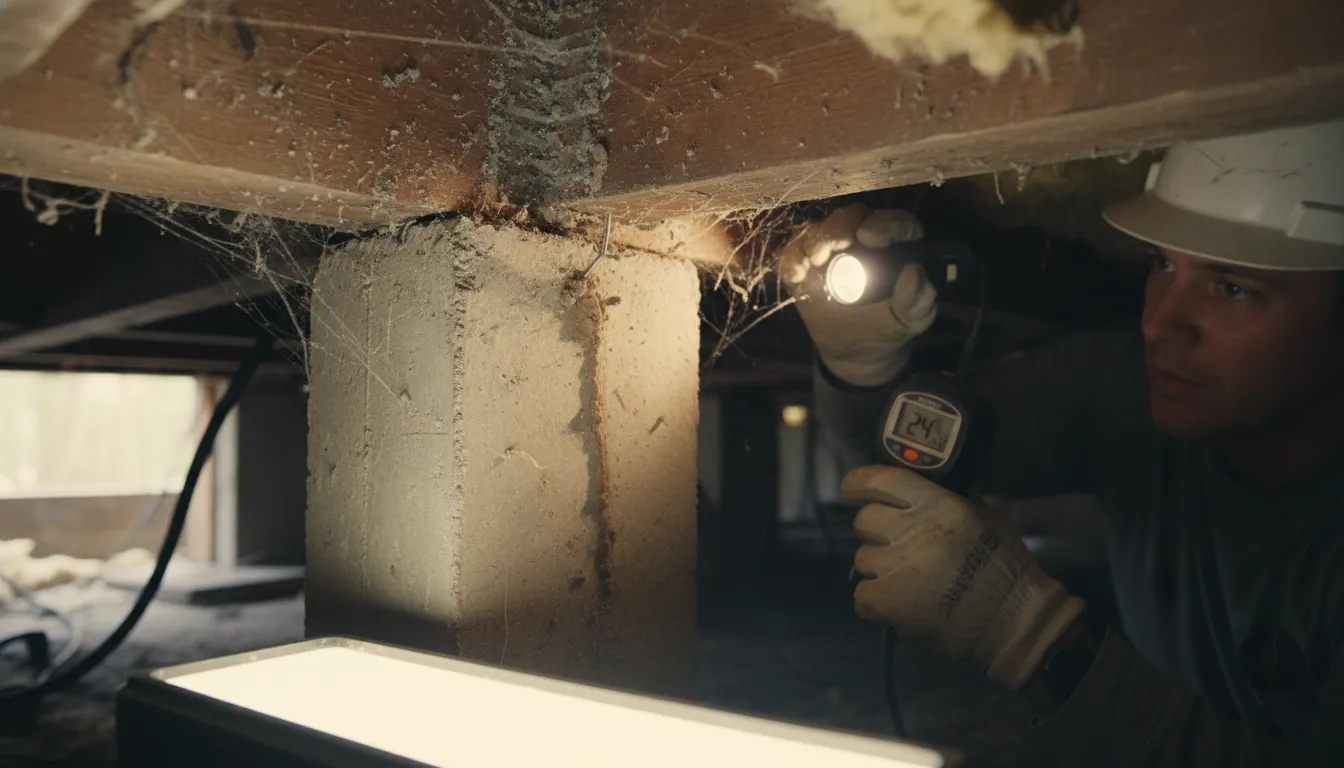
A termite inspection is a specialized evaluation of a property to detect active infestations, damage, and conditions conducive to wood-destroying organisms. In Santa Clarita, where subterranean and drywood termites are common, these assessments are critical for protecting your home's structural integrity and value. This guide explains what a termite inspection entails, what inspectors look for, and how you can use this information to connect with qualified local professionals who can safeguard your investment.
HomeShield Pest Control
6108 Venice Blvd., Los Angeles, CA 90034
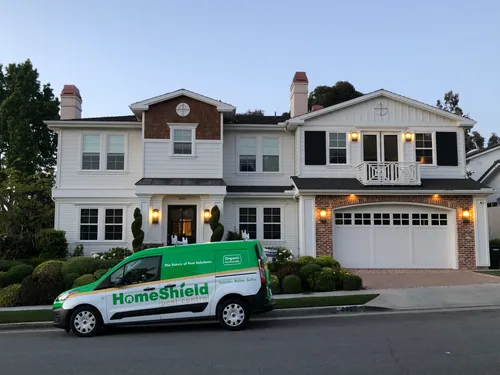
HomeShield Pest Control offers eco-friendly pest control services in Los Angeles, CA. They specialize in residential and commercial pest management, including bed bug treatment, rodent control, termite inspections, and mosquito control. The company uses green pesticide solutions from EcoSMART, focusing on child and pet safety. HomeShield serves a broad area including Sacramento, the Bay Area, Orange County, San Diego, the Inland Empire, and South Florida. They emphasize a professional and ethical approach to pest control and provide a 100% service satisfaction guarantee with unlimited maintenance calls.
Insight Pest Management
3537 Old Conejo Rd #118, Newbury Park, CA 91320
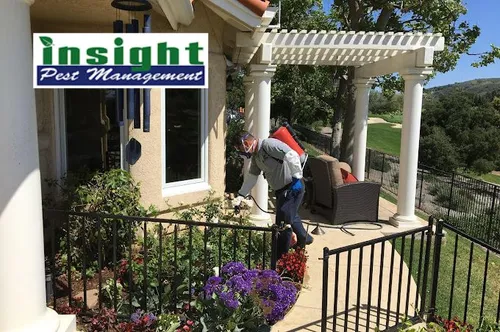
Insight Pest Management offers pest control and termite inspection services in Los Angeles, CA. They provide personalized pest management plans for residential and commercial properties, addressing issues with termites, cockroaches, ants, rodents, and spiders. Their approach includes thorough inspections using advanced tools like moisture meters, telescoping cameras, and UV lights to detect pests and entry points. With 25 years of experience, the company emphasizes tailored solutions and ongoing prevention to protect properties from pest damage. They also offer same-day service for urgent pest problems.
Premium Termite & Pest Control
2765 Via Vela, Camarillo, CA 93010
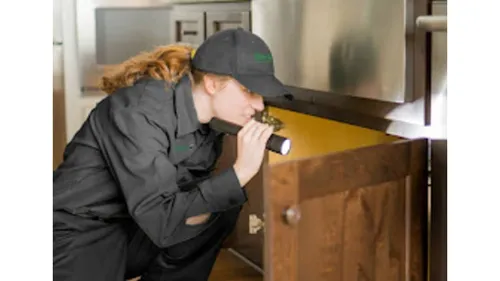
Premium Termite & Pest Control is a pest control company serving Oxnard, CA, and surrounding areas including Ventura, Camarillo, Thousand Oaks, Simi Valley, and Santa Barbara. Since 2011, they have provided pest control services targeting over 40 types of pests such as ants, rodents, and termites. Their services include thorough inspections, customized treatment plans, and creating protective barriers around homes. The company follows EPA laws and safety regulations to ensure safe and effective pest management. They offer an annual maintenance program with a 365-day pest-free guarantee and provide appointment reminders and detailed service reports.
CVA Exterminators, Inc.
28150 Ave Crocker Suite 211, Santa Clarita, CA 91355
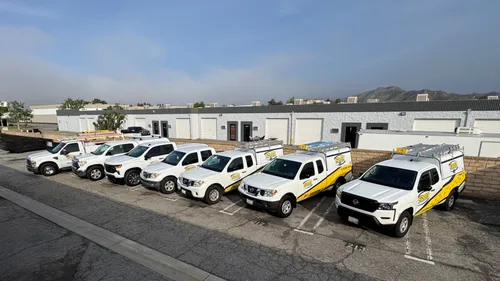
CVA Exterminators, Inc. provides pest control services in Santa Clarita, CA, specializing in residential and commercial pest management. With over 25 years of experience since 1998, they handle a variety of pests including ants, termites, cockroaches, rodents, and spiders. The company offers thorough inspections and custom treatment plans tailored to the unique needs of each property, emphasizing eco-friendly methods that prioritize safety for children, pets, and the environment. Their service area includes Santa Clarita and surrounding communities such as Valencia, Newhall, Saugus, Canyon Country, and Agua Dulce.
HomeShield Pest Control
596 N Lake Ave Suite 200, Pasadena, CA 91101
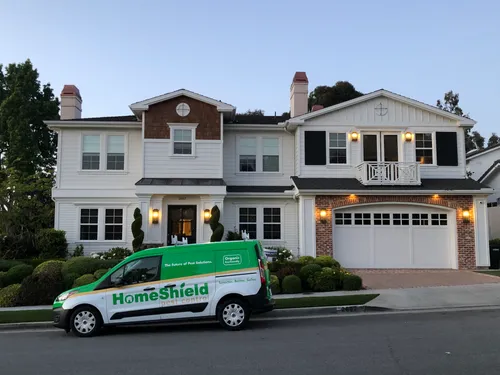
HomeShield Pest Control offers eco-friendly pest control services in Los Angeles, CA, including ant, rodent, termite, and mosquito control for both residential and commercial properties. They begin with detailed inspections and customize treatments using organic products from EcoSMART, adapting services seasonally to ensure effectiveness. Their licensed and insured technicians provide ongoing monitoring and follow-up visits to maintain pest control standards. HomeShield Pest Control emphasizes safe, green solutions to protect homes and businesses in the area.
Why Termite Inspections Are Essential in Santa Clarita
Santa Clarita's climate and environment create ideal conditions for termites. Subterranean termites thrive in soil moisture and can enter homes through foundation cracks, while drywood termites infest attic beams and furniture directly 1 2. Without a professional termite evaluation, an infestation can go unnoticed for years, leading to extensive and costly structural damage. Regular inspections are a proactive measure, often required during real estate transactions, to identify problems early when they are most manageable and less expensive to treat 3.
What a Professional Inspector Looks For
A thorough termite inspection, or wood-destroying organism (WDO) inspection, involves checking for both physical evidence of termites and environmental conditions that attract them.
Key Signs of Infestation:
- Mud Tubes: Subterranean termites build pencil-thin, muddy tunnels along foundations, walls, and floor joists to travel between their colony and food source.
- Frass: Drywood termites produce small, hard, pellet-like droppings that often accumulate in piles below infested wood, resembling sawdust or coffee grounds.
- Damaged Wood: Wood that sounds hollow when tapped, appears crushed, or has a honeycombed interior pattern. Paint may also blister or bulge on infested surfaces.
- Discarded Wings: Swarming termites, or "alates," shed their wings near entry points like windowsills and doors after finding a mate to start a new colony.
Conducive Conditions: Inspectors also identify factors that increase termite risk. These include wood-to-soil contact (e.g., fence posts, deck stairs), excessive moisture from plumbing leaks or poor drainage, cracks in the foundation or slab, and entry points around utility lines, windows, and doors.
The Termite Inspection Process: Step-by-Step
Understanding what happens during a termite check can help homeowners prepare and know what to expect.
- Initial Consultation: The inspector will discuss your property's history, any past pest issues, areas of concern like leaks, and the reason for the inspection (e.g., routine maintenance, real estate sale).
- Exterior Examination: The inspector walks the perimeter of the home, examining the foundation, siding, eaves, vents, and any attached structures like fences or decks for mud tubes, damage, and earth-to-wood contact.
- Interior Examination: Inside, the inspector checks baseboards, window and door frames, closets, cabinets (especially in kitchens and bathrooms), and around plumbing fixtures. They tap on wood surfaces and look for the signs mentioned above 4.
- Sub-Area Inspection: A critical part of the process involves checking attics, crawl spaces, and basements. These often dark, undisturbed areas are prime locations for termite activity.
- Reporting & Recommendations: After the assessment, you receive a detailed WDO report. It outlines any findings, includes photos, and recommends next steps, which could range from monitoring and repairs to localized treatment or fumigation.
Tools and Technology in Modern Inspections
Professional inspectors use more than just a flashlight and a keen eye. Advanced tools help detect hidden problems that aren't visible to the naked eye.
- Moisture Meters: Since termites are attracted to moisture, these devices help locate areas of elevated dampness within walls and wood, which can indicate a leak or a potential termite hotspot.
- Thermal Imaging Cameras: Also known as FLIR cameras, these tools detect subtle temperature differences. Cooler spots on a wall can indicate moisture from termite tubes, while warmer spots can signal active insect colonies 5 6.
- Sounding Tools: Simple mallets or hammers are used to tap on wood. A hollow sound or a splintering surface often reveals internal damage.
Find the perfect termite inspection companies for your needs
Get personalized recommendations and expert advice
Understanding Inspection Costs in Santa Clarita
The cost of a termite inspection in Santa Clarita is not one-size-fits-all and depends on several factors, including the size of your home and the type of report needed. Here's a general breakdown based on local research:
- Basic Inspection (under 2,000 sq. ft.): Homeowners can expect to pay between $100 and $180 for a standard inspection 7.
- Larger Homes (2,000-4,000 sq. ft.): The price typically ranges from $170 to $225 due to the increased time and area to cover.
- Official WDO Report for Real Estate: If you need a formal report for a transaction (often called a Section 1 clearance), there is usually an additional fee of $75 to $100 or more for the detailed documentation and clearance letter 8.
It's important to get a clear quote upfront and understand what is included. Some companies may offer free or low-cost initial inspections, but a comprehensive report for legal or real estate purposes will have associated costs.
Termite Inspection vs. General Home Inspection
Many homeowners confuse these two vital services. A general home inspection provides a broad overview of a home's condition, covering systems like roofing, electrical, plumbing, and HVAC. While a home inspector may note visible pest damage, they are not certified or trained to perform a detailed termite inspection. A licensed termite inspector, however, is specifically trained to identify evidence of wood-destroying insects, assess the extent of damage, and recommend appropriate treatment options. For a complete picture of your property's health, especially in termite-prone areas like Santa Clarita, both inspections are recommended.
Types of Termites Found in Santa Clarita
Knowing your enemy helps in understanding the inspection findings.
- Subterranean Termites: The most common and destructive type in the region. They live in underground colonies, require contact with soil moisture, and build the characteristic mud tubes to access wood above ground. They often enter homes through cracks in the foundation or around plumbing penetrations 9.
- Drywood Termites: These termites infest dry, sound wood directly and do not require contact with soil. They are often found in attic framing, furniture, and hardwood floors. Their presence is usually given away by piles of frass (droppings) and small "kick-out" holes in the wood 10.
After the Inspection: Understanding Your Report and Options
The WDO report will categorize findings into sections. In California, "Section 1" items are active infestations or damage that require correction. "Section 2" items note conditions that are conducive to future infestation (like wood-to-soil contact) and recommend fixes to prevent problems.
If active termites are found, the inspector will discuss treatment options, which may include:
- Localized/Spot Treatments: For smaller, accessible infestations, using targeted liquids, foams, or baits. Costs can range from $250 to $700, varying greatly by the extent of damage 11.
- Fumigation (Tenting): For widespread drywood termite infestations, the entire structure may need to be sealed and fumigated.
- Soil Treatments: For subterranean termites, creating a chemical barrier in the soil around the foundation.
Frequently asked questions
Sources
Footnotes
-
The Value of Termite Inspections - Clark Pest Control - https://www.clarkpest.com/residential-service-blog-old/the-value-of-termite-inspections ↩
-
How To Tell If Your Santa Clarita Property Has A Termite Problem - https://www.cvaexterminators.com/blog/2021/february/how-to-tell-if-your-santa-clarita-property-has-a/ ↩
-
Termites and real estate inspections - https://www.clarkpest.com/residential-service-blog-old/termites-and-real-estate-inspections ↩
-
What Happens During a Termite Inspection - Terminix - https://www.terminix.com/termite-control/inspection/ ↩
-
Complete Guide to Termite Inspection in Los Angeles - https://www.termikepestcontrol.com/post/termitei-nspection-los-angeles ↩
-
Termite Inspections | Pacific Palisades, Pasadena, Santa ... - https://www.homeinspectionauthority.com/termite-inspections/ ↩
-
How Much Does a Termite Inspection Cost? - https://patriotinspect.com/how-much-does-a-termite-inspection-cost/ ↩
-
California Termite Inspection: Sections 1-3 Explained - https://www.usrealtytraining.com/blogs/termite-inspection-real-estate ↩
-
What to Expect From a Termite Inspection - Official Pest Prevention - https://www.officialpestprevention.com/what-expect-from-termite-inspection/ ↩
-
What to Expect During a Termite Inspection - Massey Services - https://www.masseyservices.com/termite-control/what-to-expect-free-termite-inspection/ ↩
-
General Pest Control Tips for Santa Clarita Homeowners - https://guarduppest.com/general-pest-control-tips-for-santa-clarita/ ↩