Find the Best Termite Inspection Companies for Your Business
No obligation • Fast responses • Nationwide coverage

Why you can trust Pest Crews
Pest Crews is a leading U.S. resource for finding and evaluating residential and commercial pest control services. Our team researches providers, reviews treatment approaches, and organizes unbiased information to help you make informed decisions. Companies cannot pay to change our editorial content or influence how they appear.
Search providers near you
Top Termite Inspection Companies in Glendale, California Ranked
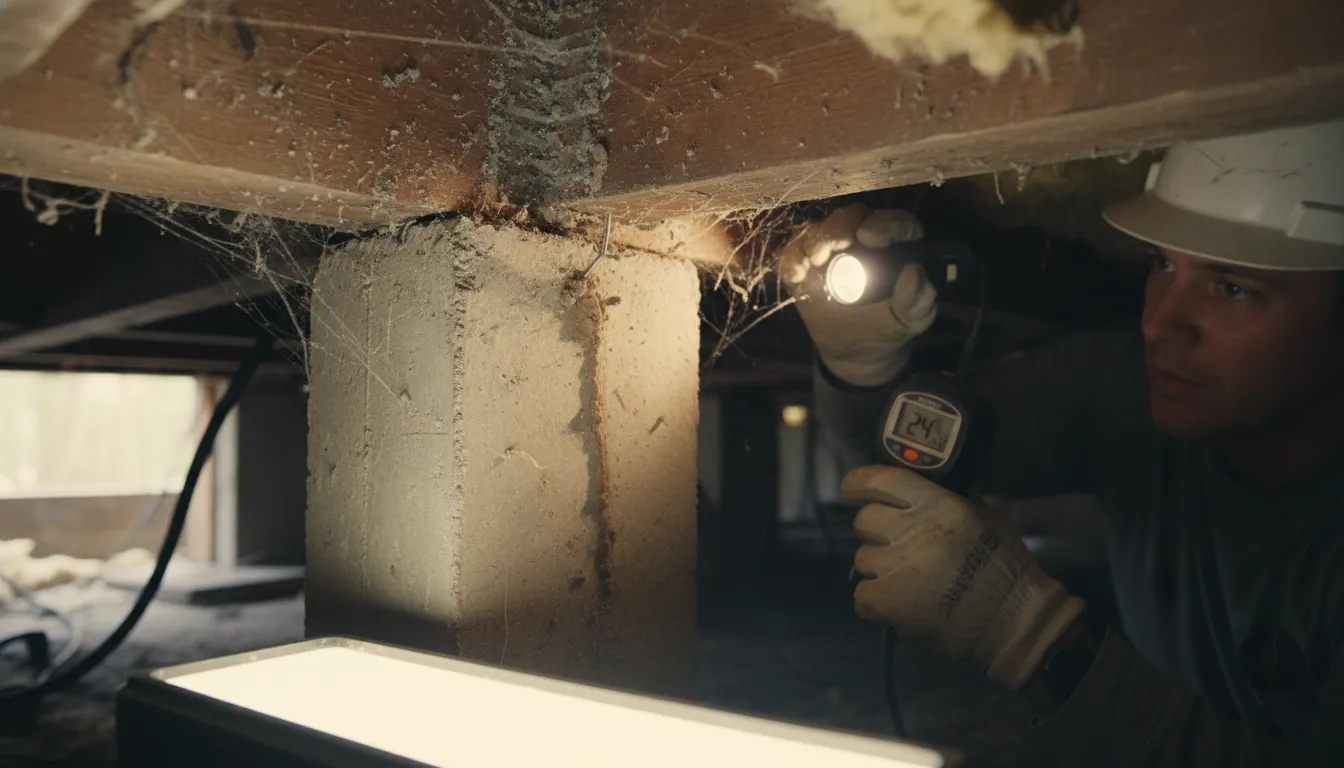
A termite inspection, formally known as a Wood Destroying Pests and Organisms (WDO) inspection, is a critical evaluation of a property for active infestations and conditions that could lead to structural damage. In California, this process is especially important due to the state's diverse climates and active termite populations. This guide explains the inspection process, its role in real estate transactions, and how to find qualified professionals to protect your investment.
HomeShield Pest Control
6108 Venice Blvd., Los Angeles, CA 90034
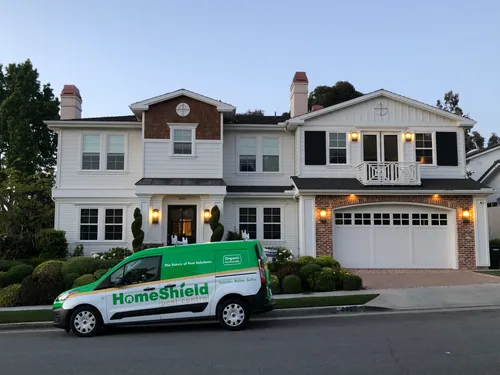
HomeShield Pest Control offers eco-friendly pest control services in Los Angeles, CA. They specialize in residential and commercial pest management, including bed bug treatment, rodent control, termite inspections, and mosquito control. The company uses green pesticide solutions from EcoSMART, focusing on child and pet safety. HomeShield serves a broad area including Sacramento, the Bay Area, Orange County, San Diego, the Inland Empire, and South Florida. They emphasize a professional and ethical approach to pest control and provide a 100% service satisfaction guarantee with unlimited maintenance calls.
HomeShield Pest Control
2340 E Artesia Blvd, Long Beach, CA 90805
HomeShield Pest Control offers eco-friendly pest control services in Los Angeles, CA, specializing in residential and commercial pest management. Their services include bed bug treatment, rodent control, termite inspections, and mosquito control, using green products from EcoSMART. The company emphasizes safe, child- and pet-friendly solutions and provides a 100% service satisfaction guarantee with unlimited maintenance calls. HomeShield serves a broad area including Sacramento, the Bay Area, Orange County, San Diego, the Inland Empire, and South Florida.
HomeShield Pest Control
716 Yarmouth Rd Suite 208, Palos Verdes Estates, CA 90274
HomeShield Pest Control offers eco-friendly pest control services in Long Beach, CA, focusing on child and pet-safe solutions. They provide a range of services including termite control, rodent control, bed bug treatment, mosquito control, and commercial pest management. HomeShield uses green insecticides from EcoSMART and guarantees satisfaction with each visit, including unlimited maintenance calls between scheduled services. The company serves multiple regions in California and South Florida, emphasizing a responsible and ethical approach to pest control.
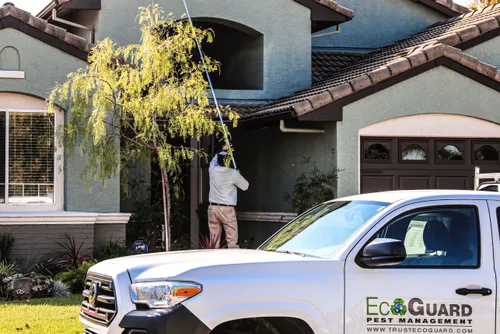
EcoGuard Pest Management
2901 E Miraloma Ave #5, Anaheim, CA 92806
EcoGuard Pest Management is a family-owned pest control company based in Irvine, CA. They provide a range of pest management services including cockroach, ant, rodent, and termite control. Their approach emphasizes eco-friendly and natural products that are safe for children, pets, and clients. EcoGuard uses a comprehensive five-point inspection and treatment program to address pest issues effectively. Services include rodent inspection, trapping, sanitation, and exclusion, as well as termite inspection, pre-treatment, treatment, and fumigation. The company is committed to supporting the local community and prioritizes safety in all their pest control solutions.
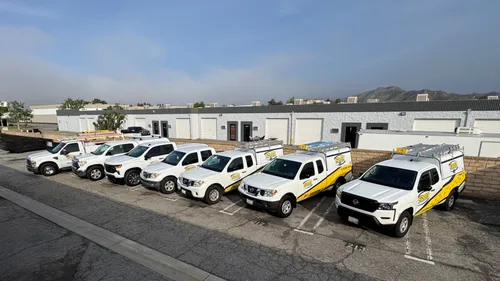
CVA Exterminators, Inc.
28150 Ave Crocker Suite 211, Santa Clarita, CA 91355
CVA Exterminators, Inc. provides pest control services in Santa Clarita, CA, specializing in residential and commercial pest management. With over 25 years of experience since 1998, they handle a variety of pests including ants, termites, cockroaches, rodents, and spiders. The company offers thorough inspections and custom treatment plans tailored to the unique needs of each property, emphasizing eco-friendly methods that prioritize safety for children, pets, and the environment. Their service area includes Santa Clarita and surrounding communities such as Valencia, Newhall, Saugus, Canyon Country, and Agua Dulce.
What is a California Termite Inspection?
In California, a termite inspection is a specialized assessment conducted by a licensed professional to identify evidence of wood-destroying organisms. These primarily include subterranean and drywood termites, but the inspection also covers wood-boring beetles and fungal decay (dry rot). The goal is to provide a detailed snapshot of the property's condition regarding these specific threats. The inspection is not a general home inspection; it is a focused examination governed by state regulations and resulting in a standardized report that is often required for real estate transactions.
The official document produced is called a Wood Destroying Pests and Organisms Inspection Report, or more commonly, a WDO report or termite report. This report is more than just a checklist; it is a legal document that must follow a specific format mandated by the California Structural Pest Control Board (SPCB). It includes diagrams of the property, detailed findings, and cost estimates for any necessary corrective work 1.
Who Performs the Inspection?
Only a licensed Structural Pest Control Operator (SPO) employed by a company registered with the SPCB can legally perform a WDO inspection and complete the official report in California. It is crucial to verify the inspector's license and the company's registration. These professionals have the training to identify subtle signs of infestation and understand the state's specific reporting requirements. You can verify a company's license and search for past inspection reports through the SPCB's online database 2 3.
The Inspection Process: What to Expect
A thorough WDO inspection involves a visual examination of all accessible areas of a structure. The inspector will look for both active problems and conditions that could lead to future issues.
Areas Typically Inspected:
- Sub-areas and crawl spaces: A primary zone for subterranean termite activity.
- Attics: To check for drywood termite pellets (frass) and beetle exit holes.
- Foundation perimeters: Looking for mud tubes, which are highways for subterranean termites.
- Exterior walls, eaves, and trim.
- Decks, fences, and other exterior wood structures.
- Interior rooms, focusing on baseboards, window sills, and areas under sinks for moisture or damage.
What the Inspector is Looking For:
- Active Infestation: Live termites, termite shelter tubes (mud tubes), exit holes from drywood termites or beetles, and fresh frass (termite droppings).
- Active Infection: Fungal decay or dry rot caused by moisture.
- Conducive Conditions: Situations that attract or enable wood-destroying organisms, such as:
- Soil in direct contact with wood (e.g., siding, posts, framing).
- Excessive moisture from plumbing leaks, poor drainage, or insufficient ventilation.
- Wood debris in crawl spaces or near the foundation.
- Cracks in the foundation or exterior walls.
The inspection is non-invasive, meaning inspectors do not tear open walls or flooring. They use tools like moisture meters, flashlights, and probing tools to assess the condition of visible wood.
Understanding the WDO Inspection Report
The California termite report is divided into key sections that categorize the findings. Understanding these sections is vital for homeowners and buyers.
- Section 1 (S-1): This section lists active infestations or infections observed. These are problems that exist at the time of the inspection. Examples include live termites, termite tubes, fungus decay, or a leak causing rot. Section 1 items typically must be cleared (treated or repaired) for a lender to approve a mortgage loan.
- Section 2 (S-2): This section lists conditions that are likely to lead to an infestation or infection but where no active problem is currently seen. Examples include earth-to-wood contact, excessive moisture, or cellulose debris. While not required for loan clearance, these items should be addressed to prevent future damage 4.
- Further Inspection: This notes areas that were not accessible during the inspection (e.g., a locked closet, a finished ceiling, or furniture blocking an area). It indicates that a complete inspection of those areas could not be performed 5.
- The Diagram: A detailed, labeled diagram of the property is a required part of the report. It shows the layout and marks the specific locations of any Section 1 or Section 2 findings.
- The Bid: The report must include a cost estimate (bid) for the corrective work recommended for any Section 1 items. This allows buyers and sellers to understand the potential cost of remediation 6 7 8.
Find the perfect termite inspection companies for your needs
Get personalized recommendations and expert advice
Termite Inspections and Real Estate Transactions
While California law does not mandate a termite inspection for every home sale, it is a near-universal requirement in practice.
- Lender Requirements: Most mortgage lenders will require a "clear" WDO report, meaning no unresolved Section 1 items, before they will fund a loan. This protects their financial interest in the property.
- The Clearance Letter: Once Section 1 work is completed by a licensed company, they will issue a "Notice of Completion" or "Clearance Letter." This document is sent to the SPCB and provided to the parties in escrow, serving as proof that the active issues have been resolved.
- Who Orders and Pays: This is negotiable and varies by local custom and the terms of the purchase contract. Often, the seller will order and pay for the initial inspection report. The cost of repairing Section 1 items is also frequently negotiated between buyer and seller.
- Report Validity: A WDO report is considered a snapshot in time. Lenders typically want a report that is no more than 30 to 90 days old at the close of escrow. If a significant amount of time passes, a re-inspection may be required 9.
Types of Inspection Reports
Beyond the standard Complete Report for a whole structure, licensed companies can provide other types of reports for specific needs:
- Limited Report: Covers only specific areas of a property as requested by the client.
- Supplemental Report: An addendum to an existing report, often used to document work completed or to inspect an area previously noted as inaccessible.
- Re-inspection Report: Used to verify that work listed on a previous report (often done by a different company) has been completed satisfactorily 10.
Cost of Termite Inspections in California
The cost of a basic WDO inspection is typically not a major expense, especially when considered against the value of the property and potential repair costs.
- Basic Inspection Fee: For an average single-family home (up to 2,500 sq. ft.), expect to pay between $100 and $150 for the inspection and report.
- Larger Properties: For homes between 2,500 and 4,000 sq. ft., fees often range from $150 to $225 or more.
- Clearance Letter: If Section 1 work is needed and completed, the issuing of the official clearance document for escrow usually costs an additional $75 to $100.
- Treatment Costs: These are separate and vary dramatically based on the type and extent of the infestation. Localized "spot treatments" can start around $250 to $700, while whole-structure fumigation for drywood termites or comprehensive soil treatments for subterranean termites can cost several thousand dollars 11.
Why Regular Inspections Matter for Homeowners
Even outside of a real estate transaction, proactive termite inspections are a wise part of home maintenance in California.
- Early Detection: Termites and fungal decay can cause significant structural damage that is costly to repair, often not covered by standard homeowners insurance. Annual or bi-annual inspections can catch problems early when they are easier and less expensive to treat.
- Peace of Mind: Knowing the condition of your largest investment provides security.
- Identifying Conducive Conditions: An inspector can point out simple fixes-like regrading soil, repairing a leaky gutter, or removing wood-to-soil contact-that can greatly reduce your risk of future infestation.
Finding a Qualified Inspector
When searching for a termite inspection professional, ensure they are a licensed Structural Pest Control Operator with a reputable, local company. Look for companies with strong reviews and a history of service in your community. Always ask for a sample report to ensure they provide the detailed, compliant documentation required for California real estate transactions.
Frequently asked questions
Sources
Footnotes
-
WOOD DESTROYING PESTS AND ORGANISMS INSPECTION ... - https://www.calprogroup.com/wp-content/uploads/CalPro-Termite-Sample-Report.pdf ↩
-
Wood Destroying Organism System Search - https://www.pestboard.ca.gov/wdo_search/ ↩
-
State of California Structural Pest Control Board - https://www.pestboard.ca.gov/forms/sunset_2018.pdf ↩
-
FAQ about WDO - Termite Inspections and Control - https://gctermitecontrol.com/gcblog/faq-pest-termite-inspection-control ↩
-
TERMITE INSPECTION INFORMATION - https://homeguard.com/wp-content/uploads/2022/05/HGInc_Termite-Inspection-flyer_2022.pdf ↩
-
WOOD DESTROYING PESTS AND ORGANISMS INSPECTION ... - https://www.pestboard.ca.gov/forms/43m-41-short.pdf ↩
-
Understanding CA Termite Reports | teamNBI - https://www.teamnbi.com/copy-of-termite-inspections-1 ↩
-
Termite Report Laws - Key Termite & Pest Control in CA - https://www.keytermite.com/termite-report-laws/ ↩
-
Termites and real estate inspections - https://www.clarkpest.com/residential-service-blog-old/termites-and-real-estate-inspections ↩
-
Pest Control | California Homeowners Association | HOA - https://www.calassoc-hoa.com/homeowners-association/general-information/pest-control/ ↩
-
California Termite Inspection: Sections 1-3 Explained - https://www.usrealtytraining.com/blogs/termite-inspection-real-estate ↩