Find the Best Termite Inspection Companies for Your Business
No obligation • Fast responses • Nationwide coverage

Why you can trust Pest Crews
Pest Crews is a leading U.S. resource for finding and evaluating residential and commercial pest control services. Our team researches providers, reviews treatment approaches, and organizes unbiased information to help you make informed decisions. Companies cannot pay to change our editorial content or influence how they appear.
Search providers near you
Top Termite Inspection Companies in Sacramento, California Ranked
A professional termite inspection is a critical evaluation of your property to detect active infestations, damage, and conditions that attract these destructive pests. In Sacramento, where several termite species thrive, these assessments are essential for protecting your home's structural integrity and value. This guide explains what a Sacramento termite inspection entails, what inspectors look for, and how you can find qualified local professionals to conduct a thorough examination of your property.
PEST PROS PEST SOLUTIONS
1016 N Market Blvd #40, Sacramento, CA 95834
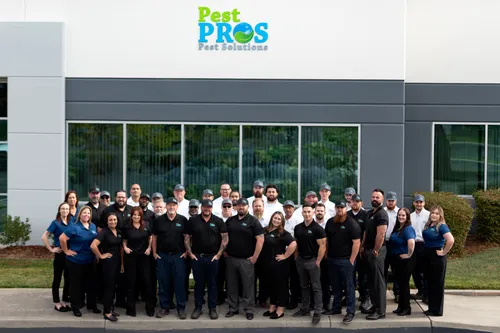
PEST PROS PEST SOLUTIONS is a family owned pest control company based in Sacramento, CA, serving the Sacramento Valley and the San Francisco Bay Area. They provide a wide range of pest management services including bed bug treatment, termite inspections, rodent control, mosquito control, and commercial pest control solutions tailored to local environmental challenges. The company uses eco-friendly products and integrated pest management strategies to effectively address pest issues while minimizing environmental impact. Their expertise includes handling pests common to Northern California such as carpenter ants, termites, rodents, and mosquitoes. Pest Pros Pest Solutions emphasizes education on pest prevention and offers customized plans for both residential and commercial clients. They also provide same-day service when contacted early in the day. The company is committed to community support and environmental responsibility. Their service area covers multiple Northern California counties, ensuring broad access to their pest control expertise. Pest Pros Pest Solutions combines local knowledge with professional-grade products and techniques to manage pest problems safely and effectively.
Pest Control Center Inc.
3845 Madison Ave, North Highlands, CA 95660
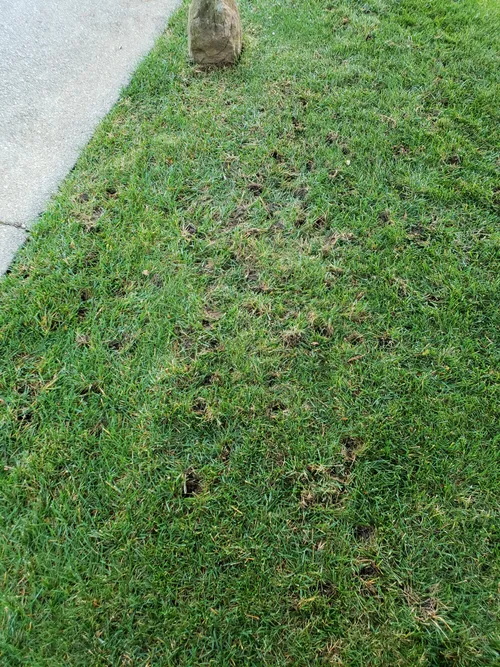
Pest Control Center Inc. is a family-owned pest control company serving Sacramento, CA, and nearby communities. With over 40 years of experience, they provide comprehensive pest prevention services targeting ants, cockroaches, rodents, termites, mosquitoes, and wasps. Their offerings include thorough inspections, customized treatment plans, and eco-friendly options. The company also specializes in termite inspections and treatments, along with mosquito and fly control. Pest Control Center Inc. emphasizes ongoing monitoring and maintenance to prevent future infestations and offers flexible service schedules. They provide a 100% service guarantee and accommodate same-day service in many areas.
Earthwise Pest Management
4740 Northgate Blvd Ste.125, Sacramento, CA 95834
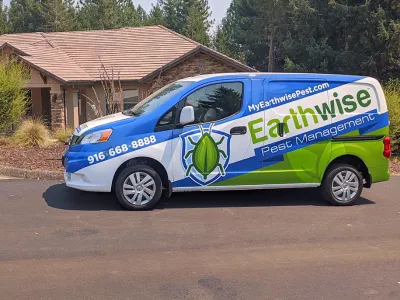
Earthwise Pest Management is a licensed and insured pest control company serving Sacramento, CA. They provide residential and commercial pest control services, including bed bug treatment, termite inspections, rodent control, and cockroach and ant extermination. The company emphasizes Integrated Pest Management techniques to minimize pesticide use and focuses on long-term pest exclusion to prevent re-infestations. Earthwise Pest Management is known for its pet-friendly and child-safe treatments and has a strong reputation supported by over 500 positive reviews.
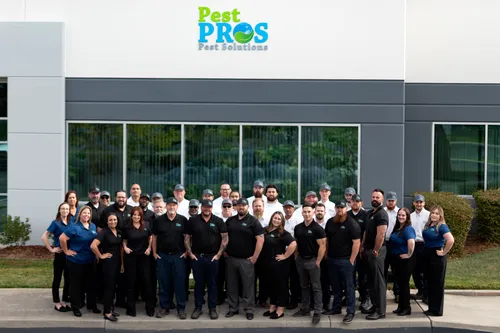
Pest Pros Pest Solutions
1100 Melody Ln STE 105, Roseville, CA 95678
Pest Pros Pest Solutions is a family-owned pest control company serving Sacramento, CA, and the broader Northern California region. They offer a wide range of services including ant, bed bug, termite, rodent, mosquito, bee and wasp, bird, and cockroach control for both residential and commercial properties. The company uses eco-friendly products and integrated pest management strategies to address local pest challenges effectively. Their commercial services are tailored to meet industry-specific needs, ensuring compliance and minimal disruption. Pest Pros Pest Solutions emphasizes education on pest behavior and prevention to provide long-term results. They serve multiple counties across Northern California and provide same-day service when contacted early in the day.

Advanced Integrated Pest Management
205 Kenroy Ln, Roseville, CA 95678
Advanced Integrated Pest Management provides pest control services in Sacramento, CA, and surrounding communities including Rocklin, Antelope, and Auburn. They offer treatments for a wide range of pests such as ants, rodents, cockroaches, bed bugs, termites, mosquitoes, and wildlife. Their services cover both residential and commercial properties, focusing on prevention and effective extermination. Advanced IPM is known for its comprehensive pest management approach in the Roseville area.
Why Termite Inspections Are Crucial in Sacramento
Sacramento's climate and environment are highly favorable to termites. The region is home to active colonies of Western subterranean, drywood, and dampwood termites, each posing unique threats to wooden structures 1 2. These pests can cause significant, often hidden, structural damage that may not be covered by standard homeowners insurance. A professional termite inspection serves as your first line of defense, identifying problems early before repairs become extensive and costly. For homeowners, it's a key part of preventative maintenance. For buyers and sellers, it's a standard and often mandatory part of real estate transactions in California.
Common Termite Species Found in Sacramento
Understanding the local termite types helps clarify what inspectors are targeting. The three primary species in the Sacramento area are:
- Western Subterranean Termites: The most common and destructive species in the region 3. They live in underground colonies and build distinctive mud tubes to travel between their nest and food sources. They consume wood from the inside out, often leaving only a thin veneer. Swarming typically occurs in spring and summer 4.
- Drywood Termites: These termites infest dry, sound wood and do not require contact with soil. They are often detected by the piles of sandy, six-sided fecal pellets (frass) they kick out of their galleries or by the small, round exit holes they create when swarming 5.
- Dampwood Termites: As the name implies, these larger termites are attracted to wood with high moisture content, often in decaying logs, stumps, or areas with plumbing leaks. While less common in sound structural wood, they indicate serious moisture problems that need addressing.
What a Professional Inspector Looks For
A comprehensive termite inspection, or wood-destroying organism (WDO) inspection, involves a meticulous search for both direct evidence of termites and conditions that invite them. Inspectors are trained to identify subtle signs the average homeowner might miss.
Direct Evidence of Infestation:
- Mud Tubes: Pencil-sized tunnels made of soil and saliva on foundation walls, piers, sill plates, and in crawl spaces-a telltale sign of subterranean termites.
- Frass: The wood-colored droppings from drywood termites, often found in small piles beneath "kick-out" holes in infested wood.
- Discarded Wings: Swarmers (reproductive termites) shed their wings after finding a mate. Piles of tiny, identical wings near windowsills, doors, or in spider webs are a common indicator.
- Wood Damage: Termites eat along the wood grain, creating a honeycomb pattern. Inspectors will tap on wood surfaces, listening for a hollow sound and probing for weakened wood that may blister or break easily 6.
- Exit Holes: Small, round holes in dry wood made by emerging drywood termite swarmers.
Conducive Conditions: Inspectors also document factors that increase the risk of future infestation. These include:
- Wood-to-soil contact (e.g., fence posts, deck supports, siding).
- Excessive moisture from poor drainage, leaking pipes, or faulty gutters.
- Wood debris, mulch, or stored lumber in direct contact with the home's foundation.
- Dense vegetation or vines touching the house.
- Cracks in the foundation or gaps around utility lines.
The Termite Inspection Process: Step-by-Step
A standard inspection is a visual, non-invasive examination of accessible areas. Here's what you can expect when a professional inspects your Sacramento home:
- Exterior Survey: The inspector walks the perimeter of your home, examining the foundation, exterior walls, eaves, vents, and any attached structures like decks or patios for mud tubes, damage, or wood-soil contact.
- Interior & Access Area Inspection: The inspector will check inside the home, focusing on basements, crawl spaces, and attics-prime areas for termite activity 7 8. They will also examine baseboards, window and door frames, and areas around plumbing penetrations.
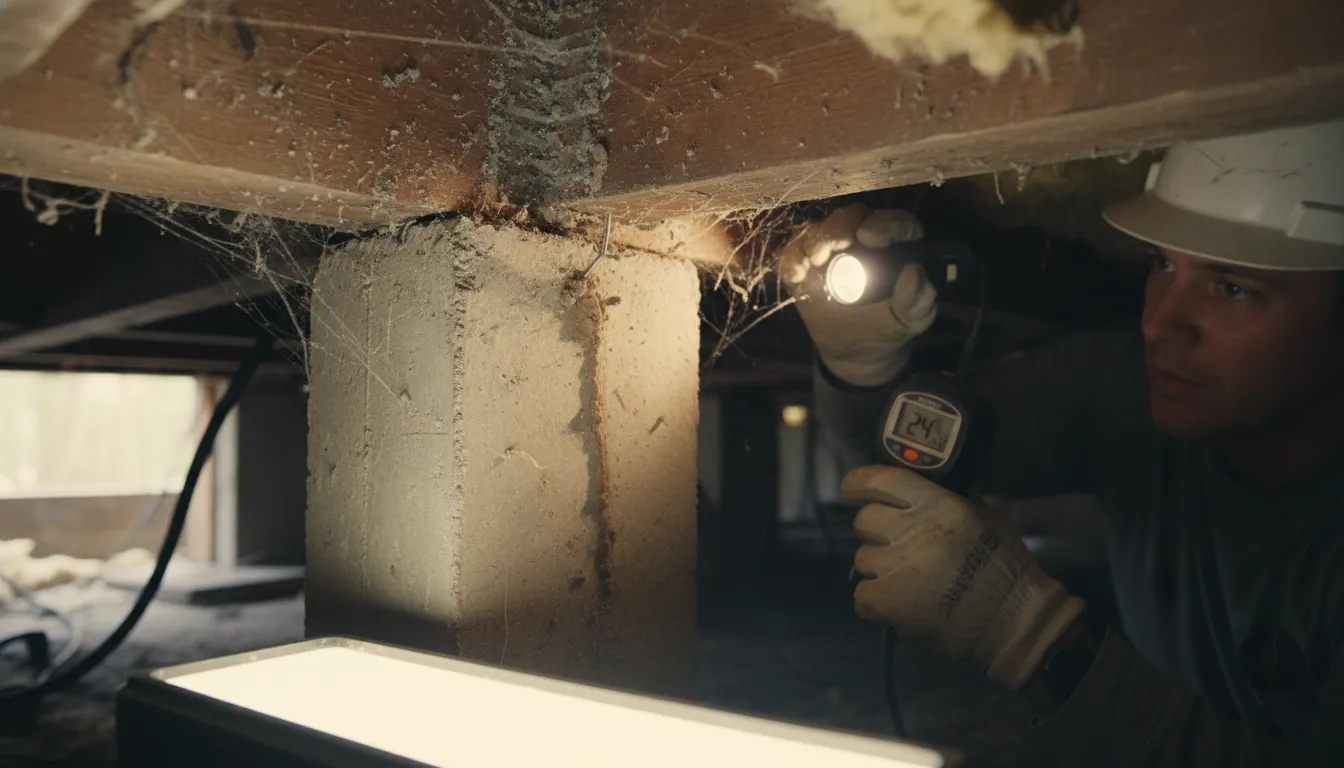
- Detailed Examination: Using tools like flashlights, moisture meters, and probes, the inspector will closely examine suspicious areas, sounding out wood and looking for the visual signs detailed above 9 10.
- Report & Recommendations: After the inspection, you will receive a detailed written report. This document outlines any findings, identifies the type of termite (if found), notes the extent of damage, and lists conducive conditions. Most importantly, it provides a clear recommendation for treatment and repair if necessary 11.
Find the perfect termite inspection companies for your needs
Get personalized recommendations and expert advice
Understanding Inspection Costs in Sacramento
The cost of a termite inspection in Sacramento is typically straightforward. For a basic visual inspection of a standard single-family home (up to 2,500 square feet), homeowners can expect to pay between $100 and $200 12. For larger homes or properties requiring more detailed investigation, prices may range from $180 to $280 or more 12.
A key factor in cost is the purpose of the inspection. A routine preventative inspection generally falls into the basic price range. However, if you need a formal report for a real estate transaction-often called a Section 1 clearance report-there is usually an additional fee, typically $75 to $100, for the official documentation required by lenders and escrow companies 13.
How to Prepare for a Termite Inspection
To ensure the inspection is as thorough and efficient as possible, a little preparation is helpful 14:
- Clear Access: Ensure the inspector can easily access your attic, crawl space, basement, and garage. Move stored items away from foundation walls in these areas.
- Trim Vegetation: Cut back shrubs, vines, and tree branches at least two feet from the house exterior.
- Move Interior Items: Pull furniture and boxes away from interior walls, especially in basements and closets.
- Address Moisture: Note any areas of known moisture intrusion or leaks for the inspector.
The Inspection Report: Sections 1, 2, and 3
In California, termite inspection reports are standardized and divide findings into three sections, which is crucial for real estate transactions:
- Section 1: This lists items where there is active infestation or damage from wood-destroying organisms. These items must be treated and/or repaired, typically before a loan can be funded.
- Section 2: This notes conducive conditions that do not show current infestation but are likely to lead to one in the future (e.g., earth-to-wood contact, excessive moisture). These items are recommended for correction.
- Section 3: This area is for further inspection of areas that were not accessible during the initial visit (e.g., a locked storage room, a finished wall). It indicates that no inspection was performed in that specific area.
Frequently asked questions
Sources
Footnotes
-
Termite Types in Sacramento - Identification, Risks & Control - https://www.officialpestprevention.com/termite-types-sacramento/ ↩
-
Tips for Termite Season from Your Sacramento Pest Control Experts - https://www.myearthwisepest.com/tips-for-termite-season-from-your-sacramento-pest-control-experts/ ↩
-
Subterranean and Other Termites / Home and Landscape / ... - UC IPM - https://ipm.ucanr.edu/home-and-landscape/subterranean-and-other-termites/ ↩
-
Subterranean and Other Termites / Home and Landscape / UC Statewide IPM Program - https://ipm.ucanr.edu/home-and-landscape/subterranean-and-other-termites/ ↩
-
Drywood Termites / Home and Landscape / UC Statewide IPM ... - https://ipm.ucanr.edu/home-and-landscape/drywood-termites/ ↩
-
Termite Inspections And Extermination In Sacramento - https://www.thenobleway.com/termite/ ↩
-
What Does a Termite Inspector Look For? - Orkin - https://www.orkin.com/pests/termites/what-a-termite-inspector-does ↩
-
What Happens During a Termite Inspection: What You Need to Know - https://ecolatermite.com/what-happens-during-a-termite-inspection-what-you-need-to-know/ ↩
-
Full Guide to Professional Termite Inspections for Home Inspectors - https://www.homegauge.com/learning/home-inspectors-termites/ ↩
-
Questions To Ask During A California Termite Inspection - Aantex - https://aantex.com/blog-post/questions-to-ask-during-termite-inspection/ ↩
-
Termite Inspection Sacramento | Good Life Pest Solutions - https://goodlifepest.com/termite-inspection-sacramento/ ↩
-
Termite Inspection Cost - https://goodlifeinspections.com/blog/termite-inspection-cost/ ↩ ↩2
-
California Termite Inspection: Sections 1-3 Explained - https://www.usrealtytraining.com/blogs/termite-inspection-real-estate ↩
-
How to Prepare Your House for a Termite Inspection? - https://www.hitechtermite.com/articles/how-to-prepare-your-house-for-a-termite-inspection ↩