Find the Best Termite Inspection Companies for Your Business
No obligation • Fast responses • Nationwide coverage

Why you can trust Pest Crews
Pest Crews is a leading U.S. resource for finding and evaluating residential and commercial pest control services. Our team researches providers, reviews treatment approaches, and organizes unbiased information to help you make informed decisions. Companies cannot pay to change our editorial content or influence how they appear.
Search providers near you
Top Termite Inspection Companies in Ontario, California Ranked
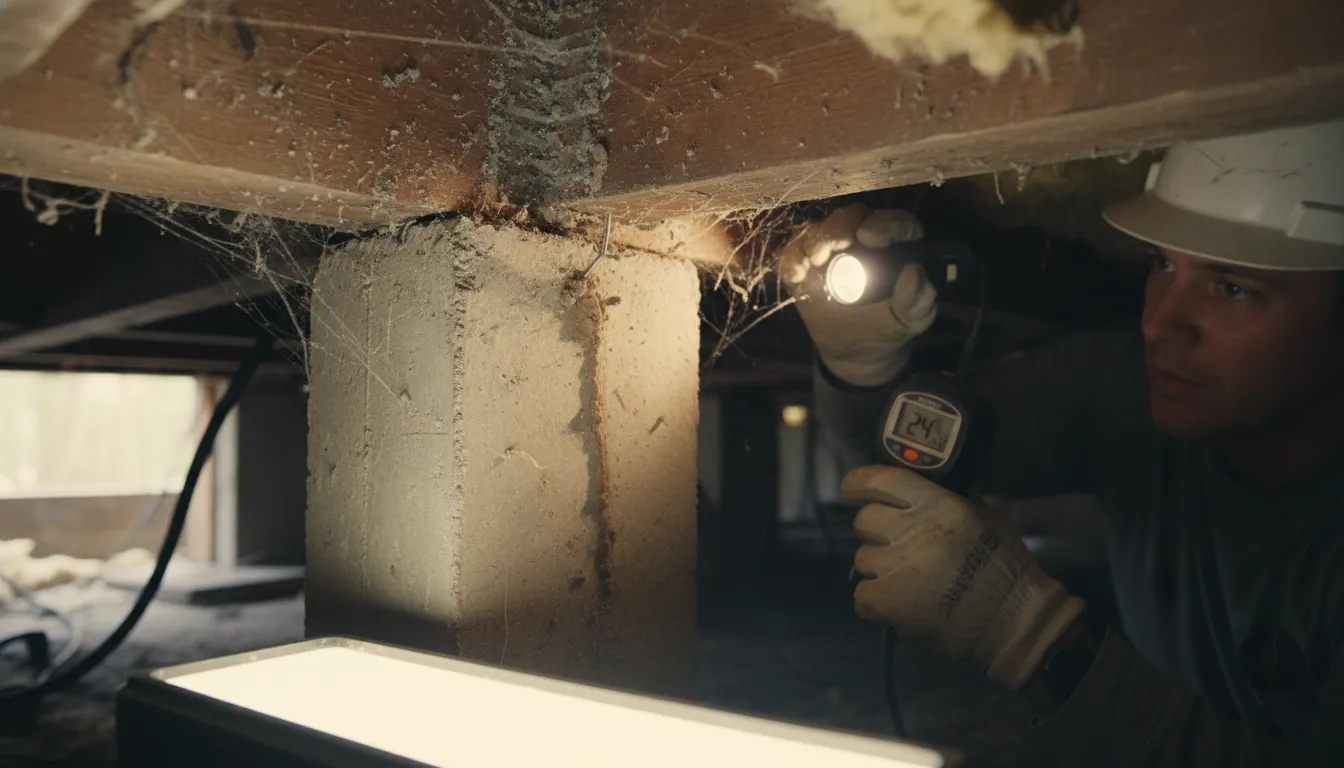
A termite inspection is a critical evaluation of your property to detect the presence or evidence of wood-destroying organisms. In a region like Ontario, where termite activity is a constant threat, these assessments are essential for protecting your most valuable investment-your home. This guide explains what a termite check involves, what inspectors look for, how to prepare, and how you can connect with qualified local professionals to schedule your evaluation.
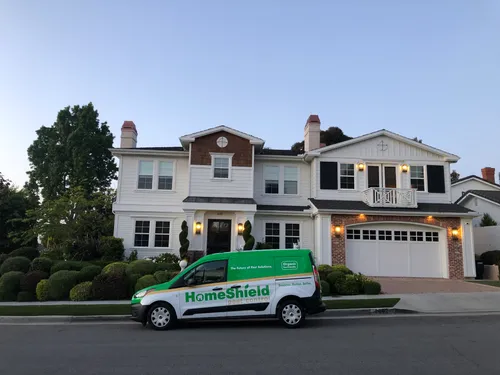
HomeShield Pest Control
701 E Ball Rd, Anaheim, CA 92805
HomeShield Pest Control offers eco-friendly pest control services in Irvine, CA, specializing in treatments for bed bugs, cockroaches, ants, rodents, termites, and mosquitoes. They provide both residential and commercial pest management using green pesticide solutions from EcoSMART. HomeShield is locally owned and focuses on safe, child- and pet-friendly pest control methods. Their service areas include multiple regions across California and South Florida. The company emphasizes a professional and ethical approach to pest control, backed by a 100% service satisfaction guarantee and unlimited maintenance visits between scheduled services.
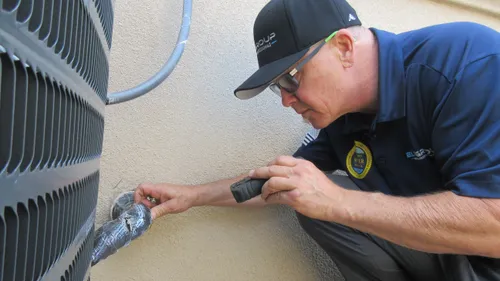
Elite Group Inspection Professionals
9480 Utica Ave #608, Rancho Cucamonga, CA 91730
Elite Group Inspection Professionals offers comprehensive termite inspection and home inspection services in San Bernardino, CA. Serving the local community and surrounding Southern California areas, they provide detailed evaluations including termite inspections, mold testing, roof certification, and more. Established in 1984, Elite Group has extensive experience conducting thorough inspections with trained technicians. Their capabilities include specialized services such as sewer scope inspections and infrared thermal imaging to detect hidden issues.
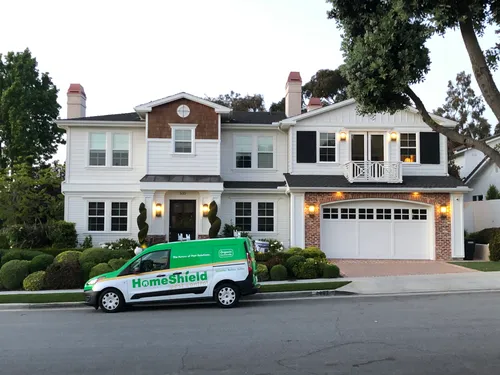
HomeShield Pest Control
850 E Parkridge Ave STE 113, Corona, CA 92879
HomeShield Pest Control offers eco-friendly pest control services in Irvine, CA, focusing on child and pet-safe solutions. They provide a range of services including home and commercial pest control, rodent and termite control, bed bug treatment, and mosquito control. HomeShield uses green pesticide products from EcoSMART, known for their 100% green insecticides. The company serves multiple regions including Orange County and the Inland Empire. They emphasize a professional and ethical approach to pest management and back their work with a 100% satisfaction guarantee and unlimited maintenance calls between scheduled services.
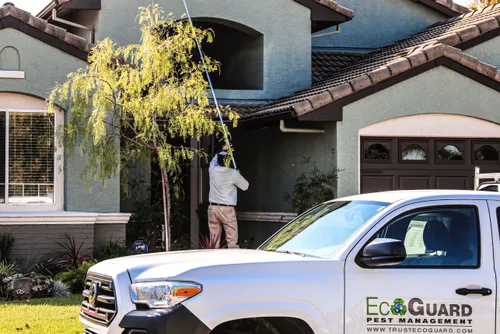
EcoGuard Pest Management
2901 E Miraloma Ave #5, Anaheim, CA 92806
EcoGuard Pest Management is a family-owned pest control company based in Irvine, CA. They provide a range of pest management services including cockroach, ant, rodent, and termite control. Their approach emphasizes eco-friendly and natural products that are safe for children, pets, and clients. EcoGuard uses a comprehensive five-point inspection and treatment program to address pest issues effectively. Services include rodent inspection, trapping, sanitation, and exclusion, as well as termite inspection, pre-treatment, treatment, and fumigation. The company is committed to supporting the local community and prioritizes safety in all their pest control solutions.
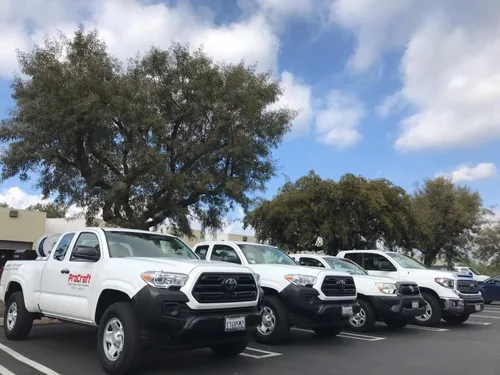
ProCraft Pest Control
2315 W Foothill Blvd Ste 4, Upland, CA 91786
ProCraft Pest Control is a pest control and termite inspection company serving Fontana, CA. With over 20 years of experience in Southern California, they provide residential and commercial pest control services tailored to local pest challenges. Their licensed technicians use safe, quick-drying materials to treat homes and businesses, including termite eradication, helping protect properties from pest damage.
Why Termite Inspections Are Crucial in Ontario
Termites are a silent menace, often causing extensive structural damage long before homeowners notice any signs. In Southern California's climate, termites are active year-round, making properties in Ontario particularly vulnerable. A professional termite inspection is the first and most important line of defense. It provides a clear picture of your home's health, identifying not only active infestations but also conditions that could attract future problems. For homeowners considering a sale, a clear inspection report is often a mandatory part of the real estate transaction process.
Common Termite Species Found in Ontario
Understanding the enemy is key. Ontario homes can be threatened by three primary types of termites, each with distinct behaviors.
- Subterranean Termites: The most common and destructive species in California 1. They live in underground colonies and build distinctive mud tubes to travel between their nest and food sources (your home's wood). They require contact with soil moisture to survive and can cause severe structural damage rapidly 2.
- Drywood Termites: Unlike their subterranean cousins, drywood termites infest dry, sound wood and do not need contact with soil. They live entirely within the wood they consume. A key sign of their presence is tiny, six-sided fecal pellets called "frass," which they push out of kick-out holes in the wood 3.
- Dampwood Termites: These termites are attracted to wood with high moisture content. They are often found in areas with water leaks, wood in contact with the ground, or decaying stumps. While they typically infest wood that is already damp, their presence indicates a serious moisture issue that needs to be addressed 4.
What a Professional Inspector Looks For
A thorough termite inspection is a meticulous process. A certified inspector will examine both the exterior and interior of your property, focusing on areas where termites are most likely to thrive.
Exterior Inspection Points:
- Foundation and Soil Contact: The inspector will look for mud tubes (pencil-sized tunnels) on foundation walls, piers, and slabs. They will also note any wood-to-soil contact, such as siding, door frames, or trellises touching the ground, which provides a direct pathway for termites.
- Structural Wood: All exposed wood, including eaves, fascia boards, window frames, and doorframes, will be checked for blistering, hollow sounds when tapped, or visible damage.
- Landscaping and Outbuildings: Wood piles, tree stumps, fences, and decks attached to the house are examined as potential harborage sites or bridges for termites 5.
Interior Inspection Points:
- Attics and Crawlspaces: These are critical inspection zones. Inspectors look for damaged timbers, mud tubes on piers or subflooring, improper ventilation, and moisture buildup 6. They will check insulation and any stored materials for signs of activity.
- Living Areas: Baseboards, window sills, door jambs, and areas under sinks are probed for softness or frass. Inspectors may use a moisture meter to detect hidden water damage behind walls 7 8.
- Conducive Conditions: Beyond live termites, the inspection report will note "conducive conditions." These are issues that promote termite activity, such as excessive moisture from plumbing leaks, faulty grade levels that cause water to pool near the foundation, or excessive vegetation against the house.
Find the perfect termite inspection companies for your needs
Get personalized recommendations and expert advice
How to Prepare for Your Termite Inspection
Proper preparation ensures the inspector can perform a comprehensive and efficient evaluation. Taking these steps ahead of time can save time and help guarantee no area is missed.
- Clear Access: Move stored items, boxes, and debris away from foundation walls, in garages, and in crawlspace access areas. Inspectors need to see the perimeter of your home 9.
- Create Space Indoors: Clear clutter from closets, under sinks, and in attics. A general rule is to provide at least two feet of clearance from interior walls in storage areas 10.
- Trim Vegetation: Prune back shrubs, vines, and tree branches that are touching the house to allow for a clear view of the exterior siding and foundation.
- Secure Pets: For the safety of your animals and the inspector, secure pets in a kennel or in a closed room that does not need to be inspected.
- Provide Access: Ensure all doors to rooms, closets, and gates are unlocked. If you have a locked attic or crawlspace hatch, have the key available 11.
Understanding Inspection Costs and Reports
The cost of a termite inspection in Ontario is an investment in your home's longevity. For a standard single-family home under 2,500 square feet, a basic visual inspection typically ranges from $100 to $150. Larger homes or those with complex layouts (e.g., multiple stories, extensive landscaping) may cost between $150 and $225 or more.
It's important to understand the type of report you need. A standard inspection report details findings. However, in real estate transactions, a formal "Section 1" report is often required. This report specifically identifies active infestations or damage caused by wood-destroying organisms. The fee for this official clearance document usually adds $75 to $100+ to the base inspection cost 12. If treatment is recommended, the inspector will provide a separate estimate for those services, which can vary widely based on the infestation's scope and the treatment method required.
The Inspection Process: What to Expect
When the inspector arrives, they will typically start with a discussion to understand any concerns you have about specific areas of the home. The inspection itself is visual and tactile; the professional will use tools like flashlights, moisture meters, probes, and ladders to examine all accessible areas. They will tap on wood to listen for hollow sounds and look for the subtle signs mentioned earlier. The process for an average-sized home usually takes one to two hours. Afterward, the inspector should review their preliminary findings with you and explain the next steps, whether that's a clean bill of health, monitoring recommendations, or a discussion of treatment options.
Frequently asked questions
Sources
Footnotes
-
Subterranean and Other Termites / Home and Landscape ... - UC IPM - https://ipm.ucanr.edu/home-and-landscape/subterranean-and-other-termites/ ↩
-
Ultimate Guide to Termite Treatment - https://www.fullscopepestcontrol.com/ultimate-guide-to-termite-treatment/ ↩
-
How to identify termites and other wood destroying insects - The ... - https://www.youtube.com/watch?v=NJG80VmaXR0 ↩
-
Species of Termites Found in California - https://www.mightymitetermite.com/blog/species-of-termites-found-in-california/ ↩
-
Termite inspection: How it works - Western Exterminator - https://www.westernexterminator.com/termite-control/termite-inspection ↩
-
Full Guide to Professional Termite Inspections for Home Inspectors - https://www.homegauge.com/learning/home-inspectors-termites/ ↩
-
What Does a Termite Inspector Look For? - Orkin - https://www.orkin.com/pests/termites/what-a-termite-inspector-does ↩
-
What Does A Termite Inspector Look For? - AG Pest Control - https://www.agpest.com/what-does-a-termite-inspector-look-for/ ↩
-
Termite Inspection - https://www.specialtyteam.com/?page_id=301 ↩
-
Spring Termite Inspection: Your 5 Step Prep - https://ecolatermite.com/spring-termite-inspection-your-5-step-prep/ ↩
-
How to Prepare Your House for a Termite Inspection? - https://www.hitechtermite.com/articles/how-to-prepare-your-house-for-a-termite-inspection ↩
-
California Termite Inspection: Sections 1-3 Explained - https://www.usrealtytraining.com/blogs/termite-inspection-real-estate ↩