Find the Best Termite Inspection Companies for Your Business
No obligation • Fast responses • Nationwide coverage

Why you can trust Pest Crews
Pest Crews is a leading U.S. resource for finding and evaluating residential and commercial pest control services. Our team researches providers, reviews treatment approaches, and organizes unbiased information to help you make informed decisions. Companies cannot pay to change our editorial content or influence how they appear.
Search providers near you
Top Termite Inspection Companies in Palmdale, California Ranked
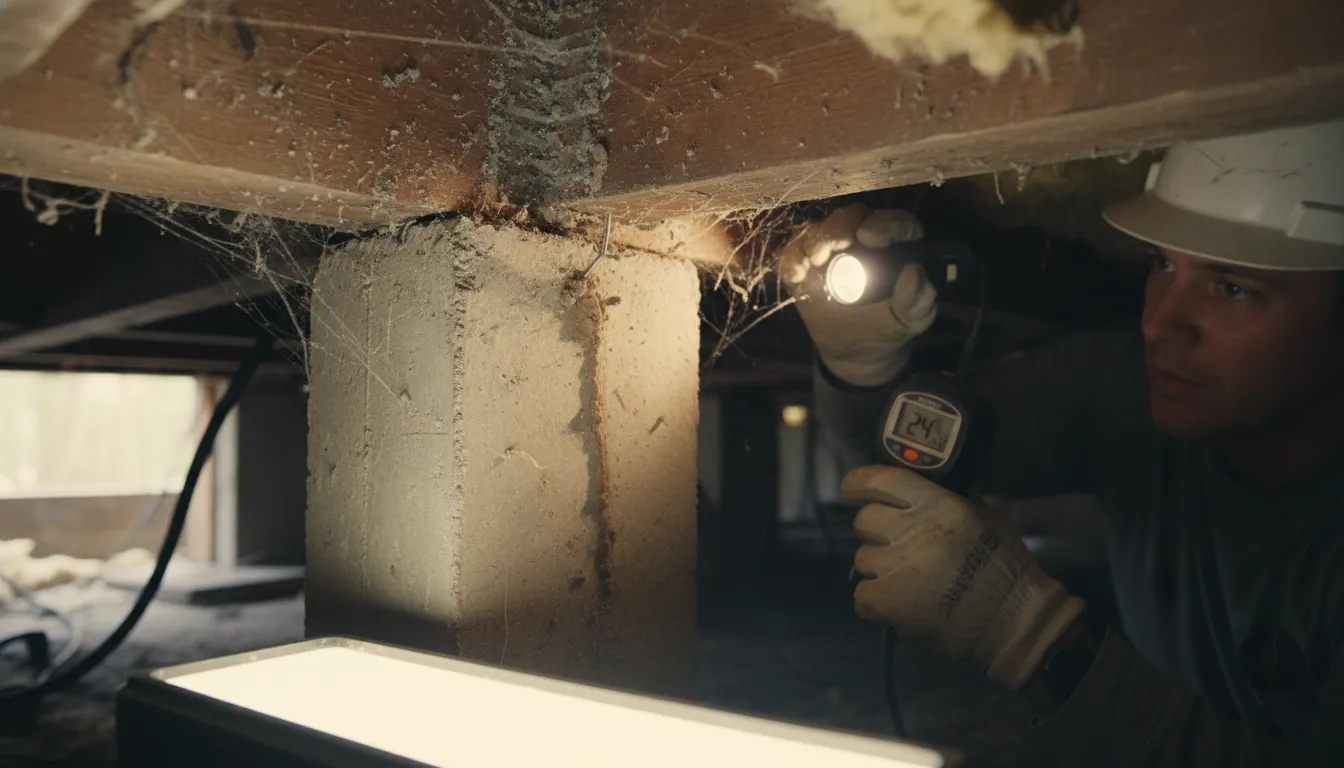
A termite inspection is a critical evaluation of a property to detect the presence or evidence of wood-destroying pests like termites. In Palmdale, where specific termite species thrive, this service is essential for protecting your home's structural integrity and value. This guide explains what a termite inspection entails, what inspectors look for in our local area, and how you can connect with qualified professionals to assess your property.
CVA Exterminators, Inc.
28150 Ave Crocker Suite 211, Santa Clarita, CA 91355
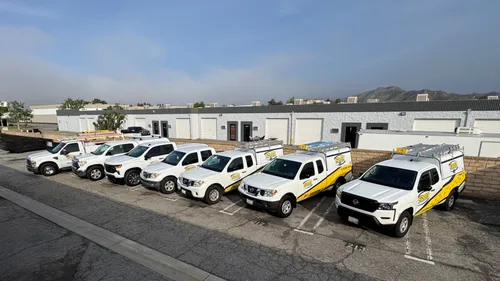
CVA Exterminators, Inc. provides pest control services in Santa Clarita, CA, specializing in residential and commercial pest management. With over 25 years of experience since 1998, they handle a variety of pests including ants, termites, cockroaches, rodents, and spiders. The company offers thorough inspections and custom treatment plans tailored to the unique needs of each property, emphasizing eco-friendly methods that prioritize safety for children, pets, and the environment. Their service area includes Santa Clarita and surrounding communities such as Valencia, Newhall, Saugus, Canyon Country, and Agua Dulce.
HomeShield Pest Control
596 N Lake Ave Suite 200, Pasadena, CA 91101
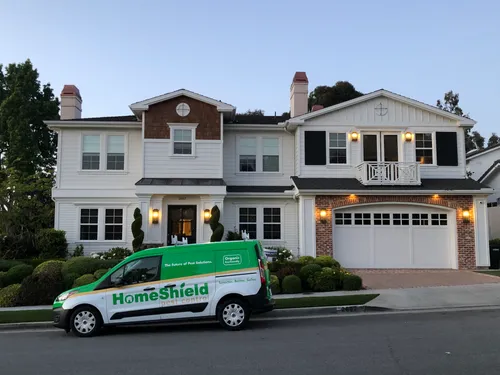
HomeShield Pest Control offers eco-friendly pest control services in Los Angeles, CA, including ant, rodent, termite, and mosquito control for both residential and commercial properties. They begin with detailed inspections and customize treatments using organic products from EcoSMART, adapting services seasonally to ensure effectiveness. Their licensed and insured technicians provide ongoing monitoring and follow-up visits to maintain pest control standards. HomeShield Pest Control emphasizes safe, green solutions to protect homes and businesses in the area.
GuardUp Pest Control
26911 Ruether Ave unit s, Santa Clarita, CA 91351
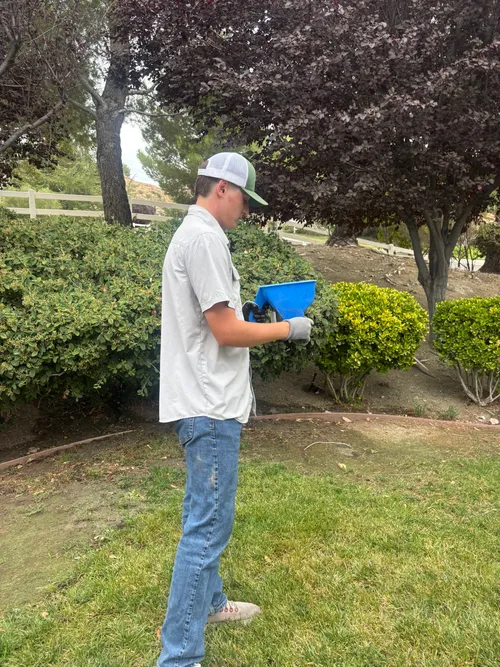
GuardUp Pest Control is a pest control company based in Santa Clarita, CA, offering services for both residential and commercial properties. They provide treatments for a variety of pests including bed bugs, ants, rodents, termites, bees, and wasps. Their approach begins with a detailed inspection to identify pest activity and entry points, allowing for targeted and strategic treatments. GuardUp Pest Control uses child- and pet-friendly methods and follows an Integrated Pest Management approach to minimize pesticide use while ensuring long-lasting protection. They also offer a 100% satisfaction guarantee with complimentary reservice if pests return between scheduled visits.
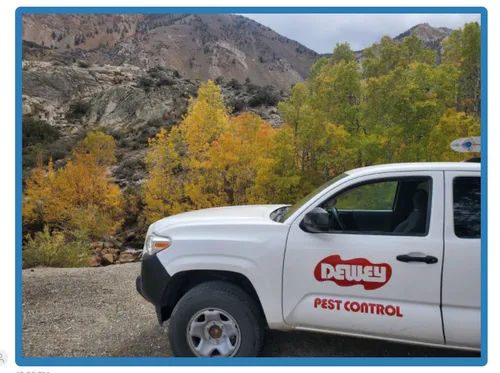
Dewey Pest & Termite Control
45440 23rd St W, Lancaster, CA 93536
Dewey Pest & Termite Control is a pest control company based in Lancaster, CA. They offer a range of services including bed bug treatment, cockroach and ant control, rodent management, termite inspections, mosquito control, and bee and wasp removal. The company provides specialized termite control and bed bug treatments, addressing both common and invasive pests in the area.
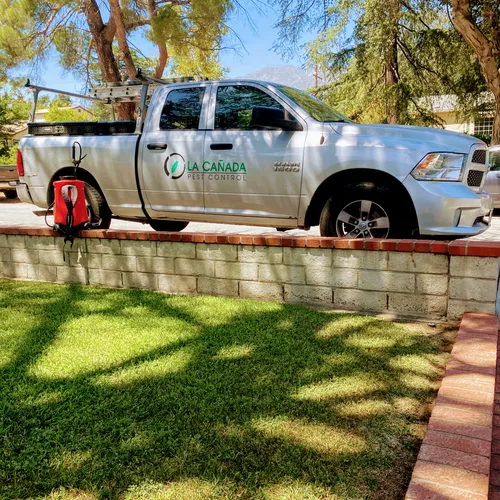
La Canada Pest, Inc.
1117 Foothill Blvd Suite B, La Cañada Flintridge, CA 91011
La Canada Pest, Inc. is a termite inspection and pest control company based in Los Angeles, CA. They offer thorough termite inspections covering attics, subareas, and property perimeters to assess infestation and damage. Their services include detailed termite reports with diagrams, local spot treatments, fumigation, and wood repair to address termite issues effectively. The company distinguishes between drywood and subterranean termites and provides tailored treatment options accordingly. They also emphasize the importance of cellulose debris removal to prevent re-infestation.
Why Termite Inspections Are Crucial in Palmdale
The arid climate of the Antelope Valley doesn't make Palmdale immune to termites; in fact, it creates ideal conditions for certain species. Termites cause billions of dollars in property damage nationwide each year, often hidden from plain sight until significant harm is done 1. A professional termite inspection is your first line of defense, identifying active infestations, past damage, and conditions that could attract these destructive pests. For homeowners, it's about preventative maintenance. For buyers and sellers, it's a standard part of real estate transactions, often required for loan approval. Early detection through a thorough inspection can save you from costly repairs and extensive treatment down the line.
Common Termite Species in Palmdale
Local inspectors are primarily on the lookout for two main types of termites, each with distinct behaviors and signs.
Drywood Termites As their name implies, drywood termites infest sound, dry wood directly and do not require contact with soil. They often establish colonies in attic framing, eaves, window frames, and furniture. A key sign of their activity is the presence of frass-small, hard, pellet-like droppings that they push out of their galleries, which often accumulate in small piles below infested wood.
Subterranean Termites These are the most destructive termites in the United States. They live in underground colonies and build distinctive mud tubes to travel between their soil nest and their food source (your home's wood) while protecting themselves from open air 2. Inspectors pay close attention to the foundation, crawl spaces, and any areas where wood meets soil, as these are prime locations for subterranean termite activity.
What Inspectors Look For: Signs & Conducive Conditions
A qualified inspector conducts a meticulous search for both clear evidence of termites and factors that could lead to a future infestation.
Direct Evidence of Termites:
- Mud Tubes: Pencil-sized tunnels made of soil and saliva on foundation walls, piers, sill plates, or in crawl spaces.
- Frass: The tell-tale droppings from drywood termites, which resemble fine sawdust or coffee grounds 3.
- Damaged Wood: Wood that sounds hollow when tapped, appears warped, or is visibly crumbled. Paint may blister or crack over damaged wood.
- Discarded Wings: Swarming termites, or "alates," shed their wings after finding a new nesting site. Piles of identical, small wings near windowsills or doors are a common indicator.
- Live Insects: While often hidden, inspectors may find live termites during their probe.
Conducive Conditions (Section 2 Items): These are issues that don't represent active infestation but elevate the risk for one. The inspector's report will note these for correction.
- Wood-to-Soil Contact: Fence posts, deck supports, or structural wood members touching the soil provide direct access for subterranean termites 4.
- Excess Moisture: Leaky pipes, faulty grading, poor drainage, or clogged gutters create the damp environment termites need.
- Cracks in Foundation: Even hairline cracks can serve as entry points for foraging termites 5.
- Poor Ventilation: Inadequate airflow in crawlspaces and attics traps moisture.
- Debris and Cellulose Material: Stacks of firewood, lumber, or cardboard against the house can attract termites and provide a bridge into the structure.
The Inspection Process: A Room-by-Room Guide
A comprehensive termite inspection in Palmdale is systematic, covering every accessible area of your property.
Exterior Inspection The inspector walks the entire perimeter of the home, examining the foundation for mud tubes and cracks, checking siding and stucco, looking at porches and decks for wood-soil contact, and inspecting vents and roof eaves for signs of drywood termites.
Interior Inspection Every room is checked, including closets, baseboards, window and door frames, and areas around plumbing fixtures where leaks might occur. The inspector will look for frass, damaged wood, and signs of moisture 6.
Attic and Sub-Area (Crawlspace/Basement) Inspection These critical areas are thoroughly examined. In the attic, the inspector looks at rafters, sheathing, and insulation for frass or damaged wood. In the crawlspace or basement, they check for mud tubes on piers and foundation walls, assess moisture levels, and look for proper ventilation 7.
The Inspection Report After the evaluation, you will receive a detailed report, typically following the standard California "Termite Inspection Report" format. This includes a diagram of your property and is divided into key sections 8:
- Section 1: Items where active infestation, infection, or damage from wood-destroying pests or organisms is found. These items typically must be corrected.
- Section 2: Conducive conditions to infestation (items listed above like wood-soil contact, excessive moisture). These are recommended for correction to prevent future problems.
- Section 3: Items that are beyond the scope of a pest inspection, such as general plumbing or roofing issues, but were incidentally observed.
Find the perfect termite inspection companies for your needs
Get personalized recommendations and expert advice
Understanding Costs for Termite Inspection in Palmdale
The cost of a termite inspection can vary based on the size of your home and the type of report needed.
- Basic Visual Inspection: For a standard inspection of a home under 2,500 square feet, homeowners can expect to pay between $100 and $150 9. This is a general assessment for your knowledge.
- Official Escrow Report (Section 1 Clearance): If you need a formal report for a real estate transaction-often called a "clearance"-the fee is typically higher, adding roughly $75 to $100+ to the base inspection cost. This report is more detailed and certifies the property is free of active infestation (Section 1 items).
- Additional Costs: The inspection may reveal the need for treatment or repairs. Spot treatments for localized infestations can range from $250 to $700, while whole-structure fumigation (tenting) for severe drywood termite problems can cost $2,000 to $5,000 or more 10 11.
Preparing for Your Termite Inspection
To ensure a smooth and thorough inspection, you can take a few simple steps:
- Clear Access: Ensure the inspector can easily access your attic hatch, crawlspace entry, garage interior, and all rooms, including closets.
- Move Items: Pull furniture and stored items at least two feet away from interior walls. Clear clutter from your basement, garage, and utility rooms.
- Trim Landscaping: Trim back shrubs, vines, and tree branches so they are not touching the exterior of your house, giving the inspector a clear view of the foundation and siding.
Frequently asked questions
Sources
Footnotes
-
Termite Inspections: Cost and What to Expect | Real Estate - https://realestate.usnews.com/real-estate/articles/termite-inspections-cost-and-what-to-expect ↩
-
Termite Information & Resources: The Full Guide to ... - Ehrlich Pest Control - https://www.jcehrlich.com/pest-insights/termites ↩
-
Complete Guide to Termite Inspection in Los Angeles - https://www.termikepestcontrol.com/post/termitei-nspection-los-angeles ↩
-
Pest Control in Palmdale, CA - All Pest Pros - https://www.allpestpros.com/areas-we-serve/palmdale/ ↩
-
What Happens During a Termite Inspection - Terminix - https://www.terminix.com/termite-control/inspection/ ↩
-
Termite inspection: How it works - Western Exterminator - https://www.westernexterminator.com/termite-control/termite-inspection ↩
-
Termite Inspection - https://www.specialtyteam.com/?page_id=301 ↩
-
Termites and real estate inspections - Clark Pest Control - https://www.clarkpest.com/residential-service-blog-old/termites-and-real-estate-inspections ↩
-
How Much Does a Termite Inspection Cost? - https://patriotinspect.com/how-much-does-a-termite-inspection-cost/ ↩
-
Questions and Answers about Termites - Structural Pest Control Board - https://www.pestboard.ca.gov/forms/termites.pdf ↩
-
California Termite Inspection: Sections 1-3 Explained - https://www.usrealtytraining.com/blogs/termite-inspection-real-estate ↩