Find the Best Termite Inspection Companies for Your Business
No obligation • Fast responses • Nationwide coverage

Why you can trust Pest Crews
Pest Crews is a leading U.S. resource for finding and evaluating residential and commercial pest control services. Our team researches providers, reviews treatment approaches, and organizes unbiased information to help you make informed decisions. Companies cannot pay to change our editorial content or influence how they appear.
Search providers near you
Top Termite Inspection Companies in Buena Park, California Ranked
A termite inspection is a specialized evaluation of your property to detect the presence or evidence of wood-destroying organisms, primarily termites. This service is critical for protecting your home's structural integrity and value, as termites can cause extensive, hidden damage. For Buena Park residents, using this guide helps you understand what to expect from a local inspection and connects you with qualified professionals who can assess your specific situation.
HomeShield Pest Control
6108 Venice Blvd., Los Angeles, CA 90034
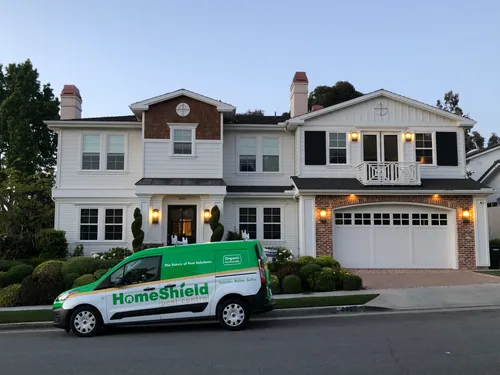
HomeShield Pest Control offers eco-friendly pest control services in Los Angeles, CA. They specialize in residential and commercial pest management, including bed bug treatment, rodent control, termite inspections, and mosquito control. The company uses green pesticide solutions from EcoSMART, focusing on child and pet safety. HomeShield serves a broad area including Sacramento, the Bay Area, Orange County, San Diego, the Inland Empire, and South Florida. They emphasize a professional and ethical approach to pest control and provide a 100% service satisfaction guarantee with unlimited maintenance calls.
HomeShield Pest Control
701 E Ball Rd, Anaheim, CA 92805
HomeShield Pest Control offers eco-friendly pest control services in Irvine, CA, specializing in treatments for bed bugs, cockroaches, ants, rodents, termites, and mosquitoes. They provide both residential and commercial pest management using green pesticide solutions from EcoSMART. HomeShield is locally owned and focuses on safe, child- and pet-friendly pest control methods. Their service areas include multiple regions across California and South Florida. The company emphasizes a professional and ethical approach to pest control, backed by a 100% service satisfaction guarantee and unlimited maintenance visits between scheduled services.
Elite Group Inspection Professionals
9480 Utica Ave #608, Rancho Cucamonga, CA 91730
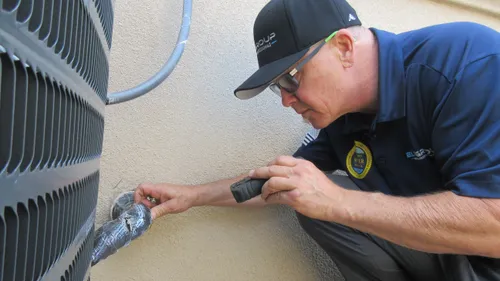
Elite Group Inspection Professionals offers comprehensive termite inspection and home inspection services in San Bernardino, CA. Serving the local community and surrounding Southern California areas, they provide detailed evaluations including termite inspections, mold testing, roof certification, and more. Established in 1984, Elite Group has extensive experience conducting thorough inspections with trained technicians. Their capabilities include specialized services such as sewer scope inspections and infrared thermal imaging to detect hidden issues.
HomeShield Pest Control
2340 E Artesia Blvd, Long Beach, CA 90805
HomeShield Pest Control offers eco-friendly pest control services in Los Angeles, CA, specializing in residential and commercial pest management. Their services include bed bug treatment, rodent control, termite inspections, and mosquito control, using green products from EcoSMART. The company emphasizes safe, child- and pet-friendly solutions and provides a 100% service satisfaction guarantee with unlimited maintenance calls. HomeShield serves a broad area including Sacramento, the Bay Area, Orange County, San Diego, the Inland Empire, and South Florida.
HomeShield Pest Control
850 E Parkridge Ave STE 113, Corona, CA 92879
HomeShield Pest Control offers eco-friendly pest control services in Irvine, CA, focusing on child and pet-safe solutions. They provide a range of services including home and commercial pest control, rodent and termite control, bed bug treatment, and mosquito control. HomeShield uses green pesticide products from EcoSMART, known for their 100% green insecticides. The company serves multiple regions including Orange County and the Inland Empire. They emphasize a professional and ethical approach to pest management and back their work with a 100% satisfaction guarantee and unlimited maintenance calls between scheduled services.
What a Termite Inspection Covers in Buena Park
A professional termite check in Buena Park is a detailed visual examination of your home's interior and exterior, focusing on areas vulnerable to infestation. The goal is to identify active termites, past damage, and conditions that could attract future problems. Inspectors are trained to look for subtle signs that homeowners often miss, providing a crucial first line of defense for your property.
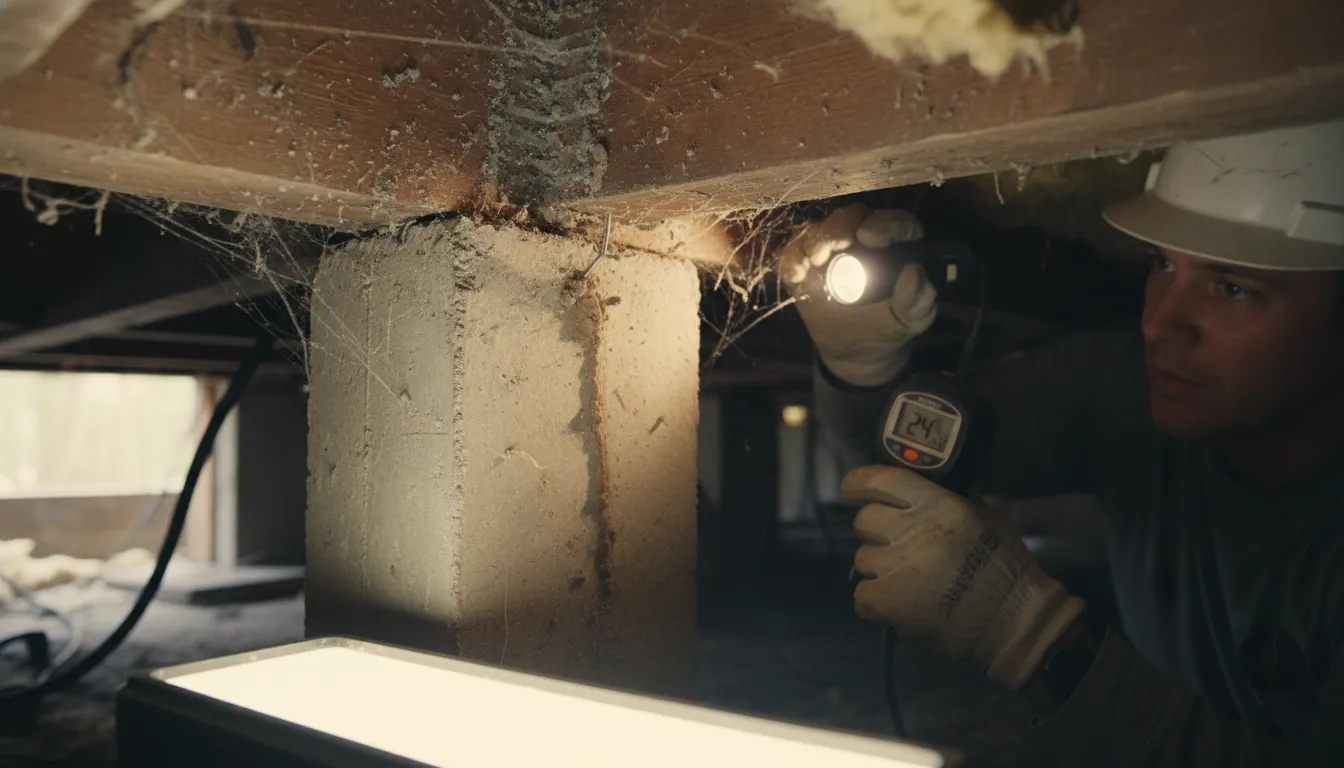
The process typically involves checking all accessible areas, including the foundation, attic, crawlspace, and living spaces. Inspectors use tools like moisture meters, flashlights, and probing instruments to assess wood integrity. The final deliverable is a detailed Wood-Destroying Organism (WDO) report, which documents any findings and is often required for real estate transactions.
The Two Main Termite Threats in Southern California
Understanding the enemy is key. In Buena Park, homes are primarily at risk from two types of termites, each with distinct behaviors and signs.
Drywood Termites These pests infest dry, sound wood and do not require contact with soil. They often enter through attic vents or under roof eaves. A key sign of a drywood termite infestation is the presence of frass-small, granular fecal pellets that they push out of their galleries. These pellets often accumulate in small piles below "kick-out" holes in infested wood.
Subterranean Termites More common and often more destructive, subterranean termites live in colonies in the soil. They build distinctive mud tubes (shelter tubes) to travel between their nest and food sources while protecting themselves from dry air. These pencil-width tubes are often found on foundation walls, in crawlspaces, or on plumbing penetrations. They are attracted to moisture, so leaks and poor drainage significantly increase the risk.
A Step-by-Step Look at the Inspection Process
A thorough termite evaluation follows a systematic approach. Here's what a professional will examine in your Buena Park home:
Exterior Inspection
The inspector walks the perimeter of your home, looking for:
- Mud tubes on foundation walls, piers, and slabs.
- Wood-to-soil contact, such as fence posts, deck supports, or siding too close to the ground.
- Cracks in the foundation or exterior stucco that could provide entry points.
- Damaged or weathered wood on eaves, trim, and window frames.
- Vegetation and mulch that is too close to the structure, retaining moisture 1.
Interior Inspection
Inside the home, the inspector will examine:
- Baseboards, door frames, and window sills for blistering, hollow sounds when tapped, or visible frass.
- Areas around plumbing under sinks, around tubs, and in laundry rooms for moisture and signs of tubes.
- Attics and crawlspaces, which are critical for spotting hidden activity. Inspectors look for damaged wood, mud tubes on piers, and discarded termite wings (swarmers) 2 3.
Identifying Conducive Conditions
Beyond active termites, a key part of the inspection is identifying factors that invite infestation. Inspectors use moisture meters to detect:
- Plumbing leaks
- Poor drainage or grading
- Faulty gutter systems
- Wood rot from chronic dampness Correcting these issues is often recommended to prevent future problems 4 5.
Find the perfect termite inspection companies for your needs
Get personalized recommendations and expert advice
Understanding Inspection Costs and Reports
The cost for a termite inspection in Buena Park is typically straightforward, though it can vary based on your home's size and the report's purpose.
Basic Inspection Fee: For a standard visual inspection of a home under 2,500 square feet, you can expect to pay approximately $100 to $150. Many companies offer this basic inspection for free if you are also seeking a quote for treatment.
Escrow or Section 1 Clearance Letter: If you are buying, selling, or refinancing a home, lenders often require a formal WDO report and a "Section 1" clearance letter stating the property is free of active infestation. Adding this official documentation to the inspection usually costs an additional $75 to $1006 7 8.
Treatment and Repair Costs: The inspection report will outline any necessary treatments or repairs. Costs here vary widely:
- Localized treatment for a small, accessible colony: $250 to $700+
- Whole-structure fumigation for widespread drywood termites: Several thousand dollars, based on home size 9.
Why Buena Park Homes Need Regular Termite Checks
Buena Park's climate is ideal for termites. The combination of warm weather and, in many older neighborhoods, mature landscaping can create perfect conditions for both drywood and subterranean species. Regular inspections are a proactive investment. Catching an infestation early can save tens of thousands of dollars in structural repairs and help maintain your home's value. For homeowners, it's about peace of mind; for buyers and sellers, it's a non-negotiable step in the real estate process 10.
Preparing for Your Inspection
To ensure a smooth and comprehensive inspection, you can take a few simple steps:
- Clear access to the perimeter of your home, attic hatch, crawlspace entry, and utility closets.
- Move items stored against basement or garage walls.
- Trim back plants and shrubs so there is at least an 18-inch gap between the foliage and your home's siding. This allows the inspector to do a thorough job without obstruction, ensuring no potential problem area is missed.
Frequently asked questions
Sources
Footnotes
-
What You Should Know About A Termite Inspection - AG Pest Control - https://www.agpest.com/what-you-should-know-about-a-termite-inspection/ ↩
-
What Happens During a Termite Inspection - Terminix - https://www.terminix.com/termite-control/inspection/ ↩
-
8 Key Areas in Your Home to Check During a Termite Inspection - https://cleardefensepest.com/termite-inspection-checklist/ ↩
-
The Value of Termite Inspections - Clark Pest Control - https://www.clarkpest.com/residential-service-blog-old/the-value-of-termite-inspections ↩
-
What Does A Termite Inspector Look For? - AG Pest Control - https://www.agpest.com/what-does-a-termite-inspector-look-for/ ↩
-
Termite Inspection Orange County - https://termiteterry.com/termite-inspection-orange-county/ ↩
-
California Termite Inspection: Sections 1-3 Explained - https://www.usrealtytraining.com/blogs/termite-inspection-real-estate ↩
-
California Home Inspections- What You Need To Know(2024) - https://thebienstockgroup.com/california-home-inspections-2023/ ↩
-
Termite Control in California - Western Exterminator - https://www.westernexterminator.com/local-branches/california/termites ↩
-
Termites and real estate inspections - https://www.clarkpest.com/residential-service-blog-old/termites-and-real-estate-inspections ↩