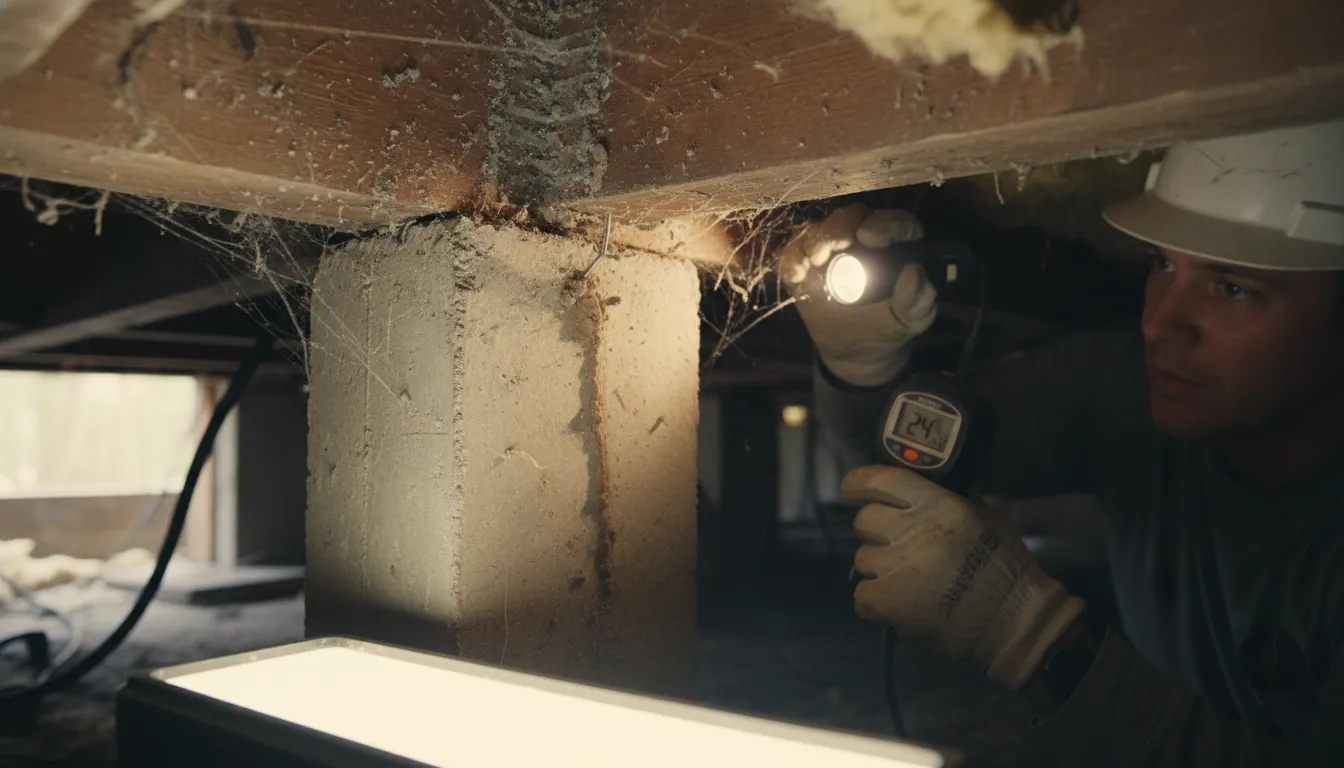
Find the Best Termite Inspection Companies for Your Business
No obligation • Fast responses • Nationwide coverage

Why you can trust Pest Crews
Pest Crews is a leading U.S. resource for finding and evaluating residential and commercial pest control services. Our team researches providers, reviews treatment approaches, and organizes unbiased information to help you make informed decisions. Companies cannot pay to change our editorial content or influence how they appear.
Search providers near you
Top Termite Inspection Companies in Campbell, California Ranked
A termite inspection is a critical evaluation of your property to detect active infestations, past damage, and conditions that attract these destructive pests. In Campbell, where both subterranean and drywood termites are a constant threat, these assessments are essential for protecting your largest investment. This guide will help you understand what a termite inspection entails, what inspectors look for, and how to use this information to connect with qualified local professionals for evaluation and treatment.

CalPro Inspection Group - Home & Commercial Inspectors
80 Gilman Ave Ste 2B, Campbell, CA 95008
CalPro Inspection Group - Home & Commercial Inspectors provides termite inspection and other home and commercial inspection services in San Jose, CA. They serve the Greater Sacramento area, the entire Bay Area, and surrounding cities. CalPro offers a range of specialty inspections and delivers comprehensive online reports with photos, noted issues, and suggested repairs. Their certified inspectors focus on providing reliable and honest results to help clients make informed real estate decisions.
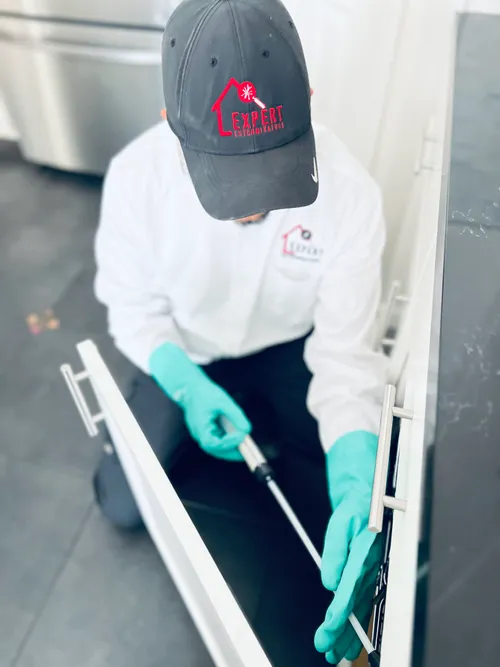
Expert Exterminators
1430 Tully Rd Suite 403, San Jose, CA 95122
Expert Exterminators provides comprehensive pest control services in San Jose, CA. They specialize in treating a variety of pests including rodents, bed bugs, termites, and general household insects. Their offerings include thorough inspections, customized treatment plans, and ongoing maintenance to manage pest issues effectively. The company is licensed and staffed by trained technicians who focus on delivering tailored solutions for each pest problem. Expert Exterminators also offers termite inspections and treatments with no initial fee for inspections. Their services are available around the clock to address pest activity at any time.
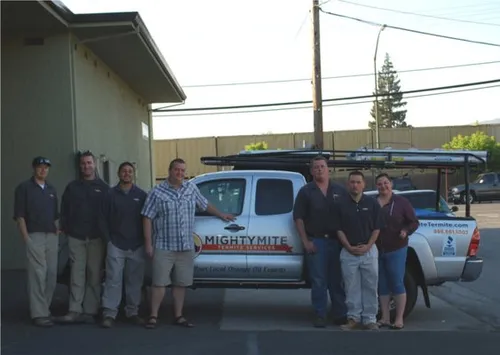
MightyMite Termite Services
215 E Hacienda Ave, Campbell, CA 95008
MightyMite Termite Services provides termite and pest control for residential and commercial properties in San Jose, CA. They use state-of-the-art, low-toxicity treatment methods to eliminate termites without tenting, allowing customers to remain in their homes during treatment. The company offers thorough inspections and effective treatments backed by unmatched warranties and an industry-best no call-back rate. With a combined 80 years of experience, MightyMite Termite Services is licensed and bonded, serving the Bay Area and Monterey Counties.

Aptive Pest Control
San Jose, CA
Aptive Pest Control offers comprehensive pest management services in San Jose, CA, addressing common pests such as ants, spiders, cockroaches, rodents, termites, and wasps. Operating with a local understanding of the area's Mediterranean climate and seasonal pest activity, they provide year-round treatments tailored to prevent infestations and protect homes. Their services include exclusion methods, strategic baiting, and targeted treatments to manage and prevent pest problems effectively. Aptive Pest Control serves San Jose and surrounding communities, including Cupertino, Fremont, and Sunnyvale, ensuring coverage across the region.
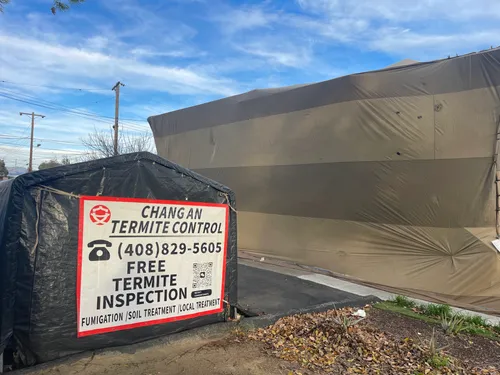
Chang An Termite Control 长安白蚁防治
Fremont, CA
Chang An Termite Control 长安白蚁防治 is a termite control company serving Fremont, CA, specializing in residential and commercial termite inspections and treatments. Their licensed and state-certified staff use the latest technology and tools to provide termite control, soil treatment, local treatment, and fumigation services. The company was founded by industry experts with a proven track record, focusing on protecting properties from termite damage through thorough inspections and effective fumigation.
Why Termite Inspections Are Non-Negotiable in Campbell
Termites are a silent, persistent threat to homes in the Santa Clara Valley. They work out of sight, often for years, causing structural damage that can be incredibly costly to repair. A professional termite evaluation is your first and best line of defense. It provides a clear picture of your property's health, identifying not just active colonies but also vulnerabilities like wood-to-soil contact or moisture issues that could lead to future problems 1. For homeowners, it's a proactive maintenance step. For buyers and sellers, it's a standard and often mandatory part of real estate transactions in California, providing the "clearance" reports needed to close a deal 2. Skipping this step can mean unknowingly purchasing a home with extensive damage or allowing an infestation in your current home to grow unchecked.
The Termite Species Targeting Campbell Homes
Understanding your enemy is key. Campbell's climate supports several types of termites, each with distinct behaviors.
- Subterranean Termites: These are the most common and destructive species in Northern California. They live in colonies underground and build distinctive mud tubes to travel between their soil nest and their food source-your home's wood. An inspection will meticulously search for these tubes along foundations, in crawl spaces, and on walls.
- Drywood Termites: While more prevalent in Southern California, drywood termites are also found in Northern regions 3. Unlike subterranean termites, they infest dry wood directly and do not require contact with soil. They are often detected by the piles of sand-like fecal pellets, called frass, that they kick out of their galleries.
- Dampwood Termites: As the name implies, these termites are attracted to wood with high moisture content. They are less common in properly maintained homes but can be a problem in areas with chronic leaks or poor ventilation.
A thorough inspector will know the signs of each species and tailor their search accordingly.
What Does a Termite Inspector Look For?
A comprehensive termite assessment goes beyond a quick glance. Certified inspectors are trained to identify both obvious signs and subtle clues of termite activity and conducive conditions.
Primary Evidence of Infestation:
- Mud Tubes: These pencil-sized, earthen tunnels on foundation walls, floor joists, or in crawl spaces are the hallmark of subterranean termites.
- Frass: The tiny, wood-colored pellets left by drywood termites often accumulate on windowsills, in attics, or directly below infested wood 4.
- Damaged Wood: Inspectors will probe wood with a tool, listening for a hollow sound and looking for a honeycombed interior. Wood that sounds papery or crumbles easily is a major red flag.
- Swarmers and Discarded Wings: The presence of winged reproductive termites (swarmers) or piles of their discarded wings inside the home indicates a mature colony is likely nearby and has recently swarmed to create new colonies 5.
Conducive Conditions (What Attracts Termites): A key part of the inspection is identifying factors that make your property a target. These include:
- Excessive Moisture: Leaky pipes, poor drainage, faulty gutters, and insufficient ventilation in crawl spaces create the damp wood that termites love 6.
- Wood-to-Soil Contact: Any structural wood, like siding, door frames, or deck posts, touching the soil provides a direct highway for subterranean termites.
- Wood Debris: Stacks of firewood, lumber, or tree stumps against the house serve as both a food source and a bridge for termites.
Find the perfect termite inspection companies for your needs
Get personalized recommendations and expert advice
The Inspection Process: Step-by-Step
Knowing what to expect can help you prepare your home and understand the value you're receiving. A standard termite inspection in Campbell typically follows this process:
- Exterior Inspection: The inspector walks the perimeter of your home, examining the foundation, exterior siding, eaves, vents, and any attached structures like decks or fences. They look for mud tubes, damaged wood, and conducive conditions.
- Interior Inspection: Inside, the inspector checks baseboards, window and door frames, under sinks, in cabinets, and in closets-anywhere wood is present. They pay special attention to areas prone to moisture, like bathrooms and laundry rooms.
- Attic and Crawl Space Inspection: These critical, often overlooked areas are prime real estate for termites. The inspector will look for frass, damaged rafters and joists, and proper ventilation.
- Probing and Tools: Inspectors don't just look; they use tools. A screwdriver or pick is used to probe wood for weakness. Moisture meters are employed to detect hidden dampness within walls or under floors that could indicate a leak and potential infestation 7 8.
- Report Generation: After the evaluation, the inspector compiles a detailed report. This usually includes a diagram of your property, photos of any findings, and a description of both active infestations (Section 1 items) and conducive conditions (Section 2 items) as defined by California real estate standards 9. The report will also include recommendations and estimates for treatment and repairs.
Understanding Inspection Costs in Campbell
The price of a termite inspection in Campbell can vary based on the size of your home, its construction, and the type of report needed.
- Basic Visual Inspection: For a standard single-family home, you can generally expect a baseline cost between $100 and $200 for a thorough visual inspection and report.
- Escrow Inspection & Clearance Letter: If you are involved in a real estate transaction, you will likely need an official Wood Destroying Pest Organism (WDO) report and a "clearance" letter stating the property is free of active infestation. This service often adds $75 to $100 or more to the base inspection fee 10.
- Factors Influencing Cost: Larger homes, properties with complex foundations or extensive crawl spaces, and those requiring additional tools like thermal imaging may see higher fees. Some local estimates for Campbell show a wider potential range from around $105 up to $1,000+, with the higher end often reflecting combination inspections, treatment estimates, or particularly large properties 11.
It's always wise to get a clear quote upfront that specifies what is included, especially if you need a report for a real estate transaction.
How to Prepare for Your Termite Evaluation
A little preparation can help the inspection go smoothly and ensure the inspector has access to all critical areas:
- Clear clutter from your basement, crawl space access, and attic.
- Move items away from the perimeter walls in your garage, basement, and closets.
- Ensure the inspector has clear access to the foundation by trimming back plants or shrubs.
- Fix any known minor leaks beforehand and note any areas of concern you've observed for the inspector.
Frequently asked questions
Sources
Footnotes
-
What Does A Termite Inspector Look For? - AG Pest Control - https://www.agpest.com/what-does-a-termite-inspector-look-for/ ↩
-
California Home Inspections- What You Need To Know(2024) - https://thebienstockgroup.com/california-home-inspections-2023/ ↩
-
Species of Termites Found in California - https://www.mightymitetermite.com/blog/species-of-termites-found-in-california/ ↩
-
Termite Control in California - Western Exterminator - https://www.westernexterminator.com/local-branches/california/termites ↩
-
What does a termite inspection entail? - https://www.greenpestsolutions.com/blog/annual-termite-inspections-important ↩
-
How to Prepare Your House for a Termite Inspection? - https://www.hitechtermite.com/articles/how-to-prepare-your-house-for-a-termite-inspection ↩
-
Termite Inspection Campbell & Loomis CA - CalPro Pest Control - https://calpropestcontrol.com/termite-inspections/ ↩
-
What Happens During a Termite Inspection: What You Need to Know - https://ecolatermite.com/what-happens-during-a-termite-inspection-what-you-need-to-know/ ↩
-
Termite Inspections Campbell & Loomis CA - https://calprogroup.com/termite-inspections/ ↩
-
California Termite Inspection: Sections 1-3 Explained - https://www.usrealtytraining.com/blogs/termite-inspection-real-estate ↩
-
Termite Inspection in Campbell, CA - Costs 01 / 2026 - Homeyou - https://www.homeyou.com/ca/termite-inspection-campbell-costs ↩