Find the Best Termite Inspection Companies for Your Business
No obligation • Fast responses • Nationwide coverage

Why you can trust Pest Crews
Pest Crews is a leading U.S. resource for finding and evaluating residential and commercial pest control services. Our team researches providers, reviews treatment approaches, and organizes unbiased information to help you make informed decisions. Companies cannot pay to change our editorial content or influence how they appear.
Search providers near you
Top Termite Inspection Companies in Corona, California Ranked
A termite inspection is a critical evaluation of your property to detect active infestations, past damage, and conditions that could attract these destructive pests. In Corona, where both subterranean and drywood termites are prevalent, this service is essential for protecting your largest investment-your home. This guide will help you understand what a professional termite inspection entails, what inspectors look for, and how to interpret the findings to make informed decisions about protecting your property.
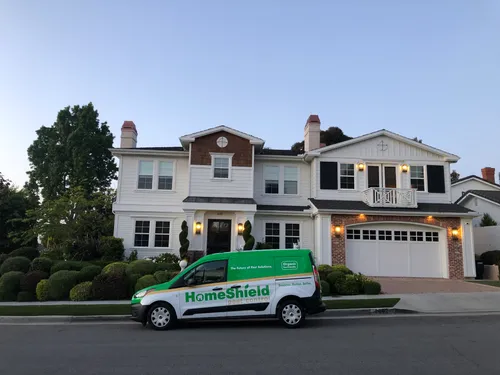
HomeShield Pest Control
701 E Ball Rd, Anaheim, CA 92805
HomeShield Pest Control offers eco-friendly pest control services in Irvine, CA, specializing in treatments for bed bugs, cockroaches, ants, rodents, termites, and mosquitoes. They provide both residential and commercial pest management using green pesticide solutions from EcoSMART. HomeShield is locally owned and focuses on safe, child- and pet-friendly pest control methods. Their service areas include multiple regions across California and South Florida. The company emphasizes a professional and ethical approach to pest control, backed by a 100% service satisfaction guarantee and unlimited maintenance visits between scheduled services.
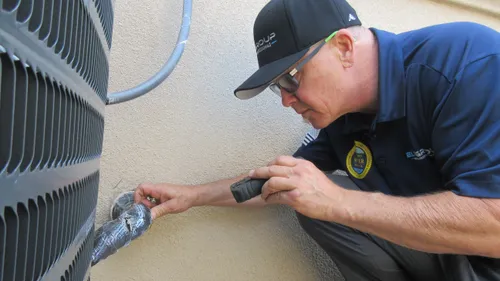
Elite Group Inspection Professionals
9480 Utica Ave #608, Rancho Cucamonga, CA 91730
Elite Group Inspection Professionals offers comprehensive termite inspection and home inspection services in San Bernardino, CA. Serving the local community and surrounding Southern California areas, they provide detailed evaluations including termite inspections, mold testing, roof certification, and more. Established in 1984, Elite Group has extensive experience conducting thorough inspections with trained technicians. Their capabilities include specialized services such as sewer scope inspections and infrared thermal imaging to detect hidden issues.
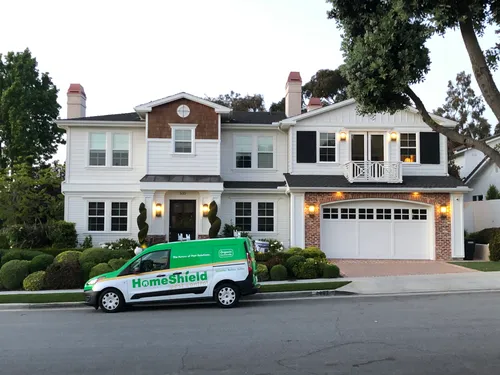
HomeShield Pest Control
850 E Parkridge Ave STE 113, Corona, CA 92879
HomeShield Pest Control offers eco-friendly pest control services in Irvine, CA, focusing on child and pet-safe solutions. They provide a range of services including home and commercial pest control, rodent and termite control, bed bug treatment, and mosquito control. HomeShield uses green pesticide products from EcoSMART, known for their 100% green insecticides. The company serves multiple regions including Orange County and the Inland Empire. They emphasize a professional and ethical approach to pest management and back their work with a 100% satisfaction guarantee and unlimited maintenance calls between scheduled services.
HomeShield Pest Control
31601 Coast Hwy, Laguna Beach, CA 92651
HomeShield Pest Control offers eco-friendly pest control services in Irvine, CA, focusing on child and pet-safe solutions. They handle a variety of pests including rodents, termites, bed bugs, mosquitoes, ants, and cockroaches for both residential and commercial properties. The company uses green products from EcoSMART, known for their 100% green insecticide, and provides unlimited maintenance visits between scheduled services. HomeShield serves multiple regions including Orange County and emphasizes a responsible and ethical approach to pest management.
Preventive Pest Control
26060 Acero #204, Mission Viejo, CA 92691
Preventive Pest Control is a pest control company serving Irvine, CA, and nearby communities. With over 20 years of experience, they offer a wide range of services including termite inspection and treatment, ant and spider control, rodent removal, mosquito management, and wasp nest removal. Their team uses safe and effective methods tailored to both residential and commercial properties to manage and prevent pest infestations. Preventive Pest Control is known for thorough termite inspections and customized treatment plans that help protect properties from damage and recurring pest issues.
Why Termite Inspections Are Crucial in Corona
Termites are a constant threat to homes in Southern California, and Corona is no exception. The region's climate is ideal for two primary types of wood-destroying organisms: subterranean termites and drywood termites. Subterranean termites are often considered the most damaging species; they live in the soil and build distinctive mud tubes to access the wood in your home. Drywood termites, on the other hand, infest wood directly and do not require contact with soil, leaving behind piles of sand-like droppings called frass. An annual termite check can identify early signs of an infestation, potentially saving you thousands of dollars in structural repairs and helping maintain your home's value.
What a Professional Inspector Examines
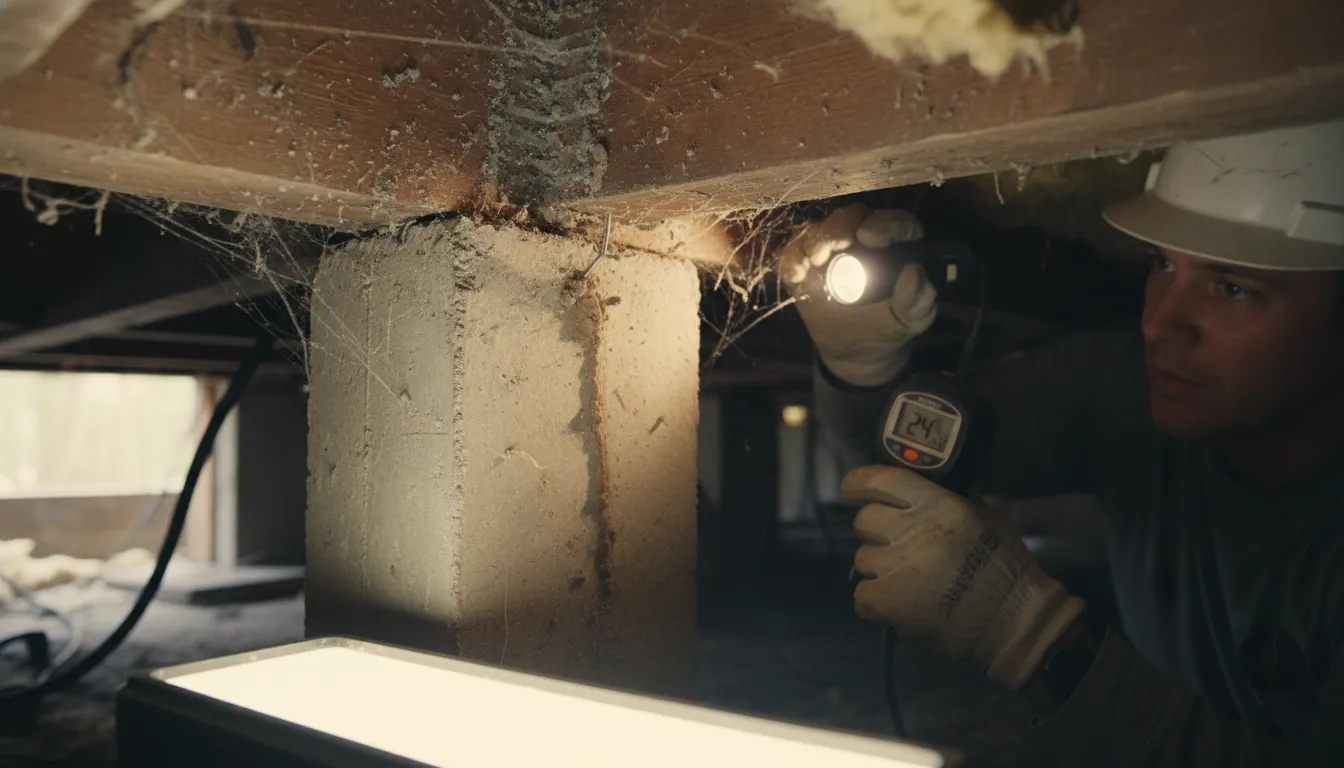
A thorough termite evaluation is a systematic process. A certified inspector will conduct a detailed visual assessment of both the exterior and interior of your property, focusing on areas where termites are most likely to thrive.
Exterior Inspection Points:
- Foundation and Siding: The inspector will look for mud tubes (a telltale sign of subterranean termites), cracks, and damaged wood along the foundation and siding.
- Roofline and Eaves: These areas are checked for damage, especially from drywood termites that can enter through attic vents.
- Wood-to-Soil Contact: Any direct contact between structural wood (like porch posts, deck ledgers, or stair stringers) and soil is noted as a major conducive condition.
- Landscaping and Trees: Inspectors examine nearby trees, stumps, and mulch beds for signs of termite activity that could spread to the home.
Interior Inspection Points:
- Attics and Crawlspaces: These dark, often humid spaces are prime targets. Inspectors look for frass, damaged wood, and mud tubes on joists and rafters.
- Basements and Sub-areas: Moisture is a key attractant, so these areas are scrutinized for signs of water damage and termite activity 1.
- Windows, Doors, and Baseboards: Inspectors tap on wood trim and frames, listening for a hollow sound that may indicate internal damage.
- Bathrooms and Under Sinks: Areas prone to moisture leaks are carefully examined for both termite signs and the damp conditions that attract them 2.
Key Signs of Termite Activity
Knowing what inspectors are looking for can help you be proactive. Here are the most common indicators of a termite problem:
- Mud Tubes: Pencil-sized tunnels made of soil and saliva on foundations, walls, or in crawlspaces. These are the highways for subterranean termites.
- Frass: Small, hard, pellet-like droppings that drywood termites push out of their galleries. These often accumulate in small piles below kick-out holes.
- Discarded Wings: Swarmers (reproductive termites) shed their wings after finding a mate. Piles of tiny, identical wings near windowsills or doors are a common sign of a nearby colony 3.
- Damaged Wood: Wood that sounds hollow when tapped, appears blistered or darkened, or has maze-like patterns etched inside is likely compromised.
- Blistered or Peeling Paint: This can sometimes indicate moisture buildup from termite activity within the wall.
Understanding Termite Inspection Costs in Corona
The price of a termite assessment in Corona can vary based on the size of your home, the complexity of the property, and the type of report needed. Generally, you can expect the following ranges:
- Basic Inspection: For a standard-sized single-family home, a visual inspection typically costs between $100 and $150.
- Large or Complex Properties: Homes over a certain square footage, those with multiple stories, or properties with extensive landscaping and outbuildings may see prices ranging from $150 to $225 or more.
- Escrow (WDO) Inspection Report: If you are buying or selling a home, a formal Wood Destroying Organism report, which is often required for real estate transactions, may add an additional $75 to $100 to the basic inspection fee for the official documentation 4.
It's important to note that the inspection cost is separate from any recommended treatment. The inspector will provide a treatment plan and estimate if active termites or damage are found, with treatment costs varying widely based on the method and extent of the infestation.
Find the perfect termite inspection companies for your needs
Get personalized recommendations and expert advice
Deciphering the Inspection Report
After the evaluation, you will receive a detailed report, often following a standard California form that divides findings into key sections. Understanding this report is crucial.
- Section 1: Active Infestation or Damage: This section lists areas where the inspector found clear evidence of live termites or observable damage caused by wood-destroying organisms. Any findings here typically require treatment or repair to satisfy most lenders during a real estate transaction.
- Section 2: Conducive Conditions: These are issues that do not currently show active infestation but could lead to one in the future. Common examples include excessive moisture from a leaky pipe, earth-to-wood contact, or dense vegetation against the house. Addressing these conditions is key to long-term prevention.
- Section 3: Further Inspection Areas: This notes sections of the property that were inaccessible during the inspection (e.g., a locked storage room, a buried crawlspace access) and therefore could not be visually assessed.
A quality report will include photos of findings, a diagram mapping their locations, and a clear recommendation for next steps, whether that's treatment, repairs, or simply monitoring 5 6.
The Two Main Termite Threats in Corona
Corona homeowners should be specifically aware of the two prevalent species:
- Subterranean Termites: The most destructive species in the U.S. They require contact with soil moisture and build the characteristic mud tubes for protection as they travel. They often enter homes through cracks in the foundation 7 8 9.
- Drywood Termites: These termites infest dry, sound wood and do not need soil contact. They are often introduced into homes via infested furniture or firewood and can be found in attics, window frames, and door frames. Their presence is usually betrayed by piles of frass 10 11.
Proactive Prevention Tips for Homeowners
While professional inspections are vital, you can take steps to make your property less attractive to termites:
- Eliminate Moisture: Fix leaky faucets, water pipes, and AC units. Ensure downspouts direct water away from the foundation and that your yard has proper drainage.
- Remove Wood-to-Soil Contact: Keep mulch, firewood, and lumber piles at least several inches away from your home's foundation. Ensure soil levels are below any wooden siding.
- Ventilate Crawlspaces: Reduce humidity in sub-areas by ensuring vents are clear and functional.
- Seal Entry Points: Caulk cracks and crevices in the foundation and around utility lines where termites could enter.
Frequently asked questions
Sources
Footnotes
-
What Does A Termite Inspector Look For? - AG Pest Control - https://www.agpest.com/what-does-a-termite-inspector-look-for/ ↩
-
Full Guide to Professional Termite Inspections for Home Inspectors - https://www.homegauge.com/learning/home-inspectors-termites/ ↩
-
Termite inspection: How it works - Western Exterminator - https://www.westernexterminator.com/termite-control/termite-inspection ↩
-
California Termite Inspection: Sections 1-3 Explained - https://www.usrealtytraining.com/blogs/termite-inspection-real-estate ↩
-
Complete Guide to Termite Inspection in Los Angeles - https://www.termikepestcontrol.com/post/termitei-nspection-los-angeles ↩
-
How Much Does A Termite Inspection Cost? - Forbes Home - https://www.forbes.com/home-improvement/pest-control/termite-inspection-cost/ ↩
-
Termite Control in Corona, CA | Pest Control Services - https://coronatermite.com/ ↩
-
Termite Information & Resources: The Full Guide to ... - Ehrlich Pest Control - https://www.jcehrlich.com/pest-insights/termites ↩
-
Termite Control in California - https://www.westernexterminator.com/local-branches/california/termites ↩
-
Species of Termites Found in California - https://www.mightymitetermite.com/blog/species-of-termites-found-in-california/ ↩
-
Why Regular Termite Inspections Are Essential for Homeowners - https://www.inspectmyhome.com.au/blog/why-regular-termite-inspections-are-essential-for-australian-homeowners/ ↩