Find the Best Termite Inspection Companies for Your Business
No obligation • Fast responses • Nationwide coverage

Why you can trust Pest Crews
Pest Crews is a leading U.S. resource for finding and evaluating residential and commercial pest control services. Our team researches providers, reviews treatment approaches, and organizes unbiased information to help you make informed decisions. Companies cannot pay to change our editorial content or influence how they appear.
Search providers near you
Top Termite Inspection Companies in Costa Mesa, California Ranked
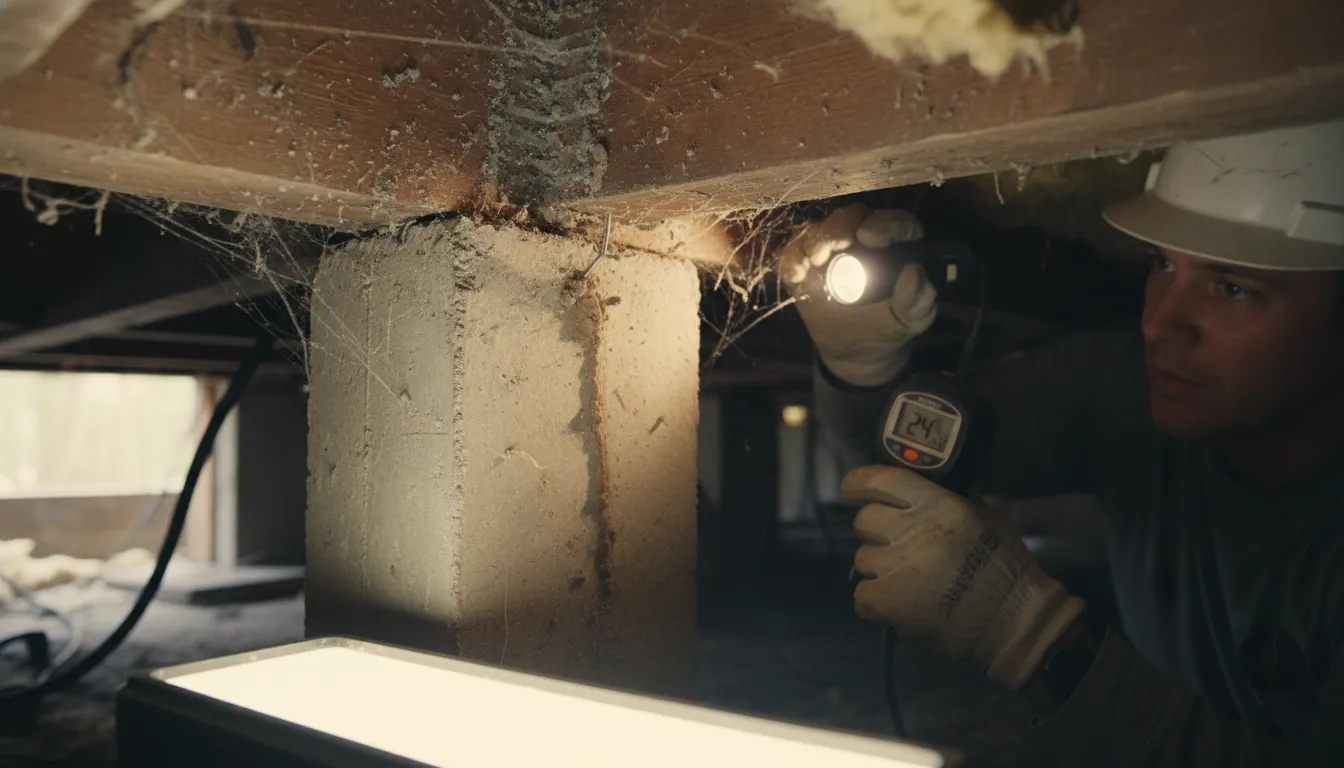
A termite inspection is a specialized evaluation of a property to detect the presence, damage, or conditions conducive to wood-destroying pests like termites. In Costa Mesa, this service is critical due to the region's susceptibility to both subterranean and drywood termite species, which can cause significant structural damage if left unchecked. This guide explains what a termite inspection entails, why it's essential for homeowners and buyers, and how you can find qualified local professionals to assess your property.
HomeShield Pest Control
701 E Ball Rd, Anaheim, CA 92805
HomeShield Pest Control offers eco-friendly pest control services in Irvine, CA, specializing in treatments for bed bugs, cockroaches, ants, rodents, termites, and mosquitoes. They provide both residential and commercial pest management using green pesticide solutions from EcoSMART. HomeShield is locally owned and focuses on safe, child- and pet-friendly pest control methods. Their service areas include multiple regions across California and South Florida. The company emphasizes a professional and ethical approach to pest control, backed by a 100% service satisfaction guarantee and unlimited maintenance visits between scheduled services.
HomeShield Pest Control
2340 E Artesia Blvd, Long Beach, CA 90805
HomeShield Pest Control offers eco-friendly pest control services in Los Angeles, CA, specializing in residential and commercial pest management. Their services include bed bug treatment, rodent control, termite inspections, and mosquito control, using green products from EcoSMART. The company emphasizes safe, child- and pet-friendly solutions and provides a 100% service satisfaction guarantee with unlimited maintenance calls. HomeShield serves a broad area including Sacramento, the Bay Area, Orange County, San Diego, the Inland Empire, and South Florida.
HomeShield Pest Control
850 E Parkridge Ave STE 113, Corona, CA 92879
HomeShield Pest Control offers eco-friendly pest control services in Irvine, CA, focusing on child and pet-safe solutions. They provide a range of services including home and commercial pest control, rodent and termite control, bed bug treatment, and mosquito control. HomeShield uses green pesticide products from EcoSMART, known for their 100% green insecticides. The company serves multiple regions including Orange County and the Inland Empire. They emphasize a professional and ethical approach to pest management and back their work with a 100% satisfaction guarantee and unlimited maintenance calls between scheduled services.
HomeShield Pest Control
31601 Coast Hwy, Laguna Beach, CA 92651
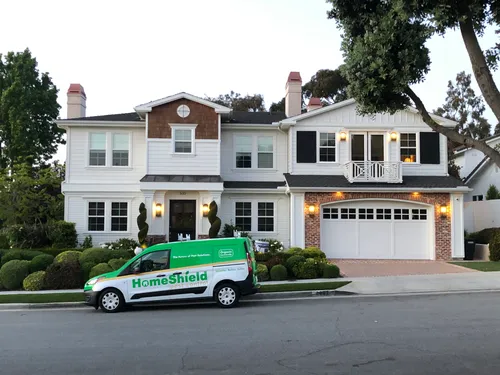
HomeShield Pest Control offers eco-friendly pest control services in Irvine, CA, focusing on child and pet-safe solutions. They handle a variety of pests including rodents, termites, bed bugs, mosquitoes, ants, and cockroaches for both residential and commercial properties. The company uses green products from EcoSMART, known for their 100% green insecticide, and provides unlimited maintenance visits between scheduled services. HomeShield serves multiple regions including Orange County and emphasizes a responsible and ethical approach to pest management.
Preventive Pest Control
26060 Acero #204, Mission Viejo, CA 92691
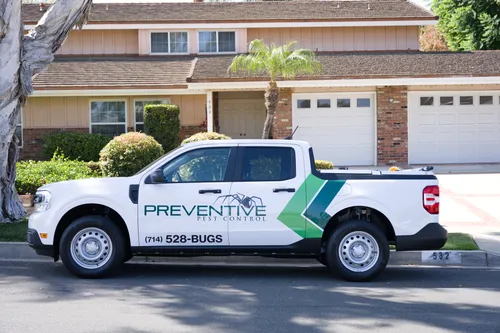
Preventive Pest Control is a pest control company serving Irvine, CA, and nearby communities. With over 20 years of experience, they offer a wide range of services including termite inspection and treatment, ant and spider control, rodent removal, mosquito management, and wasp nest removal. Their team uses safe and effective methods tailored to both residential and commercial properties to manage and prevent pest infestations. Preventive Pest Control is known for thorough termite inspections and customized treatment plans that help protect properties from damage and recurring pest issues.
Why Termite Inspections Are Essential in Costa Mesa
Living in coastal Southern California means your home is in a prime environment for termites. The moderate climate and, in some areas, soil moisture create ideal conditions for these pests to thrive. A professional termite inspection is your first line of defense, identifying not only active infestations but also potential risk factors that could lead to future problems. For anyone involved in a real estate transaction in Orange County, a formal termite report is often a mandatory part of the escrow process, providing clarity and protection for both buyers and sellers 1.
Without regular pest inspections, termite damage can go unnoticed for years, as these insects often consume wood from the inside out. The cost of repairing structural damage far exceeds the cost of a routine inspection and any subsequent preventative treatment. For Costa Mesa residents, scheduling an inspection is a proactive step in preserving your home's value and integrity.
The Two Main Termite Threats in Costa Mesa
Local inspectors are trained to look for two primary types of termites, each with distinct behaviors and signs.
Subterranean Termites These termites live in the soil and build mud tubes to travel to their food source-the wood in your home. They are attracted to moisture and are often found where wood contacts soil or in areas with plumbing leaks or poor drainage. Subterranean termite colonies can be very large and cause extensive damage to structural timbers, flooring, and even wallpaper 2.
Drywood Termites Unlike their subterranean cousins, drywood termites infest dry, sound wood and do not require contact with soil. They are often introduced into homes via infested furniture or firewood and can establish colonies in attics, window frames, and door frames. A key sign of a drywood termite infestation is the presence of small, hard, pellet-like droppings known as frass 3.
What Inspectors Look For: Key Signs and Risk Areas
During a termite evaluation, a certified inspector conducts a meticulous visual examination of your property, inside and out. They are trained to identify both clear evidence of activity and conditions that could attract termites.
Direct Evidence of Termites:
- Mud Tubes: Pencil-sized tunnels made of soil and saliva on foundation walls, piers, sill plates, or in crawl spaces are a telltale sign of subterranean termites.
- Frass: Piles of tiny, wood-colored pellets (drywood termite droppings) often found near kick-out holes in infested wood4.
- Damaged Wood: Wood that sounds hollow when tapped, appears blistered or darkened, or is easily pierced by a probe or screwdriver.
- Discarded Wings: Swarmers (reproductive termites) shed their wings after finding a mate. Piles of small, identical wings near windowsills or light sources indicate a nearby colony.
Conducive Conditions (Section 2 Items): Inspectors also note issues that don't represent active infestation but could lead to one. In formal reports, these are often categorized as "Section 2" items. They include 5:
- Wood-to-Soil Contact: Any structural wood, like fence posts, deck supports, or siding, touching the soil.
- Excessive Moisture: Plumbing leaks, faulty grading, clogged gutters, or poor ventilation in crawl spaces.
- Cellulose Debris: Wood piles, tree stumps, or form boards left in contact with the foundation.
- Cracks in Foundation: Openings that could allow termites easy access.
Find the perfect termite inspection companies for your needs
Get personalized recommendations and expert advice
The Termite Inspection Process: Step-by-Step
Understanding what happens during a termite assessment can help you prepare and know what to expect.
1. Scheduling and Preparation When you book an inspection, you may be asked about your property's square footage, age, and any known concerns. To facilitate a thorough inspection, ensure the inspector has clear access to attics, crawl spaces, garages, and the perimeter of your home. Moving stored items away from foundation walls is helpful.
2. The On-Site Visual Examination The inspector will spend a significant amount of time conducting a visual check of all accessible areas. This includes6:
- Exterior: Foundation, siding, eaves, window and door frames, decks, patios, and landscaping.
- Interior: Basements, crawl spaces, attics, along baseboards, and in cabinets, especially under sinks and around plumbing fixtures.
- Structural Elements: Beams, joists, sill plates, and subflooring.
3. Use of Specialized Tools While a visual check is primary, inspectors often use tools to aid their diagnosis:
- Moisture Meter: Detects elevated moisture levels in wood, a key attractant for subterranean termites7 8.
- Probe or Pick: A tool to test wood for softness and hollow spots indicative of internal damage.
- Flashlight and Mirror: For illuminating and viewing dark, cramped spaces.
- Thermal Imaging Camera: Some advanced inspectors use infrared cameras to detect temperature differences that may signal moisture or pest activity behind walls9.
4. Report Generation and Review After the inspection, you will receive a detailed written report. For real estate transactions, this is typically a NPMA-33 or NPCA-1 form that breaks findings into clear sections 10:
- Section 1: Items that contain active infestation or visible damage from wood-destroying organisms. These items typically must be corrected before a loan can be funded.
- Section 2: Items that are conducive conditions for future infestation (e.g., wood-soil contact, excessive moisture). Correction may be recommended or required.
- Section 3: Items that were not inspected (e.g., areas blocked by furniture, locked rooms).
The inspector will review the report with you, explaining any findings and recommending next steps, which could range from monitoring to immediate treatment.
Understanding Termite Inspection Costs in Costa Mesa
The price of a termite inspection in Costa Mesa depends on the size of your home and the type of report needed.
- Standard Visual Inspection: For a typical single-family home (up to 2,500 sq. ft.), a basic inspection typically costs between $100 and $150 11. This includes the inspector's time and a basic findings report.
- Official Escrow/Real Estate Report: If you need the formal Section 1/Section 2 report for a home sale or purchase, expect to pay an additional $75 to $100+ on top of the inspection fee, bringing the total to roughly $175-$25012.
- Additional Services: If treatment is needed, costs are separate and vary widely. Localized treatments for a small drywood colony may start around $250-$700, while a whole-structure fumigation (tenting) for a severe infestation can range from $1,200 to $2,500 or more, depending on home size13.
It's important to get any pricing for inspections and potential treatments in writing before work begins.
Choosing a Provider for Your Termite Inspection
Selecting a qualified professional is crucial. Look for a company with:
- Proper Licensing: Ensure the company is licensed by the California Structural Pest Control Board (SPCB). You can verify a license online.
- Experience with Local Pests: Choose a provider familiar with both drywood and subterranean termites common to the Costa Mesa area.
- Detailed Reporting: They should provide a clear, comprehensive written report, not just a verbal summary.
- Good Reputation: Check online reviews and ask for references to gauge reliability and customer service.
Frequently asked questions
Sources
Footnotes
-
Buyers and Sellers: What to expect from a pest inspection? - https://nahingroup.com/buyers-and-sellers-what-to-expect-from-a-pest-inspection/ ↩
-
Subterranean and Other Termites / Home and Landscape / ... - UC IPM - https://ipm.ucanr.edu/home-and-landscape/subterranean-and-other-termites/ ↩
-
Termites - Structural Pest Control Board - https://www.pestboard.ca.gov/forms/termites.pdf ↩
-
Complete Guide to Termite Inspection in Los Angeles - https://www.termikepestcontrol.com/post/termitei-nspection-los-angeles ↩
-
8 Key Areas in Your Home to Check During a Termite Inspection - https://cleardefensepest.com/termite-inspection-checklist/ ↩
-
What Happens During a Termite Inspection - Terminix - https://www.terminix.com/termite-control/inspection/ ↩
-
What To Expect From Your Upcoming Home Termite Inspection - https://calprogroup.com/blog/what-to-expect-from-your-upcoming-home-termite-inspection/ ↩
-
Termites and real estate inspections - Clark Pest Control - https://www.clarkpest.com/residential-service-blog-old/termites-and-real-estate-inspections ↩
-
Termite Inspection & Control in Southern California - https://caloakstermite.com/termite-control-southern-california/ ↩
-
Complete Guide to Termite Inspection for Home Purchase - https://bettertermite.com/termite-inspection-for-home-purchase/ ↩
-
How Much Does a Termite Inspection Cost? - https://patriotinspect.com/how-much-does-a-termite-inspection-cost/ ↩
-
California Termite Inspection: Sections 1-3 Explained - https://www.usrealtytraining.com/blogs/termite-inspection-real-estate ↩
-
Termite Inspections for Homebuyers: Requirements & Costs - https://www.freedommortgage.com/learning-center/articles/termite-inspection-home-purchase ↩