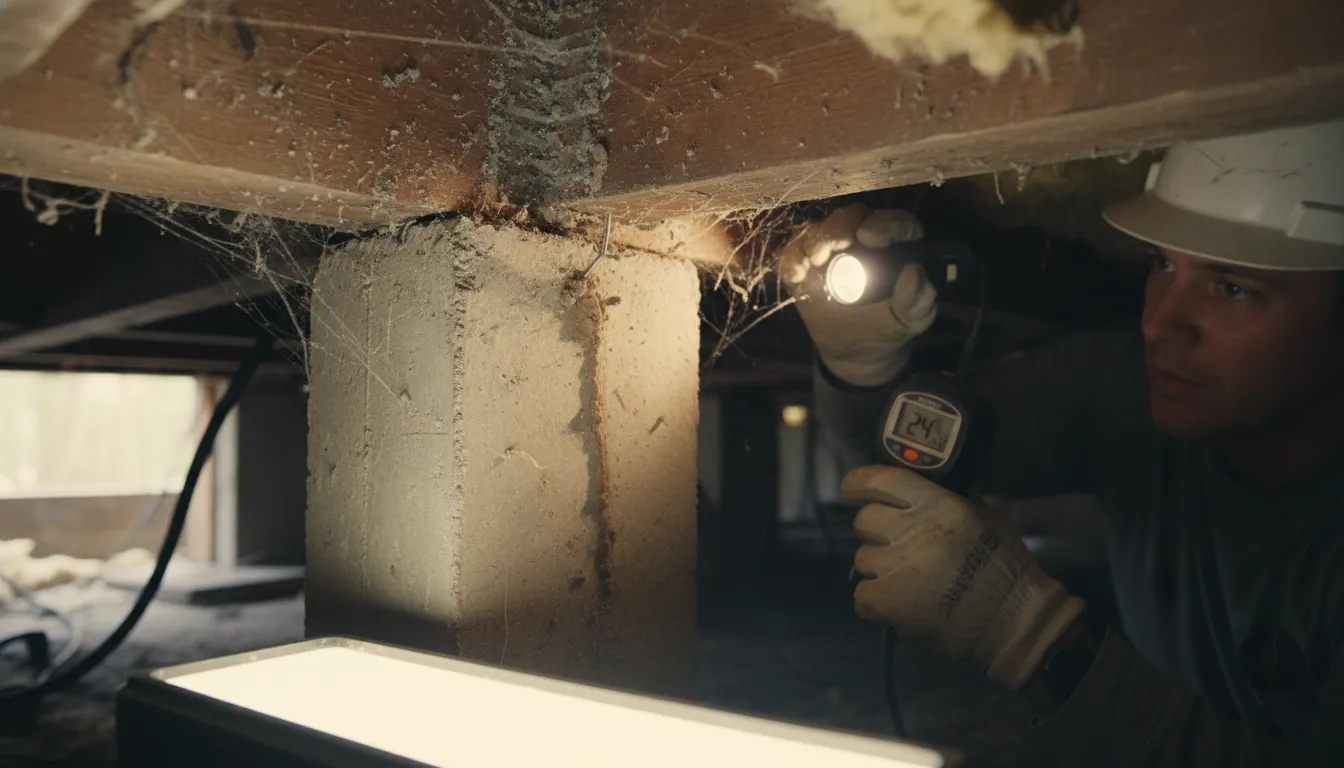
Find the Best Termite Inspection Companies for Your Business
No obligation • Fast responses • Nationwide coverage

Why you can trust Pest Crews
Pest Crews is a leading U.S. resource for finding and evaluating residential and commercial pest control services. Our team researches providers, reviews treatment approaches, and organizes unbiased information to help you make informed decisions. Companies cannot pay to change our editorial content or influence how they appear.
Search providers near you
Top Termite Inspection Companies in Delano, California Ranked
A termite inspection is a specialized assessment of your property to detect the presence, activity, or damage caused by wood-destroying organisms. In a region like Delano, where termites are a persistent threat, this service is critical for protecting your largest investment-your home. Whether you're buying a home, selling one, or simply being a proactive homeowner, understanding the local termite inspection process helps you identify qualified professionals and know what to expect from a thorough evaluation.
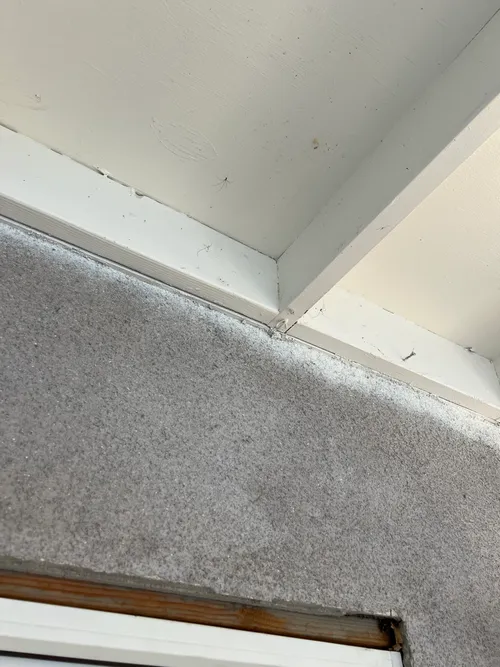
White Knight Pest Services
4300 Easton Dr Suite 23, Bakersfield, CA 93309
White Knight Pest Services provides residential and commercial pest control solutions in Bakersfield, CA, and across several states including Texas, Oklahoma, Arizona, Colorado, Nevada, Utah, Alabama, and Minnesota. The company offers treatments for bed bugs, cockroaches, ants, termites, mosquitoes, and general pest control. They specialize in termite inspections and comprehensive treatments, as well as mosquito control services. Established in 2006, White Knight Pest Services has over a decade of experience in the pest control industry and guarantees follow-up visits within 24-48 hours if needed at no extra charge.

Terminix
2409 Calloway Dr, Bakersfield, CA 93312
Terminix provides pest control services in Bakersfield, CA, addressing common local pests such as ants, spiders, termites, bed bugs, roaches, and rodents. Their offerings include interior and exterior pest inspections, termite control with continuous protection systems, and wildlife removal. Terminix is equipped to handle bed bug infestations and termite damage prevention, backed by guarantees that cover retreatment and repair of termite damage. The Bakersfield team is familiar with seasonal pest patterns and delivers customized plans to protect homes in the area. They serve a wide range of nearby communities, ensuring comprehensive pest management across the region.

Western Exterminator
3501 Pegasus Dr, Bakersfield, CA 93308
Western Exterminator provides pest control services in Bakersfield, CA, specializing in both residential and commercial pest management. They offer customized treatment plans using Integrated Pest Management to address common pests such as ants, termites, cockroaches, rodents, flies, and spiders. With over 100 years of experience, their local technicians understand the unique pest challenges in the Central Valley and deliver tailored solutions to protect homes and businesses. Their services include termite inspections, rodent control, and specialized treatments for sectors like food processing and healthcare.
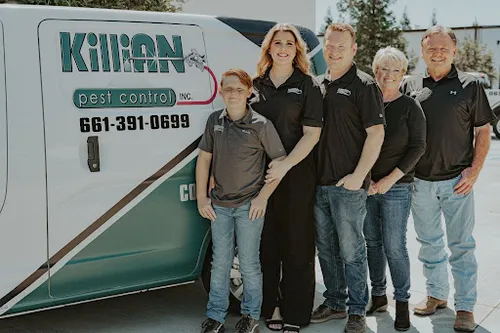
Killian Pest Control
2311 Perseus Ct, Bakersfield, CA 93308
Killian Pest Control is a pest control company based in Bakersfield, CA. They offer services for a wide range of pests including bed bugs, cockroaches, ants, rodents, termites, bees, and wasps. Their licensed experts provide a free over-the-phone consultation to help identify problem areas and assess pest severity, covering various common household and commercial pests.
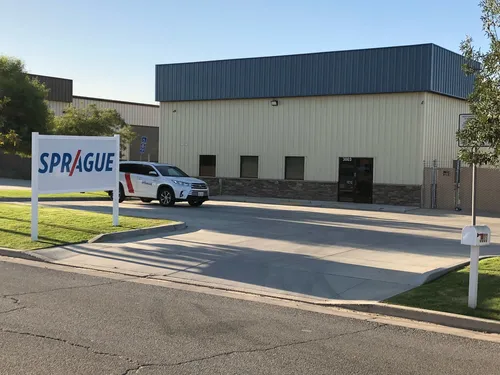
Sprague Pest Solutions
3003 Petrol Rd, Bakersfield, CA 93308
Sprague Pest Solutions provides comprehensive pest management services in Bakersfield, CA. They specialize in commercial pest control, offering tailored programs for rodent, ant, cockroach, bed bug, termite, mosquito, bird, and scorpion control. Their approach includes advanced, science-based solutions and technology such as barcode-scanned devices and online reporting to manage pests at every stage of their life cycle and entry points. Sprague Pest Solutions is LEED certified and offers green and organic options, ensuring compliance with government standards. The company emphasizes continuous monitoring and prevention to protect business operations. They also provide 24/7 online client access for service management and alerts.
Why Termite Inspections Are Essential in Delano
The Central Valley's climate provides an ideal environment for several types of termites to thrive. These pests can cause significant structural damage, often going unnoticed until repairs become extensive and costly. A professional termite inspection, sometimes called a wood-destroying organism (WDO) inspection, is your first line of defense. It provides a clear picture of your property's condition, identifying not just active infestations but also conditions that could attract future problems. For homeowners, it's a tool for preventative maintenance. For buyers and sellers, it's a standard and often required part of real estate transactions in California.
Types of Termites Found in Delano
Knowing your enemy is half the battle. Inspectors in Delano are trained to look for three primary species, each with distinct behaviors and signs.
- Subterranean Termites: These are the most damaging species in California. They live in underground colonies and build mud tubes to travel between their nest and food sources. They work much faster than drywood termites and can cause severe structural damage in a relatively short time.
- Drywood Termites: Very common in Southern California, including the southern Central Valley, these termites infest dry wood and do not need contact with soil 1. They often swarm in the fall and can be found in attics, furniture, and framing.
- Dampwood Termites: As the name implies, these termites are attracted to wood with high moisture content, such as decaying logs, leaky roof eaves, or areas with plumbing leaks 2. They are less common in sound, dry wood.
What a Professional Inspector Looks For
A licensed termite inspector conducts a meticulous visual examination of both the interior and exterior of your property. Their goal is to identify three key things: active infestations, past damage, and conducive conditions that could lead to future problems 3.
Signs of Active Termites:
- Mud Tubes: Pencil-sized tunnels made of soil and saliva on foundation walls, piers, or in crawlspaces-a classic sign of subterranean termites.
- Frass: This is termite droppings, which resemble tiny, granular pellets or sawdust. Drywood termites push these pellets out of their galleries, often accumulating on windowsills or below infested wood.
- Discarded Wings: After swarming, reproductive termites shed their wings. Piles of small, identical wings near doors, windows, or light sources are a telltale sign.
- Blistered or Peeling Paint: This can indicate moisture buildup from termite activity within the wood.
Evidence of Termite Damage:
- Wood that sounds hollow when tapped.
- Damaged or crumbling baseboards, window frames, or door frames.
- Maze-like patterns or galleries inside wood that is probed or opened.
Conducive Conditions:
- Moisture Issues: Leaky pipes, faulty irrigation, poor drainage, or clogged gutters that keep wood damp.
- Wood-to-Soil Contact: Any structural wood, like siding or posts, making direct contact with the soil.
- Cracks and Crevices: Gaps in the foundation or around utility lines that provide easy access.
- Exposed Wood: Untreated wood in crawlspaces, attics, or on the exterior of the home 4.
The Inspection Process: Step-by-Step
Understanding what happens during the inspection can help you prepare and know what to expect from your service provider.
- Scheduling and Preparation: You'll schedule an appointment with a licensed inspector. To facilitate a thorough check, you may be asked to clear access to areas like the attic, crawlspace, garage, and interior walls.
- On-Site Examination: The inspector will spend one to two hours conducting a visual assessment. They will use tools like flashlights, moisture meters, and probes to examine:
- Exterior: Foundation perimeter, siding, window and door frames, eaves, wooden fences, and decks.
- Interior: Baseboards, window sills, door frames, under sinks, and around plumbing access points.
- Sub-Areas: Attics, crawlspaces, and garages are critically examined, as these are common entry and infestation points 5.
- Documentation and Reporting: The inspector will document findings with notes and photographs. You will receive a detailed report outlining any evidence of active termites, termite damage, and conducive conditions. For real estate transactions, this is often a formal Wood-Destroying Organism (WDO) report.
Termite Inspections and Real Estate in California
In California, a termite inspection is a standard part of most real estate transactions. While not always legally required by the state, it is almost universally demanded by lenders and buyers. The resulting report is crucial for navigating the sale process.
- The WDO Report: This official document categorizes findings into "Section 1" and "Section 2" items. Section 1 items are active infestations or damage that require corrective action. Section 2 items are conditions that could lead to future infestations (like wood-to-soil contact) and are recommended for correction.
- The Clearance Letter: Once any required treatment or repairs for Section 1 items are completed, a follow-up inspection is done. If the work passes, the inspector issues a "clearance letter" or "certification of completion," which is often needed to close escrow.
- Who Typically Pays: In California real estate transactions, it is customary for the seller to pay for the initial termite inspection and the WDO report 6. The negotiation over who pays for any required treatments or repairs varies and is often outlined in the purchase agreement.
Find the perfect termite inspection companies for your needs
Get personalized recommendations and expert advice
Understanding the Cost of Termite Inspection in Delano
The cost of a termite evaluation can vary based on the size of your home, the type of report needed, and the inspection company. However, local research provides a clear general range.
- Basic Inspection: For a standard visual inspection of a single-family home, homeowners can expect to pay between $100 and $200 7. This provides a valuable assessment for routine maintenance.
- Real Estate (WDO) Inspection Report: The cost for a formal Wood-Destroying Organism report, which is required for most home sales, typically ranges from $100 to $250 8 9. This is the report that breaks findings into Section 1 and Section 2 items.
- Additional Costs: If the inspection reveals active termites (Section 1 items), the cost for treatment and repairs is separate. Additionally, obtaining a final clearance letter after treatment may involve a small re-inspection fee.
How to Prepare Your Home for an Inspection
A little preparation can help the inspection go smoothly and ensure no areas are missed. Key steps include:
- Clear stored items away from the perimeter of your garage, basement, and crawlspace access.
- Ensure the inspector has clear access to the attic hatch and that the attic space is not overly crowded.
- Move furniture and boxes away from interior walls, especially in basements and closets.
- Trim back any shrubs, vines, or plants that are touching the exterior siding or roof of your home 10.
Choosing a Qualified Inspector in Delano
Not all inspectors are the same. When selecting a professional for your termite inspection, consider the following:
- Licensing: Ensure the company and individual inspector are licensed by the California Structural Pest Control Board (SPCB).
- Experience and Reputation: Look for established local companies with positive reviews and a strong reputation for thoroughness.
- Detailed Reporting: Choose a provider known for clear, comprehensive reports with photographic evidence.
- No Conflict of Interest: Some companies that offer inspections also sell treatment plans. While this can be convenient, ensure the inspection report is unbiased. You are never obligated to use the same company for treatment.
Frequently asked questions
Sources
Footnotes
-
Species of Termites Found in California - https://www.mightymitetermite.com/blog/species-of-termites-found-in-california/ ↩
-
Termites - CatsUSA PestControl California - https://catspestcontrol.com/wps/pestlibrary/termites/ ↩
-
What Does A Termite Inspector Look For? - AG Pest Control - https://www.agpest.com/what-does-a-termite-inspector-look-for/ ↩
-
TERMITE INSPECTION INFORMATION - https://homeguard.com/wp-content/uploads/2022/05/HGInc_Termite-Inspection-flyer_2022.pdf ↩
-
What Happens During a Termite Inspection: What You Need to Know - https://ecolatermite.com/what-happens-during-a-termite-inspection-what-you-need-to-know/ ↩
-
Is A Termite Inspection Required in California? - https://eliteinspections.com/are-termite-inspections-required-in-california/ ↩
-
Complete Guide to Termite Inspection in Los Angeles - https://www.termikepestcontrol.com/post/termitei-nspection-los-angeles ↩
-
How Much Does a Termite Inspection Cost? - https://patriotinspect.com/how-much-does-a-termite-inspection-cost/ ↩
-
California Termite Inspection: Sections 1-3 Explained - https://www.usrealtytraining.com/blogs/termite-inspection-real-estate ↩
-
How to Prepare Your House for a Termite Inspection? - https://www.hitechtermite.com/articles/how-to-prepare-your-house-for-a-termite-inspection ↩