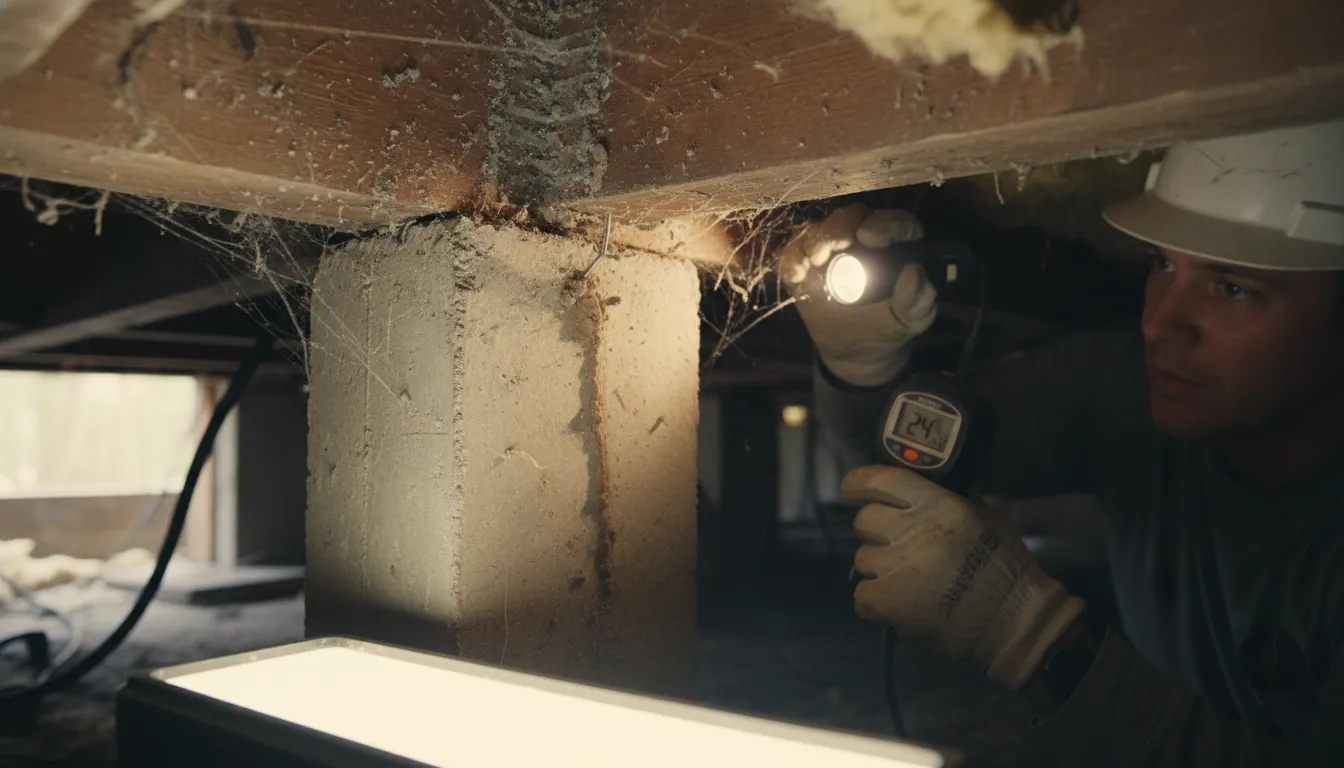
Find the Best Termite Inspection Companies for Your Business
No obligation • Fast responses • Nationwide coverage

Why you can trust Pest Crews
Pest Crews is a leading U.S. resource for finding and evaluating residential and commercial pest control services. Our team researches providers, reviews treatment approaches, and organizes unbiased information to help you make informed decisions. Companies cannot pay to change our editorial content or influence how they appear.
Search providers near you
Top Termite Inspection Companies in Hawthorne, California Ranked
A termite inspection is a specialized assessment of a property to detect the presence, activity, or damage caused by termites. In a city like Hawthorne, where specific termite species are prevalent, this service is critical for protecting your largest investment-your home-from costly structural damage. This guide explains what a thorough termite evaluation entails, what inspectors look for, and how you can connect with qualified local professionals to safeguard your property.
HomeShield Pest Control
6108 Venice Blvd., Los Angeles, CA 90034
HomeShield Pest Control offers eco-friendly pest control services in Los Angeles, CA. They specialize in residential and commercial pest management, including bed bug treatment, rodent control, termite inspections, and mosquito control. The company uses green pesticide solutions from EcoSMART, focusing on child and pet safety. HomeShield serves a broad area including Sacramento, the Bay Area, Orange County, San Diego, the Inland Empire, and South Florida. They emphasize a professional and ethical approach to pest control and provide a 100% service satisfaction guarantee with unlimited maintenance calls.
HomeShield Pest Control
701 E Ball Rd, Anaheim, CA 92805
HomeShield Pest Control offers eco-friendly pest control services in Irvine, CA, specializing in treatments for bed bugs, cockroaches, ants, rodents, termites, and mosquitoes. They provide both residential and commercial pest management using green pesticide solutions from EcoSMART. HomeShield is locally owned and focuses on safe, child- and pet-friendly pest control methods. Their service areas include multiple regions across California and South Florida. The company emphasizes a professional and ethical approach to pest control, backed by a 100% service satisfaction guarantee and unlimited maintenance visits between scheduled services.
HomeShield Pest Control
2340 E Artesia Blvd, Long Beach, CA 90805
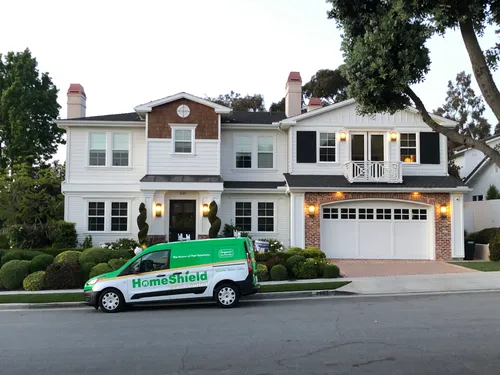
HomeShield Pest Control offers eco-friendly pest control services in Los Angeles, CA, specializing in residential and commercial pest management. Their services include bed bug treatment, rodent control, termite inspections, and mosquito control, using green products from EcoSMART. The company emphasizes safe, child- and pet-friendly solutions and provides a 100% service satisfaction guarantee with unlimited maintenance calls. HomeShield serves a broad area including Sacramento, the Bay Area, Orange County, San Diego, the Inland Empire, and South Florida.
HomeShield Pest Control
716 Yarmouth Rd Suite 208, Palos Verdes Estates, CA 90274
HomeShield Pest Control offers eco-friendly pest control services in Long Beach, CA, focusing on child and pet-safe solutions. They provide a range of services including termite control, rodent control, bed bug treatment, mosquito control, and commercial pest management. HomeShield uses green insecticides from EcoSMART and guarantees satisfaction with each visit, including unlimited maintenance calls between scheduled services. The company serves multiple regions in California and South Florida, emphasizing a responsible and ethical approach to pest control.
EcoGuard Pest Management
2901 E Miraloma Ave #5, Anaheim, CA 92806
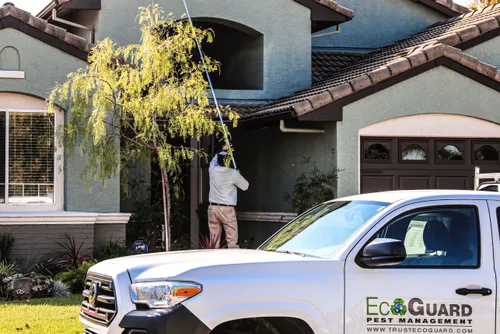
EcoGuard Pest Management is a family-owned pest control company based in Irvine, CA. They provide a range of pest management services including cockroach, ant, rodent, and termite control. Their approach emphasizes eco-friendly and natural products that are safe for children, pets, and clients. EcoGuard uses a comprehensive five-point inspection and treatment program to address pest issues effectively. Services include rodent inspection, trapping, sanitation, and exclusion, as well as termite inspection, pre-treatment, treatment, and fumigation. The company is committed to supporting the local community and prioritizes safety in all their pest control solutions.
Why Termite Inspections Are Essential in Hawthorne
Hawthorne's climate and environment make it a prime location for termite activity, particularly for drywood termites which are most prevalent in Southern California. Unlike subterranean termites, drywood termites live entirely inside the wood they consume and do not require contact with soil, allowing them to infest walls, furniture, and structural timbers directly. A professional termite assessment is the first and most important line of defense, identifying issues before they escalate into major repairs. For homeowners, this is a key part of routine maintenance. For buyers and sellers, it's often a mandatory step in the real estate transaction process to satisfy lender requirements and ensure the property is sound.
What a Professional Inspector Looks For
A certified termite inspector conducts a meticulous visual examination of your property, both inside and out, searching for telltale signs of infestation. The goal is to identify not just active termites, but also conditions conducive to them and any existing damage. The inspection is non-invasive, relying on the inspector's trained eye and tools like moisture meters and sounding tools.
Key signs of termite activity include:
- Mud Tubes: These pencil-sized tunnels are built by subterranean termites to travel between their colony in the soil and their food source (your wood) while protecting themselves from dry air. Inspectors look for them on foundation walls, in crawl spaces, and on piers.
- Frass: This is a sawdust-like material, which are the fecal droppings of drywood termites. Piles of frass, often found near kick-out holes in wood, are a clear indicator of an active drywood termite colony.
- Discarded Wings: Reproductive termites, or "swarmers," shed their wings after finding a mate and a new location to start a colony. Finding piles of identical wings near windowsills, doors, or in spider webs is a common sign of a recent swarm.
- Damaged Wood: Inspectors will probe wood that sounds hollow when tapped. Termites consume wood from the inside out, often leaving only a thin veneer of wood or paint behind. They also look for blistering or darkening of wood surfaces 1.
- Exit Holes: Small, round holes in wood are where drywood termites push out their frass. These are a definitive sign of past or present activity.
The Inspection Process: Interior and Exterior Focus
A comprehensive termite check typically takes 1 to 2 hours for an average-sized home, though larger properties will take longer. The inspector will systematically examine all accessible areas.
Exterior Inspection Points
The exterior survey forms the first part of the evaluation, looking for points of entry and conducive conditions.
- Foundation: Checking for cracks, mud tubes, and wood-to-soil contact (e.g., siding or framing too close to the ground) 2.
- Attachments: Inspecting decks, porches, fences, and stair stringers for damage or signs of activity.
- Vents and Openings: Ensuring crawl space and attic vents are clear and properly screened.
- Moisture Sources: Identifying poor drainage, leaking faucets, or faulty gutters that create the damp environment termites thrive in.
Interior Inspection Points
Inside the home, the inspector will focus on areas where termites are most likely to be active or where damage would be most consequential.
- Attic and Crawl Spaces: These are critical, hidden areas where inspectors spend significant time looking for frass, damaged wood, and mud tubes 3.
- Basements and Garages: Checking sill plates, support posts, and stored wooden items.
- Living Areas: Inspecting along baseboards, window and door frames, under sinks, and around plumbing penetrations for any signs of moisture or damage 4.
Find the perfect termite inspection companies for your needs
Get personalized recommendations and expert advice
Understanding Termite Inspection Reports and Costs in Hawthorne
After the inspection, you will receive a detailed report of the findings. In California, this is often structured around the standardized "Section 1" and "Section 2" designations, especially for real estate transactions.
- Section 1 Items: These are areas where active termite infestation, fungus, or dry rot is visibly confirmed. These items typically require corrective treatment before a sale can close.
- Section 2 Items: These are conditions deemed likely to lead to a future infestation, such as excessive moisture, earth-to-wood contact, or debris in the sub-area. These are recommendations for repair to prevent future problems.
Understanding the cost structure for these services in Hawthorne helps in planning. Pricing is generally based on the size of the home and the type of report needed.
- Basic Visual Inspection: For a typical home under 2,500 square feet, a standard inspection ranges from $100 to $150. This provides a verbal or simple written summary of findings.
- Official Report for Escrow: If you need a formal report (a "Section 1" clearance) for a real estate transaction, expect to pay an additional $75 to $100 on top of the inspection fee.
- Localized Treatment: If active termites are found in a limited area, spot treatment may start around $250 to $700, depending on the extent and method required 5.
The Two Main Termite Threats in Hawthorne
Knowing your enemy is half the battle. Hawthorne properties face two primary types of termites, each requiring different detection and treatment approaches.
Drywood Termites: As mentioned, these are the most common threat in Southern California cities like Hawthorne 6. They establish small colonies inside single pieces of wood (like a wall stud or furniture leg) and do not need soil contact. Signs are often subtle-frass piles inside the home-making professional inspections vital for early detection.
Subterranean Termites: While also common, these termites require contact with the soil to maintain moisture. They build the characteristic mud tubes to travel and can cause rapid, severe damage. Inspectors pay close attention to the foundation, crawl space, and any wood in contact with soil to find them 7 8.
How to Prepare for Your Termite Inspection
To ensure the inspector can perform a thorough and efficient evaluation, a little preparation is helpful.
- Clear Access: Move boxes, stored items, and furniture away from perimeter walls, especially in garages, basements, and closets. Ensure the inspector has clear access to the attic hatch and crawl space entrance 9.
- Trim Vegetation: Cut back shrubs, vines, and tree branches that are touching the house exterior to allow for a clear view of the foundation and siding.
- Address Moisture: Fix any obvious leaks from faucets or irrigation systems before the inspection.
- Move Firewood: Relocate any firewood or lumber piles stored against the house to at least 20 feet away.
Taking these steps not only facilitates a smoother inspection but also helps eliminate some of the very conditions the inspector will be noting as potential risks.
Frequently asked questions
Sources
Footnotes
-
What Does a Termite Inspector Look For? A Complete Guide for ... - https://www.housebuyersofamerica.com/blog/what-does-a-termite-inspector-look-for ↩
-
What Does a Termite Inspector Look For? - Orkin - https://www.orkin.com/pests/termites/what-a-termite-inspector-does ↩
-
Complete Guide to Termite Inspection for Home Purchase - https://bettertermite.com/termite-inspection-for-home-purchase/ ↩
-
What Does A Termite Inspector Look For? - AG Pest Control - https://www.agpest.com/what-does-a-termite-inspector-look-for/ ↩
-
California Termite Inspection: Sections 1-3 Explained - https://www.usrealtytraining.com/blogs/termite-inspection-real-estate ↩
-
Termites and Southern California - https://ecolatermite.com/termites-and-southern-california/ ↩
-
Free Termite Inspection Orange County - https://naturalscienceexterminating.com/termite-inspection/ ↩
-
Termites - CatsUSA PestControl California - https://catspestcontrol.com/wps/pestlibrary/termites/ ↩
-
How to Prepare Your House for a Termite Inspection? - https://www.hitechtermite.com/articles/how-to-prepare-your-house-for-a-termite-inspection ↩