Find the Best Termite Inspection Companies for Your Business
No obligation • Fast responses • Nationwide coverage

Why you can trust Pest Crews
Pest Crews is a leading U.S. resource for finding and evaluating residential and commercial pest control services. Our team researches providers, reviews treatment approaches, and organizes unbiased information to help you make informed decisions. Companies cannot pay to change our editorial content or influence how they appear.
Search providers near you
Top Termite Inspection Companies in Lodi, California Ranked
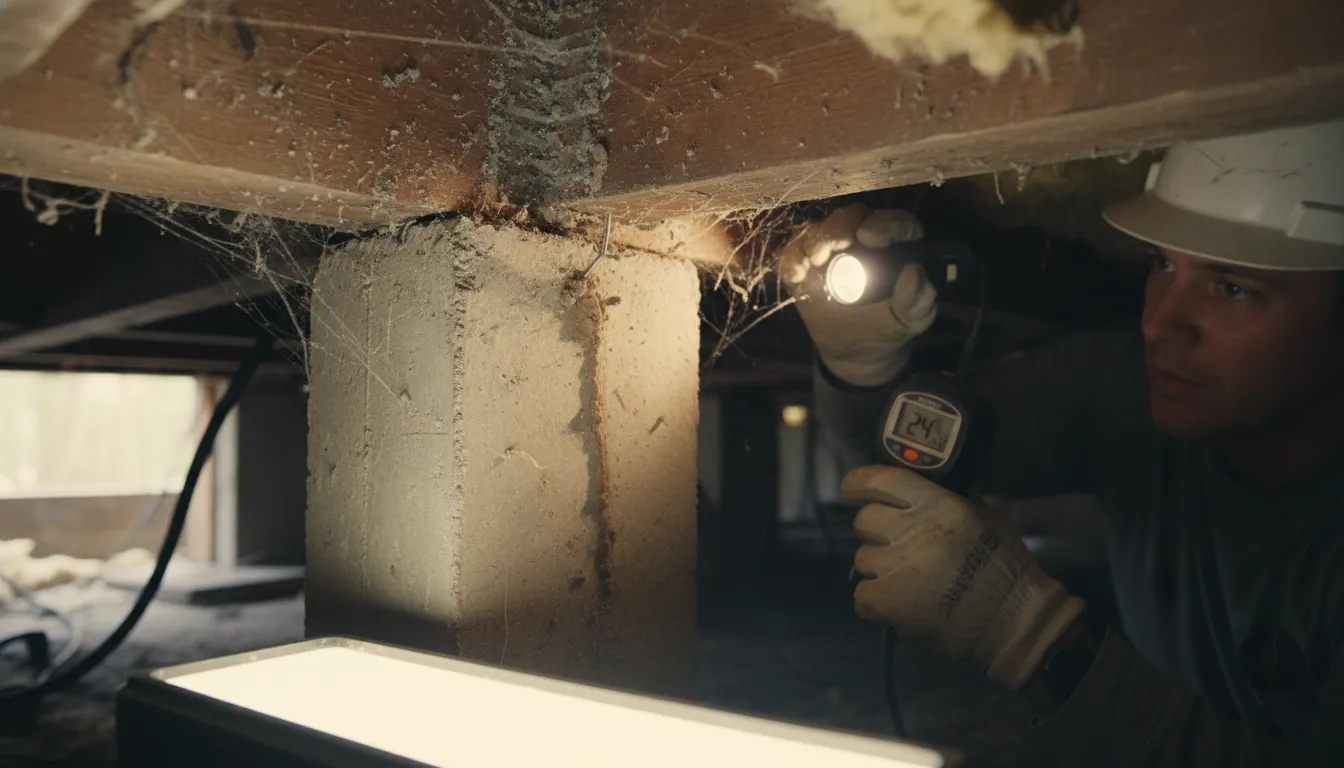
A termite inspection is a specialized assessment of a property to detect the presence or evidence of wood-destroying organisms like termites, fungus, and dry rot. This service is critical for protecting your home, as termites can cause significant structural damage that is often hidden from view. For Lodi homeowners and buyers, using this guide can help you understand the process and connect with qualified local professionals to safeguard your investment.
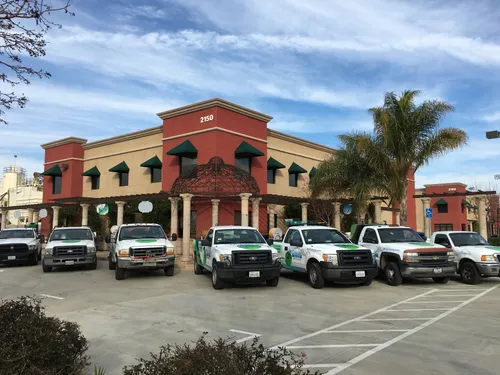
McCauley Agricultural & Pest Control
2150 Elkins Way Ste 205, Brentwood, CA 94513
McCauley Agricultural & Pest Control is a family-owned pest control company based near Oakland, CA, serving residential, commercial, and agricultural clients throughout the East Bay Area and Central Valley. They provide a range of services including termite inspection and control, wildlife removal, weed abatement, turf care, and ornamental plant services. With over 35 years of combined experience, McCauley uses advanced and eco-friendly materials to address pest and plant health issues.
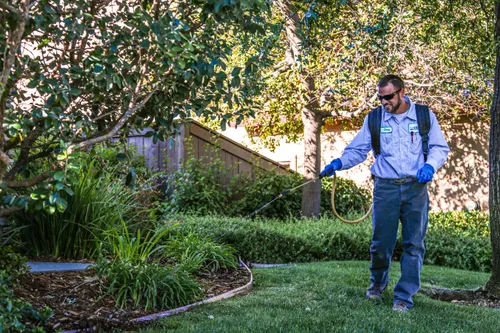
EcoGuard Pest Management
Stockton, CA
EcoGuard Pest Management is a family-owned pest control company based in Stockton, CA. They provide a range of pest management services including cockroach, ant, rodent control, and termite inspections. Their approach emphasizes eco-friendly products that are safe for children, pets, and clients. EcoGuard uses a comprehensive five-point inspection and treatment program to address pest issues effectively. Services include rodent inspection, trapping, sanitation, and exclusion, as well as termite inspection, pre-treatment, treatment, and fumigation. The company supports natural pest control solutions and focuses on community well-being.
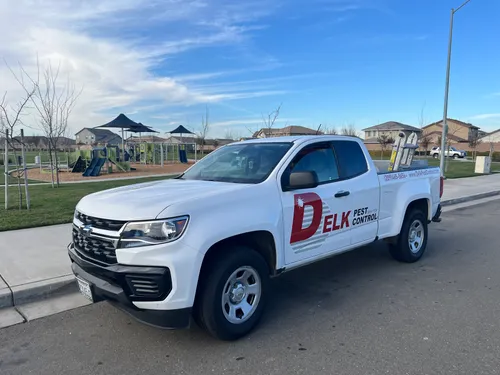
Delk Pest Control
710 Beckman Rd B, Lodi, CA 95240
Delk Pest Control is a pest control company serving Stockton, CA, and surrounding areas in the Central Valley. Established in 1934 originally as a termite control company, it has expanded its services to include treatment for bed bugs, cockroaches, ants, rodents, and general pest control for both residential and commercial properties. The company offers licensed technicians who can identify and manage various pest infestations using environmentally conscious methods. With a history spanning over 85 years and now led by the third generation of the Delk family, the company continues to adapt its services to meet customer needs.
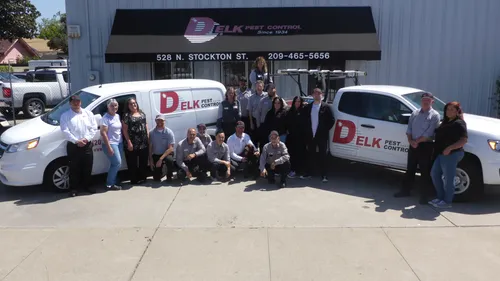
Delk Pest Control
528 N Stockton St, Stockton, CA 95203
Delk Pest Control is a pest control company based in Stockton, CA, with a history dating back to 1934 when it began as a termite control company. Over the years, it expanded its services to include general pest control for both residential and commercial customers throughout the Central Valley. The company handles pests such as termites, bed bugs, cockroaches, rodents, and ants, offering professional identification and control by licensed technicians. Delk Pest Control also emphasizes environmentally conscious methods in its pest management approach.
Barrier Pest Solutions
7228 Simon St, Sacramento, CA 95828
Barrier Pest Solutions is a pest control company based in Sacramento, CA, offering services for a wide range of pests including ants, roaches, rodents, termites, and stinging insects. They provide termite inspections, rodent control with proofing to seal entry points, and bee and wasp removal. The company emphasizes family-friendly treatments and ongoing monitoring to protect homes from infestations. Barrier Pest Solutions also guarantees re-treatment if pests persist between scheduled services.
Why Termite Inspections Are Essential in Lodi
The warm, dry climate of California's Central Valley, combined with common irrigation and potential moisture issues in older homes, creates an ideal environment for termites. These pests work silently, often for years, before visible signs of damage appear. A professional termite inspection is your first line of defense, identifying not only active infestations but also conditions that could lead to future problems. For anyone involved in a real estate transaction in Lodi, a formal wood-destroying insect inspection report is a standard and often mandatory part of the process.
Common Termite Species in the Lodi Area
Understanding the local threats is key. Inspectors in Lodi are trained to look for several species, each with distinct behaviors.
- Subterranean Termites: This is the most common and damaging species in California. They live in underground colonies and build distinctive mud tubes to travel between their nest and food source. They consume wood quickly and can cause severe structural damage.
- Drywood Termites: Unlike subterranean termites, drywood termites infest dry, sound wood and do not require contact with soil. They are often detected by the small piles of fecal pellets, called frass, that they push out of their galleries.
- Dampwood Termites: While less common as a primary structural pest, they are attracted to wood with high moisture content, such as decaying logs or areas with persistent leaks 1. Their presence is a strong indicator of a moisture problem that needs to be addressed.
What Inspectors Look For: Key Signs of Infestation
During a termite check, a certified inspector conducts a thorough visual examination, searching for specific evidence of activity and damage.
- Mud Tubes: These pencil-sized tunnels made of soil and saliva are the hallmark of subterranean termites. Inspectors look for them on foundation walls, in crawlspaces, and along piers.
- Frass: Drywood termite droppings resemble fine sawdust or coffee grounds. Finding small piles of these wood-colored pellets near window sills, door frames, or in attics is a telltale sign 2.
- Damaged Wood: Wood that sounds hollow when tapped, appears blistered or dark, or shows maze-like patterns beneath the surface indicates termite feeding.
- Discarded Wings: Reproductive termites (swarmers) shed their wings after finding a mate. Piles of tiny, identical wings near windows, doors, or light sources often signal a nearby colony 3.
- Conducive Conditions: A crucial part of the inspection is identifying factors that attract termites. This includes excessive moisture from leaks or poor drainage, wood-to-soil contact (like fence posts or siding touching the ground), and accumulations of cellulose debris (e.g., stacked firewood against the house) 4.
The Inspection Process: A Step-by-Step Guide
A comprehensive termite inspection in Lodi follows a systematic approach to ensure no area is overlooked.
- Visual Assessment: The inspector will examine both the exterior and interior of the property. This includes the foundation, siding, eaves, and any outbuildings or fences.
- Interior and Sub-Area Inspection: Inside, the inspector checks baseboards, window and door frames, and areas around plumbing penetrations. They will also access and inspect the attic for frass or damaged wood, and the crawlspace or sub-area for mud tubes, moisture, and wood decay.
- Identification and Documentation: Findings are categorized. Section 1 items are active infestations or damage from wood-destroying organisms that need correction. Section 2 items are conducive conditions that are not currently causing damage but could lead to future infestations.
- The Inspection Report: You will receive a detailed written report outlining all findings. It will specify the location and type of any issues found (Section 1) and list recommended corrective actions for both Section 1 and Section 2 items 5 6.
Find the perfect termite inspection companies for your needs
Get personalized recommendations and expert advice
Understanding Inspection Costs in Lodi
The cost of a termite inspection in Lodi is typically based on the size and type of property. For a standard single-family home, you can expect the following general price ranges:
- Basic Inspection (up to 2,500 sq ft): $100 - $150.
- Larger Homes (2,500-4,000 sq ft): $150 - $225.
It's important to distinguish between a standard inspection report and a formal clearance letter often required for real estate transactions. If you need a Section 1 Clearance Letter for escrow, there is usually an additional fee of $75 - $100 to prepare the official documentation stating that all active infestations have been treated 7.
Preparing Your Lodi Home for an Inspection
To ensure the inspection is as efficient and thorough as possible, you can take a few simple steps:
- Clear Access: Ensure the inspector can easily access the attic hatch, crawlspace entrance, electrical panel, and areas around the interior perimeter of your home.
- Move Items: In garages, basements, and closets, move storage boxes away from walls by about two feet.
- Trim Landscaping: Trim back shrubs, vines, or tree branches that are touching the exterior of the house.
The Real Estate Connection: Termite Reports for Buyers and Sellers
In California, a Wood Destroying Insect and Organism (WDIO) inspection report is a standard part of most home sale transactions 8. As a seller, obtaining a report proactively can make your home more marketable. As a buyer, reviewing the report is essential to understand what repairs or treatments you may be responsible for. The report's "Section 1" items typically must be cleared by the seller before the sale can close, while "Section 2" items may be negotiated between the parties.
Frequently asked questions
Sources
Footnotes
-
Types of Termites Found in California - https://www.fennpest.com/blog/types-of-termites-ca ↩
-
Species of Termites Found in California - https://www.mightymitetermite.com/blog/species-of-termites-found-in-california/ ↩
-
Termite Control in California | Western Exterminator - https://www.westernexterminator.com/local-branches/california/termites ↩
-
Termite Inspections: What to Expect and How to Prepare - https://www.petrispestcontrol.com/termite-control/termite-inspections-what-to-expect/ ↩
-
Termite Control Services| Lodi & Stockton, CA - https://www.a-1exterminators.com/termite-control ↩
-
Structural Pest Control and Pesticides - Homeowners Guide to Wood Destroying Insect Report | NC Agriculture - https://www.ncagr.gov/divisions/structural-pest-control-and-pesticides/structural/consumer-information/homeowners-guide-wood-destroying-insect-report ↩
-
California Termite Inspection: Sections 1-3 Explained - https://www.usrealtytraining.com/blogs/termite-inspection-real-estate ↩
-
Termites and real estate inspections - Clark Pest Control - https://www.clarkpest.com/residential-service-blog-old/termites-and-real-estate-inspections ↩