Find the Best Termite Inspection Companies for Your Business
No obligation • Fast responses • Nationwide coverage

Why you can trust Pest Crews
Pest Crews is a leading U.S. resource for finding and evaluating residential and commercial pest control services. Our team researches providers, reviews treatment approaches, and organizes unbiased information to help you make informed decisions. Companies cannot pay to change our editorial content or influence how they appear.
Search providers near you
Top Termite Inspection Companies in Newport Beach, California Ranked
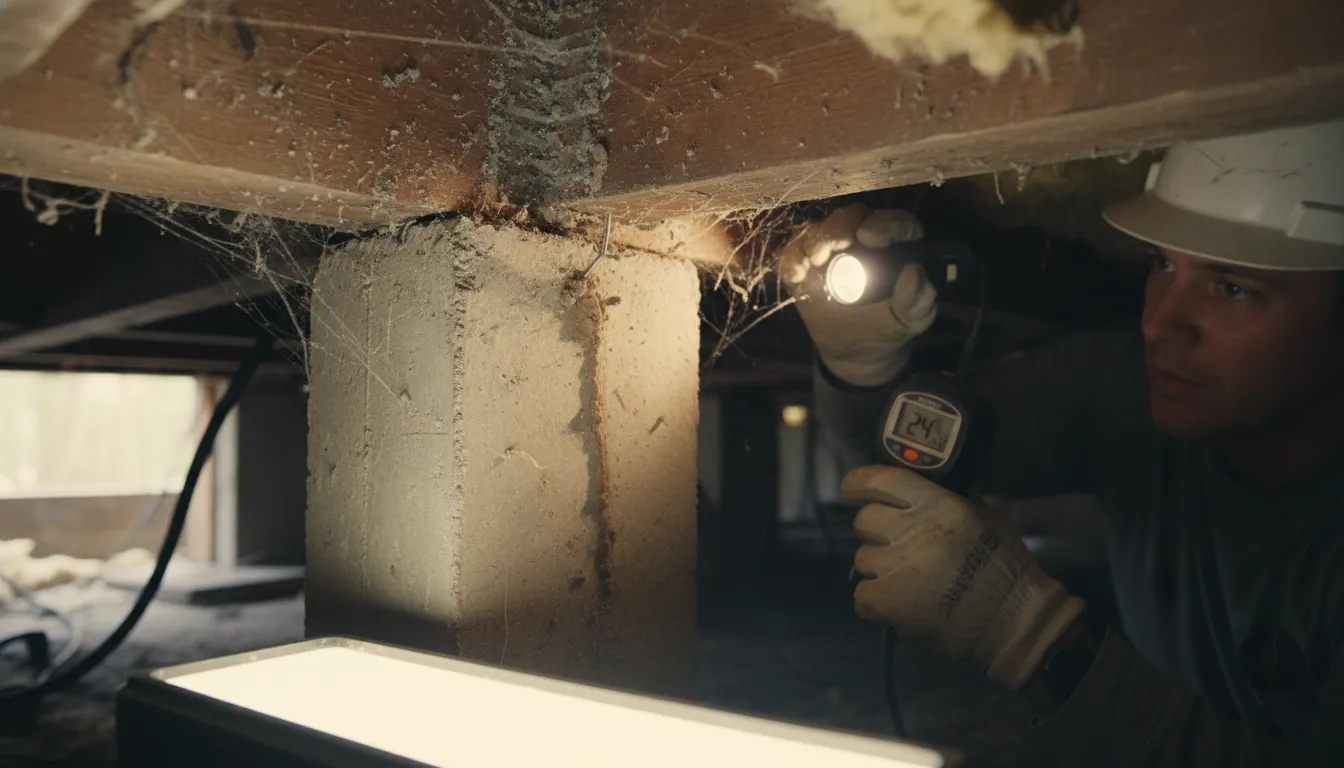
A termite inspection is a critical evaluation of a property to detect the presence or risk of wood-destroying insects. In Newport Beach, where the coastal climate can be ideal for termites, these assessments are essential for protecting your investment from costly structural damage. This guide explains what a termite inspection entails, what inspectors look for, and how you can use this information to find qualified local professionals to safeguard your home.
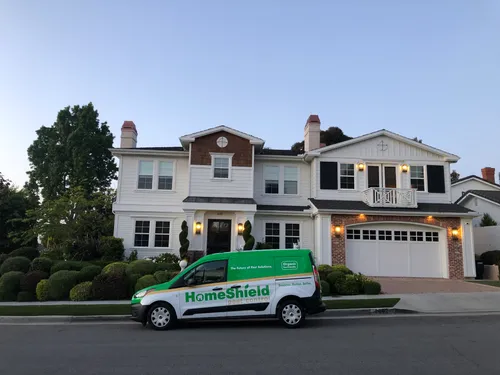
HomeShield Pest Control
701 E Ball Rd, Anaheim, CA 92805
HomeShield Pest Control offers eco-friendly pest control services in Irvine, CA, specializing in treatments for bed bugs, cockroaches, ants, rodents, termites, and mosquitoes. They provide both residential and commercial pest management using green pesticide solutions from EcoSMART. HomeShield is locally owned and focuses on safe, child- and pet-friendly pest control methods. Their service areas include multiple regions across California and South Florida. The company emphasizes a professional and ethical approach to pest control, backed by a 100% service satisfaction guarantee and unlimited maintenance visits between scheduled services.
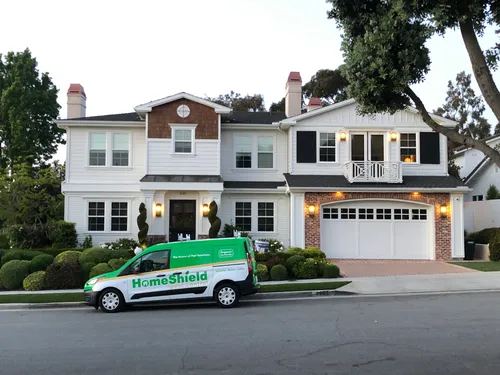
HomeShield Pest Control
2340 E Artesia Blvd, Long Beach, CA 90805
HomeShield Pest Control offers eco-friendly pest control services in Los Angeles, CA, specializing in residential and commercial pest management. Their services include bed bug treatment, rodent control, termite inspections, and mosquito control, using green products from EcoSMART. The company emphasizes safe, child- and pet-friendly solutions and provides a 100% service satisfaction guarantee with unlimited maintenance calls. HomeShield serves a broad area including Sacramento, the Bay Area, Orange County, San Diego, the Inland Empire, and South Florida.
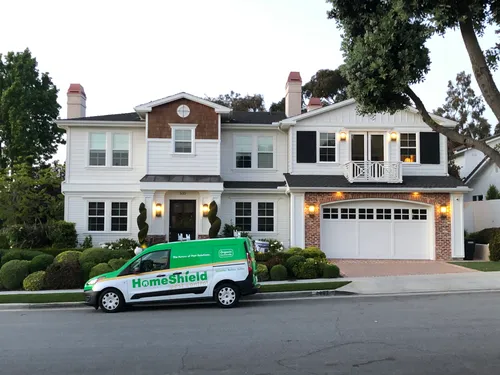
HomeShield Pest Control
850 E Parkridge Ave STE 113, Corona, CA 92879
HomeShield Pest Control offers eco-friendly pest control services in Irvine, CA, focusing on child and pet-safe solutions. They provide a range of services including home and commercial pest control, rodent and termite control, bed bug treatment, and mosquito control. HomeShield uses green pesticide products from EcoSMART, known for their 100% green insecticides. The company serves multiple regions including Orange County and the Inland Empire. They emphasize a professional and ethical approach to pest management and back their work with a 100% satisfaction guarantee and unlimited maintenance calls between scheduled services.
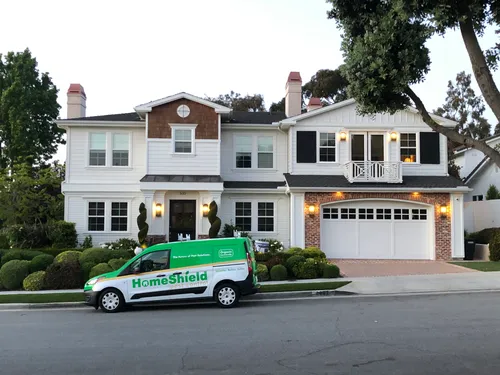
HomeShield Pest Control
31601 Coast Hwy, Laguna Beach, CA 92651
HomeShield Pest Control offers eco-friendly pest control services in Irvine, CA, focusing on child and pet-safe solutions. They handle a variety of pests including rodents, termites, bed bugs, mosquitoes, ants, and cockroaches for both residential and commercial properties. The company uses green products from EcoSMART, known for their 100% green insecticide, and provides unlimited maintenance visits between scheduled services. HomeShield serves multiple regions including Orange County and emphasizes a responsible and ethical approach to pest management.
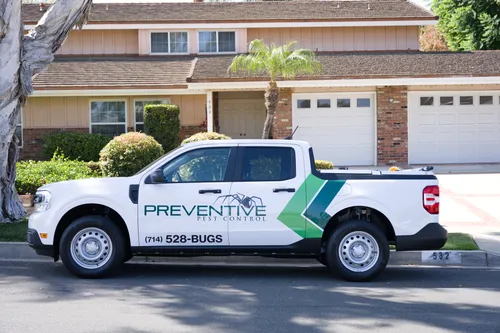
Preventive Pest Control
26060 Acero #204, Mission Viejo, CA 92691
Preventive Pest Control is a pest control company serving Irvine, CA, and nearby communities. With over 20 years of experience, they offer a wide range of services including termite inspection and treatment, ant and spider control, rodent removal, mosquito management, and wasp nest removal. Their team uses safe and effective methods tailored to both residential and commercial properties to manage and prevent pest infestations. Preventive Pest Control is known for thorough termite inspections and customized treatment plans that help protect properties from damage and recurring pest issues.
Why Termite Inspections Are Crucial in Newport Beach
The warm, humid climate of Southern California's coast creates a perfect environment for termites to thrive. These pests work silently, often causing significant damage before a homeowner ever sees a sign. A professional termite inspection is your first line of defense, identifying not only active infestations but also conditions that could attract them. For home buyers, a clear termite report is frequently a required part of the escrow process, providing peace of mind about the property's condition. For current homeowners, regular inspections are a proactive measure to catch problems early, when they are simpler and less expensive to treat.
Types of Termites Common to Newport Beach
Inspectors in Newport Beach are primarily on the lookout for two major types of termites, each with distinct behaviors and signs.
Drywood Termites: As their name implies, these termites infest dry, sound wood and do not require contact with soil. They are particularly common in Southern California coastal communities 1. A key indicator of a drywood termite infestation is the presence of frass-small, six-sided fecal pellets that they push out of their galleries. These piles of sawdust-like droppings are often found beneath infested wood, like window sills, door frames, or furniture.
Subterranean Termites: This species lives in underground colonies and requires constant contact with soil moisture to survive. To access the wood in your home, they construct distinctive mud tubes-pencil-sized tunnels of soil and saliva on foundation walls, in crawl spaces, or along pipes 2. Subterranean termites are often responsible for the most severe structural damage due to the size of their colonies.
What a Professional Inspector Looks For
A comprehensive termite evaluation, or wood-destroying organism inspection, is a meticulous process. A qualified inspector will examine both the exterior and interior of your property, focusing on key risk areas.
Exterior Inspection Points
The inspector will walk the perimeter of your home, checking:
- Foundation and Siding: Searching for mud tubes, cracks, or entry points.
- Wood-to-Soil Contact: Any place where structural wood (like siding, posts, or deck supports) touches the soil is a major risk factor for subterranean termites 3.
- Vegetation and Mulch: Excessive mulch, tree stumps, or dense vegetation against the foundation can retain moisture and attract termites.
- Outbuildings and Structures: Decks, fences, and exterior stairs are carefully examined for signs of damage or infestation.
Interior and Structural Inspection Points
Inside the home and in less-visible spaces, the inspector will check:
- Attics and Crawlspaces: These are critical areas for finding hidden activity. Inspectors look for mud tubes, frass, damaged wood, and live termites 4 5.
- Windows, Doors, and Baseboards: Tapping on wood to listen for a hollow sound, a sign of internal damage, and looking for frass or tiny exit holes.
- Moisture Sources: Using tools like moisture meters, the inspector identifies areas with high humidity or water leaks from plumbing, as moisture is a powerful attractant for termites 6 7.
Find the perfect termite inspection companies for your needs
Get personalized recommendations and expert advice
Understanding the Termite Inspection Report
After the visual assessment, you will receive a detailed report. In California, this is often formatted as a Wood Destroying Pest and Organism Inspection Report. It typically categorizes findings into sections:
- Section 1: Items where there is active infestation or visible damage from wood-destroying organisms. These items require corrective action, such as treatment or repair.
- Section 2: Items where there are conducive conditions for infestation (e.g., earth-to-wood contact, excessive moisture, cellulose debris). These are recommendations to prevent future problems 8.
- Section 3: Items that were inaccessible during the inspection (e.g., a locked storage room, furniture blocking a wall).
This report is invaluable, whether you're addressing an immediate issue, planning preventative maintenance, or fulfilling a real estate transaction requirement.
Termite Inspection Costs in Newport Beach
The cost for a standard termite inspection in Newport Beach typically ranges from $100 to $200 for an average-sized home. Several factors can influence this price:
- Property Size: Larger homes take more time to inspect thoroughly.
- Report Type: A basic inspection report may be sufficient for a homeowner's own knowledge. However, if you are buying or selling a home, lenders often require a formal escrow report (the Section 1/2 report mentioned above), which can add $75 to $100 to the total cost 9 10.
- Inspection Scope: Some inspections may include other wood-destroying organisms like carpenter ants or fungus.
It's important to view the inspection cost separately from any potential treatment costs. The inspection fee is for the diagnosis; treatment is a separate service with its own pricing.
Treatment Options Following an Inspection
If the inspection reveals an active infestation, your inspector will discuss treatment options. The right solution depends on the termite species, the extent of the infestation, and the construction of your home.
- Localized or Spot Treatments: For small, accessible drywood termite colonies, a direct application of pesticide or foam into the galleries may be sufficient. Costs often range from $250 to $700.
- Soil Treatments: For subterranean termites, creating a chemical barrier in the soil around the foundation is a common method. This may involve drilling and trenching.
- Whole-Structure Fumigation (Tenting): For widespread or hard-to-reach drywood termite infestations, fumigation is the most comprehensive solution. The home is sealed and filled with a gas that penetrates all wood members. This is a major undertaking with costs typically starting around $1,500 and ranging up to $8,000 or more depending on home size 11 12.
How to Prepare for a Termite Inspection
To ensure the inspection is as thorough and efficient as possible, homeowners can take a few simple steps:
- Clear Access: Move boxes, stored items, and furniture away from perimeter walls, especially in garages, basements, and closets.
- Unlock Areas: Ensure the inspector has access to all rooms, attics, crawlspace hatches, and sheds.
- Trim Vegetation: Cut back shrubs, vines, and tree branches that are touching the house to allow for a clear view of the exterior foundation and siding.
Frequently asked questions
Sources
Footnotes
-
Meet the Drywood Termite: Identification, Signs & Control - https://www.clarkpest.com/residential-service-blog-old/meet-the-drywood-termite ↩
-
Termite Extermination - https://newportexterminating.com/termite-extermination/ ↩
-
What You Should Know About A Termite Inspection - AG Pest Control - https://www.agpest.com/what-you-should-know-about-a-termite-inspection/ ↩
-
What Does A Termite Inspector Look For? - AG Pest Control - https://www.agpest.com/what-does-a-termite-inspector-look-for/ ↩
-
Termites and real estate inspections - Clark Pest Control - https://www.clarkpest.com/residential-service-blog-old/termites-and-real-estate-inspections ↩
-
How Often Should You Get a Termite Inspection in California? - https://calprogroup.com/blog/how-often-should-you-get-a-termite-inspection-in-california/ ↩
-
Termite Inspections: What to Expect and How to Prepare - https://www.petrispestcontrol.com/termite-control/termite-inspections-what-to-expect/ ↩
-
Buyers and Sellers: What to expect from a pest inspection? - https://nahingroup.com/buyers-and-sellers-what-to-expect-from-a-pest-inspection/ ↩
-
California Termite Inspection: Sections 1-3 Explained - https://www.usrealtytraining.com/blogs/termite-inspection-real-estate ↩
-
Termite Inspections for Homebuyers: Requirements & Costs - https://www.freedommortgage.com/learning-center/articles/termite-inspection-home-purchase ↩
-
Termite Inspection Orange County - https://termiteterry.com/termite-inspection-orange-county/ ↩
-
Termite Inspection Cost [2026 Data] - Angie's List - https://www.angi.com/articles/how-much-does-termite-inspection-cost.htm ↩