Find the Best Termite Inspection Companies for Your Business
No obligation • Fast responses • Nationwide coverage

Why you can trust Pest Crews
Pest Crews is a leading U.S. resource for finding and evaluating residential and commercial pest control services. Our team researches providers, reviews treatment approaches, and organizes unbiased information to help you make informed decisions. Companies cannot pay to change our editorial content or influence how they appear.
Search providers near you
Top Termite Inspection Companies in Pittsburg, California Ranked
A termite inspection is a specialized evaluation of a property to detect the presence or evidence of wood-destroying organisms like termites. In Pittsburg, where both subterranean and drywood termites are active, this service is a critical step in protecting your home from costly structural damage. Whether you're buying a home, selling one, or simply being proactive, understanding the local inspection process helps you find qualified professionals to assess your property's risk.
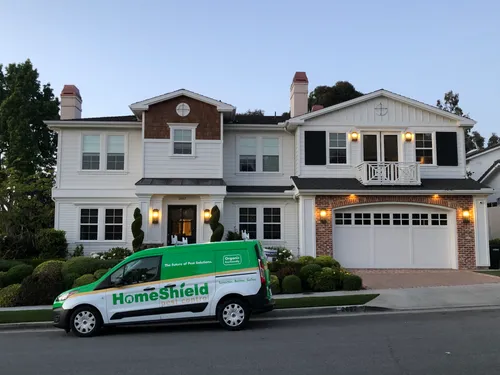
HomeShield Pest Control
2065 N Broadway # 202, Walnut Creek, CA 94596
HomeShield Pest Control offers eco-friendly pest control services in Oakland, CA, focusing on child and pet-safe solutions. They provide a range of services including termite control, rodent management, bed bug treatment, mosquito control, and commercial pest control. HomeShield uses green insecticides from EcoSMART and guarantees satisfaction with unlimited maintenance calls between scheduled visits. The company serves multiple regions including the Sacramento and Bay Areas, Orange County, Los Angeles, San Diego, the Inland Empire, and South Florida.
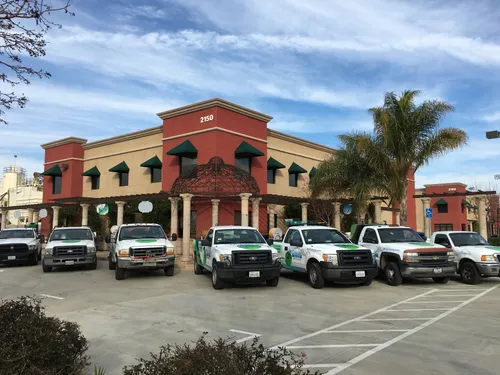
McCauley Agricultural & Pest Control
2150 Elkins Way Ste 205, Brentwood, CA 94513
McCauley Agricultural & Pest Control is a family-owned pest control company based near Oakland, CA, serving residential, commercial, and agricultural clients throughout the East Bay Area and Central Valley. They provide a range of services including termite inspection and control, wildlife removal, weed abatement, turf care, and ornamental plant services. With over 35 years of combined experience, McCauley uses advanced and eco-friendly materials to address pest and plant health issues.
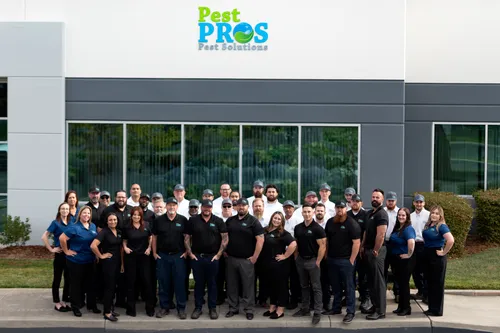
Pest Pros Pest Solutions
2520 Stanwell Dr Suite 102, Concord, CA 94520
Pest Pros Pest Solutions is a family-owned pest control company serving Oakland, CA, and the broader Northern California region. They provide a wide range of pest management services including bed bug treatment, termite inspections, rodent control, mosquito control, and commercial pest solutions. The company uses eco-friendly products and integrated pest management strategies tailored to local pest challenges, such as seasonal infestations and structural threats like termites. Pest Pros Pest Solutions emphasizes education on pest prevention and offers customized plans for both residential and commercial clients. Their service area covers multiple counties around the Sacramento Valley and San Francisco Bay Area.
EcoGuard Pest Management
San Jose, CA
EcoGuard Pest Management is a family-owned pest control company based in San Jose, CA. They provide eco-friendly pest management solutions for common pests like cockroaches, ants, rodents, and specialized services for subterranean termites. Their approach includes a full five-point inspection and treatment program designed to eliminate pests safely using natural and child- and pet-friendly products. Services include rodent inspection, trapping, sanitation, and exclusion, as well as termite inspection, pre-treatment, treatment, and fumigation.

California Exterminating Service
2770 Camino Diablo Suite D, Walnut Creek, CA 94597
California Exterminating Service is a pest control company serving Oakland, CA, and the surrounding East Bay area. With over 71 years of experience, they provide pest management solutions for common local pests such as ants, rodents, termites, cockroaches, and bees. Their approach emphasizes environmentally friendly methods, including natural deterrents and barriers, to protect homes while minimizing chemical use. They also offer wildlife removal and plant healthcare services tailored to the unique needs of Contra Costa and Alameda counties. The company prioritizes preventive treatments starting at the property perimeter to reduce indoor pest issues and maintain a sustainable environment.
Why Termite Inspections Are Essential in Pittsburg
The warm climate of the East Bay creates an ideal environment for termites. These pests work silently, often causing significant damage before they're ever seen. A professional termite inspection, or WDO (Wood-Destroying Organism) report, is your first line of defense. It's not just about finding active colonies; it's about identifying conditions that could lead to future infestations, such as moisture issues or wood-to-soil contact. For homeowners, this provides peace of mind. For buyers and sellers, it's a standard part of real estate transactions in California, frequently required during escrow to satisfy lender conditions.
What Inspectors Look For: Signs of Termite Activity
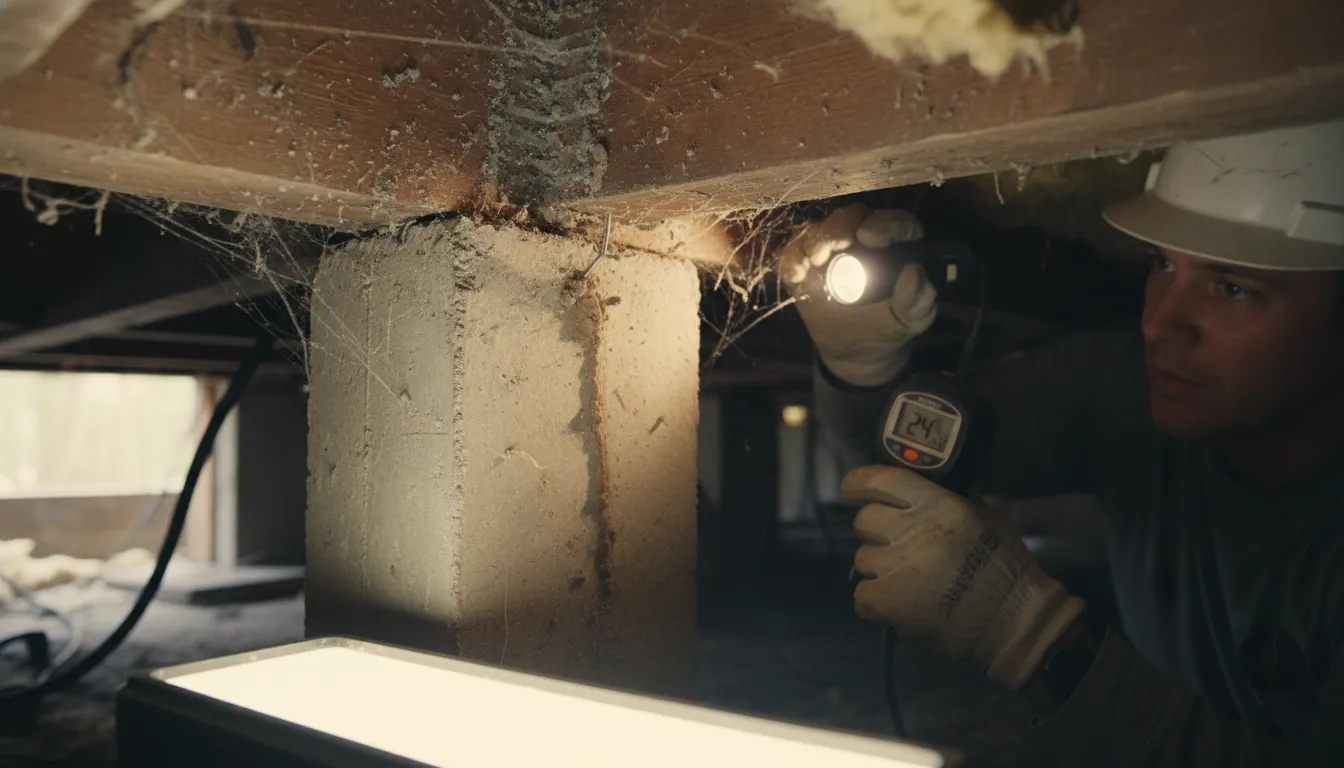
A trained inspector knows exactly where to look for the subtle clues of termite presence. The two primary types in our area are subterranean termites, which nest in soil and build distinctive mud tubes to reach wood, and drywood termites, which live inside the wood they consume, such as in fences, eaves, or furniture 1.
Key indicators of an infestation include:
- Mud Tubes: Pencil-sized tunnels of soil and saliva on foundation walls, piers, or in crawlspaces, used by subterranean termites for travel 2.
- Damaged Wood: Wood that sounds hollow when tapped, or shows maze-like patterns or exit holes.
- Frass: This is termite droppings. Drywood termites push out tiny, pellet-like frass from their kick-out holes, often accumulating on windowsills or in attics 3.
- Discarded Wings: Swarming termites, or "alates," shed their wings after finding a mate. Piles of small, identical wings near windows or doors are a common sign of a nearby colony.
- Bubbling or Peeling Paint: This can sometimes indicate moisture from termite activity within the wall.
The Termite Inspection Process: A Step-by-Step Guide
Knowing what to expect can make the process smoother. A thorough termite evaluation follows a systematic approach, both inside and out.
Exterior Inspection
The inspector begins at the perimeter of your home. They will examine the foundation for cracks and mud tubes, check for wood-to-soil contact (like siding or deck posts touching the ground), and look at eaves, window frames, and door frames for damage. Vegetation, mulch, and stored wood near the house are also assessed, as they can attract termites 4.
Interior Inspection
Next, the inspector moves inside to check all accessible areas. This includes:
- Basements and Crawlspaces: These are high-priority areas for finding subterranean termite activity and moisture problems 5.
- Attics: Inspectors look for frass, damaged wood, and signs of drywood termites in the rafters and sheathing.
- Living Areas: Walls, floors, and ceilings are checked for visual signs. Special attention is paid to areas around plumbing penetrations, under sinks, and near windows, as these are common entry points 6.
The Final Report
After the visual assessment, the inspector will provide a detailed report. In California, this is often a standardized form that categorizes findings into "Section 1" (active infestation or damage) and "Section 2" (conditions conducive to future infestation, like a leaking pipe). This report will list all findings and include recommendations for treatment and repairs to resolve any issues.
Find the perfect termite inspection companies for your needs
Get personalized recommendations and expert advice
Understanding Termite Inspection Costs in Pittsburg
The cost of a termite check in Pittsburg is typically straightforward and depends on the size of your home and the type of report needed. For a standard visual inspection of a home under 2,500 square feet, you can generally expect to pay between $100 and $150 7. For larger homes, ranging from 2,500 to 4,000 square feet, the price often increases to a range of $150 to $225.
If you need a formal report for a real estate transaction-commonly called a "Termite Report" or "WDO Report" for escrow-there is usually an additional fee. This official documentation can add $75 to $100 or more to the base inspection cost 8. It's important to clarify with your provider exactly what type of inspection and report you require.
Termite Inspections for Real Estate Transactions
In California, a termite inspection is a common contingency in home purchase agreements. Lenders frequently require a clear report (or a plan to address any issues found) before finalizing a loan 9. As a buyer, ordering an inspection gives you a clear picture of the property's condition and can be a point of negotiation. As a seller, obtaining a pre-listing inspection can streamline the sale process by identifying and addressing problems upfront, preventing surprises during the buyer's inspection period 10.
How to Prepare for Your Inspection
To ensure the inspector can perform a complete evaluation, a little preparation is helpful:
- Ensure Access: Clear clutter away from foundation walls, in crawlspace access hatches, and in the attic. Move stored items away from basement walls.
- Trim Vegetation: Cut back shrubs, vines, or tree branches that are touching the house.
- Address Moisture: Fix any leaking faucets, downspouts, or irrigation systems that keep soil or wood damp.
- Move Interior Items: Provide clear access to electrical panels, under-sink cabinets, and closets on exterior walls.
Taking these steps helps the inspection be more efficient and thorough, leading to a more accurate assessment of your property.
Frequently asked questions
Sources
Footnotes
-
Subterranean and Other Termites / Home and Landscape / ... - UC IPM - https://ipm.ucanr.edu/home-and-landscape/subterranean-and-other-termites/ ↩
-
The Value of Termite Inspections - Clark Pest Control - https://www.clarkpest.com/residential-service-blog-old/the-value-of-termite-inspections ↩
-
What to Expect From a Termite Inspection - Official Pest Prevention - https://www.officialpestprevention.com/what-expect-from-termite-inspection/ ↩
-
What Happens During a Termite Inspection - Terminix - https://www.terminix.com/termite-control/inspection/ ↩
-
What To Expect From Your Upcoming Home Termite Inspection - https://calprogroup.com/blog/what-to-expect-from-your-upcoming-home-termite-inspection/ ↩
-
Termite Inspections: Cost and What to Expect | Real Estate - https://realestate.usnews.com/real-estate/articles/termite-inspections-cost-and-what-to-expect ↩
-
How Much Does a Termite Inspection Cost? - https://patriotinspect.com/how-much-does-a-termite-inspection-cost/ ↩
-
California Termite Inspection: Sections 1-3 Explained - https://www.usrealtytraining.com/blogs/termite-inspection-real-estate ↩
-
California Home Inspections- What You Need To Know(2024) - https://thebienstockgroup.com/california-home-inspections-2023/ ↩
-
Termites and real estate inspections - Clark Pest Control - https://www.clarkpest.com/residential-service-blog-old/termites-and-real-estate-inspections ↩