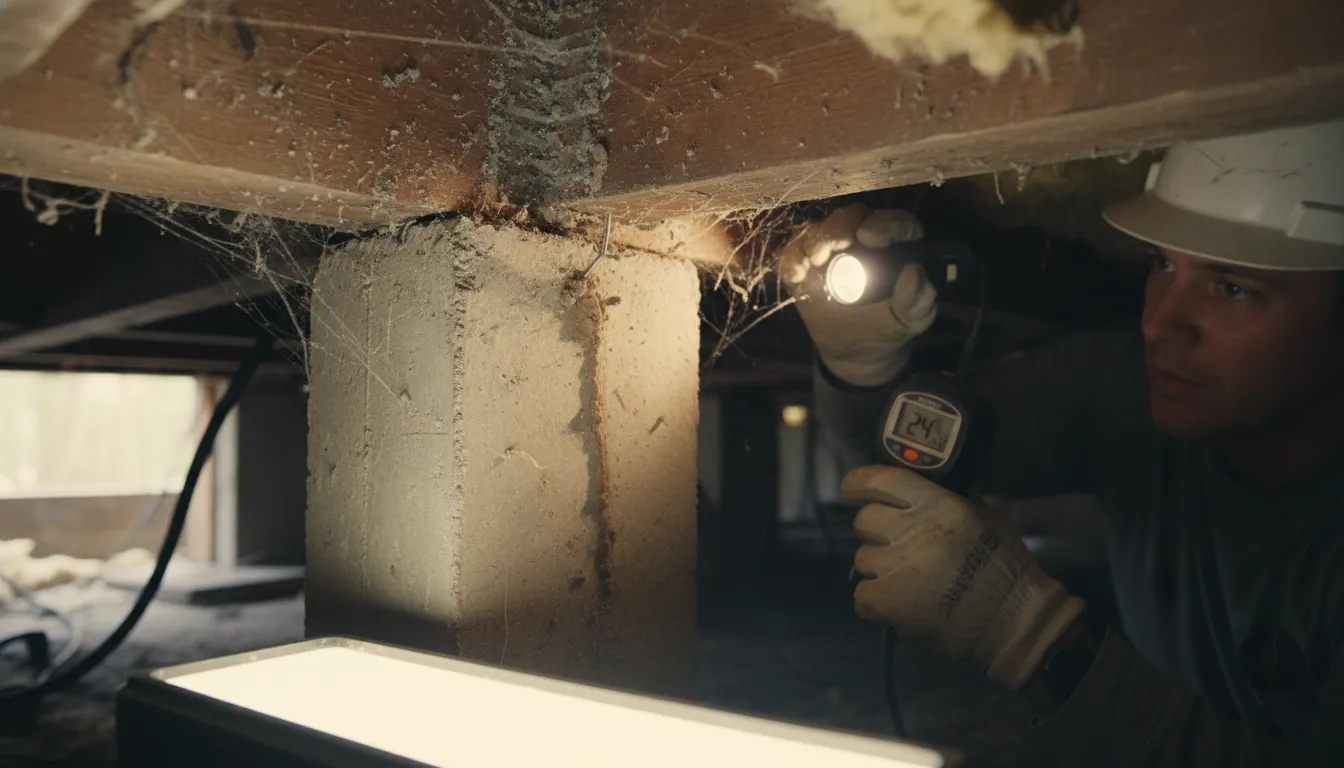
Find the Best Termite Inspection Companies for Your Business
No obligation • Fast responses • Nationwide coverage

Why you can trust Pest Crews
Pest Crews is a leading U.S. resource for finding and evaluating residential and commercial pest control services. Our team researches providers, reviews treatment approaches, and organizes unbiased information to help you make informed decisions. Companies cannot pay to change our editorial content or influence how they appear.
Search providers near you
Top Termite Inspection Companies in Porterville, California Ranked
A termite inspection is a critical evaluation of your property to detect the presence or evidence of wood-destroying insects like termites. In Porterville, where both subterranean and drywood termites are active, this service is essential for protecting your home's structural integrity and value. This guide explains what a termite inspection entails, what local inspectors look for, and how you can find qualified professionals in the Porterville area to conduct a thorough assessment.
Why Termite Inspections Are Crucial in Porterville
The Central Valley climate, with its periods of heat and access to water, creates an ideal environment for termites. These pests can cause extensive, costly damage that often isn't visible until it's severe. A professional termite inspection, or wood-destroying organism (WDO) inspection, is your first line of defense. It provides a clear picture of your home's vulnerability, identifying not only active infestations but also conditions that could attract termites in the future 1 2. For homeowners, this is a key part of routine maintenance. For those involved in a real estate transaction, it's often a mandatory step to satisfy lender requirements and ensure a sound investment 3.
Common Termite Species in the Porterville Area
Understanding the local termite threats helps you know what inspectors are targeting. In Porterville, two primary types pose a risk:
- Subterranean Termites: These are the most common and destructive species in North America. They live in colonies underground and build distinctive mud tubes to travel between their nest and food sources (your home's wood). They require contact with soil moisture to survive, making areas of wood-to-soil contact and moisture accumulation prime targets 4.
- Drywood Termites: Unlike their subterranean cousins, drywood termites infest dry, sound wood and do not need contact with soil. They live entirely within the wood they consume, making them harder to detect until significant damage has occurred or they reveal themselves through their fecal pellets, known as frass 5.
What Does a Termite Inspector Look For?
A certified inspector conducts a meticulous visual examination of your property, inside and out. They are trained to spot the subtle signs of termite activity and the conditions that invite them.
Visible Evidence of Infestation:
- Mud Tubes: These pencil-sized tunnels on foundation walls, piers, sill plates, or in crawlspaces are a telltale sign of subterranean termites.
- Wood Damage: Inspectors tap on wood surfaces, listening for a hollow sound and looking for wood that appears darkened, blistered, or has a honeycomb pattern inside. They also check for buckling wood, swollen floors, or doors/windows that stick without an obvious cause.
- Frass: Drywood termites push their distinctive, six-sided fecal pellets out of "kick-out" holes. Small piles of these sand-like granules near baseboards, window sills, or in attics are a major red flag 6 7.
- Discarded Wings: Reproductive termites (swarmers) shed their wings after finding a mate. Piles of tiny, identical wings near windowsills, doors, or in spider webs are a common sign of a nearby colony.
Conducive Conditions for Infestation: Even without active termites, inspectors note issues that could lead to future problems. These include:
- Excessive Moisture: Leaky pipes, faulty grading, clogged gutters, and poor ventilation in crawlspaces or attics create the damp environment termites crave.
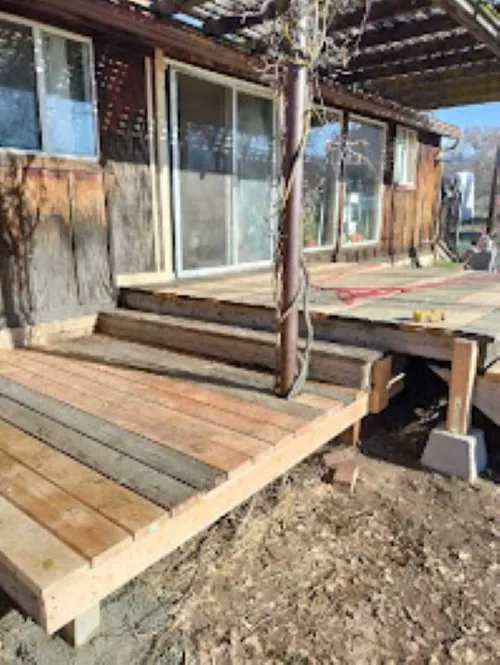
- Wood-to-Soil Contact: Any structural wood, such as siding, door frames, or deck posts, touching the soil provides direct access for subterranean termites.
- Cracks in the Foundation: Even hairline cracks can serve as entry points for foraging termites.
- Landscaping and Debris: Mulch piled against the foundation, firewood stored near the house, and dense vegetation can harbor termites and trap moisture 8.
The Termite Inspection Process: A Step-by-Step Guide
Knowing what to expect can help you prepare for an inspection. A comprehensive termite evaluation typically follows this pattern:
1. Exterior Inspection: The inspector will walk the entire perimeter of your home. They examine the foundation for cracks and mud tubes, check siding and trim for damage, inspect roof eaves and fascia boards, and assess decks, fences, and other outbuildings. They will also note the proximity of mulch, landscaping, and woodpiles to the structure 9.
2. Interior Inspection: Inside your home, the inspector will examine areas where termites are most likely to be found. This includes baseboards, window and door frames, cabinets (especially under sinks), closets, and areas where plumbing penetrates walls. They will look for the visual signs of damage mentioned above.
3. Inspection of Critical Sub-Areas: Attics, crawlspaces, and basements are meticulously checked. These areas often have hidden moisture issues and provide dark, undisturbed environments where termites can thrive. Inspectors use bright lights and tools to probe accessible wood members 10 11.
4. Reporting: After the inspection, you will receive a detailed report. For a standard inspection, this outlines findings and recommendations. For real estate transactions, a formal Wood Destroying Pest and Organism Report (often called a Section 1 report in California) is generated, which officially identifies any active infestations or damage that must be addressed.
Find the perfect termite inspection companies for your needs
Get personalized recommendations and expert advice
Understanding Termite Inspection Costs in Porterville
The cost of a termite inspection in Porterville can vary based on your home's size, age, and the type of report needed. It's important to get quotes from local providers, but you can expect general pricing to fall within these ranges:
- Basic Visual Inspection: For a typical single-family home under 2,500 square feet, a standard inspection often costs between $100 and $150. This fee covers the inspector's time and expertise for the visual assessment and a basic findings report.
- Official Report for Real Estate (WDO/Section 1): If you need a formal report for a loan or sale, there is usually an additional fee. This can add $75 to $100 or more to the base inspection cost, as it involves completing standardized paperwork that becomes part of the transaction documents 12.
- Additional Services: If the inspection reveals evidence of termites or damage, the inspector will recommend a course of action. The cost for treatment plans or repair estimates is separate and varies significantly based on the extent of the problem, the treatment method required, and the size of the structure.
How to Prepare Your Porterville Home for an Inspection
A little preparation can help the inspection go smoothly and ensure the inspector has access to all critical areas:
- Clear Access: Move boxes, stored items, and furniture away from perimeter walls, especially in garages, basements, and closets. Ensure the inspector can easily access the attic hatch and crawlspace entry.
- Trim Vegetation: Trim back shrubs, vines, and tree branches that are touching the house to allow for a clear view of the exterior foundation and siding.
- Address Moisture: Fix any obvious leaky faucets or drain issues before the inspection.
- Move Firewood: Relocate any firewood or lumber piles at least 20 feet away from the home's foundation.
Frequently asked questions
Sources
Footnotes
-
Termite inspection: How it works - Western Exterminator - https://www.westernexterminator.com/termite-control/termite-inspection ↩
-
What Does a Termite Inspector Look For? - Orkin - https://www.orkin.com/pests/termites/what-a-termite-inspector-does ↩
-
Termites and real estate inspections - Clark Pest Control - https://www.clarkpest.com/residential-service-blog-old/termites-and-real-estate-inspections ↩
-
Types of Termites Found in California - https://www.fennpest.com/blog/types-of-termites-ca ↩
-
What Are Drywood Termites? Everything You Need to Know - https://www.westernexterminator.com/blog/termites/protecting-your-home-drywood-termites ↩
-
Porterville Pest Control Xperts: Rodent Control Specialists - https://portervillepestcontrolexperts.com/ ↩
-
Termites - Porterville Pest Control Xperts - https://portervillepestcontrolexperts.com/termites/ ↩
-
How to Prepare Your House for a Termite Inspection? - https://www.hitechtermite.com/articles/how-to-prepare-your-house-for-a-termite-inspection ↩
-
Termite Inspections: Cost and What to Expect | Real Estate - https://realestate.usnews.com/real-estate/articles/termite-inspections-cost-and-what-to-expect ↩
-
What Does A Termite Inspector Look For? - AG Pest Control - https://www.agpest.com/what-does-a-termite-inspector-look-for/ ↩
-
Full Guide to Professional Termite Inspections for Home Inspectors - https://www.homegauge.com/learning/home-inspectors-termites/ ↩
-
California Termite Inspection: Sections 1-3 Explained - https://www.usrealtytraining.com/blogs/termite-inspection-real-estate ↩