Find the Best Termite Inspection Companies for Your Business
No obligation • Fast responses • Nationwide coverage

Why you can trust Pest Crews
Pest Crews is a leading U.S. resource for finding and evaluating residential and commercial pest control services. Our team researches providers, reviews treatment approaches, and organizes unbiased information to help you make informed decisions. Companies cannot pay to change our editorial content or influence how they appear.
Search providers near you
Top Termite Inspection Companies in Rancho Cordova, California Ranked
A termite inspection is a critical evaluation of your home to detect the presence of destructive wood-destroying organisms, primarily termites. In Rancho Cordova, where both subterranean and drywood termites are active, these assessments are essential for protecting your largest investment from costly structural damage. This guide explains what a termite check involves, what inspectors look for, and how you can use this information to connect with qualified local professionals who can safeguard your property.
PEST PROS PEST SOLUTIONS
1016 N Market Blvd #40, Sacramento, CA 95834
PEST PROS PEST SOLUTIONS is a family owned pest control company based in Sacramento, CA, serving the Sacramento Valley and the San Francisco Bay Area. They provide a wide range of pest management services including bed bug treatment, termite inspections, rodent control, mosquito control, and commercial pest control solutions tailored to local environmental challenges. The company uses eco-friendly products and integrated pest management strategies to effectively address pest issues while minimizing environmental impact. Their expertise includes handling pests common to Northern California such as carpenter ants, termites, rodents, and mosquitoes. Pest Pros Pest Solutions emphasizes education on pest prevention and offers customized plans for both residential and commercial clients. They also provide same-day service when contacted early in the day. The company is committed to community support and environmental responsibility. Their service area covers multiple Northern California counties, ensuring broad access to their pest control expertise. Pest Pros Pest Solutions combines local knowledge with professional-grade products and techniques to manage pest problems safely and effectively.
Pest Control Center Inc.
3845 Madison Ave, North Highlands, CA 95660
Pest Control Center Inc. is a family-owned pest control company serving Sacramento, CA, and nearby communities. With over 40 years of experience, they provide comprehensive pest prevention services targeting ants, cockroaches, rodents, termites, mosquitoes, and wasps. Their offerings include thorough inspections, customized treatment plans, and eco-friendly options. The company also specializes in termite inspections and treatments, along with mosquito and fly control. Pest Control Center Inc. emphasizes ongoing monitoring and maintenance to prevent future infestations and offers flexible service schedules. They provide a 100% service guarantee and accommodate same-day service in many areas.
Earthwise Pest Management
4740 Northgate Blvd Ste.125, Sacramento, CA 95834
Earthwise Pest Management is a licensed and insured pest control company serving Sacramento, CA. They provide residential and commercial pest control services, including bed bug treatment, termite inspections, rodent control, and cockroach and ant extermination. The company emphasizes Integrated Pest Management techniques to minimize pesticide use and focuses on long-term pest exclusion to prevent re-infestations. Earthwise Pest Management is known for its pet-friendly and child-safe treatments and has a strong reputation supported by over 500 positive reviews.
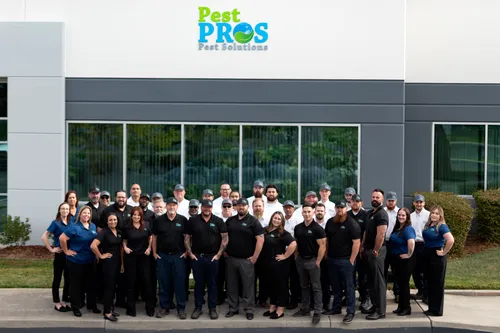
Pest Pros Pest Solutions
1100 Melody Ln STE 105, Roseville, CA 95678
Pest Pros Pest Solutions is a family-owned pest control company serving Sacramento, CA, and the broader Northern California region. They offer a wide range of services including ant, bed bug, termite, rodent, mosquito, bee and wasp, bird, and cockroach control for both residential and commercial properties. The company uses eco-friendly products and integrated pest management strategies to address local pest challenges effectively. Their commercial services are tailored to meet industry-specific needs, ensuring compliance and minimal disruption. Pest Pros Pest Solutions emphasizes education on pest behavior and prevention to provide long-term results. They serve multiple counties across Northern California and provide same-day service when contacted early in the day.

Advanced Integrated Pest Management
205 Kenroy Ln, Roseville, CA 95678
Advanced Integrated Pest Management provides pest control services in Sacramento, CA, and surrounding communities including Rocklin, Antelope, and Auburn. They offer treatments for a wide range of pests such as ants, rodents, cockroaches, bed bugs, termites, mosquitoes, and wildlife. Their services cover both residential and commercial properties, focusing on prevention and effective extermination. Advanced IPM is known for its comprehensive pest management approach in the Roseville area.
Why Termite Inspections Are Non-Negotiable in Rancho Cordova
The Sacramento region, including Rancho Cordova, is a known hotspot for termite activity due to its climate. The two primary species of concern are subterranean termites and drywood termites 1 2. Subterranean termites are the most common and destructive, living in the soil and building mud tubes to access the wood in your home. Drywood termites, on the other hand, infest dry wood directly, often in attics, eaves, and furniture, leaving behind distinctive piles of fecal pellets called frass 1. An annual termite evaluation is the most effective way to catch an infestation early, before significant damage occurs, and is especially vital during real estate transactions 3.
What a Professional Inspector Looks For
A thorough termite assessment is a detailed process that goes beyond a casual glance. Certified inspectors are trained to identify both active infestations and conditions that could lead to future problems. Their examination is systematic, covering every accessible area of your property.
Key Signs of Termite Activity
Inspectors hunt for specific, telltale evidence that termites are present:
- Mud Tubes: These pencil-sized tunnels made of soil and saliva are the highways of subterranean termites, often found on foundation walls, in crawl spaces, or on piers.
- Frass: Drywood termites push out their wood-colored fecal pellets from tiny "kick-out" holes. Finding small piles of this granular material is a clear sign of an active drywood colony.
- Discarded Wings: Reproductive termites (swarmers) shed their wings after finding a mate. Piles of tiny, identical wings near windowsills, doors, or in spider webs are a strong indicator of a nearby colony.
- Damaged Wood: Inspectors will probe wood with a tool, listening for a hollow sound and looking for wood that appears crushed, has a honeycombed pattern, or is visibly damaged.
Identifying Conducive Conditions
A crucial part of the inspection is identifying factors that attract termites or make your home vulnerable. These are often noted in an inspection report as "Section 2" items. Common issues in Rancho Cordova include:
- Wood-to-Soil Contact: Any structural wood, like siding, door frames, or deck posts, touching the soil provides direct access for termites.
- Excess Moisture: Leaky pipes, faulty grading, poor drainage, and clogged gutters create the damp environment subterranean termites need to thrive4 5.
- Cracks in the Foundation: Even hairline cracks can serve as entry points for foraging termites.
- Accessible Crawlspaces and Attics: These dark, often undisturbed areas are prime real estate for termite colonies.
The Inspection Process: Step-by-Step
Understanding what happens during a termite inspection can help you know what to expect. A comprehensive inspection typically follows a standard pattern, both inside and out.
1. Exterior Inspection: The inspector walks the entire perimeter of your home. They examine the foundation for mud tubes and cracks, check siding, window frames, and door jambs for damage, inspect decks and porches, and look at landscaping for wood mulch or stored wood too close to the house.
2. Interior Inspection: Inside, the inspector will check baseboards, window sills, door frames, and areas under sinks for moisture or damage. They pay special attention to bathrooms, kitchens, and laundry rooms where plumbing leaks are common6.
3. Inspection of Sub-Areas: This is often where the most critical evidence is found. The inspector will enter crawl spaces to check floor joists and subflooring, and access the attic to inspect rafters, sheathing, and insulation for signs of drywood termites7.
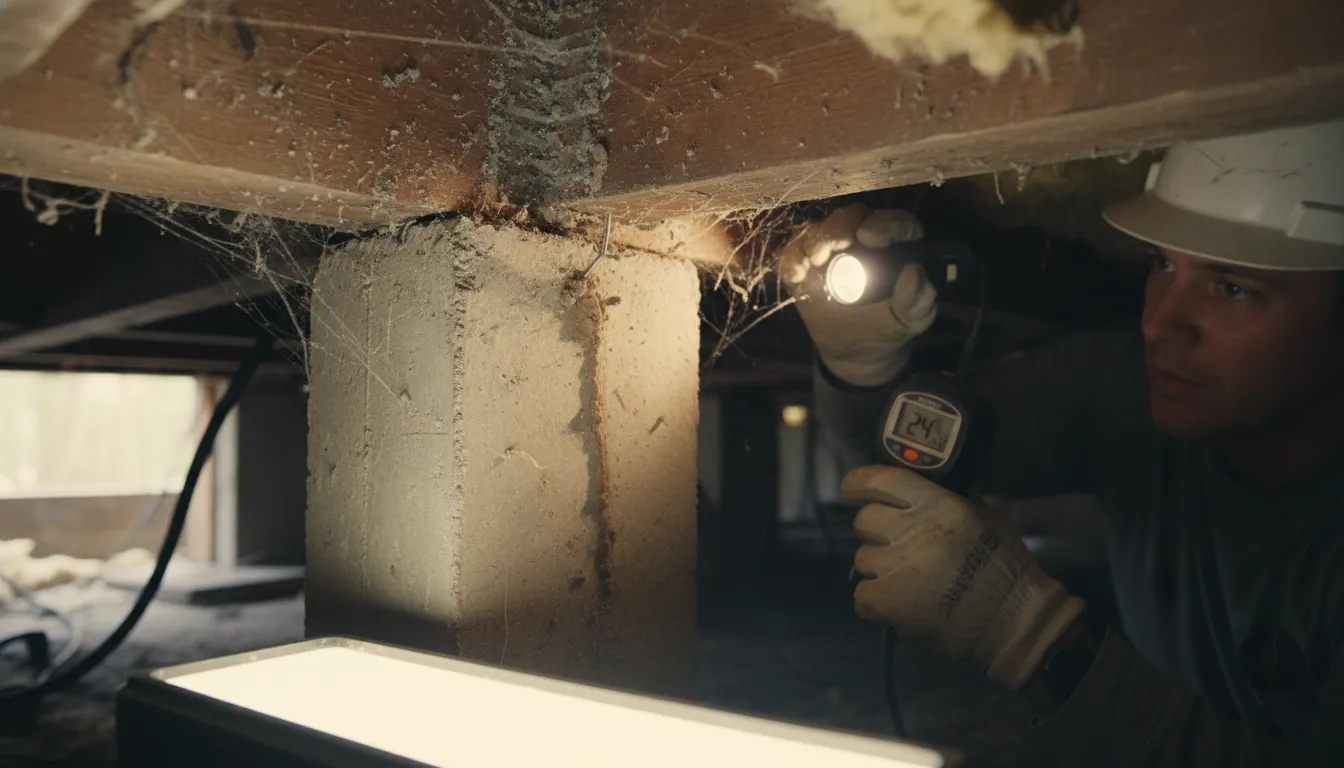
4. Tools of the Trade: Inspectors don't rely on sight alone. They use moisture meters to detect hidden dampness in walls, probes to tap on wood and test its integrity, and flashlights to illuminate dark corners. Some may also use infrared cameras to detect temperature differences caused by moisture or termite activity behind walls 8.
5. The Report: After the inspection, you will receive a detailed written report, often called a Wood-Destroying Organism (WDO) or NPMA-33 report 9. This document will clearly state any active infestations (typically labeled "Section 1" items) and list any conducive conditions ("Section 2" items) that should be corrected. This report is your roadmap for any necessary treatment or repairs.
Find the perfect termite inspection companies for your needs
Get personalized recommendations and expert advice
Understanding Inspection Costs in Rancho Cordova
The cost of a termite inspection in Rancho Cordova is generally straightforward, though it can vary based on your specific needs. For a standard basic inspection of a typical single-family home, you can expect to pay between $100 and $150. The primary factor influencing this base price is the size and square footage of your home; larger homes or those with complex layouts (like multiple stories, extensive crawl spaces, or detached structures) will typically cost more to inspect thoroughly.
If you are buying or selling a home, your lender will often require an official escrow report or inspection letter. This is a formal version of the WDO report prepared for the transaction. Adding this service usually incurs an additional fee of $75 to $100 on top of the basic inspection cost10. It's important to discuss the exact purpose of your inspection with the provider upfront to get an accurate quote.
Termite Inspection vs. General Home Inspection
Many homeowners confuse a termite inspection with a general home inspection, but they serve distinct purposes. A general home inspector evaluates the overall condition of a home's major systems-roof, plumbing, electrical, HVAC, and structure. While they may note obvious signs of pest damage, they are not certified or trained to perform the detailed, specialized search for termites and other wood-destroying insects11.
A licensed termite inspector, however, is specifically trained and licensed by the state to identify termites, their damage, and conducive conditions. They provide the legally recognized WDO report required for most real estate transactions in California 12. For complete peace of mind, especially when purchasing a home, you should always schedule both a general home inspection and a separate, specialized termite inspection.
Choosing the Right Inspection Service
Selecting a qualified professional is as important as the inspection itself. Look for a company that is licensed, insured, and has a strong local reputation in the Rancho Cordova area. Ask about the inspector's specific experience and certifications. A reputable provider will be happy to explain their process, provide a clear quote, and detail what their report includes. They should view the inspection as an educational opportunity for you, the homeowner, not just a sales pitch for treatment. Taking the time to find a thorough and trustworthy inspector is the first and most important step in protecting your home.
Frequently asked questions
Sources
Footnotes
-
Termites and Southern California - https://ecolatermite.com/termites-and-southern-california/ ↩ ↩2
-
Termite Types in Sacramento - Identification, Risks & Control - https://www.officialpestprevention.com/termite-types-sacramento/ ↩
-
Termites in Florida: Why Florida Homeowners Need to Inspect Their Homes Annually - Dave's Pest Control - https://www.davespestcontrol.com/blog/termites-in-florida-why-florida-homeowners-need-to-inspect-their-homes-annually/ ↩
-
Termite Control in California | Western Exterminator - https://www.westernexterminator.com/local-branches/california/termites ↩
-
Termite Inspections | Thrasher Termite & Pest Control, Inc. - https://thrasherpestcontrol.com/termite-control/termite-inspections/ ↩
-
What Happens During a Termite Inspection - Terminix - https://www.terminix.com/termite-control/inspection/ ↩
-
The Value of Termite Inspections - Clark Pest Control - https://www.clarkpest.com/residential-service-blog-old/the-value-of-termite-inspections ↩
-
What Does A Termite Inspector Look For? - AG Pest Control - https://www.agpest.com/what-does-a-termite-inspector-look-for/ ↩
-
Termite inspection: How it works - Western Exterminator - https://www.westernexterminator.com/termite-control/termite-inspection ↩
-
California Termite Inspection: Sections 1-3 Explained - https://www.usrealtytraining.com/blogs/termite-inspection-real-estate ↩
-
Complete Guide to Termite Inspection for Home Purchase - https://bettertermite.com/termite-inspection-for-home-purchase/ ↩
-
Termites and real estate inspections - Clark Pest Control - https://www.clarkpest.com/residential-service-blog-old/termites-and-real-estate-inspections ↩