Find the Best Termite Inspection Companies for Your Business
No obligation • Fast responses • Nationwide coverage

Why you can trust Pest Crews
Pest Crews is a leading U.S. resource for finding and evaluating residential and commercial pest control services. Our team researches providers, reviews treatment approaches, and organizes unbiased information to help you make informed decisions. Companies cannot pay to change our editorial content or influence how they appear.
Search providers near you
Top Termite Inspection Companies in San Mateo, California Ranked
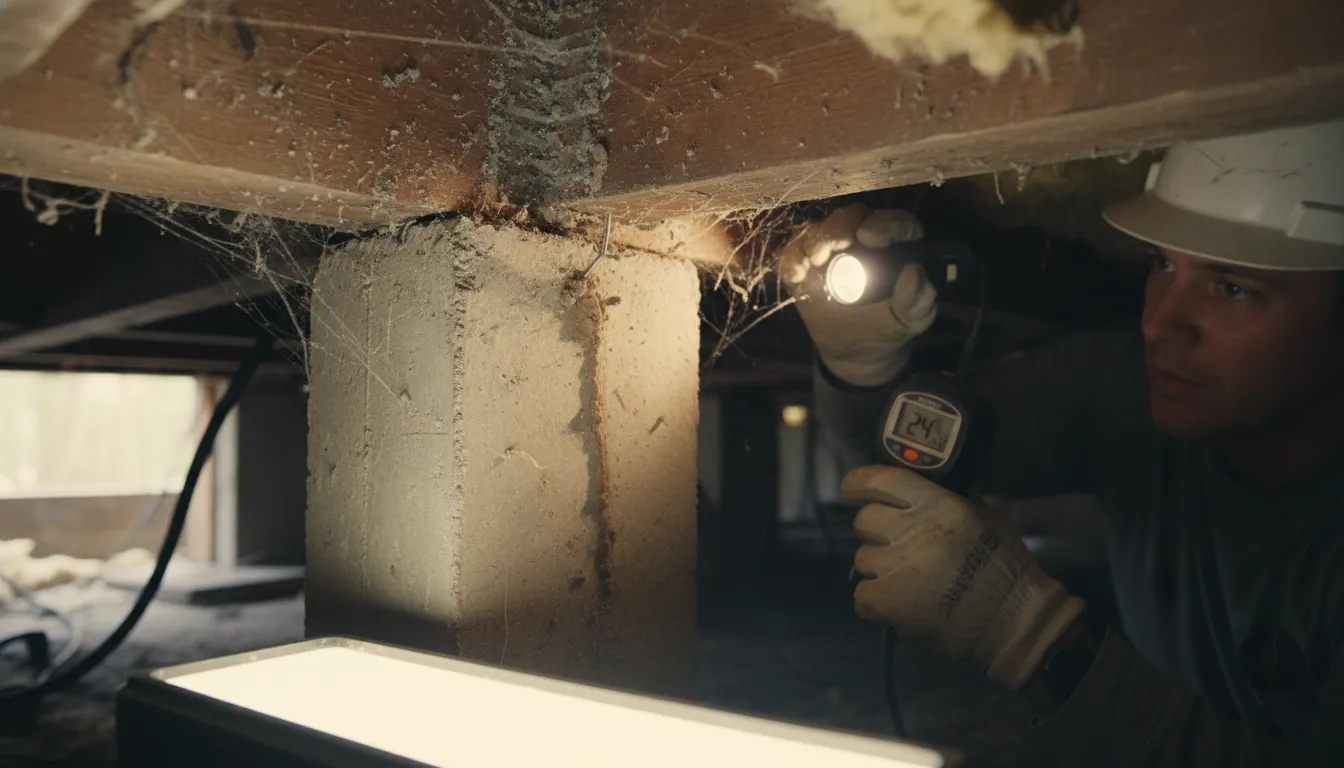
A termite inspection is a critical evaluation of your property to detect the presence or evidence of wood-destroying pests and organisms. In San Mateo, where multiple termite species thrive, this service is essential for protecting your largest investment from costly, hidden damage. This guide will help you understand what a termite check involves, what local inspectors look for, and how to find qualified professionals in your area to assess your home.
HomeShield Pest Control
999 Sutter St #202, San Francisco, CA 94109
HomeShield Pest Control offers eco-friendly pest control services in San Jose, CA, specializing in residential and commercial pest management. Their services include treatment for bed bugs, cockroaches, ants, rodents, termites, and mosquitoes, using green products from EcoSMART. HomeShield is locally owned and focuses on safe, child- and pet-friendly solutions. They serve a broad area including the Bay Area and Southern California. The company emphasizes a professional and ethical approach to pest control and provides a 100% service satisfaction guarantee with unlimited maintenance calls between scheduled visits.

Bay Area Home Inspections
551 25th Ave, San Francisco, CA 94121
Bay Area Home Inspections is a licensed termite inspection company serving San Francisco, CA. They provide thorough termite inspections as part of their comprehensive home and commercial property inspection services. Utilizing modern technology such as thermal imaging and drones, their licensed inspectors identify wood-destroying pests and other issues that may affect property value and safety. Established in 2008, the company combines extensive experience with advanced tools to deliver detailed digital reports. Their inspectors are certified and trained to meet industry standards, ensuring accurate and reliable inspections.

CalPro Inspection Group - Home & Commercial Inspectors
80 Gilman Ave Ste 2B, Campbell, CA 95008
CalPro Inspection Group - Home & Commercial Inspectors provides termite inspection and other home and commercial inspection services in San Jose, CA. They serve the Greater Sacramento area, the entire Bay Area, and surrounding cities. CalPro offers a range of specialty inspections and delivers comprehensive online reports with photos, noted issues, and suggested repairs. Their certified inspectors focus on providing reliable and honest results to help clients make informed real estate decisions.
EcoGuard Pest Management
San Jose, CA
EcoGuard Pest Management is a family-owned pest control company based in San Jose, CA. They provide eco-friendly pest management solutions for common pests like cockroaches, ants, rodents, and specialized services for subterranean termites. Their approach includes a full five-point inspection and treatment program designed to eliminate pests safely using natural and child- and pet-friendly products. Services include rodent inspection, trapping, sanitation, and exclusion, as well as termite inspection, pre-treatment, treatment, and fumigation.
Bed Bug Exterminator San Francisco
2263 Market St, San Francisco, CA 94114
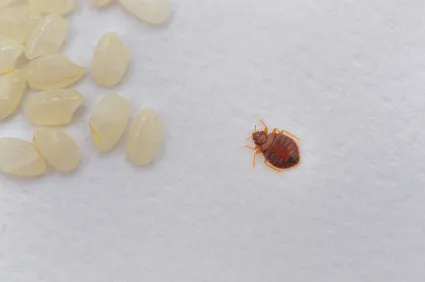
Bed Bug Exterminator San Francisco provides comprehensive pest control services in San Jose, CA. They specialize in bed bug treatment using eco-friendly heat treatment, steam, and cryonite methods tailored to each infestation. Their services also include control of ants, cockroaches, rodents, termites, mosquitoes, bees, wasps, and other pests. The company is licensed and insured, following local regulations for structural pest control. They offer free inspections and detailed treatment plans to ensure effective pest management across residential and commercial properties. Serving a wide area around San Jose, they emphasize safety and customized solutions.
Why Termite Inspections Are Crucial in San Mateo
The San Mateo climate is conducive to several types of termites, making regular inspections a key part of home maintenance. These pests can cause significant structural damage that is often not covered by standard homeowners insurance, leading to repair bills that can reach tens of thousands of dollars. For homeowners, a routine inspection provides peace of mind and early detection. For those buying or selling a home, a formal termite report is a standard and often required part of real estate transactions in California. Catching an infestation early can save you from extensive repairs and preserve your home's value.
Common Termites Found in San Mateo
Understanding the enemy is the first step in protection. San Mateo homes are primarily threatened by three types of termites, each with distinct behaviors and signs.
- Subterranean Termites: The most common and destructive type in the U.S., these termites nest in the soil and build distinctive mud tubes to travel between their colony and their food source-your home's wood 1. They require contact with moisture to survive.
- Drywood Termites: Unlike their subterranean cousins, drywood termites live entirely within the wood they consume. They do not require contact with soil. A key sign of their activity is the presence of small, granular fecal pellets known as frass, which they push out of tiny kick-out holes in the wood 2.
- Dampwood Termites: As the name implies, these termites are attracted to wood with high moisture content, often from leaks or poor drainage. They are typically larger than other species and are frequently found in decaying wood, tree stumps, or areas with chronic water intrusion 3 4.
What Does a Professional Inspector Look For?
A thorough termite inspection, or wood-destroying pest inspection, is a detailed visual examination of both the interior and exterior of your property. Inspectors are trained to identify direct evidence of pests and the conditions that attract them. Here's a breakdown of what they examine 5 6:
Exterior Inspection Points:
- Mud Tubes: pencil-sized tunnels on foundation walls, piers, sill plates, or in crawlspaces, which are a telltale sign of subterranean termites.
- Damaged Wood: Wood that sounds hollow when tapped, appears blistered or dark, or shows visible tunnels (galleries).
- Swarmers & Wings: Discarded wings from reproductive termites (swarmers) near windowsills, doors, or in spider webs.
- Foundation Cracks & Entry Points: Gaps in the foundation or around utility penetrations that provide access.
- Moisture Issues: Poor drainage, leaking gutters, or wood-to-soil contact that creates ideal conditions for termites.
Interior Inspection Points:
- Frass: Small, pile-like accumulations of drywood termite droppings, often resembling sawdust or coffee grounds, below kick-out holes.
- Visible Damage: Warped floors, sagging ceilings, damaged baseboards, or peeling paint that may indicate moisture and hidden pest activity.
- Accessible Structural Wood: Beams, joists, headers, and sill plates in basements, crawlspaces, and attics.
Key Areas of Focus: Inspectors pay special attention to high-risk zones, including attics, crawlspaces, garages, around window and door frames, under sinks, bathrooms, and any area where plumbing leaks could cause moisture accumulation 7.
The Inspection Process: What to Expect
When you schedule a termite inspection in San Mateo, you can expect a comprehensive process designed to leave no stone unturned.
- Visual Examination: The inspector will conduct a meticulous visual check of all accessible areas of your home, inside and out. This includes the foundation, exterior siding, interior rooms, attic, and crawlspace 8.
- Probing and Tool Use: Inspectors use tools like flashlights, mirrors, and probes to tap on wood and check for hollow spots or softness. They may also use moisture meters to detect hidden water damage that attracts pests 9.
- Reporting: After the inspection, you will receive a detailed report. In California, this often follows a standard form that categorizes findings into "Section 1" and "Section 2" items.
- Section 1: Conditions that are active infestations or infections (like fungal dry rot) or have resulting structural damage that needs correction.
- Section 2: Conditions that are not currently active but are deemed likely to lead to an infestation if not addressed (e.g., earth-to-wood contact, excessive moisture).
- Recommendations: The report will include recommendations for treatment (if needed) and repairs to correct any conducive conditions. For real estate transactions, a "clearance letter" or certification may be issued once all Section 1 items are completed.
Find the perfect termite inspection companies for your needs
Get personalized recommendations and expert advice
Understanding Inspection Costs in San Mateo
The cost of a termite inspection in San Mateo can vary based on the size of your home, the type of report needed, and the company you choose. It's helpful to understand the typical pricing structure.
- Basic Visual Inspection: For a standard single-family home under 2,500 square feet, a basic visual inspection typically ranges from $100 to $150. This is the standard fee for a homeowner seeking a routine check.
- Official Report for Real Estate (Clearance): If you need a formal report for a loan or sale, such as a Section 1 clearance letter, there is often an additional fee. This can add $75 to $100 to the base inspection cost.
- Treatment Costs: If the inspection reveals an active infestation, treatment costs are separate and depend heavily on the termite type, severity, and treatment method. Localized treatments for a specific area can start around $250 to $700 or more, while whole-structure fumigation for drywood termites costs several thousand dollars 10.
Always request a detailed quote that breaks down inspection versus treatment fees before work begins.
How to Prepare for Your Inspection
To ensure the inspection is as thorough and efficient as possible, you can take a few simple steps:
- Clear Access: Ensure the inspector can easily access your attic, crawlspace, garage, and utility closets. Move stored items away from basement and garage walls.
- Trim Landscaping: Trim back shrubs, vines, and tree branches at least a foot from your home's exterior to allow for a clear view of the foundation.
- Address Moisture: Fix any leaking faucets, gutters, or downspouts before the inspection.
- Note Your Concerns: Make a list of any areas where you've seen suspicious signs like frass, mud tubes, or damaged wood to point out to the inspector.
The Role of Inspections in Real Estate Transactions
In the San Mateo housing market, a termite inspection is a standard contingency. Lenders often require a "clear" report, meaning no active Section 1 infestations, before finalizing a loan. The inspection report becomes a negotiating tool, with buyers typically requesting that sellers complete all Section 1 repairs. Understanding the difference between Section 1 (active/critical) and Section 2 (potential/future) items is key for both buyers and sellers during this process 11.
Frequently asked questions
Sources
Footnotes
-
Why Termites Invade San Mateo Homes And How To Keep Them ... - https://www.pacificpestmgt.com/why-termites-invade-san-mateo-homes-and-how-to-k/ ↩
-
Subterranean and Other Termites / Home and Landscape / ... - UC IPM - https://ipm.ucanr.edu/home-and-landscape/subterranean-and-other-termites/ ↩
-
San Mateo's Ultimate Guide To Total Termite Control - https://www.pacificpestmgt.com/san-mateo-s-ultimate-guide-to-total-termite-cont/ ↩
-
Termite Monitoring System - https://www.greensolutionslpc.com/termite-monitoring-system/ ↩
-
What Does A Termite Inspector Look For? - AG Pest Control - https://www.agpest.com/what-does-a-termite-inspector-look-for/ ↩
-
Spring Termite Inspection: Your 5 Step Prep - https://ecolatermite.com/spring-termite-inspection-your-5-step-prep/ ↩
-
Termite Company San Mateo County, CA | A+ Rating BBB - https://www.pacificcoasttermite.com/coverage/san-mateo-county/ ↩
-
Termite Control in California - Western Exterminator - https://www.westernexterminator.com/local-branches/california/termites ↩
-
Termite Inspection Guide - DoMyOwn.com - https://www.domyown.com/termite-inspection-guide-a-477.html ↩
-
California Termite Inspection: Sections 1-3 Explained - https://www.usrealtytraining.com/blogs/termite-inspection-real-estate ↩
-
Bay Area Termite Inspections Northern California - HomeGuard - https://homeguard.com/services/termite-inspections/ ↩