Find the Best Termite Inspection Companies for Your Business
No obligation • Fast responses • Nationwide coverage

Why you can trust Pest Crews
Pest Crews is a leading U.S. resource for finding and evaluating residential and commercial pest control services. Our team researches providers, reviews treatment approaches, and organizes unbiased information to help you make informed decisions. Companies cannot pay to change our editorial content or influence how they appear.
Search providers near you
Top Termite Inspection Companies in Sunnyvale, California Ranked
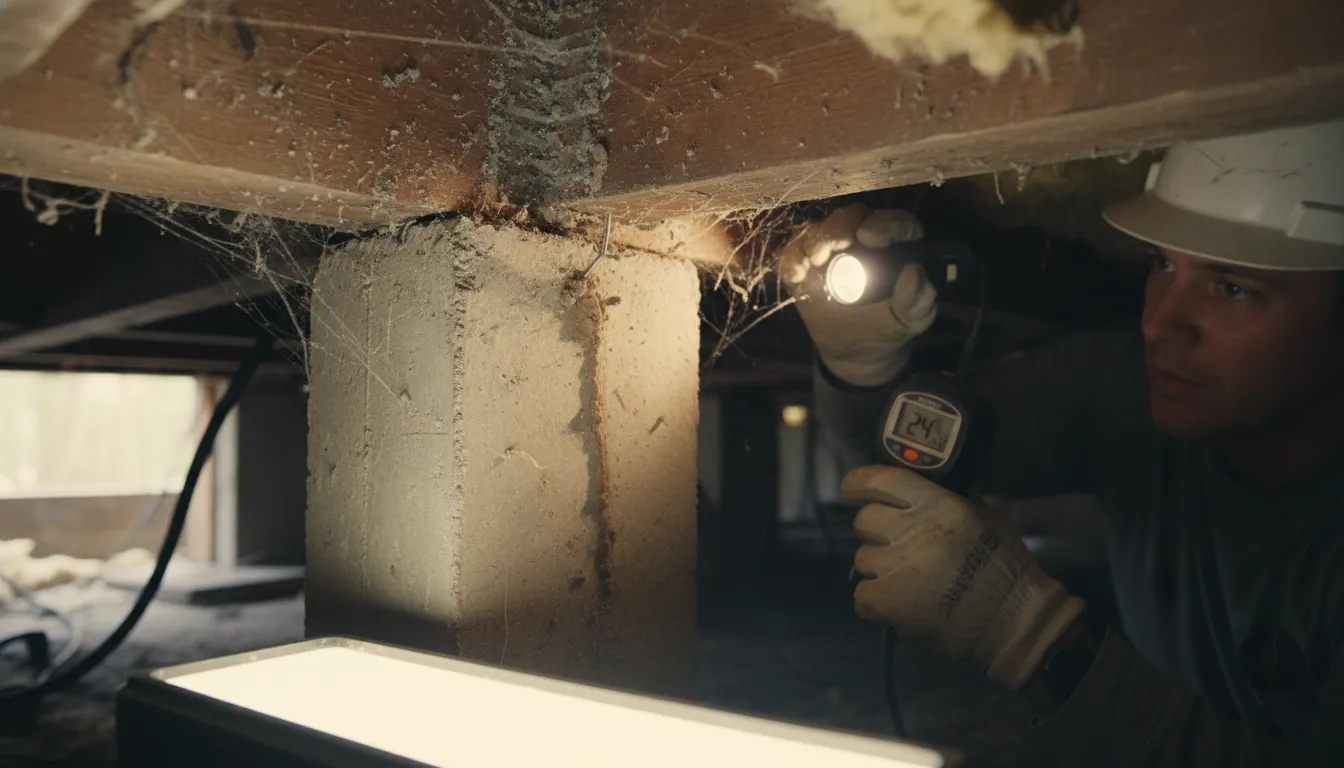
A termite inspection is a specialized assessment of a property to detect the presence or evidence of wood-destroying insects like termites. In a region like Sunnyvale, where termites are active, this service is critical for protecting your home's structural integrity and value. This guide explains what a termite check involves, what inspectors look for, and how you can connect with qualified local professionals to safeguard your investment.

CalPro Inspection Group - Home & Commercial Inspectors
80 Gilman Ave Ste 2B, Campbell, CA 95008
CalPro Inspection Group - Home & Commercial Inspectors provides termite inspection and other home and commercial inspection services in San Jose, CA. They serve the Greater Sacramento area, the entire Bay Area, and surrounding cities. CalPro offers a range of specialty inspections and delivers comprehensive online reports with photos, noted issues, and suggested repairs. Their certified inspectors focus on providing reliable and honest results to help clients make informed real estate decisions.
EcoGuard Pest Management
San Jose, CA
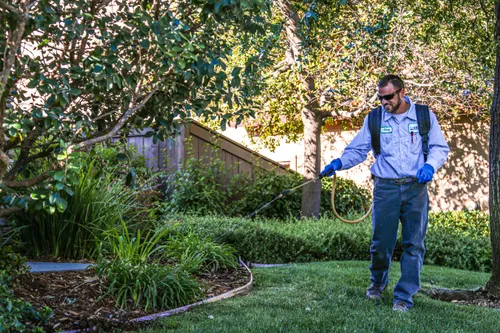
EcoGuard Pest Management is a family-owned pest control company based in San Jose, CA. They provide eco-friendly pest management solutions for common pests like cockroaches, ants, rodents, and specialized services for subterranean termites. Their approach includes a full five-point inspection and treatment program designed to eliminate pests safely using natural and child- and pet-friendly products. Services include rodent inspection, trapping, sanitation, and exclusion, as well as termite inspection, pre-treatment, treatment, and fumigation.
Expert Exterminators
1430 Tully Rd Suite 403, San Jose, CA 95122
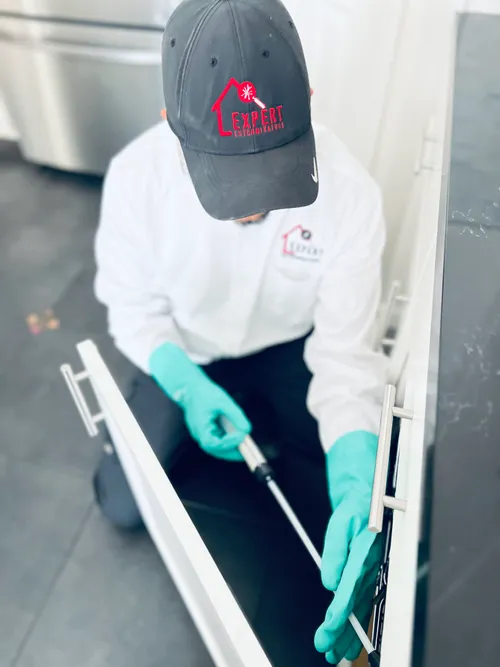
Expert Exterminators provides comprehensive pest control services in San Jose, CA. They specialize in treating a variety of pests including rodents, bed bugs, termites, and general household insects. Their offerings include thorough inspections, customized treatment plans, and ongoing maintenance to manage pest issues effectively. The company is licensed and staffed by trained technicians who focus on delivering tailored solutions for each pest problem. Expert Exterminators also offers termite inspections and treatments with no initial fee for inspections. Their services are available around the clock to address pest activity at any time.
MightyMite Termite Services
215 E Hacienda Ave, Campbell, CA 95008
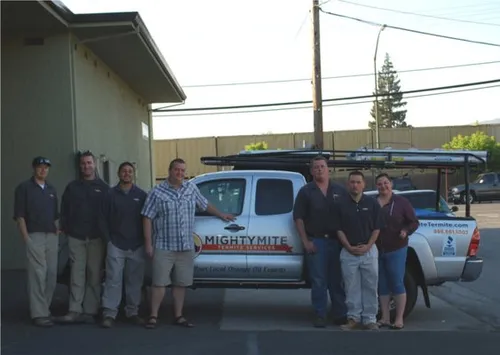
MightyMite Termite Services provides termite and pest control for residential and commercial properties in San Jose, CA. They use state-of-the-art, low-toxicity treatment methods to eliminate termites without tenting, allowing customers to remain in their homes during treatment. The company offers thorough inspections and effective treatments backed by unmatched warranties and an industry-best no call-back rate. With a combined 80 years of experience, MightyMite Termite Services is licensed and bonded, serving the Bay Area and Monterey Counties.
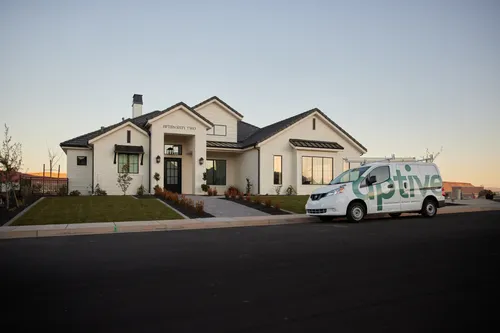
Aptive Pest Control
San Jose, CA
Aptive Pest Control offers comprehensive pest management services in San Jose, CA, addressing common pests such as ants, spiders, cockroaches, rodents, termites, and wasps. Operating with a local understanding of the area's Mediterranean climate and seasonal pest activity, they provide year-round treatments tailored to prevent infestations and protect homes. Their services include exclusion methods, strategic baiting, and targeted treatments to manage and prevent pest problems effectively. Aptive Pest Control serves San Jose and surrounding communities, including Cupertino, Fremont, and Sunnyvale, ensuring coverage across the region.
Understanding Termite Threats in Sunnyvale
The warm climate of the Bay Area creates an ideal environment for several types of termites, making regular pest inspections a wise part of home maintenance. The primary culprits in Sunnyvale are subterranean and drywood termites, with dampwood termites also present in the region.
- Subterranean Termites: These are the most destructive species. They live in colonies in the soil and build distinctive mud tubes to travel between their nest and food sources (your home's wood). They require constant moisture and can cause significant structural damage 1 2.
- Drywood Termites: Unlike their subterranean cousins, drywood termites live inside the wood they consume. They don't require contact with soil. A key sign of their activity is the presence of fecal pellets, known as frass, which they push out of small kick-out holes in the wood 3 4.
- Dampwood Termites: As the name implies, these termites are attracted to wood with high moisture content, often from leaks or poor drainage. They are typically larger than other species 5.
Knowing which pests are common helps inspectors know where to focus their efforts during a wood-destroying organism inspection.
What a Professional Inspector Looks For
A thorough termite evaluation is a meticulous process. Certified inspectors are trained to identify both active infestations and conditions that could lead to future problems (known as "conducive conditions"). Their examination covers the interior and exterior of the property.
Exterior Signs:
- Mud Tubes: These pencil-sized tunnels on foundation walls, piers, or in crawlspaces are a classic sign of subterranean termites.
- Damaged Wood: Wood that sounds hollow when tapped, appears blistered or darkened, or is easily pierced by a screwdriver.
- Exit Holes: Tiny holes in wood siding, trim, or beams, often accompanied by frass (for drywood termites).
- Discarded Wings: Swarmers (reproductive termites) shed their wings after finding a mate, often leaving piles near windowsills or doors.
- Wood-to-Soil Contact: Any structural wood, like siding or posts, touching the soil is a major risk factor.
- Excess Moisture: Poor drainage, leaking gutters, or irrigation spraying directly on the foundation create the damp conditions termites love.
Interior & Structural Signs:
- Frass: Small, pellet-like droppings from drywood termites, often found in little piles beneath kick-out holes.
- Visible Damage: In baseboards, window frames, door frames, and structural supports in basements or crawlspaces.
- Evidence in Crawlspaces and Attics: These often-overlooked areas are prime inspection zones for mud tubes, damaged subflooring, and frass 6 7.
The Inspection Process: Step-by-Step
A standard termite inspection in Sunnyvale follows a systematic approach to ensure no area is missed. It typically includes:
- Exterior Survey: The inspector walks the perimeter of the home, examining the foundation, siding, eaves, and any attached structures like decks or fences. They look for mud tubes, wood damage, and conducive conditions like soil contact or vegetation too close to the house.
- Interior Survey: Every room is checked, with a focus on areas where wood is present. Baseboards, window and door frames, and built-in cabinets are closely examined.
- Structural and Foundation Check: This is a detailed look at the home's wooden skeleton. Inspectors will access crawlspaces, basements, and attics to check joists, beams, and subflooring-areas where termite damage can be most severe but least visible.
- Report Generation: After the assessment, the inspector provides a detailed report, often formatted according to California standards. This report will categorize findings into:
This report is your roadmap, clearly outlining what problems exist and what corrective actions, including potential treatment options, are recommended.
Find the perfect termite inspection companies for your needs
Get personalized recommendations and expert advice
Understanding Inspection Costs in Sunnyvale
The cost of a termite inspection in Sunnyvale is typically straightforward and is an investment in peace of mind. Pricing is generally based on the size and type of the property.
- Basic Inspection: For a standard single-family home up to approximately 2,500 square feet, you can expect a fee in the range of $100 to $150 for the inspection and report.
- Larger Homes: For more substantial properties, between 2,500 and 4,000 square feet, the price often ranges from $150 to $225.
- Escrow or Clearance Reports: If you need an official report for a real estate transaction (often called a "Section 1 Clearance"), there is usually an additional fee, typically adding $75 to $100 to the base inspection cost.
- Treatment Costs: If the inspection reveals an active infestation, treatment costs are separate and can vary widely based on the method (e.g., liquid soil treatment, bait systems, localized wood treatment) and the extent of the problem. Localized treatments for a specific area can start around $250 to $700 or more 10.
Why Regular Inspections Are Essential for Sunnyvale Homeowners
Waiting until you see obvious signs of termites can be a costly mistake. These pests work silently, often for years, before damage becomes apparent. Scheduling a periodic termite assessment, even if you don't suspect a problem, is a proactive defense. It's especially crucial before purchasing a home, as termite damage discovered later can lead to expensive repairs that weren't factored into the sale price. For existing homeowners, an annual or bi-annual check can catch early signs of activity or identify moisture issues before they attract pests, ultimately saving thousands in potential structural repairs.
Frequently asked questions
Sources
Footnotes
-
Controlling Common Types of Termites in Bay Area, CA - https://www.mightymitetermite.com/termites/common-termites/ ↩
-
Learn About the Most Common Types of Termites - https://www.mightymitetermite.com/blog/common-types-of-termites/ ↩
-
What Types Of Termites Live In The Bay Area | Bay Pest Solution Inc - https://www.baypestsolution.com/what-types-of-termites-live-in-the-bay-area/ ↩
-
Drywood Termites / Home and Landscape / ... - UC IPM - https://ipm.ucanr.edu/home-and-landscape/drywood-termites/ ↩
-
Termites: Facts, Information, and Treatment - https://fox-pest.com/pest-files/termites/ ↩
-
What Does a Termite Inspector Look For? - Orkin - https://www.orkin.com/pests/termites/what-a-termite-inspector-does ↩
-
What to Look for During a Real Estate Pest Inspection? - https://questpest.com/what-to-look-for-during-a-real-estate-pest-inspection ↩
-
Professional Termite Inspections in the San Francisco Bay Area - https://www.bayareahomeinspections.com/services/termite-inspections ↩
-
What Does A Termite Inspector Look For? - AG Pest Control - https://www.agpest.com/what-does-a-termite-inspector-look-for/ ↩
-
California Termite Inspection: Sections 1-3 Explained - https://www.usrealtytraining.com/blogs/termite-inspection-real-estate ↩